
Flowers
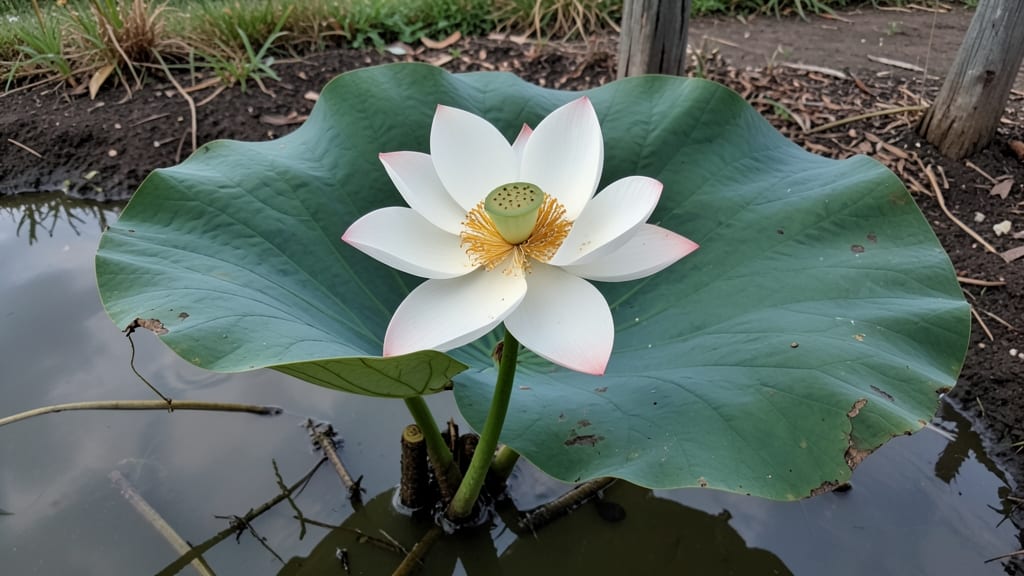
Growing a lotus flower with seeds is like unlocking a secret garden of serenity—those iconic blooms emerge from murky water, but the seeds demand patience and precision.
I’ve nurtured lotus from seed three times now, and each time, the first green shoot breaking through the water’s surface feels like a miracle. The key isn’t just the seeds themselves but the quiet magic of still water and warm sun working together to coax them awake.
You’ll need a few simple things: fresh lotus seeds (viable for just 1–2 years), a container with at least 12 inches of water depth, and a sunny spot where temperatures stay between 70–85°F. The soil?
Forget it—lotuses thrive in muddy pond beds, and their roots love the rich, oxygenated silt at the bottom. Plant seeds 1–2 inches deep in late spring, and keep the water level consistent. No fancy equipment, just time and a little faith.
By summer’s end, you’ll watch the first leaves unfurl like delicate fans, followed by the dramatic rise of the flower stalk. The blooms themselves take about 3 months from planting, but the journey—watching the pads grow, the stems thicken—is half the reward.
Each stage feels like a lesson in stillness, a reminder that some of nature’s most sacred beauties grow in quiet, undisturbed spaces.
Fair warning: lotuses are slow starters, and rot is the biggest early threat. If your seeds take longer than 3 months to sprout, they might need a warmer spot or a shallow water change.
But once they break through, they’re nearly indestructible. Perfect for ponds, large containers, or even shallow water features—just give them room to stretch their roots.
📚 In This Guide
- What you need
- Instructions
- Tips and common mistakes
- Wrapping up and next steps
What you need
- ● Lotus seeds: 5–10 high-quality, Nelumbo nucifera or Nelumbo lutea seeds (ensure they’re fresh or pre-soaked for faster germination).
- ● Large container or pond: A minimum of 12–18 inches deep (for water depth) with a 10+ gallon capacity. Use a plastic tub, koi pond, or decorative water garden.
- ● Potting soil or aquatic substrate: 2–3 gallons of peat-based potting mix or sand-loam blend (avoid heavy clay).
- ● Slow-release fertilizer: 1–2 tbsp of balanced aquatic plant fertilizer (e.g., 10-10-10 NPK ratio).
- ● Water source: Dechlorinated water (use a water conditioner if tap water is used) or rainwater.
- ● Gravel or small pebbles: 1–2 gallons (¼–½ inch size) for drainage and root support.
- ● Sunlight access: Full sun (6–8+ hours daily)—a south-facing window or greenhouse works best.
- ● Garden trowel or spoon (for planting seeds gently).
- ● pH test kit (ideal range: 6.0–7.5; adjust with lime or sulfur if needed).
- ● Water thermometer (lotus thrives in 70–85°F water).
- ○ Floating plant mat or netting (optional, to protect young sprouts from pests).
- ● Pruning shears (for trimming dead leaves or blooms later).
- ● Algae control: Barley straw or hydrogen peroxide (3%) to keep water clean.
- ● Decorative rocks or driftwood (for aesthetic appeal and stability).
- ● Growth regulator (e.g., seaweed extract) to boost seedling vigor.
- ● LED grow lights (if sunlight is limited, 12–14 hours/day).
Step-by-Step guide to growing lotus flowers from seed
Here's how I turn tiny seeds into stunning blooms—no mystery, just patience and the right conditions.
Prepare the Container and Water
Lotus seeds need still, warm water to germinate, so skip the soil. Fill a shallow container—like a wide, flat tray—with 6-8 inches of dechlorinated water at 75-80°F. Tap water left out for 24 hours removes chlorine, or use bottled water. Place the container where it gets indirect sunlight (a north-facing window works well).
Drop the seeds gently onto the water's surface. They'll float naturally—don't press them down. Cover the container loosely with a clear lid or plastic wrap to trap humidity. Check daily and top off water if it evaporates, but never let it drop below 6 inches. You'll see tiny sprouts in 7-14 days.
Transplant Sprouts to Soil
Once sprouts reach 1-2 inches tall, they're ready for soil. Use a large, shallow container (at least 12 inches wide) with 2-3 inches of water at the bottom. Fill the rest with loamy, nutrient-rich soil mixed with 20% perlite for drainage. Lotus roots need room to spread, so avoid small pots.
Plant each sprout 1 inch deep, spacing them 6-8 inches apart. Press soil firmly around the stems but don’t pack it down. Water lightly to settle the soil, then place the container in full sun (6+ hours daily). You’ll notice new leaves in 2-3 weeks—this means the roots are anchoring.
Maintain Water and Sunlight
Lotus plants thrive in 1-2 inches of water at all times. Check weekly and top off with dechlorinated water (rainwater or filtered works best). Avoid tap water long-term—chlorine can stunt growth. In summer, add water daily if evaporation is heavy; in winter, reduce to 1 inch to prevent rot.
Keep the plant in full sun, but protect it from intense afternoon heat (use a sheer curtain if needed). You’ll see buds form in 8-12 weeks—this is the sacred moment. If buds droop, they need more water; if they stay closed, they may need slightly cooler temps (65-75°F).
Support and Harvest
As stems grow taller, they’ll need sturdy support. Install bamboo stakes or a trellis near the plant and gently tie stems with soft twine. Lotus flowers are heavy, so secure them loosely—they’ll sway in the breeze. Avoid tight knots, which can damage the stems.
When blooms open fully, enjoy them for 3-5 days before they close. To collect seeds, wait until the flower wilts and the pod turns brown. Snip the pod carefully, split it open, and dry the seeds in a cool, dark place for 2 weeks. Store them in a paper bag until next season.
Tips & tricks for growing lotus flowers from seed
Transforming tiny seeds into breathtaking blooms takes more than just time—it’s about creating the perfect conditions at each stage. Here’s how I’ve learned to nurture these sacred plants through every critical phase.
Water Temperature and Depth: The 75-80°F water temperature in Step 1 is non-negotiable—lotus seeds are tropical and won’t sprout in cooler water. If your tap water runs cold, place the container in a warm spot (like near a sunny window) for 24 hours before adding seeds. Also, maintaining that 6-inch minimum depth is crucial; seeds need buoyancy to stay afloat and germinate properly.
Germination Patience: Those 7-14 days until sprouts appear can feel like an eternity, but rushing the process by pressing seeds down or using warm water will only frustrate you. The seeds need to float freely and experience that gentle indirect sunlight. I’ve seen seeds take up to 21 days in cooler conditions—don’t assume failure if nothing happens in the first week.
Soil Preparation: When transplanting in Step 2, the loamy soil mixed with 20% perlite isn’t just about drainage—it’s about creating the right air-to-water ratio for those delicate roots. If you don’t have perlite, crushed gravel works too, but avoid sand which can compact and suffocate roots. The 1-inch planting depth is perfect because it keeps stems sturdy while allowing roots to spread horizontally.
Bud Care: The 8-12 week wait for buds is where most growers give up, but paying attention to the subtle clues makes all the difference. If buds droop in Step 3, increase water to 2 inches temporarily—this often revives them within hours. And those slightly cooler temps (65-75°F) during bud formation? That’s when you’ll see the most vibrant blooms. I’ve found that morning sun without afternoon heat stress produces the most durable flowers.
Pro Tips for Lotus Flower With Seeds
- Transforming tiny seeds into breathtaking blooms takes more than just time—it’s about creating the perfect conditions at each stage.
- Water Temperature and Depth: The 75-80°F water temperature in Step 1 is non-negotiable—lotus seeds are tropical and won’t sprout in cooler water.
- Germination Patience: Those 7-14 days until sprouts appear can feel like an eternity, but rushing the process by pressing seeds down or using warm water will only frustrate you.
Frequently asked questions
Got questions about growing lotus flowers with seeds?
You’re not alone! Here are answers to the most common queries—from patience to troubleshooting—so you can nurture your sacred blooms like a pro.
How long does it really take for lotus seeds to sprout?
Lotus seeds can take anywhere from 2 weeks to 3 months to sprout, depending on temperature, water depth, and seed quality. In warm water (70–80°F), germination often happens within 4–6 weeks. Pro tip: Keep seeds in a well-lit, shallow container until sprouts appear—patience is key!
Can I grow lotus flowers indoors or in cold climates?
Lotus flowers are tropical plants and thrive in water temperatures above 60°F. While you can start seeds indoors in a warm, sunny spot (like a greenhouse or grow light setup), they’ll need to be transplanted to an outdoor pond or container with at least 12+ hours of sunlight daily once sprouted. Cold climates? Opt for hardy varieties like Nelumbo nucifera or grow them in movable containers.
What’s the best way to store unused lotus seeds?
Store seeds in a cool, dry place (like a sealed jar in the fridge) for up to 2 years. Before storing, let them dry completely to prevent mold. For long-term viability, wrap seeds in a paper towel and place them in an airtight container with a moisture absorber (like silica gel). Label with the date!
Why are my lotus seeds floating instead of sinking?
Healthy lotus seeds should sink in water—they’re heavy due to their starch content. If they float, they may be empty, damaged, or not fully mature. Try soaking them in warm water for 24 hours to encourage sinking. If they still float, they’re likely non-viable. Troubleshoot: Check seed freshness or source new seeds from a reputable supplier.
Are there easier alternatives to growing lotus flowers?
If lotus seeds feel too challenging, try these low-maintenance water plants:
- Water lilies – Faster-growing and colorful blooms.
- Water hyacinth – Hardy and spreads quickly (great for ponds).
- Pistia (water lettuce) – Floating plant with minimal care.
Wrapping up and next steps
The journey of growing a lotus flower with seeds from a tiny seed to a sacred bloom is nothing short of magical! 🌸 With patience, care, and the right conditions, you’ve unlocked the secrets to nurturing this symbol of purity and resilience.
Whether you’re drawn to its spiritual significance or simply love the art of gardening, your efforts will soon reward you with breathtaking beauty.
Now that you’re armed with knowledge, take the next step—plant those seeds and watch nature unfold before your eyes. Happy growing! 🌱✨