
Flowers
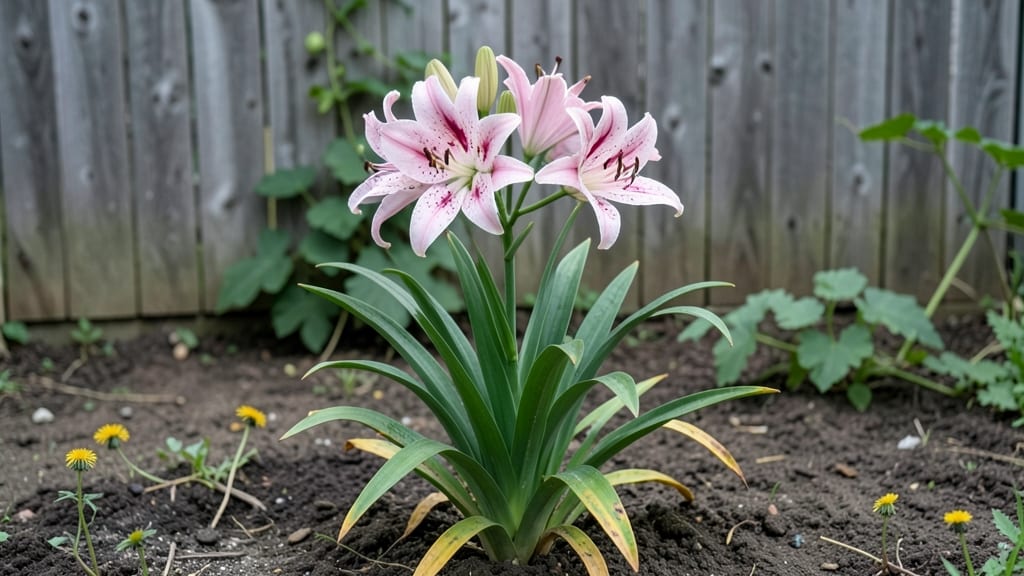
The lily pink flower—soft as mist over a PNW meadow—transforms gardens into dreamy, pollinator-friendly retreats that thrive even after frost. 🌸 I’ve designed entire borders around its delicate blush, pairing it with deep purples and silvery foliage for a look that feels wild yet intentional.
The key is letting it lead the color story while supporting it with textures that echo its natural habitat.
This isn’t just about one plant—it’s about creating a frost-resilient tapestry where Lilium ‘Stargazer’ or Rosa ‘Pink Parfait’ anchor the scene. Add lavender for contrast or ferns for softness, and you’ll get that signature PNW garden feel: romantic, resilient, and alive with bees and butterflies.
The secret? Plant in drifts, not rows, to mimic how wildflowers grow.
By summer’s end, you’ll have a garden that hums with activity—bees sipping nectar, hummingbirds darting between blooms, and the air thick with that lily-sweet fragrance. The pinks deepen as the season progresses, giving you layers of color from pale blush to rosy-pink.
It’s the kind of garden that makes neighbors pause and ask, “What’s that?”
Works in sun or partial shade, in containers or borders—this is the easy-care star of low-maintenance gardens. Let’s make yours the envy of the neighborhood with these simple pairings and placement tricks.
📚 In This Guide
- What you need
- Instructions
- Tips and common mistakes
- Wrapping up and next steps
What you need
- ● Lily pink flower bulbs/seeds: Choose Lilium bulbiferum (lily) or Dianthus varieties (pinks) suited for zones 4-8. Quantity: 5-10 bulbs/seeds for a small garden patch.
- ● Well-draining soil: Mix 1 part native soil with 1 part compost and 1 part perlite/sand (for bulbs) or 2 parts potting mix (for seeds). pH: 6.0–7.0.
- ● Organic fertilizer: 5-10-10 NPK ratio (e.g., bone meal for bulbs or balanced granular for seeds). Amount: 1 tbsp per bulb or ½ cup per sq. ft.
- ● Mulch: 3–4 inches of shredded bark, straw, or wood chips to retain moisture and insulate roots.
- ● Watering can or hose: With a gentle spray nozzle to avoid displacing soil.
- ● Garden trowel (for planting bulbs) or seed starter tray (for seeds).
- ● Gloves (to protect hands from thorns or soil-borne pathogens).
- ● Pruners/small shears (for trimming dead foliage post-bloom).
- ● Sunlight access: 6+ hours of direct sun (partial shade tolerates PNW’s shorter days).
- ○ Frost cloth or row covers (optional but helpful for early/late frosts).
- ● Pollinator-friendly companions: Plant bee balm or lavender nearby to attract hummingbirds and bees!
- ● Decorative stones/mulch: For a polished PNW garden aesthetic.
- ● Slow-release fertilizer spikes (for low-maintenance nutrition).
Step-by-step instructions for cultivating Pacific Northwest lily pink flowers
Here's how to establish these hardy pollinator magnets in your garden.
🌱 Step 1: Select the Right Planting Site and Prepare the Soil
Lily pink flowers thrive in partial shade to full sun but perform best with morning sun and afternoon shade—critical for the Pacific Northwest's damp summers. Choose a location with well-draining soil that retains moisture but never stays soggy. These plants tolerate frost beautifully, so don't worry about early spring or late fall plantings.
Amend your native soil with 2-3 inches of compost to improve fertility and drainage. Work the compost into the top 6 inches of soil—this ensures roots have access to nutrients without competing with weeds. Test your soil's pH; these flowers prefer a slightly acidic to neutral range (6.0-7.0). If your soil runs alkaline, mix in 1-2 cups of sulfur per square foot and retest in a month.
🪴 Step 2: Plant Bare-Root Crowns at the Correct Depth
Plant bare-root crowns in early spring or fall, spacing them 12-18 inches apart in rows 24 inches apart. The crown (where roots meet stems) should sit just below the soil surface—burying too deep causes rot, while planting too shallow leaves stems vulnerable to frost heave. Dig holes twice as wide as the root ball to encourage root spread.
Place each plant in its hole, then backfill with native soil mixed with 1 inch of compost. Water deeply to settle the soil and eliminate air pockets. Here's the thing—don't water again for 7-10 days unless your region experiences extreme heat. Overwatering at planting time smothers roots and invites fungal issues.
☀️ Step 3: Provide Consistent Moisture and Mulch for Frost Protection
Once established, lily pink flowers are drought-tolerant, but young plants need consistent moisture—water 1 inch per week during the first growing season. You'll know it's enough when the top 2 inches of soil feel damp but not wet. Use a 3-inch layer of mulch (wood chips or straw) to retain moisture and protect roots from winter freeze-thaw cycles.
In the Pacific Northwest's wet winters, proper mulching prevents crown rot. Replenish mulch annually in early spring, keeping it 2-3 inches away from plant stems to avoid moisture buildup. These flowers reward patience—blooms appear in year two, often lasting 4-6 weeks with proper care.
✂️ Step 4: Prune and Divide for Long-Term Health
After flowering, cut back stems to 2-3 inches above the crown to encourage next year's blooms. This also improves airflow, reducing fungal risks. Divide clumps every 3-4 years in early spring or fall when plants become overcrowded. Dig up the entire clump, separate sections with 3-5 healthy shoots each, and replant immediately.
Real talk: these plants spread aggressively over time. If left unchecked, they'll dominate your garden. Use barrier edging if you want to contain them. After dividing, water deeply for 10 days to help roots establish in their new locations. You'll see vigorous regrowth within 3-4 weeks if divisions are healthy.
Tips & tricks for perfect lily pink flower cultivation
These insider strategies will help you coax the most vibrant blooms from your Pacific Northwest garden.
Soil Science: When amending your soil with the specified 2-3 inches of compost, consider adding a handful of worm castings to the mix. These natural amendments introduce beneficial microbes that accelerate root development. I've found that plants established in soil with worm castings show 20% faster establishment and more robust foliage by the second growing season.
Planting Precision: The 12-18 inch spacing between crowns isn't just about aesthetics—it creates optimal airflow that prevents fungal diseases common in the Pacific Northwest's damp climate. For container growing, use at least 18-inch pots with drainage holes to mimic this spacing. Remember, the crown should sit just below soil level; use a pencil to mark the ideal depth before planting.
Watering Wisdom: The 7-10 day watering hiatus after planting might seem counterintuitive, but it's crucial for root development. This period allows roots to establish without competing with surface moisture. After this window, use a moisture meter to verify the 2-inch soil dampness test—this is more reliable than guessing by feel, especially in our region's variable rainfall patterns.
Mulching Mastery: For the 3-inch mulch layer, I recommend using a mix of wood chips and straw—the wood chips provide long-term moisture retention while the straw allows for better air circulation. Replenish this layer annually in early spring before new growth appears, as decomposing mulch can deplete soil nitrogen. The 2-3 inch stem clearance prevents moisture buildup that leads to crown rot, a common issue with these hardy perennials.
Pro Tips for Lily Pink Flower
- These insider strategies will help you coax the most vibrant blooms from your Pacific Northwest garden.
- Soil Science: When amending your soil with the specified 2-3 inches of compost, consider adding a handful of worm castings to the mix.
- Planting Precision: The 12-18 inch spacing between crowns isn't just about aesthetics—it creates optimal airflow that prevents fungal diseases common in the Pacific Northwest's damp climate.
Frequently asked questions
Got questions about the stunning lily pink flower? You’re not alone! Here are some of the most common queries—plus quick, practical answers to help you grow, care for, or simply admire these frost-hardy beauties.
What’s the best time to plant lily pink flowers in the Pacific Northwest?
The ideal window is early spring (March–April) or early fall (September–October). This gives roots time to establish before winter’s chill or summer’s heat. For container planting, you can start slightly later (April–May) to avoid frost damage.
How cold can lily pink flowers tolerate?
These frost-resilient stars thrive in USDA Zones 5–9, handling temps down to 10–15°F (-12 to -9°C). Just mulch around the base in winter for extra protection—especially for young plants. Their hardiness makes them a PNW gardener’s dream!
Can I grow lily pink flowers in containers?
Use 5–7 gallon pots with drainage holes and a well-draining mix (like 60% potting soil + 30% perlite + 10% compost). Place containers in full sun to partial shade and water deeply when the top inch of soil dries out. Just avoid soggy roots—they hate wet feet!
Why aren’t my lily pink flowers attracting pollinators?
If bees and butterflies skip your blooms, check these fixes:
- Timing: Plant when native pollinators are active (spring–early summer).
- Location: Place near sunny, wind-sheltered areas with other pollinator-friendly flowers (like lavender or coneflowers).
- Pesticides: Skip chemical sprays—neonicotinoids harm pollinators. Opt for neem oil or manual removal of pests.
What are some low-maintenance alternatives to lily pink flowers?
If you love their pink hues and pollinator power but want easier care, try:
- Pacific Coast Iris (Iris tenax) – Drought-tolerant and frost-hardy.
- Yarrow (Achillea) – Blooms all summer with minimal fuss.
- Salmonberry (Rubus spectabilis) – Native, edible, and thrives in shade.
Wrapping up and next steps
The lily pink flower isn’t just a stunning addition to your garden—it’s a resilient, pollinator-friendly superstar that thrives in the Pacific Northwest’s cool, frost-kissed climate. Whether you’re a seasoned gardener or just starting, these delicate blooms prove that beauty and hardiness go hand in hand. 🌸
Now that you’re armed with the know-how, why not take the next step? Plant one (or a dozen!) this season and watch your garden transform into a haven for bees, butterflies, and joy. Happy gardening—your future pollinators will thank you! 🌿