
Lawn
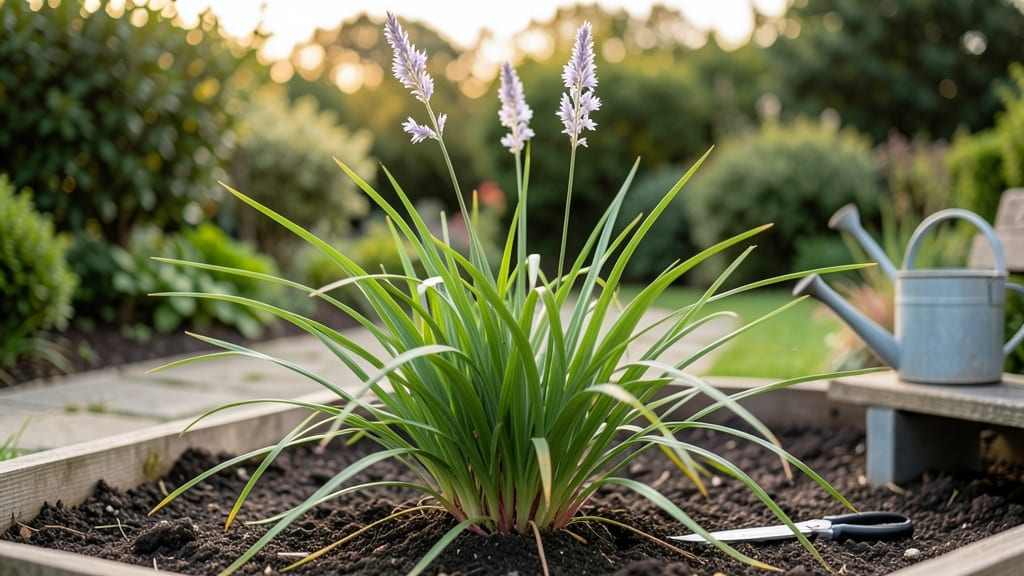
Growing lemon grass flowers in cool climates feels like bringing a tropical vacation home—those delicate, fragrant blooms thrive where most people think they can't. ✨ I've grown it in Zone 5 for years, and the secret isn't complicated: it's about mimicking its natural humidity and warmth with simple adjustments.
The first time I saw those pale purple flowers open in July, I knew I'd cracked the code for cool-weather gardeners.
You'll need a spot with morning sun and afternoon shade, well-draining soil mixed with compost, and consistent moisture—think of it as a houseplant that lives outside. The plants grow 3-4 feet tall, so give them space, and don't let the soil dry out completely.
With the right care, you'll get those signature lemon-scented flowers by mid-summer, even in places that freeze in winter.
Once established, lemon grass becomes a low-maintenance workhorse—harvest the fragrant leaves anytime, and the flowers attract pollinators while adding a dreamy texture to bouquets. The scent alone makes it worth growing, but the adaptability in cooler climates?
That's the real game-changer for gardeners who love tropical flavors without the heat.
Perfect for containers, garden beds, or even as a fragrant hedge—just avoid heavy frosts. Here's how to get started without the usual tropical growing headaches.
📚 In This Guide
- What you need
- Instructions
- Tips and common mistakes
- Wrapping up and next steps
What you need
- ● Lemon grass flower seeds or young plants: 3–5 plants (ensure they’re Cymbopogon nardus or Cymbopogon citratus varieties for best fragrance).
- ● Well-draining potting mix: 1–2 bags (5–10 lbs each). Opt for a blend with perlite or coconut coir for aeration.
- ● Containers or garden bed: Containers: 3–5 pots (12–16 inches deep) with drainage holes.
- ● Garden bed: Full sun exposure (6+ hours/day) and loose, sandy soil (pH 6.0–7.5).
- ● Organic fertilizer: 1–2 cups of compost or a balanced 10-10-10 fertilizer (for established plants).
- ● Watering can or hose with nozzle: For gentle, deep watering (avoid soggy roots!).
- ● Pruning shears: Sharp, sterilized pair for trimming dead foliage or harvesting.
- ● Mulch: Straw or pine needles to retain moisture and suppress weeds.
- ● Grow lights: If starting indoors (LED full-spectrum bulbs work best).
- ● Fragrance diffuser or sachets: To enjoy the citrusy aroma indoors while your plants mature!
- ● Journal or app: Track growth stages, watering schedules, and blooming progress.
Step-by-Step instructions for cultivating lemon grass flower in cool climates
Here’s how to coax this fragrant tropical into your garden—even when temperatures dip.
🌱 Step 1: Select and Prepare the Right Growing Medium
Lemon grass flowers (Cymbopogon citratus) thrive in well-draining, slightly acidic soil with a pH between 6.0 and 6.5. Mix 3 parts potting mix with 1 part perlite or coarse sand to improve aeration and prevent root rot. Avoid garden soil—it compacts too easily and holds excess moisture, which this tropical plant despises.
Fill your container (at least 12 inches deep for mature plants) with this blend, leaving 1 inch of space at the top for watering. Press the mix down lightly with your fingers—it should feel loose but stable, like a well-fluffed pillow. If you’re planting outdoors in cooler zones, add a 2-inch layer of compost to retain warmth and nutrients.
☀️ Step 2: Position for Maximum Light and Shelter
Lemon grass flowers demand full sun (6-8 hours daily), but in cooler climates, they’ll appreciate afternoon shade during heatwaves. Place your container in a spot that gets morning sun and filtered light in the afternoon, or use a frost cloth to protect young plants from sudden temperature drops below 50°F. If growing indoors, position near a south-facing window or under a grow light (12-14 hours/day).
Here’s the thing—lemon grass flowers wilt dramatically when thirsty, but they also rot if overwatered. If your climate has chilly nights, group containers together to create a microclimate that retains warmth. Watch for yellowing leaves—this signals either overwatering or cold stress, not nutrient deficiency.
💧 Step 3: Water Strategically to Mimic Tropical Rain
Water deeply once a week, soaking the soil until water drains freely from the bottom. Lemon grass flowers store moisture in their rhizomes, so they prefer dry spells between waterings over constant dampness. Stick your finger 2 inches into the soil—if it feels dry, it’s time to water. In cooler climates, reduce frequency to every 10 days in winter, as evaporation slows.
Never let the plant sit in standing water—this is the fastest way to invite fungal diseases like root rot. If your container lacks drainage holes, add a 1-inch layer of gravel at the bottom before filling with soil. Mulch the surface with ½ inch of straw to lock in moisture and insulate roots from temperature swings.
✂️ Step 4: Prune for Bushier Growth and Fragrance
Trim back one-third of the tallest stems in early spring to encourage bushier, more aromatic growth. Use clean, sharp scissors to cut just above a leaf node (the bump where leaves attach). Avoid shearing—this stresses the plant and reduces fragrance. Harvest stems for culinary or floral use by snipping 3-4 inches above the base, leaving at least 6 inches of growth to sustain the plant.
Deadhead spent flower stalks (if they appear) by pinching them off at the base. This redirects energy to leaf and rhizome growth, which is where the lemony scent originates. If your plant develops thin, pale stems, it’s begging for more light—move it closer to the sun or supplement with a grow light.
🪴 Step 5: Overwinter with Protection
In zones colder than USDA 9, treat lemon grass flowers as annuals or bring containers indoors before first frost. Choose a bright, cool spot (60-65°F) with humidity levels above 50%—a greenhouse or sunroom works best. Reduce watering to every 2-3 weeks and avoid fertilizing until spring. If you’re keeping it outdoors, wrap the container in bubble wrap and cover with a thick frost cloth to shield roots from freezing.
Real talk: Lemon grass flowers are finicky about cold snaps, but with these adjustments, you’ll coax them through winter. Watch for brown leaf tips—this is normal in dry indoor air, but if the entire plant wilts, it’s time to adjust humidity with a pebble tray or misting routine. Spring is when they rebound fastest, so don’t give up!
Tips & tricks for cultivating lemon grass flowers in cool climates
Common pitfalls—and how to sidestep every one when growing this tropical beauty in cooler zones.
Soil Science: The 3:1 ratio of potting mix to perlite or sand in Step 1 isn't just about drainage—it mimics the airy, nutrient-rich soil of tropical forests. To test your mix, grab a handful: if it crumbles easily when dry but holds shape when moist, you’ve nailed the texture. For extra insurance, add a handful of worm castings to the blend—they boost microbial activity that helps roots absorb moisture efficiently.
Light Strategy: In Step 2, when positioning your plants for that critical 6-8 hours of sun, remember that morning light is more intense than afternoon in cooler climates. Rotate containers every few days to ensure even exposure—this prevents lopsided growth where stems lean toward the light source. If you notice leaves turning pale yellow, it’s a sign they’re getting too much direct afternoon sun; move them slightly further back.
Watering Wisdom: The "2-inch soil check" in Step 3 is your golden rule, but here’s the thing: lemon grass flowers hate wet feet. If your container lacks drainage holes, add a 1-inch layer of gravel at the bottom before filling with soil. This creates a buffer zone that prevents water from pooling at the roots. In winter, when you reduce watering to every 10 days, check the soil at the 2-inch mark—it should feel bone-dry, not just slightly moist.
Pruning Precision: When trimming back one-third of the tallest stems in Step 4, focus on the upper third where new growth emerges. This encourages bushier growth from lower nodes while preserving the plant’s energy reserves. For harvesting, always leave at least 6 inches of growth—this ensures the rhizomes continue producing new shoots. If you’re using stems for culinary purposes, harvest just before flowering for maximum lemony fragrance.
Pro Tips for Lemon Grass Flower
- Common pitfalls—and how to sidestep every one when growing this tropical beauty in cooler zones.
- Soil Science: The 3:1 ratio of potting mix to perlite or sand in Step 1 isn't just about drainage—it mimics the airy, nutrient-rich soil of tropical forests.
- Light Strategy: In Step 2, when positioning your plants for that critical 6-8 hours of sun, remember that morning light is more intense than afternoon in cooler climates.
Frequently asked questions
Got questions about growing lemon grass flowers? You’re not alone! Here are some common concerns—and their answers—to help you cultivate this fragrant beauty with confidence.
Can lemon grass flowers thrive in cooler climates?
Yes! While they’re tropical, lemon grass (Cymbopogon spp.) grows well in USDA Zones 9-11 with protection. In cooler areas, plant them in containers and bring them indoors before frost. Use black plastic mulch or a greenhouse to extend the season. Choose Cymbopogon nardus (citronella) for hardier varieties.
How long does it take for lemon grass to flower?
Lemon grass typically flowers in 6–12 months from planting, depending on conditions. Sunlight, warmth, and well-draining soil speed up growth. If your plant isn’t flowering, check for overcrowding or nutrient deficiencies (add compost or a balanced fertilizer). Note: Some varieties (like Cymbopogon flexuosus) may produce scented leaves instead of showy flowers.
Do lemon grass flowers smell like lemons?
No—the leaves and stems release that iconic citrusy aroma when crushed. The flowers (small, plume-like clusters) are usually white, pink, or purple and have a mild, sweet fragrance, not lemony. The scent comes from citral oils in the foliage, not the blooms. Save the flowers for dried arrangements or culinary garnishes!
What can I do if my lemon grass turns yellow or dies back?
Yellowing leaves often signal overwatering, poor drainage, or cold stress. Troubleshoot:
- Check soil moisture: Lemon grass hates soggy roots—water only when the top 1–2 inches are dry.
- Ensure full sun: At least 6–8 hours/day; partial shade can weaken growth.
- Fertilize lightly: Use a balanced 10-10-10 fertilizer every 2 months.
- Protect from frost: Move pots indoors or cover with burlap if temps drop below 50°F (10°C).
Can I grow lemon grass indoors?
Place your pot near a south- or west-facing window (or under grow lights for 12+ hours/day). Use a well-draining mix (cactus soil + perlite) and a 6-inch pot (minimum). Mist leaves occasionally to boost humidity, and rotate the pot weekly for even growth. Expect slower growth indoors—harvest leaves sparingly to avoid stressing the plant.
Wrapping up and next steps
Growing lemon grass flower—or Cymbopogon—is a rewarding way to bring tropical charm to your garden, even in cooler climates! With the right care, these fragrant stalks will thrive, offering both beauty and a zesty aroma.
Whether you’re a seasoned gardener or just starting, this guide gives you everything you need to cultivate success.
Ready to turn your outdoor space into a fragrant paradise? Start small—plant a few stalks in a sunny spot, and watch them grow! 🌱 For extra inspiration, explore creative uses for your harvest, like homemade teas or natural pest repellents. Happy gardening!