
Planting
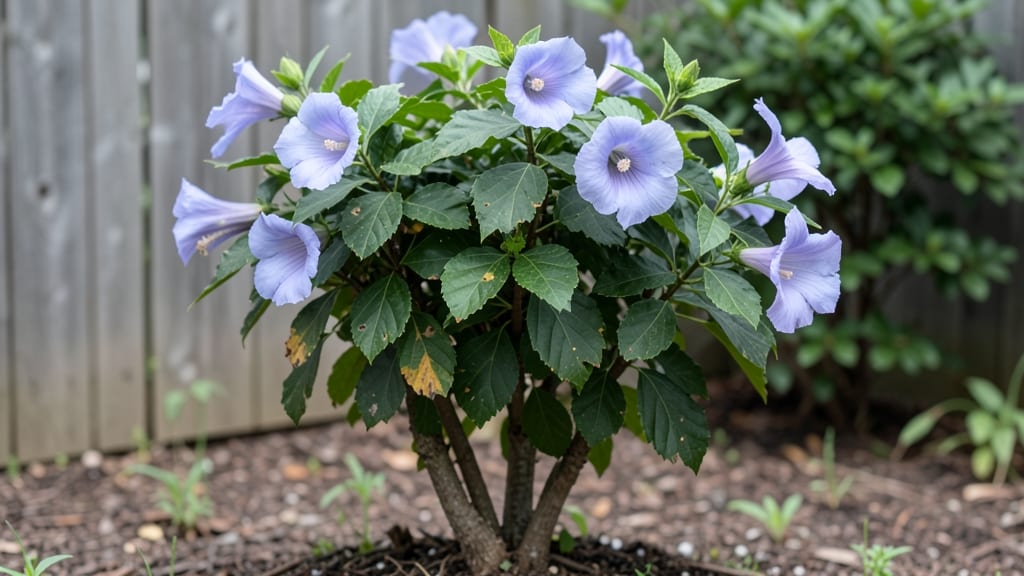
Nothing transforms a Pacific Northwest garden like a towering large flowering plant standing sentinel through all four seasons. 🌿 I still remember the first time I planted a 10-foot-tall hibiscus near my patio—it became the centerpiece, its velvety blooms turning heads even in drizzly summers.
These plants aren’t just pretty; they’re the bold statements that make your landscape unforgettable.
The best part? They work year-round here, from spring’s first canna blooms to winter’s frost-kissed seed heads. Think sunflowers reaching for the sky, roses spilling over trellises, or ornamental grasses swaying like living sculptures.
They thrive in our mild summers and damp winters, needing only good drainage and a spot where they can stretch their roots without competition.
You’ll end up with a garden that feels like a living painting—deep jewel tones against lush greenery, textures that invite touch, and heights that frame your home. These plants don’t just fill space; they create drama, turning ordinary yards into showstoppers that neighbors envy.
The key is choosing varieties that match your space and light conditions.
Whether you’re framing a doorway, softening a fence line, or adding vertical interest to a small yard, large flowering plants deliver instant impact. Start with one standout variety, then build around it—your garden’s personality will bloom right along with them.
📚 In This Guide
- What you need
- Instructions
- Tips and common mistakes
- Wrapping up and next steps
What you need
- ● Large flowering plants: Choose 3–5 mature plants (e.g., Rhododendrons, Camellias, Magnolias, or Hydrangeas) sized 3–5 gallons or larger. Opt for PNW-native or cold-hardy varieties (Zones 7–9).
- ● High-quality potting soil: 5–10 bags (2–3 cubic feet each) of well-draining, acidic soil mix (pH 5.0–6.5). Avoid garden soil—it compacts and suffocates roots!
- ● Container or in-ground space: Containers: 15–25 gallon pots (minimum 18" diameter) with drainage holes. Use fiberglass or heavy-duty plastic for durability.
- ● In-ground: Dig holes 2x wider and deeper than the root ball. Amend soil with compost if native soil is clay-heavy.
- ● Organic fertilizer: Slow-release granules (e.g., Osmocote) or liquid feed (e.g., Fish emulsion) for acidic-loving plants.
- ● Mulch: 2–3 bags of pine bark fines or cedar chips (3–4" layer) to retain moisture and suppress weeds.
- ● Garden tools: Trowel or spade (for transplanting)
- ● Garden gloves (to protect from thorns/prickles)
- ● Pruners (sterilized, sharp)
- ● Watering can or hose with soaker nozzle (gentle watering prevents root damage).
- ○ Optional (but helpful!): pH test kit (to monitor soil acidity)
- ● Container saucers (for pots, to catch runoff)
- ● Stakes or cages (for tall plants like Hydrangeas)
- ● Drip irrigation system (for automated watering in dry spells)
- ● Prerequisites: Full or partial sun exposure (6+ hours/day for most large flowers).
- ● Access to soft, filtered water (chlorine-free if using containers).
- ● Patience! Large plants take 1–2 years to establish and bloom fully.
Step-by-Step guide for planting and caring for large flowering plants in the Pacific Northwest
Here's how to create a dramatic, year-round display with bold foliage and blooms.
🌱 Step 1: Select and Prepare the Planting Site
Large flowering plants thrive in well-draining soil with 6+ hours of sunlight daily—critical for the Pacific Northwest's damp climate. Choose a spot with partial shade protection if your area gets heavy afternoon rain, especially for tropical varieties like hibiscus or cannas. I always test drainage by digging a 12-inch hole and filling it with water; if it doesn't drain within 30 minutes, amend the soil with 3 inches of compost and 1 inch of perlite to improve aeration.
For container plantings, select large pots (18+ inches in diameter) with drainage holes. The extra volume prevents root-bound stress, which large flowering plants like dahlias or hydrangeas hate. Here's the thing—container plants dry out faster in coastal PNW climates, so plan for 10-15% larger pots than recommended to compensate for humidity.
🪴 Step 2: Plant with Proper Spacing and Support
Dig holes twice as wide as the root ball but only as deep—planting too deeply suffocates roots. Gently loosen the root ball if it's tightly packed, then place the plant in the hole and backfill with native soil mixed with 2 cups of slow-release fertilizer. For 4 plants, you'll need about 1 cubic yard of amended soil total. Tap the soil lightly around the base to remove air pockets, then water deeply to settle everything.
Large flowering plants often need staking or cages at planting. I install 5-6 foot bamboo stakes for tall varieties like delphiniums and secure them with fabric strips (not wire—it cuts stems). For bushy plants like peonies, use ornamental grates that blend into the landscape. The key is preventing wind damage—PNW storms can snap stems before they establish.
☀️ Step 3: Water and Feed for Year-Round Blooms
Water deeply twice weekly during the first 30 days to encourage root spread, then taper to once weekly once established. Check soil moisture by sticking your finger 3 inches deep—if it feels dry, water. In the PNW's mild winters, reduce watering by 50% but never let the soil dry completely. Overwatering in winter leads to root rot, especially for moisture-sensitive plants like lavender.
Feed with a balanced 10-10-10 fertilizer every 6 weeks during growing season (April-October), then switch to a low-nitrogen, high-phosphorus formula (5-10-10) in late summer to promote fall blooms. I always top-dress with 1 inch of compost in early spring—this feeds roots gradually without burning foliage. Here's what I've learned: Over-fertilizing in winter causes weak, leggy growth that flops in summer storms.
✂️ Step 4: Prune and Maintain for Health and Shape
Deadhead spent blooms weekly to encourage continuous flowering. For 4 plants, this means 5-10 minutes of maintenance per week—grab a pair of sharp bypass pruners and snip just above a leaf node. I always sterilize tools with rubbing alcohol between cuts to prevent disease spread, especially in the PNW's damp conditions. Prune back one-third of the plant in early spring to stimulate new growth, but never cut into old wood—it won't regrow.
In late fall, cut back perennials to 6 inches above ground level. For tropical plants like cannas, dig up tubers and store them in dry peat moss over winter. Mulch remaining perennials with 3 inches of shredded bark to protect roots from freeze-thaw cycles. Here's the moment that matters: Never prune in fall if you're unsure about frost dates—wait until after the last frost in your zone to avoid killing new growth.
Tips & tricks for stunning large flowering plants in the Pacific Northwest
These insider tricks will help you create a thriving, year-round garden that stands out in the PNW's unique climate.
Soil Test First: Before amending your soil, conduct a simple pH test—large flowering plants like hydrangeas and dahlias prefer 6.0-6.5. If your soil tests too acidic, mix in 1 cup of lime per square foot and re-test after 6 weeks. I learned this the hard way after struggling with yellowing leaves on my peonies—turns out my soil was too acidic for their liking. The 30-minute drainage test in Step 1 is your best friend for preventing root rot in our famously damp climate.
Container Hack: For those 18-inch pots, add a layer of 2-inch gravel at the bottom before planting. This creates a built-in drainage reservoir that keeps roots happy even during our frequent coastal rains. I also recommend using pots with self-watering reservoirs—they're worth the investment for maintaining consistent moisture without overwatering. Remember, container plants dry out faster in our humid summers, so check soil moisture daily during heatwaves.
Fertilizer Timing: That 10-10-10 fertilizer every 6 weeks during growing season is non-negotiable, but here's what nobody tells you—always apply it in the early morning. This prevents leaf burn from the sun's intensity, especially important in our bright PNW summers. For the 5-10-10 formula in late summer, I mix it with water and apply it directly to the soil, avoiding contact with leaves to prevent potential damage.
Storm-Proofing: In Step 2, when installing those 5-6 foot bamboo stakes, bury them 1/3 of their length into the soil for maximum stability. For wind-prone coastal areas, I also recommend adding a second stake at a 45-degree angle to create an "X" support system. This prevents the classic PNW storm damage where plants snap at the base. For bushy varieties, consider plastic tree guards instead of ornamental grates—they're more flexible and better at breaking wind.
Pro Tips for Large Flowering Plant
- These insider tricks will help you create a thriving, year-round garden that stands out in the PNW's unique climate.
- Soil Test First: Before amending your soil, conduct a simple pH test—large flowering plants like hydrangeas and dahlias prefer 6.0-6.5.
- Container Hack: For those 18-inch pots, add a layer of 2-inch gravel at the bottom before planting.
Frequently asked questions
Got questions about adding large flowering plants to your Pacific Northwest garden?
You’re not alone! Here are answers to the most common queries to help you create a stunning, year-round display with confidence.
What are the best large flowering plants for year-round color in the PNW?
The Pacific Northwest’s mild, wet climate favors Rhododendrons, Camellias, Pieris, and Hydrangeas for vibrant blooms in spring, summer, and even winter. Evergreens like Magnolias and Azaleas also thrive, offering lush foliage and seasonal flowers. For bold winter interest, consider Hellebores or Winter Daphnes.
When is the best time to plant large flowering plants in the PNW?
The ideal window is early fall (September–October) or early spring (March–April). Fall planting gives roots time to establish before winter, while spring planting avoids frost stress. Avoid planting in summer heat or deep winter, as extreme temperatures can shock delicate roots.
How often should I water large flowering plants after planting?
Water deeply 2–3 times per week for the first month, then taper to once a week (or more in drought). Mulch heavily (3–4 inches) to retain moisture and protect roots. Overwatering can suffocate roots, so ensure soil drains well—amend clay-heavy PNW soil with compost if needed.
Can I grow large flowering plants in containers, or do they need in-ground planting?
Many large flowering plants can thrive in containers if given adequate space, drainage, and nutrients. Choose Camellias, Hydrangeas, or Dwarf Rhododendrons for pots (minimum 15–20 gallon size). Use well-draining potting mix and fertilize monthly during growing season. Containers dry out faster, so monitor soil moisture closely.
What pests or diseases should I watch for in PNW large flowering plants?
Common issues include:
- Root rot (from overwatering or poor drainage)—fix by improving soil aeration.
- Spider mites or aphids (especially on Rhododendrons and Azaleas)—treat with neem oil or insecticidal soap.
- Fungal diseases (like Phytophthora) in wet climates—space plants for airflow and avoid overhead watering.
Regularly inspect leaves and stems, and prune affected areas promptly to prevent spread.
Wrapping up and next steps
Transforming your Pacific Northwest garden into a vibrant, year-round masterpiece is easier than you think!
Large flowering plants like Rhododendrons, Hydrangeas, and Dogwoods bring bold color, texture, and life—no matter the season. 🌸 Whether you're a seasoned gardener or just starting, these stunning plants thrive with the right care, and their rewards are unmatched.
Ready to take the next step? Start small—pick one standout plant to anchor your space, then expand as you gain confidence. Your garden’s future is bright, and every bloom is a celebration of nature’s artistry. Get planting! 🌿