
Flowers
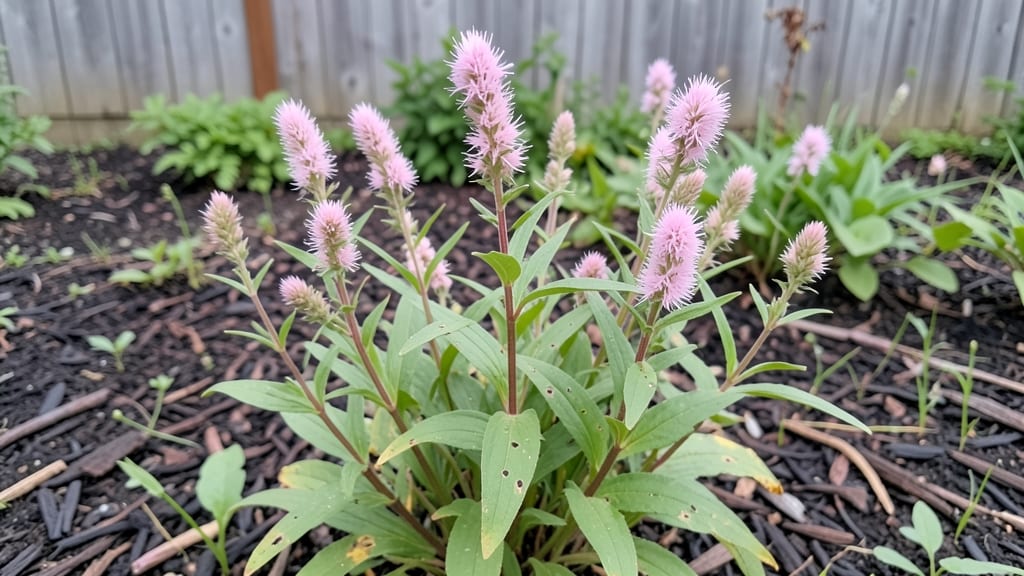
The pink flowers of knotweed—like Persicaria affinis—are stealing hearts in Pacific Northwest gardens, and I can’t blame you for wanting a piece of that charm. These hardy perennials thrive where frost lingers, blooming from summer into fall with delicate pink plumes that hum with pollinators.
The secret? Their effortless resilience and striking vertical form, which turns even the dullest border into a showstopper.
Pair them with silver foliage like lamb’s ear or deep purple salvias to make those pink blooms pop. They’re perfect for cottage-style gardens, containers, or even as a dramatic backdrop for roses.
The best part? They handle shade better than most flowers, so they’ll shine even in those shady corners where others fail. Think of them as the low-maintenance divas of the garden.
Once established, these plants spread gracefully, creating lush swaths of color that last well past summer. The seed heads add winter interest, too—dried plumes catch the light like frost-kissed lace.
For maximum impact, plant them in odd-numbered clusters (threes or fives) to draw the eye naturally. Your garden will feel like a postcard from a cozy PNW afternoon.
They’re foolproof for beginners but sophisticated enough to elevate any design. Try mixing them with golden rod for a fiery contrast or white asters for a soft, romantic look. The possibilities are endless, and the results? Pure, effortless beauty that keeps giving all season long.
📚 In This Guide
- What you need
- Instructions
- Tips and common mistakes
- Wrapping up and next steps
What you need
- ● Knotweed seeds or plants: Seeds: 1–2 packets (50–100 seeds per packet) for direct sowing.
- ● Plants: 3–5 mature plants (4"–6" pots) for transplanting.
- ● Well-draining soil: Mix 50% native soil with 50% compost or potting mix (avoid heavy clay).
- ● Sunlight access: Full sun to partial shade (6+ hours of sunlight daily).
- ● Watering can or hose: With a gentle spray nozzle for moisture control.
- ○ Garden gloves: To protect hands from prickly stems (optional but recommended!).
- ● Garden trowel or shovel: For digging holes (6" deep for transplants).
- ● Mulch (straw or wood chips): 2–3 inches to retain moisture and suppress weeds.
- ● Pruning shears: For trimming dead stems post-flowering.
- ● Fertilizer (low-nitrogen): Balanced 10-10-10 or compost tea (apply sparingly).
- ● Pollinator-friendly companions: Native grasses or wildflowers (e.g., yarrow or bee balm) to attract butterflies and bees.
How to cultivate knotweed for stunning pink blooms in the Pacific Northwest
This hardy perennial thrives in our region's damp climate—here's how to coax vibrant pink flowers from its resilient stems.
Select the Right Knotweed Variety for Your Site
Choose Persicaria affinis or Persicaria polymorpha for their reliable pink plumes, which appear from mid-summer through fall. Both varieties tolerate USDA zones 3-9, making them perfect for the Pacific Northwest's cool, wet winters. I always opt for nursery-grown plants rather than wild collections—this ensures disease-free stock and predictable flowering.
Look for established plants with multiple healthy stems and no signs of powdery mildew or rust. The roots should be dense and fibrous, not mushy or rotting. If starting from seed, expect flowers in two years—much slower than transplanting mature plants. For immediate impact, select 1-gallon containers with well-developed root systems.
Prepare the Planting Site for Moisture and Sun
Knotweed thrives in partial shade to full sun, but in the Pacific Northwest's hotter inland areas, morning sun with afternoon shade prevents leaf scorch. I test soil moisture by digging a 6-inch hole—if water pools at the bottom, your site is too soggy. Amend heavy clay with 2-3 inches of compost to improve drainage without sacrificing moisture retention.
Spread 4-6 inches of mulch (wood chips or straw) around the base to suppress weeds and retain humidity. This is critical in our region's dry summers—mulch mimics the forest floor where wild knotweed naturally grows. Water deeply after planting to settle the roots, then let the soil dry slightly before watering again. Overwatering now can drown the tender new roots.
Plant and Stake for Wind Resistance
Dig a hole twice as wide as the root ball but only as deep—knotweed roots should sit at the same level as they did in the nursery. Gently tease apart any circling roots to encourage outward growth. Place the plant in the hole and backfill with native soil, pressing firmly to eliminate air pockets. A 1-inch layer of compost mixed into the backfill gives a nutrient boost without overwhelming the plant.
Stake tall varieties immediately with 3-foot bamboo stakes tied loosely to the stems. Pacific Northwest winds can flatten new growth, and knotweed's upright habit makes it prone to flopping. Use soft plant ties or strips of old fabric—wire or plastic ties cut into stems as they thicken. Water thoroughly after staking to help the roots establish contact with the amended soil.
Maintain Through the Growing Season
Water once weekly during the first growing season, increasing to twice weekly during dry spells. You'll know it's time when the top 2 inches of soil feel dry to the touch. Knotweed's deep roots make it drought-tolerant once established, but young plants need consistent moisture to develop strong stems before winter.
Deadhead spent flower spikes in early fall to redirect the plant's energy into root development rather than seed production. I use clean pruners to cut back one-third of the oldest stems in late summer, which encourages fresh growth and prevents the center from becoming woody. Fertilize lightly in spring with balanced 10-10-10—too much nitrogen produces leafy growth at the expense of flowers.
Winter Care for Frost Resilience
Knotweed's true superpower is its zone 3 hardiness, but Pacific Northwest winters still demand preparation. Cut back all stems to 6 inches in late fall, leaving the basal rosettes intact. The remaining growth insulates the crown from freezing temperatures while allowing snow to accumulate for natural watering.
Mulch heavily with 4-6 inches of straw or leaves before the first hard freeze. This protects the roots from temperature fluctuations that can cause heaving. In spring, remove the mulch once new shoots appear—usually by mid-April in most of the PNW. The plants will reward you with pink flower spikes emerging by early July, just in time for pollinators.
Tips & tricks for perfect knotweed pink blooms
Here's what I've learned from years of growing these stunning pollinator magnets in our damp Pacific Northwest climate—details that make all the difference between modest stems and showstopping pink plumes.
Variety Matters: While both Persicaria affinis and Persicaria polymorpha produce pink flowers, affinis tends to have slightly taller, more dramatic spikes that stand out in garden borders. If you're planting near water features, polymorpha often handles occasional flooding better due to its natural wetland origins. I've found that nursery-grown plants from reputable sources flower more reliably in their first year compared to wild-collected specimens.
Soil Preparation Secret: The 2-3 inches of compost recommendation in Step 2 is non-negotiable for our region's heavy clay soils. I always mix in a handful of mycorrhizal fungi (available at garden centers) with the compost—this helps the roots establish symbiotic relationships that improve nutrient uptake. For particularly soggy sites, consider creating a raised bed with equal parts native soil, compost, and perlite to prevent root rot while maintaining moisture.
Staking Strategy: When staking in Step 3, position the bamboo stakes at a 45-degree angle rather than straight up. This creates a more stable triangle support system that better withstands Pacific Northwest's gusty winds. I also recommend using three stakes per plant for varieties over 3 feet tall—one at each corner of the plant's growth triangle. This prevents the stems from leaning into the wind and potentially snapping during summer storms.
Watering Wisdom: The "top 2 inches dry" test in Step 4 works perfectly, but I've found an even better indicator: lift the mulch slightly and check the soil color. When it's a light tan rather than dark brown, it's time to water. This method accounts for the varying moisture retention of different mulch types. For container-grown knotweed, I water until 20% of the water runs out the drainage holes—this ensures thorough hydration without waterlogging.
Pro Tips for Knotweed Pink Flowers
- Here's what I've learned from years of growing these stunning pollinator magnets in our damp Pacific Northwest climate—details that make all the difference between modest stems and showstopping pink plumes.
- Variety Matters: While both Persicaria affinis and Persicaria polymorpha produce pink flowers, affinis tends to have slightly taller, more dramatic spikes that stand out in garden borders.
- Soil Preparation Secret: The 2-3 inches of compost recommendation in Step 2 is non-negotiable for our region's heavy clay soils.
Frequently asked questions
Got questions about knotweed's stunning pink blooms?
You’re not alone! Here are answers to the most common inquiries—from planting tips to troubleshooting—so you can enjoy this hardy Pacific Northwest favorite with confidence.
When do pink knotweed flowers bloom, and how long do they last?
Pink knotweed (Persicaria affinis) typically blooms from mid-to-late summer (July–August), with flowers lasting 4–6 weeks under ideal conditions. In cooler PNW climates, expect a slightly shorter display, but the frost-resistant foliage adds winter interest. Deadheading spent blooms can encourage a second, smaller flush in fall.
Is pink knotweed invasive? Should I avoid planting it?
While some knotweeds (like Japanese knotweed) are notorious invasives, Persicaria affinis is a non-invasive ornamental variety bred for gardens. It’s sterile (won’t spread aggressively) and thrives in moist, well-drained soils—perfect for rain gardens or pond edges. Always check local regulations, but this pink beauty is generally safe for landscapes!
What’s the best way to propagate pink knotweed?
Propagation is easiest via stem cuttings in early summer:
- Snip 4–6-inch healthy stems just below a node.
- Remove lower leaves and dip in rooting hormone (optional).
- Plant in moist potting mix and keep shaded until roots form (4–6 weeks).
Why aren’t my knotweed flowers pink? Are they dying?
Pink knotweed may revert to green or white if:
- Poor light: Needs full sun to partial shade (6+ hours of sun for best color).
- Overcrowding: Thin plants if growth is leggy or sparse.
- Nutrient deficiency: Amend soil with compost in early spring.
What plants pair well with pink knotweed in the garden?
This pollinator magnet thrives in moist, native-friendly gardens. Pair it with:
- Orchards (drought-tolerant grasses for contrast).
- Heuchera (for foliage texture and color).
- Sedum or asters (to extend the bloom season).
- Ferns (like Matteuccia struthiopteris) for lush, shaded borders.
Wrapping up and next steps
Discovering the beauty and resilience of knotweed pink flowers in the Pacific Northwest is a gift for gardeners and pollinators alike! These hardy plants thrive in frost, attract essential pollinators, and add a pop of color to your landscape—proving that stunning blooms don’t require perfect conditions.
Whether you’re tackling invasive species or simply admiring nature’s tenacity, this flower is a must-try for eco-conscious gardeners.
Ready to transform your outdoor space? Start small—plant a few knotweed varieties this season and watch your garden buzz with life! 🌸🐝 Explore more frost-resistant flowers to keep your yard vibrant year-round.