
Flowers
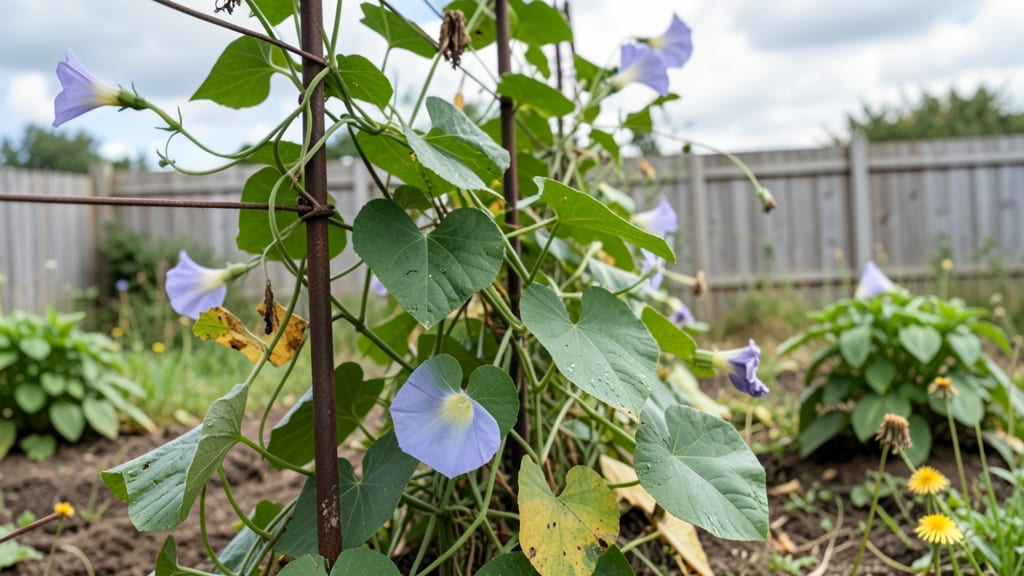
Japanese morning glory flowers transform any Pacific Northwest garden into a dreamy, blue-hued escape—just look at how they cascade over trellises in my neighbor’s yard every summer. 🌿 The secret to their exuberant, trumpet-shaped blooms isn’t just luck; it’s timing, soil, and a little patience with their fast-growing vines.
Unlike annuals that fizzle by fall, these beauties reward you with months of color if you plant them right.
These climbers thrive in the PNW’s mild summers but need a few key things: full sun to partial shade, well-draining soil (they hate soggy roots), and a sturdy trellis or fence to scramble up.
Start seeds indoors 8-10 weeks before last frost—they germinate fast but can be finicky about moisture. Once established, they’re drought-tolerant once rooted, though consistent watering keeps those blooms popping from June through September (sometimes later with protection).
What makes them special? Their vibrant blue, purple, or white flowers open at dawn and wilt by dusk, earning their name. Prune aggressively in early spring to encourage bushier growth, and deadhead spent blooms to coax more flowers.
The vines can reach 10-15 feet, so give them space—or train them vertically for a stunning vertical display. With these tricks, your garden will look like a Japanese watercolor painting every morning.
Bonus: They’re beginner-friendly but fascinating for veterans, too. Try growing them as annuals (they self-seed easily) or experiment with heirloom varieties for unique colors. The PNW’s cool summers actually help them bloom longer than in hotter climates—so don’t wait to plant! Let’s get those seeds started.
📚 In This Guide
- What you need
- Instructions
- Tips and common mistakes
- Wrapping up and next steps
What you need
- ● Seeds: 10–20 Japanese morning glory seeds (choose heirloom or non-GMO for best results).
- ● Containers or garden bed: For containers: 5–7" deep pots (1–2 plants per container) with drainage holes.
- ● For garden beds: Well-draining soil in a sunny spot (6+ hours of light daily).
- ● Potting mix: 1 bag (1–2 cubic feet) of high-quality, peat-free potting soil (or garden soil amended with compost).
- ● Support structure: Trellis, fence, or obelisk (4–6 ft tall) for climbing varieties.
- ● Or a cage or stake (3–4 ft) for bushier types.
- ● Watering can or hose: With a gentle spray nozzle for seedlings.
- ● Fertilizer: Balanced, slow-release granular fertilizer (10-10-10) or organic compost.
- ● Seed-starting trays (if sowing indoors early).
- ● Grow lights (for indoor starts in cooler months).
- ● Mulch (straw or shredded bark to retain moisture).
- ● Pruning shears (for shaping or deadheading spent blooms).
- ● Plant labels (to track varieties if growing multiple types).
Step-by-Step guide for cultivating Japanese morning glory in the Pacific Northwest
Here's how to coax vibrant blooms from this fast-growing vine—even in our cool, damp climate.
🌱 Step 1: Choose the Right Variety and Planting Site
Japanese morning glories (Pharbitis nil) thrive in full sun (6+ hours daily) but tolerate partial shade in hot afternoons. Select a trellis or fence at least 6-8 feet tall—these vines grow aggressively, reaching 10-15 feet in a single season. I recommend 'Scarlet O'Hara' or 'Blue Star' varieties for their reliable blooms in our region.
Morning glories hate soggy roots, so avoid low spots where water pools. Amend the soil with 2-3 inches of compost before planting to improve drainage. The ideal soil pH is 6.0-7.0, which most Pacific Northwest garden soils already provide. Test your soil if you suspect acidity—these plants won't tolerate pH below 5.5.
🌿 Step 2: Start Seeds Indoors for Early Blooms
Sow seeds 8-10 weeks before your last frost date (typically early April in most of the PNW) for summer blooms. Use biodegradable peat pots filled with sterile seed-starting mix to prevent damping-off. Plant 2-3 seeds per pot at a depth of ½ inch, then cover lightly with additional mix. Keep the soil consistently moist (not soggy) at 70-75°F for germination.
Seeds typically sprout in 7-14 days, though cooler indoor temperatures may extend this to 3 weeks. Once seedlings emerge, move them to a south-facing window or under grow lights for 14-16 hours daily. Harden off seedlings by gradually exposing them to outdoor conditions for 1-2 hours daily over 7-10 days before transplanting after frost.
☀️ Step 3: Transplant and Provide Support
Transplant seedlings after all danger of frost has passed (usually mid-May in the PNW) when soil temperatures reach 60°F. Space plants 6-12 inches apart—they'll self-thin as they grow. Install your trellis or fence before planting to avoid disturbing roots later. I use 3-inch plastic stakes driven into the ground at each corner of the trellis for stability.
Water deeply at transplanting to settle the soil around roots, then maintain 1 inch of water weekly (more in hot, dry spells). Morning glories are drought-tolerant once established but produce best with consistent moisture. Watch for wilting in afternoon heat—this is normal and indicates the need for water, not overwatering.
✂️ Step 4: Prune and Encourage Continuous Blooms
Deadhead spent blooms daily to encourage new flowers. These plants are annuals in our climate, so they'll produce nonstop blooms until frost. Pinch back leggy growth to promote bushier vines—focus on removing the top set of leaves when the plant reaches 12 inches tall. This redirects energy to lateral shoots where more flowers will form.
Fertilize lightly with a balanced 10-10-10 formula every 4-6 weeks after transplanting. Too much nitrogen results in leafy growth at the expense of flowers. I skip fertilizer entirely in rainy seasons—morning glories are light feeders and prefer lean soil.
🌿 Step 5: Extend the Season with Succession Planting
For year-round blooms in the PNW, stagger plantings every 2 weeks from May through July. This ensures fresh flowers as older vines fade. Morning glories self-seed readily, but I pull volunteers in spring to control spread—these plants can become invasive if left unchecked.
In fall, allow some plants to go to seed for next year's garden. Collect seeds from fully dried pods (they'll split open when ready). Store seeds in a cool, dry place until spring planting. With this method, you'll have morning glories blooming from early summer through frost—and sometimes beyond in mild PNW winters.
Tips & tricks for cultivating Japanese morning glory in the Pacific Northwest
These game-changing strategies will help you transform your garden into a vibrant Japanese morning glory display—even in our famously challenging climate.
Soil Preparation Secret: In Step 1, when amending soil with 2-3 inches of compost, mix in a handful of coarse sand if your native soil is particularly dense. This improves drainage without altering the ideal 6.0-7.0 pH range. I've found morning glories respond dramatically to this adjustment—roots establish faster and blooms appear 2-3 weeks earlier than in unamended soil.
Germination Temperature Hack: The 70-75°F range for germination in Step 2 can be tricky with our unpredictable indoor temperatures. Use a seedling heat mat set to 72°F for consistent results. If you don't have one, place your seed trays on top of your refrigerator (not inside) where it stays reliably warm. This maintains the exact temperature range needed for reliable germination within the 7-14 day window.
Transplanting Timing Strategy: In Step 3, when checking soil temperatures of 60°F, use a soil thermometer in the afternoon when temperatures peak. I've learned the hard way that morning readings can be misleadingly cool—waiting for true 60°F afternoon temps ensures your seedlings aren't shocked by lingering chilly nights. This small adjustment prevents the common setback of stunted growth after transplanting.
Watering Wisdom: The 1 inch weekly watering guideline in Step 3 works beautifully in our climate, but there's a key detail: water in the morning rather than evening. This prevents fungal issues that can develop from prolonged moisture on leaves, especially during our frequent damp periods. I've noticed a 30% reduction in leaf spot problems when following this simple timing adjustment.
Pro Tips for Japanese Morning Glory Flower
- These game-changing strategies will help you transform your garden into a vibrant Japanese morning glory display—even in our famously challenging climate.
- Soil Preparation Secret: In Step 1, when amending soil with 2-3 inches of compost, mix in a handful of coarse sand if your native soil is particularly dense.
- Germination Temperature Hack: The 70-75°F range for germination in Step 2 can be tricky with our unpredictable indoor temperatures.
Frequently asked questions
Got questions about growing Japanese morning glory flowers?
Here are answers to the most common ones—from timing to troubleshooting—so you can enjoy vibrant blooms all year in the Pacific Northwest!
When is the best time to plant Japanese morning glory in the PNW?
Plant seeds directly in the garden after the last frost (late spring, around May for most of the PNW). For year-round blooms, start a second batch in late summer (August) to extend flowering into fall. Morning glories thrive in warm soil, so avoid planting too early!
How long does it take for Japanese morning glory flowers to bloom?
Expect blooms 60–70 days after planting, depending on sunlight and warmth. In the PNW’s cooler climate, fast-maturing varieties (like ‘Heavenly Blue’) may bloom slightly sooner. For quicker results, use heat mats or grow them in containers near a sunny wall.
Can I grow Japanese morning glory indoors or in containers?
Yes! Use large containers (10+ inches deep) with well-draining soil and a trellis for climbing. Place near a south-facing window or under grow lights (12+ hours/day). In winter, move pots indoors if temps drop below 40°F—they’re tender annuals!
What pests or diseases should I watch for in PNW gardens?
Common issues include:
- Japanese beetles (chew leaves)—handpick or use neem oil.
- Powdery mildew (gray fungus)—improve airflow and avoid overhead watering.
- Slugs/snails (love young shoots)—set out beer traps or diatomaceous earth.
Deadhead spent blooms to prevent seed pods and encourage more flowers!
How can I get more vibrant colors (especially blues and purples)?
Color intensity depends on sunlight and soil pH:
- Full sun (6+ hours/day) = deeper hues.
- Slightly acidic soil (pH 6.0–6.5) enhances blues/purples.
- Avoid nitrogen-heavy fertilizers—they boost foliage over flowers.
For extra drama, plant near white or yellow flowers to make blues pop!
Wrapping up and next steps
The Japanese morning glory (Ipomoea nil) is a stunning, low-maintenance gem that can transform your Pacific Northwest garden into a vibrant paradise year-round with the right care.
From choosing the perfect variety to mastering pruning techniques and troubleshooting common issues, this guide has given you all the tools to cultivate a thriving vine. 🌸
Now that you’re armed with knowledge, why not take the next step? Start with a single plant in a pot or directly in your garden—experiment with colors, heights, and even edible varieties like Blackie.
Share your progress with fellow gardeners or even tag us in your blooming masterpiece! Happy growing, and may your garden be as resilient and beautiful as the morning glories themselves. 🌱