
Flowers
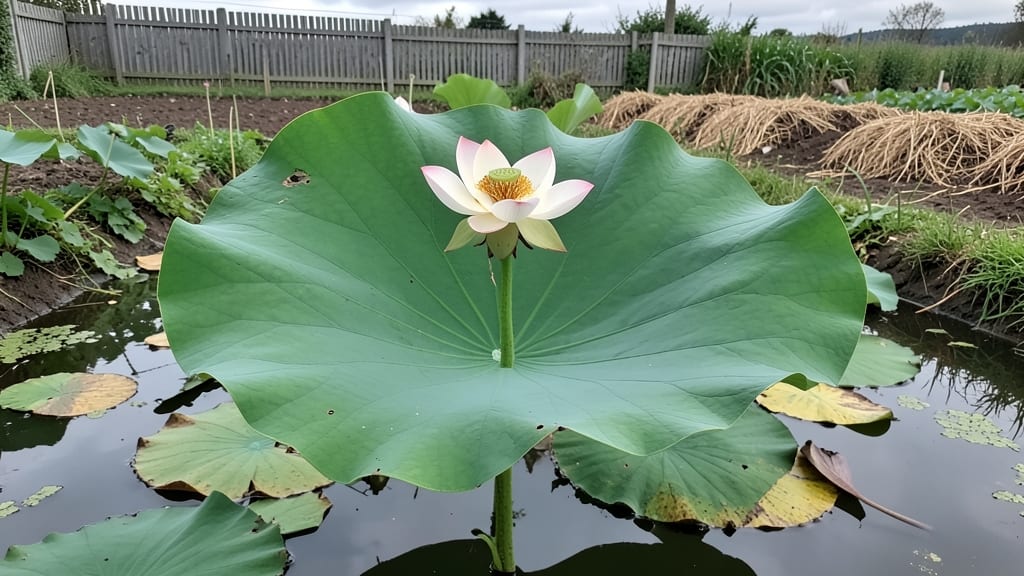
The lotus is absolutely a flower—one of nature’s most breathtaking and symbolic blooms. 🌿 Its delicate petals unfurl above water with a quiet grace that’s hard to match, and yes, those roots you might harvest are edible too.
What makes it special isn’t just its beauty but how it thrives in shallow ponds or containers with just a few hours of sunlight daily.
This aquatic plant grows from thick, underground stems called rhizomes, which anchor it in muddy soil while keeping the flower itself pristine and floating. You’ll find varieties with pink, white, or blue blooms, each opening fully by midday and closing by evening—a rhythm that feels almost magical.
The roots, often called lotus root or nelumbo, are crisp and slightly sweet when cooked.
Growing one in your garden adds a sense of serenity and ancient wisdom to any water feature. Imagine the contrast of its velvety petals against the green pads or the way it attracts hummingbirds at dawn.
Even in small spaces, a container lotus can create a focal point that feels both exotic and deeply calming.
Ready to bring this sacred beauty into your space? Start with a sunny spot, shallow water, and patience—these plants reward slow growth with dramatic results. For deeper dives, explore varieties like the pink Nelumbo nucifera or tips on designing a low-maintenance pond.
📚 In This Guide
- What you need
- Instructions
- Tips and common mistakes
- Wrapping up and next steps
What you need
- ● Lotus Seeds (Tuberous Rhizomes): 3–5 healthy rhizomes (ensure they’re disease-free and plump). Pro tip: 💡 Choose Nelumbo nucifera (Indian lotus) or Nelumbo lutea (American lotus) for best results.
- ● Large Container or Pond: For containers: A 20+ gallon pot with drainage holes, filled with 12–18 inches of pond soil or clay.
- ● For ponds: 3–5 feet of water depth (shallow for Nelumbo lutea, deeper for Nelumbo nucifera).
- ● Pond Soil or Aquatic Plant Fertilizer: Balanced (10-10-10) or slow-release (1–2 tbsp per planting).
- ● Sunlight: 6+ hours of direct sunlight daily (critical for blooming!).
- ○ Optional but Helpful: Floating plant fertilizer tablets (for nutrient boosts).
- ● Pond netting (to protect from pests like birds or fish).
- ● Water testing kit (to monitor pH—ideal range: 6.0–7.5).
- ● Fresh Lotus Rhizomes: Harvest after 2–3 years of growth (dig carefully with a garden trowel).
- ● Knife or Peeler: A sharp chef’s knife for slicing and a vegetable peeler for cleaning.
- ● Water & Vinegar: A bowl of cool water and white vinegar (1 tbsp per gallon) to soak roots (removes dirt and bitterness).
- ● Cooking Tools: Steamer or pot (for boiling/steaming).
- ● Oil (for stir-frying) or honey (for sweet dishes).
- ○ Optional: Dried lotus seeds (for teas or desserts).
- ● Food processor (for making lotus root powder).
- ● Books/Guides: The Lotus in Asian Art (for cultural insights).
- ● Growing Water Plants (by John and Stella Gilbert).
- ○ Art Supplies (Optional): Watercolors or ink (for painting lotus motifs).
- ● Gold leaf or metallic pens (for sacred art).
- ● Digital Tools: High-resolution photos of lotus flowers (for reference).
- ● Meditative music or apps (for mindfulness practices).
Understanding the lotus: how to grow and care for this sacred plant
Here's how to cultivate this aquatic wonder at home.
🌱 Step 1: Select the Right Variety and Location
Lotus plants (Nelumbo nucifera) thrive in calm, sun-drenched waters. Choose a hardy variety suited to your climate zone—tropical lotuses need USDA zones 7-11, while hardy types handle zones 4-9. Pick a pond, large container, or shallow water feature with at least 18 inches of water depth—this mimics their natural habitat in Southeast Asia.
Here's the thing—lotuses hate moving water. Install a small solar-powered fountain if needed, but keep flow minimal. The roots need stillness to establish. Test your spot by floating a leaf on the surface—if it stays put for 30 minutes, you're good. If not, find a calmer corner.
☀️ Step 2: Prepare the Planting Site
Fill your container or pond with clean, dechlorinated water (tap water left in the sun for 24 hours works). Add 3-4 inches of pond substrate (like clay or sand) to the bottom—this prevents roots from floating. Place your bare-root lotus tuber or potted plant so the crown sits just below the waterline (about ½ inch submerged).
Don't bury the crown too deep—this is where the plant breathes. If planting in spring, wait until after the last frost when water temps reach at least 65°F. Cold water stuns growth. You'll see first shoots emerge in 3-4 weeks—watch for tiny green spikes breaking the surface.
💧 Step 3: Provide Ideal Growing Conditions
Lotus plants demand full sun (6-8 hours daily)—no shade substitutes. Partial sun leads to weak stems and few flowers. If your pond gets afternoon shade, supplement with a floating solar light to boost energy. The roots need nutrient-rich water, so add aquatic plant fertilizer tablets every 6-8 weeks during growing season.
Water quality matters. Lotus roots are sensitive to algae blooms and chemical runoff. Test water monthly—aim for pH 6.5-7.5. If leaves yellow, it's a sign of nutrient deficiency or poor water circulation. Here's what I do: I add a barley straw mat to the pond edge to naturally suppress algae without chemicals.
✂️ Step 4: Maintain and Harvest Responsibly
Prune dead or yellowing leaves in early spring to encourage new growth. Never cut more than ⅓ of the plant at once—lotuses are slow to recover. When flowers bloom in summer, remove spent blooms to redirect energy to edible roots and next year's flowers. The roots are ready to harvest when water temperatures drop below 60°F in fall.
To harvest roots, gently lift the plant (don't dig—this damages tubers). Rinse roots thoroughly, then store in damp sand or peat moss at 40-50°F until cooking. Real talk: Overharvesting kills the plant. Leave at least 50% of the roots in the water to regrow next season.
⏰ Step 5: Overwinter for Next Year's Blooms
In colder climates, drain containers or bury pots 6 inches deep in pond muck before frost. Mulch with straw or leaves to insulate. Hardy lotuses survive winters, but tropical types need indoor overwintering in a cool, dark basement with minimal water. Check monthly—roots should stay firm, not shriveled.
This is the moment that matters: In early spring, replant overwintered tubers before new shoots appear. You'll see first leaves in 2-3 weeks—that's your cue everything survived. Patience pays off: A mature lotus can live 50+ years with proper care.
Tips & tricks for cultivating lotus plants
Took me years to figure out these little details that make all the difference with lotuses.
Location Testing: That 30-minute leaf test in Step 1 is your secret weapon. I learned this the hard way after watching my first lotus plant struggle in a spot that seemed perfect—until I realized the breeze from a nearby window was creating tiny currents. The stillness test reveals what your eyes might miss. If your spot fails, try moving your container or pond to a sheltered corner where you can barely feel the air move.
Water Temperature Timing: The 65°F threshold in Step 2 isn't just a number—it's when lotus roots finally wake up from their winter dormancy. I've planted tubers in water that was just 60°F, and they sat there for weeks doing nothing. Use a floating thermometer to monitor your water. If temps dip below 65°F in spring, consider using a small submersible heater (set to low) until you see those first green spikes emerge in 3-4 weeks.
Sunlight Strategy: The 6-8 hours of daily sun requirement in Step 3 is non-negotiable, but here's what nobody tells you—morning sun is more important than afternoon. Position your lotus to catch the first rays of sunlight, which helps dry dew quickly and prevents fungal issues. If you're in a shady climate, consider using a small solar-powered water feature that creates gentle movement (not strong currents) to help distribute sunlight to the lower leaves.
Harvesting Wisdom: When harvesting roots at temperatures below 60°F in Step 4, don't rush the process. I've seen people pull roots too early, and they're still tough and underdeveloped. Wait until the leaves start yellowing naturally—that's your plant's signal it's redirecting energy to the roots. And that damp sand storage tip? Use a mix of sand and coconut coir for better moisture retention without risking rot.
Pro Tips for Is Lotus A Flower
- Took me years to figure out these little details that make all the difference with lotuses.
- Location Testing: That 30-minute leaf test in Step 1 is your secret weapon.
- Water Temperature Timing: The 65°F threshold in Step 2 isn't just a number—it's when lotus roots finally wake up from their winter dormancy.
Frequently asked questions
Got questions about the lotus flower?
You’re not alone! Here are some of the most common queries—plus quick, easy answers to help you navigate this sacred aquatic beauty like a pro.
Is the lotus flower edible?
The roots (called lotus root or lian ozui) are absolutely edible and often used in Asian cuisine! The petals and seeds can also be eaten, though they’re less common. Just ensure they’re pesticide-free and properly prepared—boiling or steaming removes any bitterness. Pro tip: Try lotus root in soups, stir-fries, or even candied as a dessert!
Can you grow a lotus flower in a small pond or container?
Yes, but it takes patience! Lotus plants need at least 18–24 inches of water depth and a sunny spot (6+ hours of light daily). For containers, use a large pot (20+ gallons) with a sturdy mesh bag for the rhizome. Troubleshooting tip: If leaves float too high, add more water or trim them slightly—don’t prune the flower buds!
How long does it take for a lotus flower to bloom?
Once planted, lotus flowers typically take 3–5 years to bloom, depending on the variety and growing conditions. Tropical lotuses (like Nelumbo nucifera) bloom faster (2–3 years) than hardy ones. Patience pays off: A fully mature plant can produce stunning blooms for decades!
What’s the difference between a lotus and a water lily?
While both thrive in water, lotuses are true flowers with edible roots and symbolic significance in cultures worldwide. Water lilies (Nymphaea) have floating leaves and non-edible roots. Lotus leaves are also thicker and more waxy, helping them repel water—perfect for making traditional lotus tea or wraps!
Why isn’t my lotus plant blooming?
No blooms? Check these fixes:
- Light: Needs full sun (6+ hours). Move to a sunnier spot.
- Water depth: Too shallow (<12 inches) or too deep (>36 inches) can stress it.
- Fertilizer: Use a balanced aquatic plant food in spring/summer.
- Age: Young plants (under 3 years) may not bloom yet.
Wrapping up and next steps
So, is lotus a flower? Absolutely! 🌸 Beyond its stunning petals, this sacred aquatic beauty carries deep cultural significance, edible roots, and even surprising health benefits.
Whether you’re drawn to its symbolism, culinary uses, or simply its breathtaking presence, the lotus proves that nature’s wonders are both beautiful and practical.
Ready to explore more? Dive into growing your own lotus or uncovering its hidden uses—your next adventure in nature awaits! 🌊✨