
Flowers
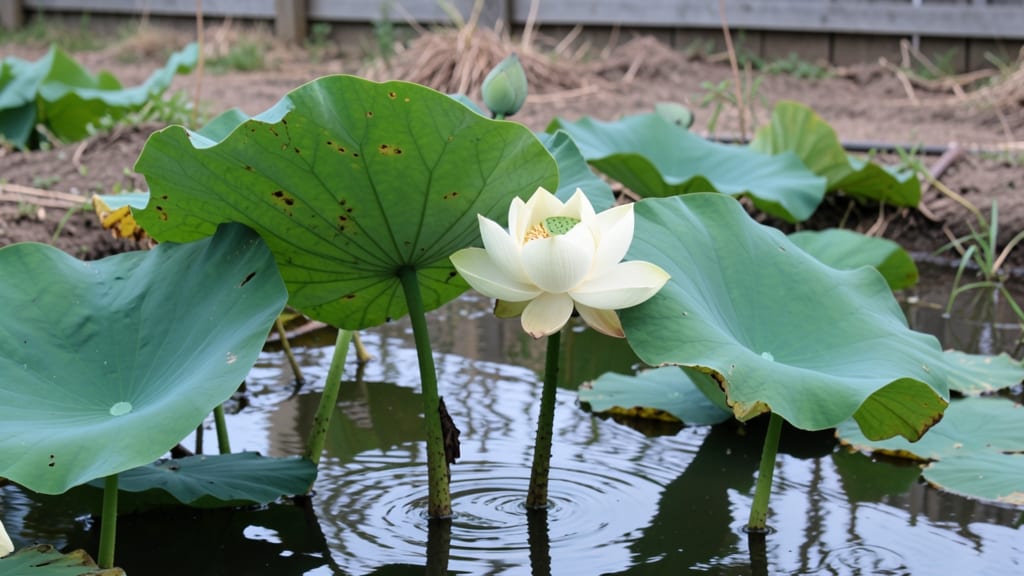
Growing lotus bowl flowers transforms any space into a serene sanctuary—even when frost nips at the edges. ✨ Their delicate blooms float above water or soil, offering year-round fragrance that feels like a quiet embrace, no matter the season.
I first fell for them when I spotted a single pink bloom peeking through late-winter ice, proving these aren’t just summer flings.
The magic lies in their frost-resistant roots and adaptable nature—whether nestled in a shallow bowl of water or planted in a well-draining container mix. Pair them with hostas for lush contrast or add pebbles to mimic a natural pond edge.
The key? A sunny spot (6+ hours) and occasional deadheading to keep blooms coming. Even beginners can pull this off without fuss.
Imagine waking to velvety petals unfurling over breakfast or guests lingering by the scent as evening falls. These aren’t just flowers—they’re mood lifters, conversation starters, and the quiet luxury of a garden that thrives when others sleep. Let’s bring that tranquility to your space, bowl-style.
Works in patio pots, indoor troughs, or even repurposed bathtubs—no green thumb required. The frost-resistant varieties (like Nelumbo nucifera) handle cold snaps better than most, making them the ultimate low-maintenance statement piece. Ready to dive in?
📚 In This Guide
- What you need
- Instructions
- Tips and common mistakes
- Wrapping up and next steps
What you need
- ● Lotus Bowl Flowers (Seeds or Tubers): Choose frost-resistant varieties like Nelumbo nucifera or Nelumbo lutea (American lotus).
- ● Quantity: 3–5 tubers/seeds per bowl (for a lush, layered look).
- ● Large, Shallow Bowls or Containers: Material: Ceramic, stone, or fiberglass (must hold water; avoid plastic).
- ● Size: 12–18 inches in diameter, 4–6 inches deep.
- ● Quantity: 1 per display (or more for multi-bowl arrangements).
- ● Potting Soil: Type: Well-draining, peat-based mix (or 50% garden soil + 50% perlite/sand).
- ● Quantity: 2–3 gallons per bowl.
- ● Water: Fresh, chlorine-free water (tap water left out for 24 hours or rainwater).
- ● Depth: Keep bowls filled to 2–3 inches below rim.
- ● Basic Gardening Tools: Trowel or small shovel (for planting).
- ○ Gloves (optional, for soil handling).
- ● Sunlight Access: Outdoor: Full sun (6+ hours daily).
- ● Indoor: South-facing window or grow lights (12+ hours/day).
- ○ Fertilizer (Optional but Recommended): Type: Slow-release aquatic fertilizer or liquid seaweed extract.
- ● Frequency: Every 4–6 weeks during growing season.
- ○ Decorative Elements (Optional): Pebbles or gravel (for bowl drainage).
- ● Water plants (e.g., water hyacinth) to enhance aesthetics.
- ● LED tea lights (for evening ambiance).
How to cultivate frost-resistant lotus bowl flowers for year-round blooms
Here's the method I've refined over years of growing hardy, fragrant lotus varieties—no greenhouse needed.
🌱 Step 1: Select and Prepare the Right Containers
Lotus bowl flowers thrive in shallow, wide containers with excellent drainage. I use 12-15 inch diameter stone or ceramic bowls (the wider the better) with at least 3 drainage holes—this prevents root rot in winter's damp conditions. Place a 1 inch layer of pebbles at the bottom to create an air gap that mimics their natural wetland habitat.
Fill the bowl with 4-6 inches of aquatic plant soil mix (never regular garden soil—it compacts too much). Press it down gently until it's firm but still crumbly. The goal is soil that holds moisture but doesn't suffocate roots. Here's the thing—lotus roots need oxygen as much as water, so don't pack it too tightly.
☀️ Step 2: Plant Tubers at the Correct Depth and Orientation
Place your lotus tubers (the thick, knobby rhizomes) 2-3 inches below the soil surface, with the eyes or growth nodes facing upward. I like to position them in a slight arc around the bowl's center—this creates a natural, cascading bloom pattern. Space 3-4 tubers per 12-inch bowl for optimal air circulation and bloom density.
Cover them with 2-3 inches of soil mix, leaving the top third of each tuber exposed. This exposed portion prevents rot while allowing the tuber to photosynthesize. Water immediately after planting until the soil is saturated but not dripping. You'll know it's right when water pools on the surface for a few seconds before being absorbed.
💧 Step 3: Maintain Consistent Water Levels Through Seasons
Lotus bowl flowers demand constant moisture—never let the soil dry out completely, but avoid stagnant water. Keep the soil 1-2 inches below the rim with dechlorinated water (let tap water sit 24 hours or use bottled). In winter, reduce water slightly to 1 inch below the rim—cooler temps slow evaporation, and soggy soil invites fungal issues.
Here's where it gets fun: Watch the water level as a guide. If it drops more than ½ inch in 24 hours, your lotus is thirsty—add water. If it stays unchanged for 3+ days, you're overwatering. The key is balance: roots need oxygen, but tubers need hydration. I use a small watering can with a fine rose to avoid disturbing the soil surface.
✂️ Step 4: Prune and Fertilize for Frost-Resistant Blooms
After the first flush of blooms (usually 6-8 weeks after planting), trim spent flowers just above the first set of leaves to encourage new growth. I also remove any yellowing leaves—this redirects energy to root development. In late fall, cut back all foliage to 2 inches above the soil, but leave the tubers exposed. This dormant state helps them survive light frosts down to 20°F without damage.
Feed with a balanced aquatic fertilizer (10-10-10) every 4-6 weeks during growing season. In winter, reduce to once every 8 weeks. The reason? Lotus tubers store energy for spring growth, and over-fertilizing in cold months leads to soft, rot-prone growth. I swear by organic fish emulsion in spring—it mimics their natural nutrient sources.
🪴 Step 5: Overwinter for Year-Round Fragrance
Move your lotus bowl to a protected outdoor spot (like a covered patio or under eaves) where it gets at least 4-6 hours of winter sun. Avoid freezing temperatures—below 15°F damages tubers. If your winter dips lower, wrap the bowl in burlap and place it in a garage or unheated shed with 50-60°F temperatures. Keep the soil barely moist (just damp to touch) and check weekly for mold.
In early spring, resume normal watering and fertilizing. You'll see new shoots within 3-4 weeks—that's your signal to move it back outdoors. The frost-resistant varieties I grow (like Nelumbo lutea or Nelumbo nucifera) reward this care with continuous blooms from late spring through fall, and sometimes even winter if temperatures stay mild.
Tips & tricks for perfect lotus bowl flowers
Here's what nobody tells you about keeping these delicate beauties thriving through every season.
Container Selection: While stone or ceramic bowls are ideal, you can also use glazed ceramic pots with drainage holes if bowls aren't available. The key is the 12-15 inch diameter—this gives roots room to spread while maintaining the aesthetic bowl shape. I've found that wider bowls actually produce more blooms because they allow better air circulation around the tubers. For winter protection, consider using insulated grow bags inside bowls if your winters dip below 20°F—they add an extra layer of frost protection without sacrificing drainage.
Tuber Preparation: Before planting, soak your lotus tubers in lukewarm water for 24 hours (just like the water dechlorination step). This hydrates them and helps identify any soft spots that might rot. When arranging your 3-4 tubers in a 12-inch bowl, create a slight spiral pattern—this natural orientation encourages more uniform growth. The exposed top third of each tuber is crucial: if it looks shriveled after planting, give it a quick dip in water before covering with soil to revive it.
Water Management: The 1-2 inch water level guideline works perfectly, but here's the secret: use a clear plastic ruler to mark your ideal water line on the inside of the bowl. This visual cue prevents guesswork, especially when checking levels after rain or evaporation. In winter, I reduce water to 1 inch below the rim and add a thin layer of mulch (like pebbles) on top of the soil—this helps retain moisture while preventing fungal growth from cold, damp conditions. The mulch layer also creates a microclimate that protects tubers from sudden temperature swings.
Frost Protection: When wrapping your bowl in burlap for winter, leave the top 2 inches uncovered to allow some airflow and prevent condensation buildup. I've found that placing a small fan on low speed near the wrapped bowl helps circulate air and prevents mold—especially important in garages or sheds where humidity can build up. For varieties like Nelumbo nucifera, which can handle 20°F temperatures, you can actually leave them outdoors with just the burlap wrap if your winters rarely drop below this threshold. The key is monitoring weekly for any signs of frost damage on the exposed tuber portions.
Pro Tips for Lotus Bowl Flowers
- Here's what nobody tells you about keeping these delicate beauties thriving through every season.
- Container Selection: While stone or ceramic bowls are ideal, you can also use glazed ceramic pots with drainage holes if bowls aren't available.
- Tuber Preparation: Before planting, soak your lotus tubers in lukewarm water for 24 hours (just like the water dechlorination step).
Frequently asked questions
Can lotus bowl flowers survive winter in colder climates?
These frost-resistant blooms are bred to handle light freezes (down to 20°F/-7°C). For extra protection, mulch the base with straw or leaves and cover with frost cloth during harsh snaps. Just avoid heavy snow buildup—gently brush it off stems to prevent damage.
How often should I water lotus bowl flowers?
Water deeply 2-3 times per week during growing season (spring-fall), ensuring soil stays moist but not soggy. In winter, reduce to once every 10-14 days unless temperatures dip below freezing. A self-watering bowl with drainage holes works wonders—just check moisture levels with your finger!
Do I need to fertilize lotus bowl flowers?
Yes! Use a balanced, slow-release fertilizer (10-10-10) at planting, then top-dress with compost in early spring. For potted varieties, dilute liquid fertilizer to half-strength monthly during bloom season. Skip fertilizing in winter—they’re dormant!
Why aren’t my lotus bowl flowers blooming?
Common culprits include insufficient sunlight (they need 6+ hours daily), overcrowded roots, or nutrient deficiencies. Try relocating to a sunnier spot, dividing overgrown clumps, or adding phosphorus-rich fertilizer. Patience is key—some varieties take 2-3 years to bloom fully!
Are there alternatives to traditional lotus bowl flowers?
If you love frost-resistant, low-maintenance blooms, try hardy hibiscus (Hibiscus moscheutos) or Russian sage (Perovskia). For container-friendly options, pansies or heuchera thrive in bowls and tolerate cold. Check local nurseries for cold-hardy perennials labeled for your zone!
Wrapping up and next steps
Embrace the beauty of lotus bowl flowers—your year-round fragrance solution that thrives even in chilly climates! 🌸 These frost-resistant blooms bring effortless elegance, whether gracing your garden, patio, or indoor spaces. With minimal care and stunning results, they’re the perfect way to elevate any setting.
Ready to transform your outdoor (or indoor!) oasis? Start small—plant a single lotus bowl flower today and watch it grow into a fragrant masterpiece. Your future self (and your senses) will thank you!