
Plants
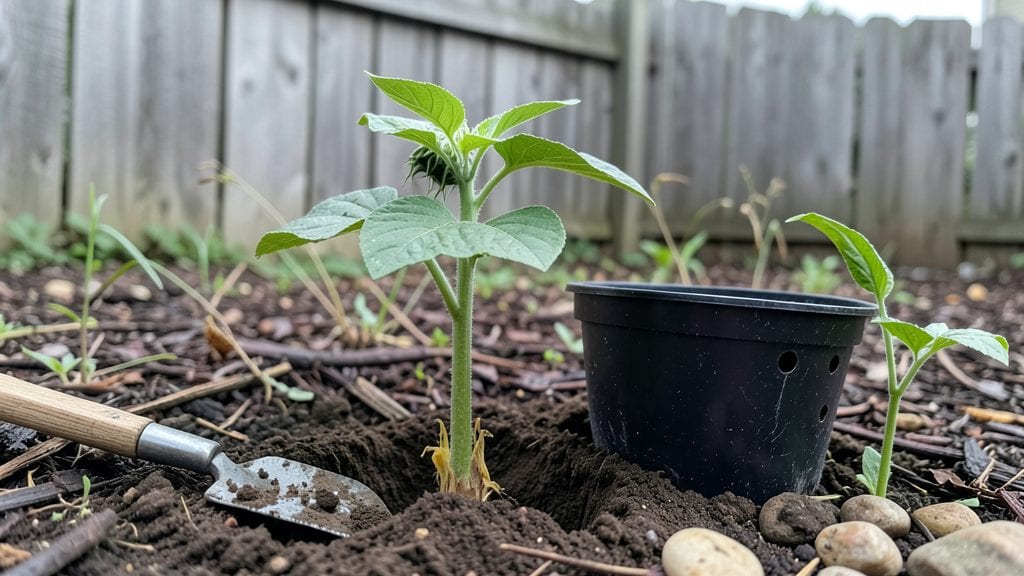
Starting sunflowers from seed is the fastest way to grow those towering, cheerful blooms that turn heads in every yard. 🌻 I’ve grown them for years, and the secret isn’t complicated—just a little patience and the right conditions.
Within 7 days, you’ll see those first green shoots pushing through the soil, and by summer, you’ll have sunflowers reaching toward the sky.
The beauty of sunflowers is how forgiving they are—even beginners can grow them successfully. You’ll need a sunny spot, well-draining soil, and a handful of seeds planted about an inch deep.
Water them lightly at first, then let the soil dry slightly between waterings. The key is consistency, not overwatering, which can drown those tender sprouts before they even get started.
By the time they’re mature, you’ll have 6-foot giants with velvety petals and seeds perfect for snacking or bird feeders. The best part? Sunflowers thrive in poor soil, so you don’t need fancy amendments.
Just give them space to grow, and they’ll reward you with bold, sun-soaked blooms that last all summer.
Whether you’re growing them in a backyard patch or a container on your patio, sunflowers are a foolproof way to add height and joy to your garden. Ready to get those seeds in the ground? Let’s make it happen!
📚 In This Guide
- What you need
- Instructions
- Tips and common mistakes
- Wrapping up and next steps
What you need
- ● Sunflower seeds: Choose heirloom or hybrid varieties (e.g., ‘Mammoth’, ‘Autumn Beauty’, or ‘Teddy Bear’). Buy 5–10 seeds per plant (or a packet of 25–50 for multiple plants). Pro tip: 💡 Opt for untreated seeds for organic gardening!
- ● Growing containers or seed trays: Use 4–6 inch pots (or a seed tray with drainage) for indoor starts. Fill with seed-starting mix (sterile, well-draining soil).
- ● Well-draining potting soil: A 5–10 gallon bag of high-quality seed-starting mix or garden soil amended with compost (avoid heavy clay).
- ● Watering can or spray bottle: A gentle spray nozzle helps avoid disturbing seeds.
- ● Grow lights or sunny windowsill: Sunflowers need 6–8 hours of light daily. A LED grow light (or a south-facing window) works best.
- ● Plant labels: Small stakes or biodegradable markers to track varieties.
- ● Fertilizer: A balanced, water-soluble fertilizer (e.g., 10-10-10) for transplanting. Pro tip: ✨ Dilute to half-strength to avoid burning young seedlings!
- ○ Heat mat (optional): Speeds up germination if temps dip below 70°F (21°C).
- ● Transplanting tools: A small trowel for moving seedlings outdoors.
- ● Mulch: Straw or shredded leaves to retain moisture after planting.
Step-by-Step instructions for growing sunflowers from seed
Here's my foolproof method for getting sunflowers sprouting strong in just days.
🌱 Step 1: Choose the Right Seeds and Prepare Soil
Sunflower seeds are large and easy to handle—no need for fancy seed-starting mixes. Fill your 4-inch deep containers with a well-draining blend of 50% potting mix and 50% perlite or coarse sand. This prevents waterlogging, which can rot seeds before they sprout.
Press the soil down gently until it's firm but not compacted. You want it to hold moisture without becoming soggy. I like to tap the container on the table a few times to settle everything evenly. The goal is a loose, airy medium that lets roots push through easily.
🌱 Step 2: Plant Seeds at the Correct Depth
Sunflower seeds are 1-2 inches long, so plant them 1 inch deep—about twice their diameter. This depth ensures they have enough energy to push through the soil without being buried too deep. I use my finger to make a small hole, drop in 2-3 seeds per container, then cover lightly with soil.
Here's the thing—sunflowers are heavy feeders, so I like to add a pinch of balanced fertilizer (10-10-10) to the planting hole. This gives them a head start without overwhelming the tiny seedlings. Water gently until the soil feels evenly moist but not soaked.
☀️ Step 3: Provide Warmth and Light for Fast Germination
Sunflowers germinate fastest in 70-80°F soil. Place your containers in a warm spot—like on top of a refrigerator or near a sunny window—until you see sprouts. I cover the containers with clear plastic wrap to trap heat and moisture, but I remove it as soon as the first green tips appear.
Once sprouts emerge (usually in 7-10 days), move them to a spot with 6-8 hours of direct sunlight daily. Sunflowers need plenty of light to avoid becoming leggy. If you're growing indoors, a grow light 4-6 inches above the plants works well until you can transplant outdoors.
🌿 Step 4: Thin Seedlings and Support Growth
When seedlings reach 2 inches tall, thin them to the strongest one per container. Use scissors to snip the weaker stems at the base—this prevents disturbing the roots of the remaining plant. Sunflowers need space, so if you're planting multiple seeds in a row, space them 6 inches apart.
As they grow, provide support. Tall sunflower varieties (like 'Mammoth' or 'Russian Giant') need staking or a cage to prevent them from toppling over. I use bamboo stakes tied loosely to the stem with soft plant ties. Don’t cinch them too tight—you want the stem to grow, not strangle.
💧 Step 5: Water and Fertilize for Bold Blooms
Water sunflowers at the base, keeping the soil consistently moist but not waterlogged. Overwatering can cause the stems to rot, while underwatering stresses the plant. I water deeply once a week, then check the soil—if the top 1 inch feels dry, it's time to water again.
Feed your sunflowers every 2-3 weeks with a balanced fertilizer. I switch to a low-nitrogen, high-phosphorus fertilizer (like 5-10-10) once buds form to encourage flowering. Watch for yellowing leaves—this usually means it's time to fertilize again.
Tips & tricks for perfect sunflower sprouting
Here's what I learned after watching my first batch of sunflower seeds struggle—small details make all the difference.
Soil Texture Tip: The 50/50 potting mix and perlite blend in Step 1 is non-negotiable for sunflowers. I learned this the hard way after my first batch of seeds rotted in compacted soil. Tap your containers gently after filling to create tiny air pockets—this prevents waterlogging while keeping moisture where roots need it most.
Planting Depth Secret: That 1-inch depth in Step 2 isn't just arbitrary—it's about energy balance. Planting too shallow risks drying out the seed, while too deep makes germination harder. I press the soil firmly around the seeds to eliminate air pockets that could trap moisture and cause rot.
Germination Warmth Trick: For the 70-80°F soil temperature in Step 3, I place my seed trays on top of my fridge (not inside!) which maintains that perfect warmth without overheating. Remove the plastic wrap immediately when you see green tips—trapped moisture can cause fungal issues that kill seedlings before they stand a chance.
Lighting Strategy: Those crucial 6-8 hours of direct sunlight in Step 3 can be tricky indoors. If you're using grow lights, position them 4-6 inches above the plants and use a timer for 12-14 hours of light daily. Sunflowers grow toward light aggressively, so rotate your containers daily to prevent leaning.
Pro Tips for Start Sunflowers
- Here's what I learned after watching my first batch of sunflower seeds struggle—small details make all the difference.
- Soil Texture Tip: The 50/50 potting mix and perlite blend in Step 1 is non-negotiable for sunflowers.
- Planting Depth Secret: That 1-inch depth in Step 2 isn't just arbitrary—it's about energy balance.
Frequently asked questions
about growing sunflowers from seed—because every gardener deserves a little sunshine!Can I grow sunflowers from store-bought seeds?
Store-bought sunflower seeds (like those from snack packs) are often Helianthus annuus varieties, which grow beautifully. Just ensure they’re untreated (check the label) and soak them overnight to speed up germination. Pro tip: Save seeds from your favorite sunflowers for next year’s garden!
Why aren’t my sunflower seeds sprouting in 7 days?
Patience, gardener! Sunflower seeds typically sprout in 7–14 days, but factors like temperature (ideal: 70–75°F), moisture, and seed viability can delay germination. If nothing emerges after 2 weeks, try replanting or test a few seeds in a damp paper towel—if they rot, they’re likely old or damaged.
Do sunflowers need full sun all day?
Yes! Sunflowers are sun-worshippers and thrive in 6–8+ hours of direct sunlight daily. While young seedlings can tolerate partial shade, mature plants may become leggy or produce fewer blooms. If your garden lacks sun, opt for dwarf varieties (like ‘Teddy Bear’) or grow them in containers near a sunny window.
Will sunflowers attract pests or bees?
Sunflowers are bee magnets (great for pollinators!) but rarely pests. However, watch for aphids or bird damage (they love the seeds!). Use neem oil for pests or protect young plants with netting. Birds? Plant sunflowers late in the season or use bird netting once heads form.
Can I grow sunflowers in containers?
Dwarf varieties (under 4 feet) thrive in 5-gallon pots with drainage. Use well-draining soil and fertilize lightly (every 2–3 weeks). Just ensure containers get full sun and rotate them weekly for even growth. Bonus: Container sunflowers are perfect for patios or balconies!
Wrapping up and next steps
Starting sunflowers from seed is a rewarding and quick way to bring joy to your garden—whether you're a beginner or a seasoned gardener! 🌻 With the right soil, sunlight, and care, you’ll be watching those cheerful blooms emerge in just seven days.
Remember, consistency is key, so keep an eye on moisture and pests, and don’t hesitate to experiment with varieties.
Now that you’re armed with everything you need, take the next step—plant those seeds and enjoy the process! Share your sunflower journey with fellow gardeners or even snap a photo of your progress. Happy growing! 🌱