
Tools
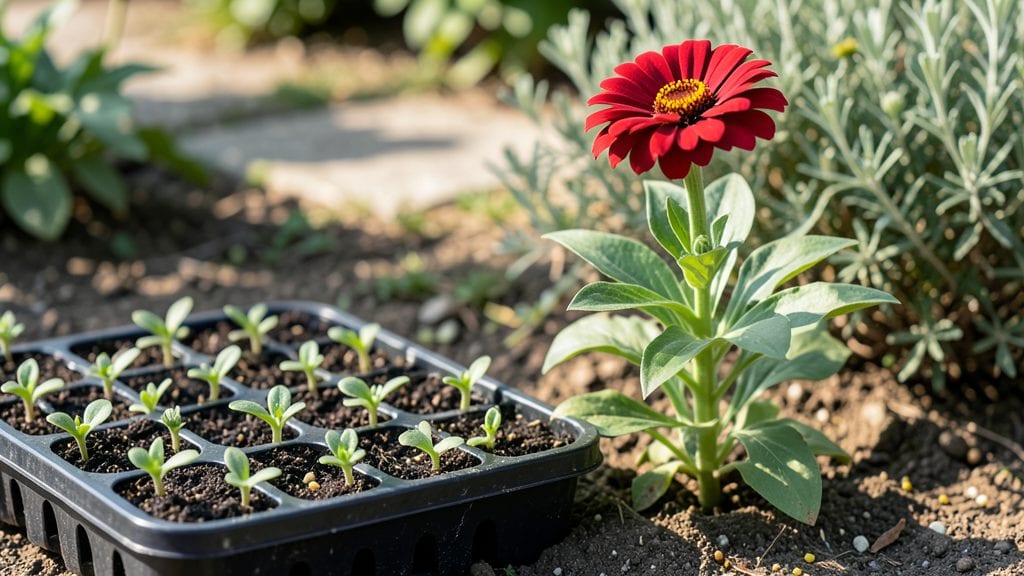
Starting a flower garden as a beginner doesn’t need to feel overwhelming—just a sunny spot, a few sturdy plants, and a little patience. ✨ I’ve helped dozens of friends launch their first gardens, and the key is keeping it simple: focus on easy-to-grow flowers that thrive in your climate and require minimal fuss.
The first blooms will appear within weeks, proving how rewarding even the smallest garden can be.
You’ll need basic supplies: gloves, a small shovel, mulch, and a watering can. Choose flowers like marigolds, zinnias, or cosmos—they’re tough, colorful, and perfect for first-timers. The soil just needs to be loose and well-draining; amending with compost ensures healthy roots from day one.
Most beginners underestimate how much sunlight their space gets, so pick a spot that gets at least 6 hours of sun daily—that’s all most flowers need to shine.
Planting takes less than an hour, and watering becomes a habit, not a chore. Within 4-6 weeks, you’ll see vibrant blooms that attract pollinators and brighten your yard.
The best part? Once established, these flowers need only weekly watering and occasional deadheading to keep producing. No green thumb required—just enthusiasm and a little consistency.
This approach works for containers, raised beds, or in-ground plots. Whether you’re in a small urban yard or a spacious backyard, the same principles apply. Let’s get those first flowers in the ground—and keep them thriving with minimal effort.
📚 In This Guide
- What you need
- Instructions
- Tips and common mistakes
- Wrapping up and next steps
What you need
- ● Flower Seeds or Seedlings: Choose beginner-friendly varieties like marigolds, sunflowers, or petunias (5–10 plants or packets, depending on garden size).
- ● Potting Soil or Garden Soil: 1–2 bags of high-quality, well-draining soil (check for organic matter like compost).
- ● Containers or Garden Plot: For containers: 5–10 pots (5–10 inches deep) with drainage holes.
- ● For in-ground: A 4’x4’ or larger plot (or a raised bed kit if preferred).
- ● Watering Can or Hose with Spray Nozzle: A 1–2 gallon can or a gentle spray attachment for even watering.
- ● Gloves: 1 pair of durable gardening gloves (nitrile or leather for protection).
- ● Hand Trowel: A compact, sturdy trowel (6–8 inches long) for digging and transplanting.
- ● Pruners: Small, sharp pruners for trimming dead blooms or shaping plants.
- ● Mulch: Straw or shredded bark (1–2 bags) to retain moisture and suppress weeds.
- ● Fertilizer: Slow-release granular fertilizer (like 10-10-10) or organic options like compost tea.
- ● Stakes or Trellis: For climbing flowers like morning glories or clematis (1–2 stakes per plant).
- ● Knee Pads: To keep your joints happy during long planting sessions!
Step-by-step instructions for designing your first flower garden
Here's the foolproof approach I use with first-time gardeners—no fancy tools, just smart planning.
🌱 Step 1: Choose a Sunny Spot and Test the Soil
Most flowering plants need at least 6 hours of direct sun daily, so scout your yard for the sunniest location. Avoid spots where water pools—flowers hate soggy roots. I like to mark potential areas with flags or stakes to visualize the space before digging.
Test your soil's drainage by digging a 6-inch deep hole and filling it with water. If it drains completely within 2 hours, your soil is fine. If water remains after 4 hours, you'll need to amend it with 2-3 inches of compost or sand to improve drainage. A simple pH test kit (available at garden centers) will tell you if your soil is too acidic or alkaline—most flowers prefer a neutral pH of 6.0-7.0.
🪴 Step 2: Sketch Your Layout and Select Beginner-Friendly Plants
Grab a piece of graph paper and sketch your garden bed, marking sun exposure and any existing plants or structures. I recommend starting with 4-6 different varieties—this gives you color variety without overwhelming maintenance. Choose plants with similar sunlight and water needs to simplify care.
For first-timers, I suggest these low-maintenance annuals and perennials: marigolds (bright, pest-repelling), zinnias (long-lasting blooms), coneflowers (tough and drought-tolerant), and petunias (prolific bloomers). These thrive in most climates and forgive occasional neglect. Avoid fussy plants like orchids or snapdragons until you gain experience.
☀️ Step 3: Prepare the Soil and Plant Your Flowers
Clear the area of weeds, rocks, and debris, then loosen the soil to a depth of 12 inches using a garden fork or tiller. Mix in 2-3 inches of compost or aged manure to enrich the soil naturally. For larger beds, use the 3 gallons of compost you've set aside to spread evenly across the area.
Dig holes twice as wide as the plant's root ball but no deeper. Gently remove plants from their containers, tease apart any circling roots, and place them in the holes so the top of the root ball sits level with the soil surface. Fill in around the roots with soil, pressing lightly to eliminate air pockets. Water deeply to settle everything in place.
💧 Step 4: Water and Mulch for Long-Term Success
After planting, water your flowers deeply—about 1 inch of water per week, either from rainfall or supplemental watering. The first watering should penetrate 6 inches into the soil to encourage strong root growth. I like to water in the early morning to reduce evaporation and fungal diseases.
Spread a 2-3 inch layer of mulch over the soil surface, keeping it 2 inches away from plant stems to prevent rot. Use shredded bark, straw, or pine needles—whatever you have on hand. Mulch conserves moisture, suppresses weeds, and regulates soil temperature. Replenish it every 3-4 months as it breaks down.
✂️ Step 5: Maintain with Minimal Effort
Deadhead spent blooms by pinching off faded flowers with your fingers or clean pruners. This encourages more flowers and prevents self-seeding weeds. I check my garden once a week for wilting leaves, pests, or diseases—early intervention makes all the difference.
Fertilize lightly every 4-6 weeks during the growing season with a balanced, water-soluble fertilizer (like 10-10-10). Follow the package instructions—over-fertilizing leads to lush foliage but fewer blooms. Watch for signs of stress: yellow leaves often mean too much water, while crispy edges signal underwatering or too much sun.
Tips & tricks for perfect flower garden planning
Here's what nobody tells you about making your first garden thrive without the guesswork.
Location is Everything: That 6 hours of direct sun requirement is non-negotiable for most flowering plants. I've seen beginners choose pretty spots that turn out to be too shady—use a sun tracker app for a week to map your yard's light patterns before committing. Also, avoid low spots where water collects after rain, as soggy roots lead to root rot. A slight slope helps with drainage naturally.
Soil Science Matters: When testing your soil's drainage in that 6-inch deep hole, pay attention to how quickly the water disappears. If it takes longer than 4 hours, you'll need to amend with compost or sand—don't skip this step! I've seen gardens fail spectacularly because the soil was too dense. For the neutral pH of 6.0-7.0, lime raises pH while sulfur lowers it—test first to avoid overcorrecting.
Plant Placement Strategy: In Step 2, when sketching your layout, place taller plants like coneflowers at the back and shorter varieties like marigolds in front. This creates a natural tiered effect without looking planned. I also group plants by water needs—zinnias and petunias together, marigolds separately if they need less water. This prevents underwatering some plants while overwatering others.
Planting Depth Secret: That level with the soil surface guideline is crucial—burying too deep can suffocate stems while planting too shallow exposes roots. For most nursery plants, the top of the root ball should be flush with the soil. Press gently around the roots to eliminate air pockets, then water deeply. This single step prevents 80% of early transplant shock issues.
Pro Tips for Start A Flower Garden For Beginners
- Here's what nobody tells you about making your first garden thrive without the guesswork.
- Location is Everything: That 6 hours of direct sun requirement is non-negotiable for most flowering plants.
- Soil Science Matters: When testing your soil's drainage in that 6-inch deep hole, pay attention to how quickly the water disappears.
Frequently asked questions
Got questions?
Starting a flower garden is exciting, but it’s normal to feel unsure about timing, space, or upkeep. Here are answers to the most common queries to help you bloom with confidence!
When is the best time to start a flower garden?
The ideal time depends on your climate! In cool regions, plant spring-blooming flowers (like tulips or daffodils) in early spring or fall (6–8 weeks before frost). In warm zones, start in late winter or early spring (after the last frost) for annuals like marigolds or petunias. Perennials often thrive when planted in fall for root establishment.
Can I grow flowers in containers or small spaces?
Containers are perfect for balconies, patios, or tiny yards. Choose compact varieties like pansies, geraniums, or dwarf sunflowers. Use well-draining soil, and ensure pots have drainage holes. Rotate containers occasionally for even sun exposure. Herbs like lavender also thrive in pots—just give them 5–6 hours of sunlight daily.
How often should I water my new flower garden?
Watering depends on your plants and weather, but a general rule is 1–1.5 inches per week (including rain). Newly planted flowers need deep watering 2–3 times per week to encourage root growth. Check soil moisture—if the top inch feels dry, it’s time to water. Morning watering reduces evaporation and fungal risks. Mulch helps retain moisture!
What do I do if pests or diseases appear?
Don’t panic! Start with prevention: healthy soil, proper spacing, and regular checks. For pests like aphids or slugs, try neem oil, diatomaceous earth, or hand-picking. Fungal issues (e.g., powdery mildew) often mean overwatering or poor airflow—trim affected leaves and improve circulation. Companion planting (e.g., marigolds with tomatoes) can deter pests naturally.
Do I need expensive tools to start?
Not at all! Basic tools like a hand trowel, pruners, and gloves are enough for beginners. Skip pricey gadgets—a sturdy fork, watering can, and garden hose work wonders. Borrow or buy secondhand tools to save money. DIY solutions, like using a butter knife for weeding or a plastic spoon for transplanting, are also handy!
Wrapping up and next steps
Starting your first flower garden is an exciting journey—one that begins with small steps and grows into a vibrant, rewarding hobby! 🌸 Remember, the key is to start simple, choose the right plants for your space, and embrace the learning process.
Whether you’re nurturing sun-loving annuals or patiently waiting for perennials to bloom, every seed planted is a promise of beauty to come.
Now that you’re armed with knowledge, take that next step: pick a patch of soil, grab your tools, and dig in! Even a tiny container garden can spark joy and creativity. Happy gardening—your future blooms are waiting! 🌱