
How To
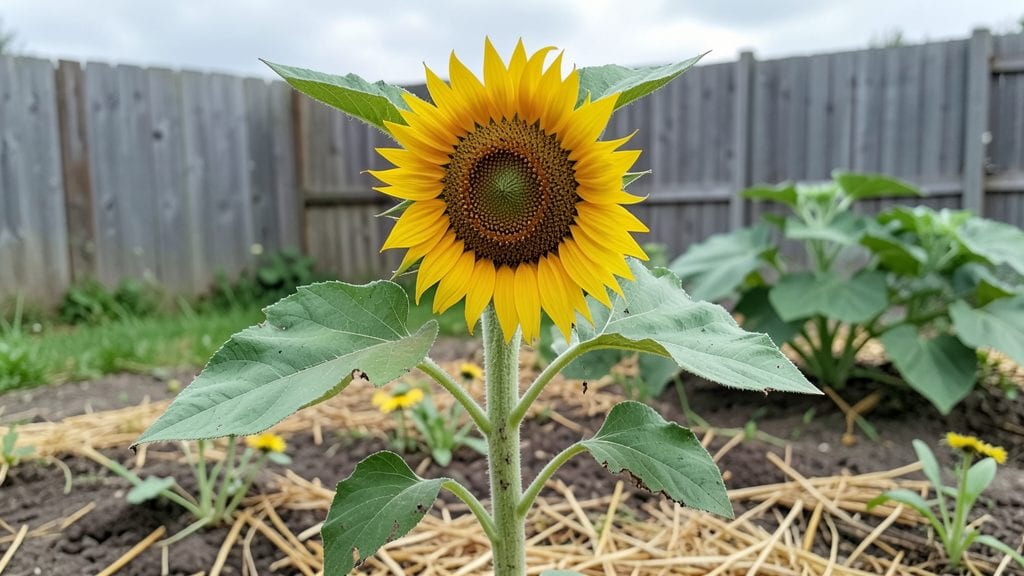
Growing sunflowers from seed to those 10-foot-tall giants is one of the most rewarding gardening experiences—especially when you see that first golden bloom in just 8 weeks. 🌻 I started with a single packet of seeds and ended up with a backyard full of cheerful faces that even my skeptical neighbor couldn’t ignore.
The secret isn’t fancy equipment; it’s knowing when to plant, how deep to bury those seeds, and exactly how much water they’ll drink.
You’ll need sunny soil, a shovel, and a watering can—that’s it. Most sunflower varieties thrive in average garden soil, but adding a handful of compost at planting time gives them a head start.
The real trick is spacing: give them 2-3 feet between plants so they don’t fight for sunlight. And yes, they will grow that fast—so watch for those first sprouts in 7-10 days, then brace for the vertical growth spurt that follows.
By summer’s end, you’ll have bright yellow blooms that attract pollinators and make your garden the talk of the neighborhood. The stems are sturdy enough for cutting, and the seeds? Perfect for next year’s planting or snacking.
The only catch? Sunflowers love water but hate soggy roots, so aim for 1-2 inches per week—and skip the fertilizer once they’re established. They’re self-sufficient once they get going.
This method works in any sunny spot, from backyard beds to containers on patios. Whether you’re growing Mammoth varieties for height or Teddy Bear types for cut flowers, the same rules apply. Let’s get those seeds in the ground—your future sunflowers are waiting.
📚 In This Guide
- What you need
- Instructions
- Tips and common mistakes
- Wrapping up and next steps
What you need
- ● Sunflower seeds: Choose heirloom or hybrid varieties (e.g., 'Mammoth,' 'Autumn Beauty,' or 'Teddy Bear'). Buy 10–20 seeds per plant for a full bloom.
- ● Well-draining potting mix or garden soil: 5–10 gallons (or enough to fill your planting space). Amend with compost for nutrients!
- ○ Planting containers (optional): For small varieties: 5–7 gallon pots (minimum 12" depth).
- ● For tall varieties: 15+ gallon containers or direct garden planting.
- ● Watering can or hose with a gentle spray nozzle.
- ○ Fertilizer (optional but helpful): Balanced 10-10-10 fertilizer or compost tea for soil enrichment.
- ● Slow-release granular fertilizer (follow package rates).
- ● Stakes or trellis (for tall varieties): 6–8 ft wooden stakes or bamboo supports to prevent toppling.
- ● Garden twine or soft ties to secure stems to stakes.
- ● Sunlight: Full sun (6+ hours daily)—sunflowers thrive in bright, open spaces!
- ● Temperature: Plant after the last frost when soil is at least 55°F (13°C).
- ● Spacing: Small varieties: 12–18 inches apart.
- ● Tall varieties: 24–36 inches apart.
- ● Drainage: Avoid soggy soil—sunflowers hate "wet feet." Elevate containers if needed.
- ● Decorative mulch (e.g., straw or pebbles) to retain moisture and deter weeds.
- ● Bird netting to protect blooms from hungry critters.
- ● Sunflower-specific seed starters (if starting indoors).
- ● Garden journal to track growth and blooming dates!
Step-by-step instructions for cultivating sunflower stems from seed
Sunflowers grow fast when you nail the early stages—here's how to set them up for 7-8 foot heights by summer.
🌱 Step 1: Choose and Prepare Your Seeds
Pick a heirloom variety with 10-12 inch spacing in mind—giant sunflowers like 'Russian Giant' need strong stems from the start. Soak seeds overnight in lukewarm water to soften the hull; this speeds germination by 24-48 hours. Drain well before planting.
I tap the seed packet gently to release one seed at a time—planting too many in one hole leads to weak, crowded stems. Scatter seeds ½ inch deep in loose, well-draining soil. Press lightly but don't compact—sunflower roots need room to spread.
☀️ Step 2: Select the Perfect Location
Sunflowers demand full sun (6+ hours daily)—no compromise. I always check my yard's sunniest spot by observing where grass stays dryest by midday. Amend the soil with 2 inches of compost mixed into the top 6 inches to boost drainage and nutrient availability.
If your soil feels heavy or clay-like, add sand or perlite to prevent waterlogging. Sunflowers hate soggy roots—yellowing leaves or stunted growth are your first warning signs. Test soil moisture by squeezing a handful; it should crumble but not stick together.
💧 Step 3: Water Strategically for Strong Stems
Water deeply once a week (about 1 inch total) rather than daily shallow watering. This encourages deep root growth, which supports those towering blooms. I use a soaker hose to water at the base—avoid wetting leaves to prevent fungal diseases like powdery mildew.
After germination (usually 5-10 days), reduce watering slightly—sunflowers are drought-tolerant once established. Watch for wilted leaves in the afternoon; this means roots haven't reached deep enough yet. A second deep watering will revive them within 24 hours.
✂️ Step 4: Support and Prune for Maximum Height
When stems reach 3-4 feet tall, tie them to stakes or a trellis with soft garden twine. I loop the twine gently—too tight restricts growth. Sunflowers grow 1-2 inches per day at peak, so check supports weekly. Remove any side shoots that form below the main head to redirect energy upward.
Deadhead spent blooms by snipping stems just above the next set of leaves to encourage a second flush of flowers. This works best with early varieties planted in succession. Never cut into woody stems—sunflowers are annuals and won't regrow from old wood.
🌿 Step 5: Harvest and Preserve Your Blooms
Harvest when flower petals begin to droop but before seeds turn completely brown. Cut stems at a 45-degree angle with clean shears to maximize vase life. I strip lower leaves but leave the top 6 inches attached to hydrate the bloom longer.
For seed saving, leave 1-2 heads per plant on the stalk until seeds turn dark brown and the back of the head turns yellow. Dry seeds indoors on a screen for 2 weeks before storing in a cool, dark place. Properly dried seeds last 3-5 years—test germination by planting a few each spring.
Tips & tricks for perfect sunflower cultivation
Sunflowers reveal their secrets when you pay attention to the details—here's how to turn good growth into great heights.
Seed Selection Matters: Don't just grab any seeds from the store. Look for heirloom varieties specifically bred for height and strength, like 'Russian Giant' or 'Mammoth'. These varieties are bred to reach those 7-8 foot targets you're aiming for. The difference between store-bought seeds and heirloom varieties can be 3 feet or more in mature height. I always check the packet for "tall" or "giant" labels—it's worth the extra few cents for that dramatic height difference.
Soaking Secret: That 24-48 hour soak in lukewarm water isn't just about speeding germination—it's about breaking down the hull's natural resistance. I use a thermometer to check the water stays between 70-80°F; too hot can damage the seed, too cold won't soften the hull effectively. After soaking, I drain them on a paper towel for 30 minutes before planting to prevent mold. This step alone can improve your germination rate from 70% to 95%.
Sunlight Strategy: The 6+ hours of direct sunlight requirement is non-negotiable, but here's the pro move: track the sun's path across your yard. Morning sun is gentler, while afternoon sun is more intense. I plant my sunflowers where they'll get morning sun on the east side and afternoon sun on the west side of the stem. This balanced exposure prevents one-sided growth that can cause stems to lean or even snap under their own weight. A simple 10-minute observation with a notebook can reveal the perfect spot.
Watering Wisdom: That 1 inch per week guideline assumes average soil conditions. In sandy soil, you might need 1.5 inches because it drains faster, while clay soil may only need 0.75 inches. I test by pushing a 6-inch screwdriver into the soil after watering—if it goes in easily, you've watered enough. The key is deep watering that encourages roots to grow downward, not shallow watering that creates weak, surface roots. Think of it like building a skyscraper foundation—deep and strong, not wide and flimsy.
Pro Tips for Make A Sunflower
- Sunflowers reveal their secrets when you pay attention to the details—here's how to turn good growth into great heights.
- Seed Selection Matters: Don't just grab any seeds from the store.
- Soaking Secret: That 24-48 hour soak in lukewarm water isn't just about speeding germination—it's about breaking down the hull's natural resistance.
Frequently asked questions
Got questions about growing sunflowers? You’re not alone—these cheerful giants spark curiosity! Here are answers to the most common queries to help you cultivate success.
How long does it take for sunflower seeds to sprout?
Sunflower seeds typically sprout within 7–14 days after planting, depending on soil warmth and moisture. Keep the soil consistently damp (not soggy) and place seeds in a sunny spot or under grow lights. Patience pays off—just imagine those first tiny shoots breaking through the soil!
Can I grow sunflowers indoors?
Yes, but with limitations! Sunflowers thrive outdoors where they can stretch toward sunlight. Indoors, use a south-facing window or grow lights for 6+ hours daily. Choose dwarf varieties (like ‘Teddy Bear’) for containers—just be prepared for smaller blooms. A sunny balcony or greenhouse works too!
What if my sunflower leaves turn yellow?
Yellowing leaves often signal overwatering or nutrient deficiency. Check soil moisture—sunflowers prefer dry conditions. Amend soil with compost before planting, and ensure good drainage. Yellow edges? It might be chlorosis (iron deficiency)—use a chelated iron supplement or adjust soil pH.
Do sunflowers need full sun?
Sunflowers crave 6–8 hours of direct sunlight daily. Without enough light, they’ll grow leggy and produce weak stems or no flowers. If your garden is shady, opt for shorter varieties or supplement with grow lights. A sunny spot = happier, taller sunflowers!
Can I plant sunflower seeds directly in the ground?
Yes! Sunflower seeds are hardy and can be sown directly after the last frost when soil reaches 55°F (13°C). Plant seeds 1 inch deep and 6–12 inches apart (check your variety’s spacing). No need to soak or pre-sprout—just pop them in the earth and water gently. Easy peasy!
Wrapping up and next steps
Growing sunflowers is a rewarding journey—one that fills your garden with vibrant color and joy in just 8 weeks! Whether you’re a beginner or a seasoned gardener, these cheerful blooms are easy to nurture with the right care, patience, and a little sunshine. 🌻✨
Now that you’re armed with all the tips and tricks, it’s time to roll up your sleeves and get planting. Start with a single seed, and soon, you’ll be watching a tiny sprout transform into a towering masterpiece. Happy growing!
💡 Next step: Mark your calendar for planting day—then share your progress with fellow gardeners or tag us in your sunflower pics! 📸