
Picking
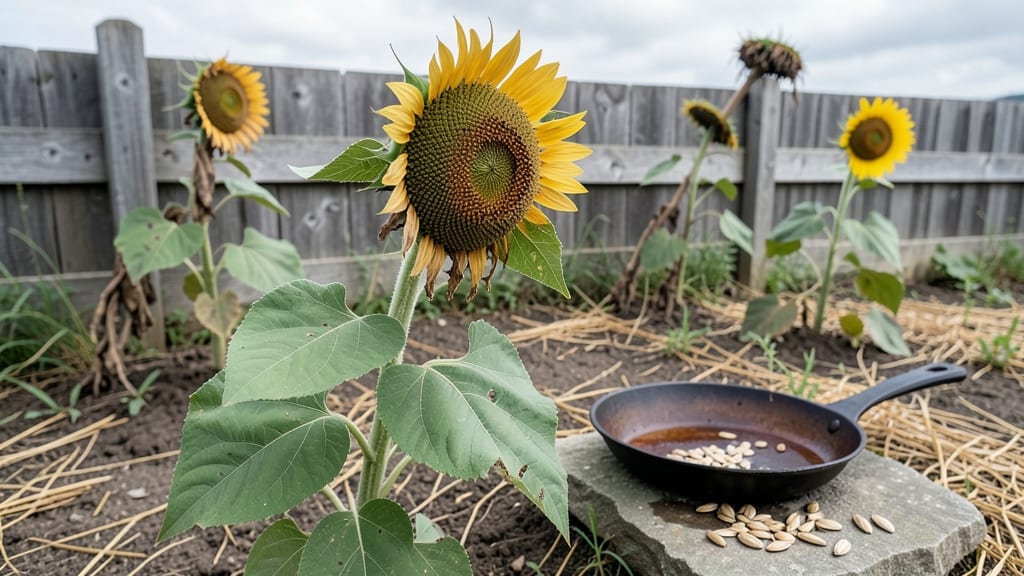
Learn how to harvest and roast sunflower seeds the right way—your garden’s golden bounty is just days away from becoming crunchy, buttery treats. 🌻 The key is waiting until the back of the seed head turns yellow-brown and the petals drop completely—this means the seeds are plump, ready, and packed with flavor.
I learned the hard way that harvesting too early means bland, underdeveloped seeds, while waiting too long risks them falling to the ground or attracting pests.
Once you’ve identified the right time, the process is simple: cut the heads with a sharp knife, leaving a few inches of stem. Hang them upside down in a dry, well-ventilated spot for 10-14 days—this dries them out just enough for easy shelling.
If you rush this step, the seeds won’t crisp up properly when roasted, and you’ll end up with a soggy snack instead of that satisfying crunch.
Roasting is where the magic happens. Spread the dried seeds on a baking sheet at 300°F for 15-20 minutes, stirring every 5 minutes to avoid burning. The aroma alone—warm, nutty, and earthy—will have you reaching for another handful.
Store the cooled seeds in an airtight container for up to 2 weeks, or freeze them for longer shelf life.
This method works for any sunflower variety, from towering giants to compact dwarf types. For next-level flavor, try a pinch of salt or smoked paprika while they’re still warm.
Now, imagine your garden not just as a pretty view, but as your own crunchy, homegrown pantry—that’s the real reward of growing sunflowers.
📚 In This Guide
- What you need
- Instructions
- Tips and common mistakes
- Wrapping up and next steps
What you need
- ● Sunflower heads – Freshly harvested (ensure seeds are fully mature and dry). Aim for at least 2-3 heads for a satisfying batch.
- ● Large bowl or tray – For drying seeds (preferably non-metallic to avoid rust).
- ● Paper towels or clean cloth – To remove hulls and debris.
- ● Baking sheet – Unlined for even roasting (or a heavy skillet for stovetop roasting).
- ● Oven or stovetop – Preheated to 300–350°F (150–175°C) for oven roasting, or medium-high heat for stovetop.
- ● Mixing bowl – For tossing seeds with seasonings (if desired).
- ○ Seasonings (optional but recommended) – Salt, smoked paprika, garlic powder, or cinnamon sugar for flavor.
- ● Glove or towel – To protect hands from seed residue.
- ● Fine-mesh strainer – For rinsing seeds if needed.
- ● Air-tight container – To store roasted seeds for up to 2 weeks.
- ○ Thermometer (optional) – To monitor stovetop roasting temperature.
Step-by-step guide to harvesting and roasting sunflower seeds
Here's how to turn your sunflowers into a delicious, crunchy snack.
🌿 Step 1: Harvest Mature Sunflower Heads
Wait until the sunflower heads turn brown and the back of the head feels dry to the touch—this usually happens 4-6 weeks after flowering. Use clean, sharp pruning shears to cut the entire head off the stem, leaving about 2 inches of stem attached. This makes handling easier later.
Real talk: Don't harvest too early. Immature seeds won't be fully developed and will taste bland. You'll know they're ready when the petals drop completely and the head feels light when picked up.
Lay the harvested heads on a clean, dry surface—like a baking sheet or newspaper—to dry for 1-2 weeks in a warm, dry place. Turn them occasionally to ensure even drying. A well-ventilated area prevents mold and keeps seeds crisp.
💧 Step 2: Dry and Remove Seeds from Heads
Once the heads are completely dry, place them in a large paper bag and tie it securely. Shake or rub the bag vigorously to dislodge the seeds. The seeds will fall to the bottom while the chaff (husks) stays in the bag. This method is faster than hand-stripping and saves your hands from getting dirty.
Spread the seeds on a clean baking sheet and let them dry for an additional 24 hours in a warm, dry spot. This extra drying step ensures they'll roast evenly and not stick together. You'll notice they'll feel lighter and crunchier when fully dry.
If you're dealing with a lot of seeds, you can use a fine-mesh strainer to separate them from the chaff. Just shake the seeds through the strainer while holding it over a bowl—this catches any remaining husks.
☀️ Step 3: Roast the Seeds to Perfection
Preheat your oven to 300°F. Spread the dried seeds in a single layer on a baking sheet—don't overcrowd them, or they won't roast evenly. Roast for 15-20 minutes, stirring every 5 minutes to prevent burning. You want them golden brown, not black.
Here's the moment that matters: Start checking for doneness at 12 minutes. Pull them out when they smell nutty and have a crisp texture. If they're still pale, return them to the oven for another 2-3 minutes. Over-roasting makes them bitter, so keep an eye on them.
Let the seeds cool completely before storing. Once cooled, transfer them to an airtight container. They'll stay fresh for up to 2 weeks at room temperature, or you can freeze them for up to 6 months to preserve their crunch.
Tips & tricks for perfect sunflower seed roasting
A few simple tricks will make your sunflower seed snacking game unbeatable—let's skip the guesswork.
Harvesting Secret: The 4-6 week window after flowering is non-negotiable for flavor. I've learned this the hard way—immature seeds taste like bland cardboard. Check for completely dry heads by gently squeezing the back; if it feels papery and crumbles slightly, you're golden.
Drying Strategy: That extra 24-hour drying on the baking sheet is where the magic happens. Spread seeds in a single layer and let them air-dry completely—this prevents clumping during roasting. If your kitchen feels humid, prop the baking sheet on a towel to improve airflow.
Roasting Precision: At 300°F, those 15-20 minutes go fast! Set a timer for every 5 minutes to stir—this prevents hot spots and burning. The seeds are done when they smell nutty and have a crisp texture, not when they turn black. Pull them out at 12 minutes and check; if they're still pale, give them another 2-3 minutes max.
Storage Wisdom: Once cooled, store your seeds in an airtight container with a paper towel to absorb any moisture. The 2-week shelf life starts from when they're fully cooled—don't rush this step! For longer storage, freeze them in small portions to maintain that perfect crunch.
Pro Tips for Harvest And Roast Sunflower Seeds
- A few simple tricks will make your sunflower seed snacking game unbeatable—let's skip the guesswork.
- Harvesting Secret: The 4-6 week window after flowering is non-negotiable for flavor.
- Drying Strategy: That extra 24-hour drying on the baking sheet is where the magic happens.
Frequently asked questions
Got questions about harvesting and roasting sunflower seeds?
You’re not alone! Here are some of the most common ones—plus quick, easy answers to keep your snack game on point.
When is the best time to harvest sunflower seeds?
Harvest your seeds when the back of the flower head turns yellow-brown and the petals droop or fall off. If you wait too long, birds will snatch them first! Aim for late fall or early winter for the best flavor. Pro tip: Check daily—seeds ripen fast!
How long does it take to roast sunflower seeds?
Roasting takes about 20–30 minutes at 300–325°F (150–160°C). Stir every 5–10 minutes to avoid burning. Overcooked seeds taste bitter, so keep an eye on them! Pro tip: Start testing at 25 minutes for perfect crunch.
Can I roast sunflower seeds without an oven?
Try these no-oven methods:
- Stovetop: Use a dry skillet on medium-low heat, stirring constantly (5–7 mins).
- Air fryer: 350°F (175°C) for 10–12 mins, shaking halfway.
- Microwave: Spread seeds on a plate, cover with a damp paper towel, and heat in 1-minute bursts (watch closely!).
How do I keep birds from eating my sunflower seeds before I harvest them?
Birds love sunflower seeds! Try these tricks:
- Harvest early in the morning or late evening when birds are less active.
- Cover the heads with mesh bags or cheesecloth (secure with rubber bands).
- Plant bird-resistant varieties like ‘Autumn Beauty’ or ‘Moulin Rouge.’
Why did my roasted seeds turn bitter or oily?
Bitter/oily seeds usually mean over-roasting or too-high heat. Keep temps steady (300–325°F) and roast in small batches. For extra crunch, spread seeds on a baking sheet to cool completely before storing in an airtight container. Pro tip: Store in the fridge for longer freshness!
Wrapping up and next steps
Harvesting and roasting sunflower seeds is a simple, rewarding process that turns your garden into a snack factory! 🌻 With just a few tools and patience, you can enjoy a crunchy, protein-packed treat in under 30 minutes.
Whether you’re a beginner or a seasoned gardener, this method makes it easy to savor the fruits of your labor—literally!
Now that you’re equipped with the know-how, grab those seeds and get roasting! Once you’ve mastered the basics, experiment with flavors—try a sprinkle of salt, cinnamon, or even a dash of smoked paprika for a gourmet twist. Happy snacking! 🎉