
Propagation
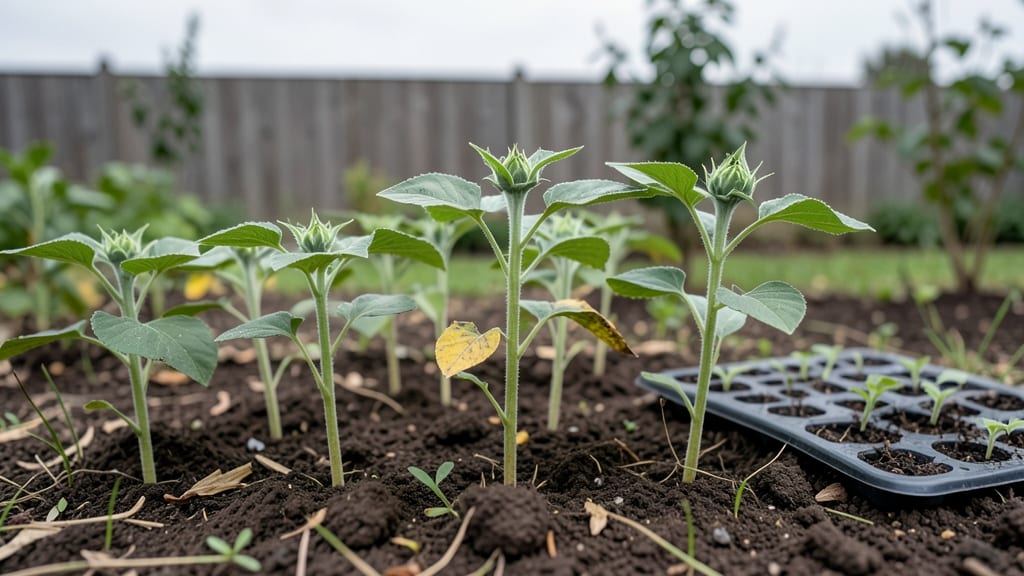
Growing sunflowers from seedlings means bigger blooms in less time—no waiting for seeds to sprout, just strong plants ready to tower over your garden by summer. 🌻 I started this way after my first batch of direct-sown seeds got munched by squirrels, and now I swear by it for reliable, dramatic results.
The secret lies in giving them the right head start indoors, then transplanting when they're sturdy enough to handle the great outdoors.
You'll need just a few basics: seedling trays or pots, a well-draining potting mix, and a sunny windowsill or grow light. Harden off your seedlings for a week before moving them outside, and choose a spot with full sun and rich, well-amended soil.
Sunflowers drink up water, so keep the soil consistently moist but never soggy—think of it as giving them a daily drink, not a bath.
By mid-summer, you'll be rewarded with 10-foot-tall giants that attract pollinators and turn heads at the fence line. The key is spacing them 12-24 inches apart (depending on variety) so they don’t crowd each other, and staking tall varieties early to prevent flopping in wind or rain.
Even if you’ve never grown sunflowers before, this method makes it foolproof.
Whether you're growing for cut flowers, birdseed, or just the sheer joy of watching them grow, seedlings give you a head start on the season. Plus, you can pick varieties that might struggle with direct sowing—like the Mammoth or Russian Giant types.
Let’s get those babies planted and ready to shine!
📚 In This Guide
- What you need
- Instructions
- Tips and common mistakes
- Wrapping up and next steps
What you need
- ● Sunflower seeds: Choose a variety suited to your climate (e.g., Helianthus annuus). Buy 10–20 seeds for a small patch or 50+ seeds for a full garden bed.
- ● Seedling trays or pots: 4–6 inch deep with drainage holes. Use 12–24 cell trays or individual pots for each seedling.
- ● Seed-starting mix: Lightweight, sterile potting soil (avoid garden soil—it’s too dense!). A 10–20 quart bag is ideal.
- ● Grow lights or sunny windowsill: Seedlings need 12–16 hours of light daily. A LED grow light (2–3 feet above seedlings) works best.
- ● Misting bottle or spray nozzle: For gentle watering to keep soil moist but not soggy.
- ● Fertilizer: A balanced, water-soluble fertilizer (e.g., 10-10-10) or fish emulsion for organic growth. Dilute to half-strength for seedlings.
- ○ Heat mat (optional but helpful): Keeps soil warm (70–75°F) for faster germination. A 6–12 inch mat works for most setups.
- ● Garden bed or large containers: Sunflowers need space—plant 12–24 inches apart in rows 2–3 feet apart. Containers should be at least 12 inches deep.
- ● Well-draining soil: Mix compost or aged manure into garden soil for nutrients. A 5-gallon bucket of compost per 100 sq ft is a good rule of thumb.
- ○ Stakes or cages (optional): Tall varieties (over 6 feet) may need 6–8 foot stakes or tomato cages for support.
- ● Mulch: Straw or wood chips to retain moisture and suppress weeds. Use 2–3 inches after transplanting.
- ● 🔥 Test soil pH: Sunflowers thrive in pH 6.0–7.0. A soil test kit ($10–$15) ensures optimal conditions.
- ● 🌡️ Hardening off: Acclimate seedlings to outdoor temps 7–10 days before transplanting by placing them outside for 2–4 hours daily.
- ● ✨ Save seeds: Let a few sunflowers mature fully, then harvest seeds for next year’s garden!
Step-by-Step guide for transplanting sunflower seedlings
Here’s how to give your young sunflowers the strong start they need for those iconic towering blooms.
🌱 Step 1: Harden Off Seedlings Over 7-10 Days
Move your seedlings outdoors gradually to toughen them up. Start by placing them in a sheltered spot—like under a porch or patio cover—for 1-2 hours on the first day. This mimics natural conditions without shocking their delicate stems.
Over the next 7-10 days, extend their outdoor time by 1-2 hours daily, eventually leaving them out all day. Watch for leggy stems—if they stretch too much, they’re not getting enough light. Adjust their placement to ensure they receive 6+ hours of sunlight daily during this period.
I always check the undersides of leaves for yellowing or wilting—a sign they’re not ready. If you see this, bring them back inside for another day or two and try again.
🪴 Step 2: Choose the Right Location and Prepare the Soil
Sunflowers thrive in full sun (6-8 hours daily) and well-draining soil. Pick a spot with at least 2 feet of space between seedlings—they’ll grow 6-12 feet tall, so crowding leads to weak stems and fewer blooms.
Loosen the soil to a depth of 12 inches with a garden fork or tiller. Mix in 2-3 inches of compost (from your ingredients list) to enrich the soil. Sunflowers aren’t picky about soil type, but they’ll reward you with bigger blooms if the ground is fertile and loose.
Here’s the thing—don’t amend the soil with fresh manure. It can burn young roots and stunt growth. Stick to compost or a balanced 10-10-10 fertilizer at planting time.
☀️ Step 3: Transplant Seedlings at the Right Time and Depth
Wait until after the last frost date in your area and when seedlings have 4-6 true leaves. Dig a hole twice as wide as the root ball but only as deep as the container—burying too deep can suffocate the stem.
Gently remove the seedling from its container, keeping the root ball intact. Place it in the hole and backfill with soil, pressing lightly to eliminate air pockets. Water deeply right after planting to settle the soil and encourage root spread.
If your seedlings look leggy or pale, they’ve been stretched from insufficient light. Plant them deeper than usual—up to the first set of true leaves—to encourage stronger stem growth. This trick works surprisingly well!
💧 Step 4: Water and Fertilize for Rapid Growth
Water deeply once a week during the first month, ensuring the soil stays moist but not soggy. Sunflowers have deep taproots, so shallow watering encourages weak, shallow roots. Use a soaker hose or drip irrigation to deliver water at the base.
After the first month, reduce watering to every 10-14 days unless your area experiences extreme heat or drought. Overwatering can cause stem rot, especially in heavy clay soils. Check the soil 2 inches below the surface—if it’s dry, it’s time to water.
Feed seedlings with a balanced fertilizer (10-10-10) every 4-6 weeks during the growing season. Avoid high-nitrogen fertilizers—they promote leafy growth at the expense of blooms. Look for dark green leaves with no yellowing as a sign your plants are happy.
✂️ Step 5: Support and Maintain for Towering Blooms
As stems reach 3-4 feet tall, tie them to stakes or a trellis to prevent toppling. Sunflowers can grow top-heavy, and wind or rain will snap weak stems. Use soft plant ties or cloth strips—avoid wire, which can cut into the stems.
Remove any side shoots that form below the main bud. These compete with the primary flower for energy, resulting in smaller blooms. Pinch them off with your fingers or clean pruners, making the cut just above a leaf node.
Watch for pests like aphids or beetles—they love young sunflower leaves. Spray affected areas with neem oil (from your ingredients list) or a soapy water solution if you spot clusters of tiny bugs. A healthy plant will bounce back quickly!
Tips & tricks for perfect sunflower transplanting
Here's how to troubleshoot common pitfalls—and how to give your sunflowers the best possible start.
Harden Off Gradually: In Step 1, the 1-2 hour initial outdoor exposure is crucial for acclimating seedlings. I've seen gardeners rush this process by taking seedlings straight from indoor warmth to full sun, which causes shock and stunted growth. Start with morning sun only—afternoons can be too intense. If your seedlings show signs of stress (like drooping or yellowing), reduce their outdoor time by an hour the next day. This gradual approach mimics natural conditions and builds resilience.
Soil Preparation Secret: When preparing your planting area in Step 2, focus on creating a loose, aerated soil environment at that 12-inch depth. I like to add a handful of perlite to the compost mix for clay-heavy soils—it improves drainage without compromising fertility. The key is to avoid compacting the soil when backfilling; gently press around the roots rather than tamping down. This creates air pockets that encourage root spread. Remember, sunflowers need room to grow their massive taproots!
Transplanting Technique: In Step 3, that "deeper than usual" planting tip for leggy seedlings is a game-changer. When planting deeper, make sure the stem is buried up to the first set of true leaves—this encourages new root growth along the buried stem. I've had great success with this method even when seedlings were already quite tall. Just avoid burying the cotyledons (those first tiny leaves) as they won't develop into roots. After planting, give the soil a gentle squeeze around the base to eliminate air pockets without compacting.
Watering Wisdom: The deep watering instructions in Step 4 are essential, but here's what nobody tells you—water in the early morning to prevent fungal diseases. I've noticed that evening watering can lead to damp foliage overnight, creating perfect conditions for powdery mildew. When checking soil moisture at 2 inches deep, use your finger rather than a moisture meter for small gardens. The soil should feel like a damp sponge, not a wrung-out washcloth. This moisture level encourages those deep taproots we want.
Pro Tips for Grow Sunflowers From Seedlings
- Here's how to troubleshoot common pitfalls—and how to give your sunflowers the best possible start.
- Harden Off Gradually: In Step 1, the 1-2 hour initial outdoor exposure is crucial for acclimating seedlings.
- Soil Preparation Secret: When preparing your planting area in Step 2, focus on creating a loose, aerated soil environment at that 12-inch depth.
Frequently asked questions
How long does it take for sunflower seedlings to mature?
Most sunflower varieties reach maturity in 90–120 days from seedling transplant. Dwarf varieties may flower in 60–80 days, while giant varieties can take up to 130 days. Check your seed packet for exact timelines—sunflowers thrive on warm days and long sunlight exposure!
Can I transplant sunflower seedlings too early?
Yes, but avoid transplanting until after the last frost and when seedlings have 3–4 true leaves. Cold soil (below 50°F/10°C) can stunt growth. Harden off seedlings for 5–7 days before moving them outside to prevent shock. Patience pays off—rush it, and you risk weak stems!
What if my sunflower seedlings look leggy or weak?
Leggy seedlings need more light! Move them to a sunny windowsill or use grow lights (12–16 hours/day). If roots are crowded, repot into larger containers with well-draining soil. Avoid overwatering—bottom watering helps prevent fungal issues. A little stress now = stronger plants later!
Can I grow sunflowers from store-bought seeds?
Store-bought sunflower seeds (like black oil or striped varieties) work great for seedlings. Just ensure they’re non-GMO if you want to save seeds later. For heirloom traits, opt for seed-saving certified varieties. Pro tip: Rinse seeds in hydrogen peroxide (3%) for 10 mins to boost germination!
What pests should I watch for with sunflower seedlings?
Keep an eye out for aphids, cutworms, and sunflower moths. Use neem oil or insecticidal soap for aphids. For cutworms, create a collar barrier (toilet paper around stems). Birds love sunflower seeds—cover seedlings with floating row covers until they’re established. Prevention beats treatment!
Wrapping up and next steps
Growing sunflowers from seedlings is a rewarding journey that brings vibrant blooms to your garden in just 90 days! With the right soil, spacing, and care, you’ll enjoy tall stems, cheerful faces, and even edible seeds.
Whether you’re a beginner or a seasoned gardener, these tips will help you cultivate sunflowers that turn heads—and attract pollinators.
Now that you’re ready to plant, take the next step: mark your calendar for transplanting and watch your seedlings transform into sun-kissed giants. Happy gardening! 🌻✨