
Size
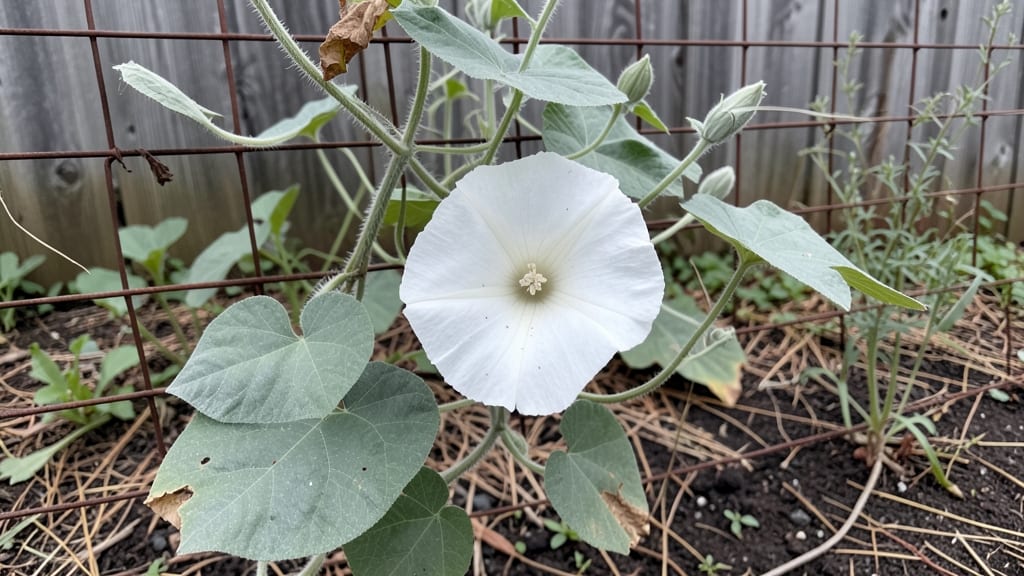
Growing moon flowers (Ipomoea alba) means your garden becomes a nighttime moth magnet—those fragrant white blooms unfurling as dusk falls. ✨ I planted mine last summer, and within 60 days, the vines were climbing my trellis like they’d been there forever.
The secret isn’t complicated: these fast growers just need the right mix of sun, soil, and patience (though they’re surprisingly forgiving).
You’ll need a sunny spot with at least 6 hours of light daily, well-draining soil, and a sturdy trellis or fence for those vines to twine up.
Moon flowers tolerate heat and drought once established, but they hate soggy roots—so if your soil drains poorly, amend it with compost before planting. Start seeds indoors 8-10 weeks before your last frost, or buy young plants in spring for a head start.
By midsummer, you’ll be rewarded with 3-inch-wide blooms that open at night and close by morning, their sweet scent drawing in luna moths and other pollinators. The vines grow 8-10 feet long, so give them space to sprawl or climb.
Prune leggy growth in early summer to encourage bushier, more productive vines—and save those spent blooms for seed pods if you want to collect seeds for next year.
Here’s the kicker: moon flowers are annuals, so they’ll die back with frost. But if you live in a mild climate (Zone 9+), they might reseed themselves for a surprise return the following year.
Even if they don’t, the memory of those moonlit blooms—and the hum of moths in your garden—makes it worth every minute of care.
📚 In This Guide
- What you need
- Instructions
- Tips and common mistakes
- Wrapping up and next steps
What you need
- ● Moonflower seeds: 5–10 seeds (organic, non-GMO preferred for best results).
- ● Well-draining potting mix: 2–3 gallons (look for a blend with perlite or coconut coir for aeration).
- ● Containers or garden bed: Containers: 5–7" deep pots with drainage holes (1–2 per plant).
- ● Garden bed: Full sun (6+ hours/day) with loose, fertile soil (amend with compost if needed).
- ● Watering can or hose: With a gentle spray nozzle for moisture control.
- ● Fertilizer: Balanced 10-10-10 or organic compost tea (apply lightly at planting and monthly).
- ● Trellis or support: 6–8 ft tall (bamboo stakes, wire mesh, or a sturdy fence).
- ○ Mulch (optional but helpful): Straw or shredded leaves to retain moisture.
- ○ Gloves: To protect hands from prickly vines (optional but recommended!).
- ● Pruning shears: For trimming dead leaves or overgrowth.
- ● Plant labels: To track varieties (especially if growing multiple types).
- ● Grow lights (indoor starters): LED or fluorescent for seedlings if natural light is limited.
- ● Insect repellent: Mild neem oil spray (to deter pests like aphids).
Step-by-step guide to cultivating moon flowers for nocturnal beauty
Here's how to coax these ethereal vines into thriving, moth-attracting splendor.
🌱 Step 1: Choose the Perfect Planting Location
Moon flowers (Ipomoea alba) need full sun exposure—at least 6-8 hours daily—to develop their signature large, fragrant blooms. I always plant mine where they'll receive late afternoon sunlight, as this helps trigger their evening flowering cycle. A south-facing wall or trellis works best, but they'll tolerate partial shade in hot climates if given afternoon shade to prevent leaf scorch.
Here's the thing—these vines grow 10-15 feet in one season, so choose a location with strong support. A 6-foot tall trellis or sturdy fence works perfectly for the four plants you'll grow. I like to install the trellis at planting time to avoid disturbing roots later. The vines twine naturally, so no additional tying is needed once established.
💧 Step 2: Prepare Well-Draining Soil and Plant
Moon flowers despise soggy roots, so amend your native soil with 2-3 inches of compost and mix in 1 part perlite to improve drainage. These vines prefer slightly acidic to neutral soil (pH 6.0-7.0). I dig a hole twice as wide as the root ball but only as deep—planting too deep can cause stem rot.
Space your four plants 3-4 feet apart to give them room to sprawl. Water deeply before planting, then place each vine in its hole, spreading roots gently. Backfill with native soil and firm lightly. The key is not to bury the crown—leave it slightly above soil level to prevent water pooling. After planting, water again until moisture reaches 6 inches deep.
☀️ Step 3: Provide Consistent Moisture and Support
Keep soil evenly moist but never waterlogged—1 inch per week is ideal. I water in the early morning to allow foliage to dry before evening, which helps prevent fungal issues. Mulch around plants with 2 inches of shredded bark to retain moisture and suppress weeds. Watch for yellowing leaves—this signals either overwatering or poor drainage.
As vines climb, they'll need gentle guidance initially. I weave the tendrils through trellis slats every 2-3 days until they establish a strong grip. Real talk: the first few nights, you might see them struggle to latch on. That's normal—just give them time. Once established, they'll climb 3-4 feet per week during warm weather.
✂️ Step 4: Prune for Health and Encourage Blooms
Deadhead spent blooms daily during peak flowering (summer evenings) to encourage continuous blooms. I pinch off flowers that fade by mid-morning—this redirects energy to new growth. Prune leggy vines back by one-third in early summer to promote bushier growth. Use clean, sharp pruners and make cuts just above a leaf node to prevent disease entry.
Here's where it gets magical: moon flowers self-seed prolifically. If you want to control spread, remove seed pods before they split open. But if you love surprises, let a few drop—you'll get volunteer plants next season. I always leave 2-3 pods to naturalize in my garden borders.
🪴 Step 5: Overwinter and Prepare for Next Season
In USDA zones 8-11, moon flowers are perennial and will return yearly. In colder zones (7 and below), cut back vines to ground level after first frost. The roots are hardy and will resprout in spring. I cover the base with 4 inches of mulch before winter to insulate roots.
Spring is the time to fertilize lightly—use a balanced 10-10-10 fertilizer at half strength when new growth appears. This jumpstarts their rapid climbing season. Watch for aphids on new shoots; blast them off with water if you see sticky residue. With proper care, your moon flowers will reward you with months of nocturnal fragrance and moth visits.
Tips & tricks for perfect moon flower cultivation
These insider secrets will help you coax the most dramatic evening displays from your moon flowers.
Sunlight Strategy: The 6-8 hours of daily sunlight is non-negotiable, but here's the thing—late afternoon sun is what triggers their nocturnal blooming. If your location gets intense midday sun, provide afternoon shade to prevent leaf scorch while still giving them that crucial evening light. I've seen moon flowers struggle in full morning sun but thrive with filtered afternoon light in hot climates. The key is maintaining that 6-8 hour minimum while protecting leaves during peak heat.
Support System: Those 10-15 foot vines need serious support from day one. I can't stress this enough—install your 6-foot trellis at planting time. These vines twine naturally, but they'll flop dramatically if you wait to add support. Pro tip: use a trellis with 4-inch spacing between slats to give the tendrils plenty of purchase points. If you're planting near a fence, make sure it's sturdy enough to handle the weight—these vines get surprisingly heavy once established.
Watering Wisdom: The 1-inch weekly watering guideline works beautifully, but timing matters just as much. Early morning watering prevents fungal issues by allowing foliage to dry before evening. I've learned this the hard way—wet leaves overnight can lead to powdery mildew, which will ruin your blooms. Also, those yellowing leaves? They're telling you either your soil is too wet or your drainage isn't adequate. The 2-3 inches of compost and perlite mix makes all the difference in preventing soggy roots.
Pruning Payoff: Daily deadheading during peak flowering might seem tedious, but it's what transforms a few sporadic blooms into a continuous evening display. I set a timer for mid-morning each day to remind myself—this redirects the plant's energy from seed production to creating more flowers. And that one-third pruning in early summer? It might seem counterintuitive, but it forces the plant to branch out rather than grow one long, leggy vine. Think of it as giving your moon flowers a haircut to encourage bushier growth.
Pro Tips for Grow Moon Flowers
- These insider secrets will help you coax the most dramatic evening displays from your moon flowers.
- Sunlight Strategy: The 6-8 hours of daily sunlight is non-negotiable, but here's the thing—late afternoon sun is what triggers their nocturnal blooming.
- Support System: Those 10-15 foot vines need serious support from day one.
Frequently asked questions
Got questions about growing moon flowers? You’re not alone—these magical vines spark curiosity! Here are answers to the most common queries to help you cultivate stunning night-blooming beauty with ease.
When do moon flowers bloom, and how long do the flowers last?
Moon flowers (like Ipomoea alba) typically bloom from late summer to fall, opening their fragrant white blooms at dusk and closing by morning. Each flower lasts just 24 hours, but new buds form daily for weeks! For continuous blooms, plant in full sun and keep soil moist.
Why aren’t my moon flower seeds germinating?
Moon flower seeds need warmth and darkness to sprout. Try these fixes:
- Soak seeds in warm water for 24 hours before planting.
- Plant 1 inch deep in well-draining soil and keep it moist (not soggy).
- Cover seeds with a lightweight cloth to block light until sprouts appear (usually 7–14 days).
- Ensure soil temps are at least 70°F (21°C)—use a heat mat if needed.
Can I grow moon flowers in containers, or do they need a garden?
Yes! Moon flowers thrive in containers if given enough space. Choose a 5-gallon pot or larger with drainage holes, and use a trellis or tomato cage for support. Opt for potting mix with compost and water regularly—containers dry out faster than garden beds. Pro tip: Place pots in full sun and move them to a cooler spot if temps exceed 90°F (32°C).
What pests should I watch for, and how do I prevent them?
Moon flowers attract beneficial insects but can also draw:
- Spider mites: Spray leaves with water daily to deter them.
- Aphids: Blast off with a hose or use neem oil.
- Slugs/snails: Set up beer traps or use copper tape around pots.
Prevention tip: Keep your garden clean and mulch around plants to discourage pests. Healthy vines with good airflow resist infestations better!
Are moon flowers toxic to pets or children?
Moon flowers are non-toxic to humans, dogs, and cats, according to the ASPCA. However, ingesting large amounts may cause mild stomach upset in pets. Always monitor curious pets near plants, and supervise children playing in the garden. For peace of mind, grow them in secure containers if pets roam freely.
Wrapping up and next steps
Growing moon flowers is a rewarding journey that brings magic to your garden with their fragrant, nocturnal blooms and their ability to attract pollinators like moths. 🌙 With the right location, soil, and care, these vines will thrive and fill your evenings with beauty.
Now that you’re equipped with all the tips and tricks, it’s time to roll up your sleeves and plant—your garden’s nighttime show is just a few weeks away!
Ready to take the next step? Start by choosing your moon flower variety (like Ipomoea alba or Ipomoea noctiflora) and mark your calendar for planting season. Happy gardening!