
Size
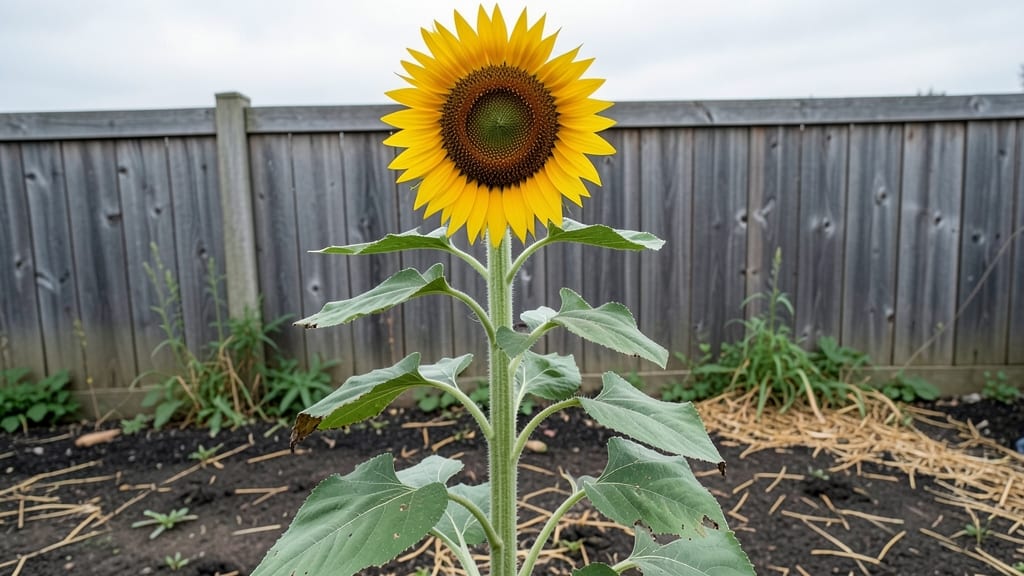
Growing giant sunflowers that reach 12 feet tall starts with the right variety and a little patience. 🌻 I learned the hard way that 'Russian Giant' isn't just a name—it lives up to the hype when given proper care.
The secret isn't complicated, but it does require consistency in soil prep, spacing, and watering.
You'll need rich, well-draining soil mixed with compost, full sun for at least 8 hours daily, and plenty of space—these giants need 2-3 feet between plants.
Most people underestimate how much water they need, especially in dry spells. I've seen weak stems from inconsistent watering, so aim for 1-2 inches per week.
By mid-summer, you'll watch those stems shoot up like skyscrapers, with blooms so massive they cast shadows. The key is regular staking once they hit 3-4 feet tall, and fertilizing with a balanced 10-10-10 mix every 3-4 weeks. Even beginners can grow these monsters with the right approach.
These sunflowers aren't just tall—they're showstoppers that attract pollinators and make your garden the talk of the neighborhood. Let's get growing those towering beauties!
📚 In This Guide
- What you need
- Instructions
- Tips and common mistakes
- Wrapping up and next steps
What you need
- ● Giant sunflower seeds: Choose Helianthus annuus varieties like 'Mammoth' (10–14 ft), 'Russian Giant' (12–15 ft), or 'American Giant' (10–12 ft). Buy 10–20 seeds for best results.
- ● Well-draining soil: A mix of 60% topsoil, 30% compost, and 10% perlite or sand (1–2 cubic yards for a 10x10 ft garden bed).
- ● Fertilizer: Balanced 10-10-10 fertilizer (1–2 lbs per 100 sq ft) for planting.
- ● High-phosphorus fertilizer (5-10-10) (1 lb per plant) when buds form.
- ● Watering can or hose with a gentle nozzle (sunflowers need 1–2 inches of water per week).
- ○ Stakes or cages (optional but recommended): 6–8 ft wooden stakes or metal tomato cages (1 per plant) for support.
- ● Garden trowel or shovel for planting.
- ● Pruners or sharp scissors for trimming lower buds (if thinning).
- ● Mulch (straw or wood chips) (2–3 inches) to retain moisture.
- ● Sunflower-specific fungicide (like Neem oil) to prevent powdery mildew.
- ● Gloves and knee pads for comfort.
- ● Sunlight: Full sun (6–8+ hours daily)—giant sunflowers are sun-hungry!
- ● Space: 2–3 feet between plants (they spread!).
- ● Warmth: Plant after the last frost when soil is at least 55°F (13°C).
Step-by-Step instructions for growing towering sunflowers
Here's the method I use to coax sunflowers to reach their full, dramatic potential.
🌱 Step 1: Choose the Right Variety and Prepare the Soil
Start with a proven giant variety like 'Russian Giant' or 'Mammoth'—these can reach 12-14 feet tall with the right care. Clear the planting area of weeds and loosen the soil to a depth of 12 inches using a garden fork. Sunflowers need deep, well-draining soil rich in organic matter.
Mix in 3-4 inches of compost or aged manure into the top 12 inches of soil. This ensures strong root development from the start. The soil should feel crumbly and hold moisture without becoming soggy—think of it like a damp sponge rather than wet clay. Test the pH if possible; sunflowers prefer a neutral range of 6.0-7.0.
☀️ Step 2: Plant Seeds at the Right Time and Depth
Wait until after the last frost date in your area and when soil temperatures reach at least 55°F. Plant seeds 1-2 inches deep and 6-12 inches apart in rows spaced 2-3 feet apart. This spacing prevents overcrowding and allows stems to grow strong and straight.
I like to plant 2-3 seeds per hole and thin to the strongest seedling once they're 4-6 inches tall. Use your fingers to gently remove weaker seedlings at the base—don't pull them, or you'll disturb the roots of the remaining plants. Water the area gently after planting to settle the soil around the seeds.
💧 Step 3: Water Deeply and Support as They Grow
Keep the soil consistently moist but never waterlogged—sunflowers hate soggy roots. Water deeply once a week, aiming for 1-2 inches of water per week, and more during dry spells. You'll know you're doing it right when the top 2 inches of soil feel dry to the touch before watering again.
When plants reach 3 feet tall, install sturdy 6-foot stakes or a strong trellis next to each sunflower. Tie the main stem loosely with soft plant ties or old fabric strips every 1-2 feet up the stalk. This prevents the wind from snapping them as they grow heavier. I always check ties weekly—they can become too tight as stems thicken.
✂️ Step 4: Fertilize and Prune for Maximum Height
Side-dress with a balanced fertilizer (10-10-10) when plants are 1 foot tall, then again when they reach 4 feet. Use only 1 tablespoon per plant to avoid burning roots. Sunflowers are heavy feeders, but too much fertilizer can lead to weak stems that flop over.
Remove any side shoots that form at the base of the plant—these divert energy away from the main stem. Watch for yellowing lower leaves as the plant matures; these are normal and can be trimmed off to redirect nutrients upward. The goal is to keep the plant focused on growing that single, towering stalk.
⏰ Step 5: Harvest and Enjoy Your Sunflower Giants
Leave the flower heads on the stalks until the back of the petals turns brown and the seeds feel firm when squeezed. This usually happens 90-120 days after planting, depending on your climate. Cut the stalks at the base with clean pruners or a sharp knife, leaving a few inches of stem attached.
To dry the seeds, hang the flower heads upside down in a well-ventilated, dry place for 2-3 weeks. Once the seeds rattle inside the head, remove them and store in an airtight container. You'll have stunning cut flowers and seeds for next year's planting—plus, the experience of growing something truly impressive.
Tips & tricks for growing towering sunflowers
Here's what I learned after growing sunflowers that nearly touched my roof—these details make all the difference.
Soil Prep Secret: When loosening that 12-inch depth of soil in Step 1, don't just scratch the surface. Use a garden fork to break up compacted layers all the way down. I once skipped this and ended up with stunted plants that couldn't support their own weight. Think of it like building a foundation—deep, loose soil lets those massive roots spread properly for stability. The 3-4 inches of compost should be worked in thoroughly, not just sprinkled on top.
Planting Timing: That 55°F soil temperature in Step 2 is non-negotiable. I learned this the hard way when I planted too early in cool spring soil—my seeds rotted before germinating. Check soil temp with a thermometer or wait until nighttime temps stay above 50°F consistently. And here's a pro move: plant your seeds in the evening when temps are cooler. This prevents them from drying out while they wait to germinate.
Support System Strategy: For those 6-foot stakes in Step 3, I've found bamboo stakes work better than metal ones—they're lighter to handle and won't conduct heat that could burn stems. When tying, use soft fabric strips instead of wire. I tie every 1-2 feet but leave room for growth—you can always add more ties later. The key is to let the plant grow into the support naturally rather than forcing it against tight bindings.
Fertilizer Timing: That 10-10-10 fertilizer in Step 4 needs to be applied precisely. The first feeding at 1 foot tall gives them a growth boost, but the second at 4 feet is critical for stem strength. I've seen plants that got too much fertilizer at the wrong time grow lush leaves but weak stems that snapped in wind. Stick to the 1 tablespoon per plant measurement—more won't make them grow faster, it'll just burn their roots.
Pro Tips for Grow Giant Sunflowers
- Here's what I learned after growing sunflowers that nearly touched my roof—these details make all the difference.
- Soil Prep Secret: When loosening that 12-inch depth of soil in Step 1, don't just scratch the surface.
- Planting Timing: That 55°F soil temperature in Step 2 is non-negotiable.
Frequently asked questions
Got questions about growing towering sunflowers? You’re not alone! Here are answers to the most common queries—from timing tips to troubleshooting tricks—to help you cultivate those jaw-dropping giants with confidence.
When is the best time to plant sunflower seeds for maximum height?
For giant sunflowers, plant seeds after the last frost when soil temps hit 55–60°F (13–15°C). In most regions, this means late spring (April–May). Early planting risks frost damage, while late planting may stunt growth—aim for 60–90 days before your first fall frost for full maturity.
How much water do giant sunflowers need, and how often should I water them?
Giant sunflowers thrive with 1–2 inches (2.5–5 cm) of water per week, either from rain or manual watering. Water deeply 2–3 times per week during dry spells, focusing on the base of the plant (not the leaves) to prevent fungal issues. Mulch helps retain moisture and keeps roots cool.
Can I grow giant sunflowers in containers, or do they need a garden bed?
Yes! Choose a large container (at least 12–18 inches deep and wide) with drainage holes. Use a lightweight potting mix and stake the plant early to support its weight. Containers limit root growth, so expect slightly smaller (but still impressive!) sunflowers—5–8 feet tall instead of 10+ feet.
What should I do if my sunflower leaves start turning yellow or have holes?
Yellowing leaves often signal overwatering or nutrient deficiency (like nitrogen lack). Holes? Likely insects (e.g., beetles or caterpillars). Fix it: Adjust watering, add compost/fertilizer, and spray with neem oil or insecticidal soap. Check the undersides of leaves for pests and remove damaged foliage promptly.
Do giant sunflowers need full sun, or can they tolerate partial shade?
Giant sunflowers crave full sun (6–8+ hours daily) for maximum height and bloom size. In partial shade (4–6 hours of sun), they’ll grow slower and produce smaller flowers. If shade is unavoidable, choose dwarf varieties or supplement with a grow light for 4–6 hours/day.
Wrapping up and next steps
Growing giant sunflowers is all about patience, the right conditions, and a little extra care—but the reward is worth it! With the proper soil, sunlight, spacing, and support, you’ll be amazed at how tall and vibrant your sunflowers can grow.
Whether you’re aiming for a stunning garden centerpiece or a fun family project, these towering blooms will bring joy and pride to your outdoor space.
Ready to take the next step? Start with just one or two plants this season, experiment with the techniques you’ve learned, and watch your sunflower dreams bloom—literally! 🌻✨