
Pests
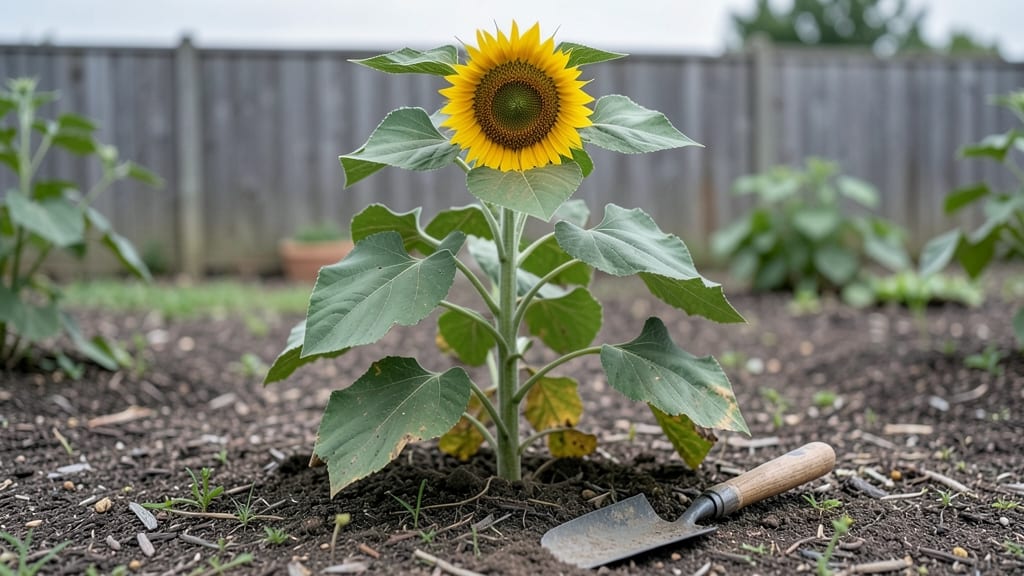
Sunflower seeds are the gateway to 6-foot-tall giants that turn any garden into a summer showstopper. 🌻 I’ve grown them from store-bought packets and saved my own from last year’s plants—both work, but the process isn’t as simple as grabbing any seeds from the shelf.
The right variety (tall, dwarf, or oil-type) and freshness make all the difference between a scraggly stem and a towering bloom that hummingbirds can’t resist.
Your best bets are local nurseries for tried-and-true varieties or online seed banks for heirloom options, but always check the packet for planting dates—sunflowers need 60-85 days of warmth to reach their full glory.
If you’re harvesting your own, wait until the back of the seed head turns brown and papery, then dry them in a cool, dark place for a week before storing in an airtight container.
Just don’t skip the viability test: soak a few seeds overnight—if they swell, they’re ready to plant.
What you’ll end up with is a sun-drenched spectacle that attracts pollinators, provides birdseed for winter, and gives you bragging rights at the neighborhood potluck. The key is starting early (indoors if your zone’s frost lingers) and giving them plenty of space—those roots spread wide.
By midsummer, you’ll be snapping photos of your sunflowers against the sky, wondering why you didn’t try this sooner.
Works for containers, raised beds, or open ground—just adjust spacing. And if you’re in a short-season area, opt for fast-maturing varieties like ‘Moulin Rouge’ (50 days) or ‘Autumn Beauty’ (60 days). Here’s how to pick the perfect seeds for your garden’s personality.
📚 In This Guide
- What you need
- Instructions
- Tips and common mistakes
- Wrapping up and next steps
What you need
- ● Sunflower seeds: Choose heirloom or hybrid varieties (e.g., ‘Russian Giant’ or ‘Mammoth’). Buy 20–50 seeds depending on your space.
- ○ Growing containers (optional for indoor starts): 3–4 inch pots with drainage holes or biodegradable seedling cups.
- ● Potting soil: 1 bag (1–2 cubic feet) of high-quality, well-draining seed-starting mix (or garden soil amended with compost).
- ● Outdoor planting site: A sunny spot (6+ hours of direct sunlight daily) with loose, fertile soil.
- ● Watering can or hose: With a gentle spray nozzle for seedlings.
- ○ Fertilizer (optional but helpful): A balanced, slow-release granular fertilizer (10-10-10) or compost tea for nutrient boost.
- ● Garden trowel or hand shovel for transplanting.
- ● Measuring tape or ruler (sunflowers need 12–24 inches of spacing between plants).
- ○ Garden gloves (optional but handy for messy soil!).
- ● Mulch (straw or grass clippings) to retain moisture and suppress weeds.
Step-by-Step guide to growing sunflower seeds
Here's how to transform tiny seeds into towering sunflowers in just two months.
🌱 Step 1: Prepare the Planting Site for Maximum Growth
Sunflowers thrive in well-drained soil with plenty of space to stretch their roots. Choose a location that receives full sun—at least 6-8 hours daily. Clear the area of weeds and loosen the top 6 inches of soil with a garden fork or tiller to improve aeration and drainage.
Sunflowers aren't picky about soil type, but they perform best in slightly acidic to neutral soil (pH 6.0-7.5). If your soil is heavy clay or sandy, mix in 2-3 inches of compost to improve fertility and moisture retention. Work it into the top layer until the soil looks dark and crumbly—this ensures roots can easily penetrate and access nutrients.
🌱 Step 2: Plant Seeds at the Right Depth and Spacing
Sunflower seeds are large and contain plenty of stored energy, so they don’t need to be planted deeply. Drop 1-2 seeds per hole about 1 inch deep and 6-12 inches apart in rows spaced 18-24 inches apart. The extra space prevents overcrowding, which can lead to weak stems and fewer blooms.
Here's the thing—sunflowers are sensitive to cold soil. Wait until the soil temperature reaches at least 55°F before planting, usually after the last frost date in your area. If you're in a cooler climate, consider starting seeds indoors 2-3 weeks before the last frost and transplanting seedlings outdoors once they have 2-3 true leaves and the soil has warmed.
☀️ Step 3: Provide Consistent Water and Light for Rapid Growth
Water sunflower seeds gently but thoroughly after planting to settle the soil around them. Keep the soil evenly moist but not soggy—sunflowers hate waterlogged roots. Once seedlings emerge, water deeply 1-2 times per week, aiming for 1 inch of water per week. You'll know you're doing it right when the top 2 inches of soil feel dry to touch before the next watering.
Sunflowers grow fastest when they receive plenty of sunlight. If you notice seedlings stretching toward the sun with pale, leggy stems, they need more light. Thin weaker seedlings to leave only the strongest plant in each hole, giving remaining plants 12-18 inches of space to grow. This ensures each plant gets enough sunlight and nutrients to develop strong stems and vibrant blooms.
✂️ Step 4: Monitor for Pests and Support Tall Stems
As sunflowers grow, they may need support to prevent them from toppling over, especially in windy conditions. Install stakes or cages around plants when they reach 2-3 feet tall and gently tie the main stem to the support with soft plant ties. This keeps stems upright and encourages healthy growth toward the sun.
Watch for common pests like aphids, beetles, or birds that may peck at seeds. If you spot damage, use a strong stream of water to dislodge pests or apply an organic insecticide like neem oil. Sunflowers are generally low-maintenance, but removing spent blooms can encourage more flowers to develop on the same plant.
🌻 Step 5: Harvest Seeds When Fully Mature
The moment you've been waiting for arrives when the sunflower heads turn brown and the back of the head feels dry to touch. This usually happens 60-90 days after planting, depending on the variety. Cut the head from the stem and hang it upside down in a dry, well-ventilated area to dry completely.
Once the seeds are fully dried and the outer bracts turn brittle, rub the head gently to release the seeds. Store them in a cool, dry place in an airtight container for up to 3 years. You'll know they're ready to replant when they feel firm and the seed coats are hard and dry.
Tips & tricks for perfect sunflower growth
Here's what I've learned from years of growing sunflowers that'll help you avoid common pitfalls and get those towering blooms.
Soil Preparation Secret: The key to strong roots starts in Step 1 with that 6-inch soil loosening. I like to add a handful of bone meal to the compost mix—it provides phosphorus for those deep root systems. This is especially important if your soil tests below pH 6.0, where sunflowers struggle to absorb nutrients. Test your soil first if possible, but even a simple at-home kit will help you adjust.
Planting Precision: When planting those 1-2 seeds per hole in Step 2, here's a trick: use a dibble or pencil to make holes exactly 1 inch deep. This prevents over-planting while ensuring consistent germination. I've found that planting in a slight depression helps capture water during those first critical weeks when seedlings are establishing roots. The 6-12 inch spacing might seem generous, but it's what prevents those weak stems that can't support heavy blooms.
Watering Wisdom: That 1-2 inch weekly watering in Step 3 needs special attention. I water in the morning so the soil has all day to dry out—sunflowers hate wet feet. A soaker hose works wonders for delivering water directly to the roots without wetting the leaves, which helps prevent fungal diseases. And when you check that top 2 inches of soil, press firmly—it should feel like a slightly damp sponge, not a wet rag.
Harvesting Hack: For Step 5, here's my pro move: when those heads turn brown, I cut them with a sharp knife and immediately hang them upside down in a dark, well-ventilated space. I use an old burlap sack with holes poked in it—it catches any stray seeds while allowing airflow. The drying process takes about 2 weeks, but you'll know they're ready when the seeds rattle inside the head like maracas.
Pro Tips for Get Sunflower Seeds
- Here's what I've learned from years of growing sunflowers that'll help you avoid common pitfalls and get those towering blooms.
- Soil Preparation Secret: The key to strong roots starts in Step 1 with that 6-inch soil loosening.
- Planting Precision: When planting those 1-2 seeds per hole in Step 2, here's a trick: use a dibble or pencil to make holes exactly 1 inch deep.
Frequently asked questions
Got questions about growing or harvesting sunflower seeds? You’re not alone! Here are answers to the most common queries to help you crush your sunflower-growing game—no fluff, just facts.
Can I grow sunflower seeds from store-bought sunflower seeds?
Store-bought sunflower seeds (the inedible kind in shells) are perfect for planting. Just make sure they’re labeled as heirloom or non-hybrid—this ensures you’ll get true-to-type blooms. Pro tip: Skip the salted or flavored seeds; they won’t sprout.
How long does it take for sunflower seeds to germinate?
Sunflower seeds typically sprout in 7–14 days after planting, depending on soil warmth and moisture. Keep the soil consistently damp (not soggy) and in a sunny spot. If nothing sprouts after 2 weeks, try replanting—sometimes seeds just need a little extra patience!
What pests should I watch for when growing sunflower seeds?
Sunflowers are tough, but keep an eye out for aphids, sunflower moths, and birds (they love the seeds!). Use row covers early on to deter pests, and handpick larger critters. For moths, remove damaged buds promptly. Bonus: Ladybugs are natural aphid predators—welcome them to your garden!
Can I grow sunflowers in containers?
Yes! Dwarf varieties (like ‘Teddy Bear’ or ‘Moulin Rouge’) thrive in 5-gallon pots with drainage holes. Use a lightweight potting mix and place the container in full sun. Just ensure the pot is deep enough—sunflowers have long taproots, so avoid shallow planters.
How do I know when sunflower seeds are ready to harvest?
Seeds are ready when the back of the flower head turns yellow and the petals droop or fall off. Snap off the head with a gloved hand or use pruners. Let it dry indoors for 1–2 weeks in a warm, dry place (like a paper bag with holes). Rub the head to release seeds—no need for fancy tools!
Still stumped? Drop your question in the comments—we’ve got your back!
Wrapping up and next steps
Growing sunflower seeds is a rewarding journey—whether you're harvesting vibrant blooms, crunchy snacks, or even pest-resistant greens! 🌻 With the right soil, sunlight, and care, you’ll enjoy towering stems in just 60 days. Start small, experiment with varieties, and don’t forget to share your harvest with friends or wildlife.
Ready to bloom with confidence? Grab your seeds, pick a sunny spot, and plant today—your garden (and future sunflower lovers) will thank you! 🌱