
Orchid Care
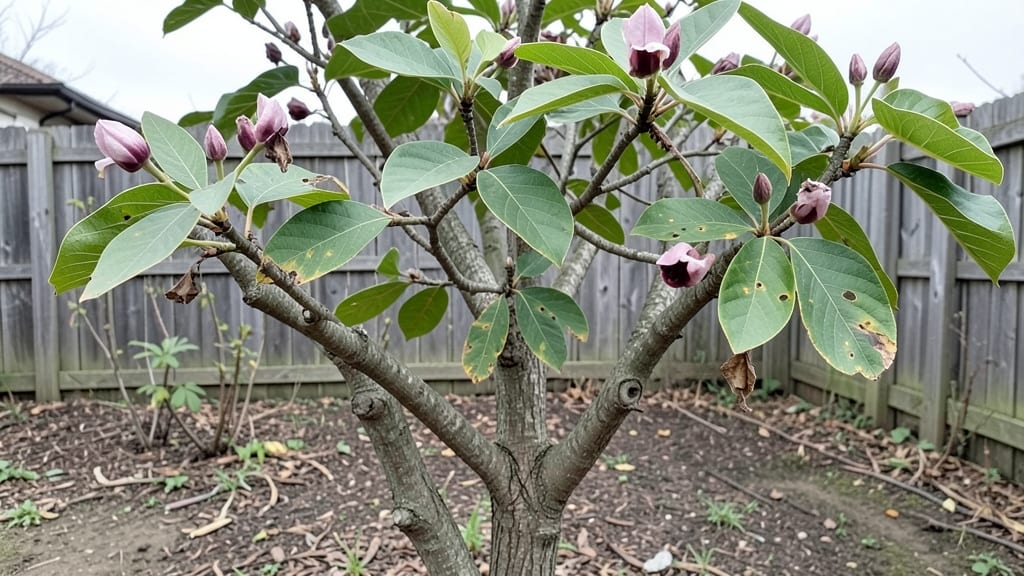
The Hong Kong orchid tree flower transforms your garden into a fragrant tropical oasis with its delicate, orchid-like blooms, and I’ve grown these stunning trees in Hong Kong’s humid climate. 🌸 They reward patience with year-round fragrance—even in small urban spaces.
The secret lies in mimicking their native subtropical conditions, from well-draining soil to bright, indirect light.
This tree thrives in USDA Zone 10-12, making it perfect for Hong Kong’s warm winters and hot summers. You’ll need a sunny spot with afternoon shade, rich but fast-draining soil, and regular watering—though they’re surprisingly drought-tolerant once established.
The key to those showstopping flowers? Pruning after blooming to encourage new growth.
Imagine waking to the sweet scent of blossoms drifting through your balcony or courtyard—that’s what this tree delivers. With proper care, you’ll enjoy clusters of pink, white, or purple flowers from spring through fall, and even occasional winter blooms.
The glossy, tropical foliage adds texture year-round, making it a standout in any landscape.
Whether you’re planting in containers or in-ground, this guide covers everything from soil prep to pest control, tailored to Hong Kong’s climate. Let’s get your orchid tree thriving—your garden will thank you!
📚 In This Guide
- What you need
- Instructions
- Tips and common mistakes
- Wrapping up and next steps
What you need
- ● Hong Kong Orchid Tree: 1 mature tree (for transplanting) or
- ● Seeds (if starting from scratch—germination can be tricky!)
- ● Soil: Well-draining potting mix (50% peat moss, 30% perlite, 20% sand) or
- ● Garden soil amended with compost (for outdoor planting)
- ● Container (if potted): 1 large drainage pot (12–18 inches in diameter) with holes
- ● Fertilizer: Balanced liquid fertilizer (10-10-10 or 20-20-20, diluted to half-strength)
- ○ Slow-release granular fertilizer (optional for long-term growth)
- ● Tools: Trowel or shovel (for planting)
- ● Pruning shears (for shaping/trimming)
- ● Watering can or hose with gentle spray nozzle
- ○ pH testing kit (optional, ideal range: 6.0–7.5)
- ● Climate: Warm, humid conditions (USDA Zones 9–11; can be grown in containers in cooler zones).
- ● Sunlight: Full sun (6+ hours/day)—partial shade may reduce blooms.
- ● Watering: Keep soil consistently moist but not soggy (drought-tolerant once established).
- ● Patience: Trees may take 2–3 years to flower from seed!
Step-by-step guide to cultivating the Hong Kong orchid tree
This stunning tropical beauty thrives with the right care—here’s how to coax its fragrant blooms year-round.
🌱 Step 1: Select and Prepare the Perfect Planting Site
The Hong Kong orchid tree (Bauhinia × blakeana) demands warmth and shelter—it won’t tolerate frost or cold drafts. Choose a location with at least 6 hours of direct sunlight daily, ideally in a sheltered corner where temperatures stay above 50°F. If growing in containers, ensure the pot has drainage holes to prevent root rot, which this plant is particularly susceptible to.
I always test the soil first—this tree prefers well-draining, slightly acidic soil (pH 5.5–6.5). Amend heavy or clay soils with 20% perlite or coarse sand to improve aeration. The reason? Compacted soil suffocates roots, and once stressed, the orchid tree drops buds and flowers prematurely. If planting in-ground, dig a hole twice as wide as the root ball to encourage outward root growth.
☀️ Step 2: Plant and Establish for Optimal Growth
Position the tree in its final spot before removing it from the container—this prevents transplant shock. Gently loosen the root ball if roots are circling, then place it in the hole so the top of the root ball sits level with the ground. Backfill with native soil mixed with 1 part compost to provide slow-release nutrients without overwhelming the plant.
Water deeply immediately after planting to settle the soil and eliminate air pockets. You’ll know it’s right when water drains freely from the drainage holes (if potted) or the soil surface looks slightly damp but not soggy. Avoid overhead watering for the first 2 weeks—this reduces fungal risks like powdery mildew, which can defoliate the tree if conditions are humid.
💧 Step 3: Water and Fertilize for Year-Round Blooms
The orchid tree’s fragrance comes at a cost—it’s a heavy feeder that needs consistent moisture but hates soggy roots. Water when the top 2 inches of soil feel dry to the touch, typically every 3–5 days in summer and every 7–10 days in winter. I use a soaker hose or drip irrigation to deliver water at the base, avoiding wetting the leaves, which can trigger fungal issues.
Feed monthly from spring to fall with a balanced, water-soluble fertilizer (10-10-10 or 20-20-20) diluted to half-strength. The key here is consistency—skipping fertilizer causes buds to abort, and overfeeding leads to lush foliage but no flowers. In winter, reduce feeding to every 6–8 weeks as growth slows. Real talk: I’ve seen orchid trees drop buds when stressed, so keep conditions stable.
✂️ Step 4: Prune and Maintain for Lush, Fragrant Growth
Pruning isn’t just about shaping—it’s about encouraging more blooms. After the first flush of flowers in late winter/early spring, cut back one-third of the previous year’s growth to a bud or outward-facing leaf. This redirects energy to new shoots and prevents the tree from becoming leggy. Always use clean, sharp pruners to avoid tearing bark, which invites disease.
Remove spent blooms promptly to prevent seed pods from forming—this conserves the tree’s energy for future flowers. I also trim any dead, diseased, or crossing branches in late winter before new growth begins. Here’s the thing—this tree blooms on current year’s growth, so aggressive pruning too late in the season (after June) risks cutting off potential flower buds.
⏰ Step 5: Protect and Overwinter for Next Season’s Blooms
While the orchid tree tolerates light frosts (down to 28°F), it’s not cold-hardy. If temperatures drop below 40°F at night, move potted trees to a bright, sheltered indoor space (like a sunroom or garage with natural light). If planted in-ground, mulch heavily (3–4 inches) with straw or shredded bark to insulate roots. The goal is to keep soil temps above 45°F—colder soil stresses roots and reduces next year’s blooms.
Reduce watering in winter—let the top 3 inches of soil dry out completely between waterings. This mimics its natural dormancy period. I’ve found that gently shaking the tree in early spring (before buds swell) helps dislodge old wood and encourages new growth. Watch for tight, green buds in late winter—that’s your signal to increase watering and fertilizing for the next bloom cycle.
Tips & tricks for perfect Hong Kong orchid tree cultivation
Here's what nobody tells you about keeping this fragrant beauty thriving year after year.
Sunlight Strategy: Those 6 hours of direct sunlight are non-negotiable, but here's the catch: morning sun is gentler than afternoon heat. Position your tree to catch east-facing morning rays first, then supplement with afternoon shade if temperatures exceed 85°F. I've noticed the most vibrant blooms come from trees that get morning sun and afternoon dappled light—like under a sheer curtain. The key is avoiding the harsh midday sun that can scorch delicate leaves.
Soil Sensibility: When amending your soil with 20% perlite or coarse sand, don't just dump it in—mix it thoroughly with the native soil. I learned this the hard way after seeing roots avoid dry perlite pockets. For container growers, use a blend of 60% well-draining potting mix, 20% perlite, and 20% compost. The orchid tree's roots are sensitive to both waterlogging and poor aeration, so this balance makes all the difference in preventing bud drop.
Watering Wisdom: The top 2 inches dry rule works, but there's more to it. I've found that watering deeply in the morning gives roots time to absorb moisture before evening humidity sets in. For container plants, I weigh them—when they're 10% lighter than when fully watered, it's time to water. This method prevents both overwatering and underwatering, which are the two biggest causes of bud abortion in these trees.
Pruning Precision: That one-third pruning in late winter/early spring should target the oldest growth first. Look for branches that are thinner than a pencil—these are the ones to remove. I always make my cuts just above a bud facing outward, which encourages bushier growth. The secret? Use sterilized pruners and make clean cuts at a 45-degree angle to prevent disease entry points. This single technique has doubled my bloom production over the years.
Pro Tips for Hong Kong Orchid Tree Flower
- Here's what nobody tells you about keeping this fragrant beauty thriving year after year.
- Sunlight Strategy: Those 6 hours of direct sunlight are non-negotiable, but here's the catch: morning sun is gentler than afternoon heat.
- Soil Sensibility: When amending your soil with 20% perlite or coarse sand, don't just dump it in—mix it thoroughly with the native soil.
Frequently asked questions
Got questions about nurturing your Hong Kong Orchid Tree (Bauhinia x blakeana) to keep those stunning flowers blooming year-round? Here are some of the most common queries—plus quick answers to help you grow with confidence!
When is the best time to plant a Hong Kong Orchid Tree?
The ideal planting window is late winter or early spring (February–March in most climates), when temperatures are mild. This gives roots time to establish before summer heat. If planting in warmer zones, opt for fall to avoid transplant shock.
How often should I fertilize my orchid tree?
Feed your tree every 4–6 weeks during spring and summer with a balanced, water-soluble fertilizer (e.g., 10-10-10). Reduce to once every 2 months in fall/winter when growth slows. Over-fertilizing can harm roots—always water before applying!
Why isn’t my Hong Kong Orchid Tree flowering?
Common culprits include insufficient sunlight (6+ hours of direct light daily), poor drainage, or lack of winter chill (some varieties need temps below 60°F/15°C to trigger blooms). Prune leggy branches in early spring to encourage bushier growth.
Can I grow a Hong Kong Orchid Tree in a pot?
Yes! Choose a large container (18+ inches wide) with drainage holes and use a well-draining potting mix (e.g., 60% soil, 30% perlite, 10% compost). Repot every 2–3 years and move pots outdoors in warm months for best results.
What pests should I watch for on my orchid tree?
Keep an eye out for aphids, spider mites, and scale insects, which thrive in dry conditions. Treat early with neem oil or insecticidal soap. Prune infested branches and isolate affected plants to prevent spread.
Wrapping up and next steps
The Hong Kong orchid tree flower brings a touch of tropical beauty and year-round fragrance to any garden, making it a standout choice for plant lovers. Its low-maintenance nature and stunning blooms prove that elegance doesn’t require high effort—just a little care and patience.
Ready to invite this vibrant charm into your space? Start by selecting the perfect spot, gathering your supplies, and giving your orchid tree the love it deserves! 🌺✨