
Flowers
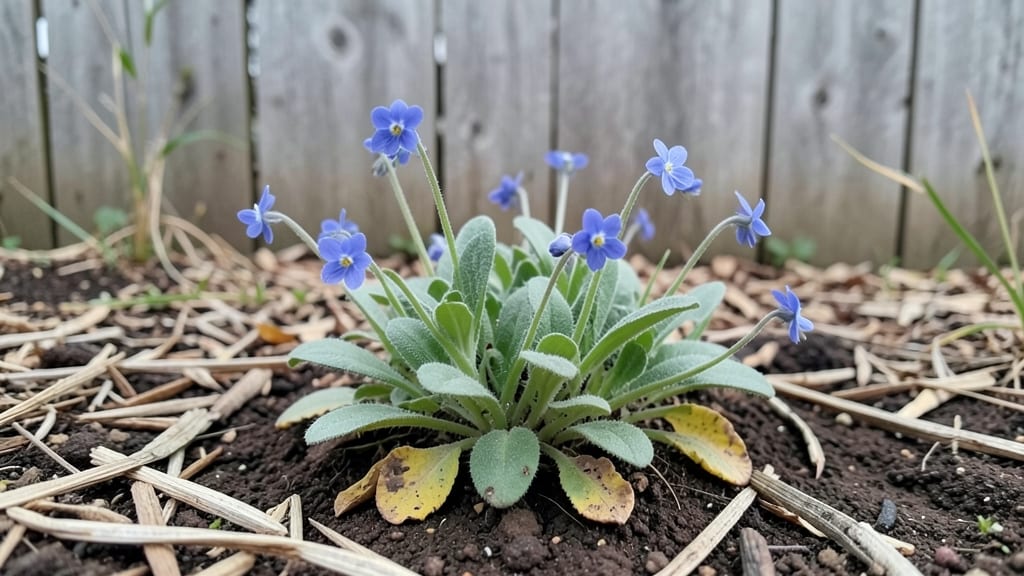
Growing forgot-me-not flowers in the Pacific Northwest means you’ll have cheerful blue blooms even after frost—no green thumb required. 🌿 I’ve watched these hardy plants push through spring mud and still deliver weeks of delicate florets, and the secret lies in their love of cool, damp conditions.
These aren’t finicky flowers; they thrive where many others struggle, making them perfect for shady corners or early-season gardens.
The real magic happens in moist, well-draining soil—think of a mix that holds water like a sponge but doesn’t stay soggy. Plant them in partial shade (they’ll tolerate full sun if kept cool), and water consistently without drowning them.
Forgot-me-nots are annuals, but they self-seed like crazy, so you’ll often get free volunteers popping up where you least expect them.
By late spring, you’ll be rewarded with clusters of tiny blue flowers that last for weeks—longer if you deadhead spent blooms. The scent is light but sweet, and bees adore them.
These flowers are also edible, though delicate; they’re often used in salads or as garnishes for their cheerful color and mild flavor.
Whether you’re sowing seeds in early spring or transplanting young plants, they’re forgiving enough for beginners but rewarding enough for seasoned gardeners. Let’s get those blooms growing!
📚 In This Guide
- What you need
- Instructions
- Tips and common mistakes
- Wrapping up and next steps
What you need
- ● Forgot-me-not seeds: Choose Myosotis sylvatica (woodland forget-me-not) or Myosotis alpestris (alpine forget-me-not) varieties—both handle frost like pros! (1 packet = ~500 seeds)
- ● Well-draining potting mix: A blend of peat moss, perlite, and compost (50% each) keeps roots happy in soggy PNW winters. (1–2 cubic feet per pot)
- ● Containers or garden beds: Containers: 6–12" deep pots with drainage holes (3–5 plants per 12" pot).
- ● Garden beds: Full sun to partial shade, with loamy soil amended with compost (1–2 inches of compost per sq. ft.).
- ● Slow-release fertilizer: A balanced 10-10-10 or organic option like fish emulsion (1 tbsp per sq. ft. or per pot).
- ● Hand trowel or small shovel for transplanting seedlings.
- ● Watering can or hose with a gentle spray nozzle (forgo overhead watering to prevent mildew).
- ○ Mulch (optional but recommended): Straw or shredded leaves (1–2 inches) to insulate roots in winter. 🌡️
- ● Pruning shears for deadheading spent blooms (keep them sharp!).
- ○ Cold frame or frost cloth (optional): For early spring starts—these babies love a little chill! 🥶
Step-by-step guide to growing Pacific Northwest-resilient forget-me-nots
These delicate blooms thrive in our cool, damp climate—here’s how to cultivate them successfully.
🌱 Step 1: Select the Right Varieties for Your Region
Forget-me-nots (Myosotis) come in two main types suited for the Pacific Northwest: hardy annuals (like Myosotis sylvatica) and perennial varieties (such as Myosotis alpestris). Annuals offer vibrant color in a single season, while perennials return year after year with minimal care. I always opt for blue or white varieties—they contrast beautifully against ferns and hostas in shady gardens.
Check seed packets for cold-hardiness ratings—look for varieties labeled USDA Zones 3-8, as they’ll handle our frosts without fuss. If planting from seed, start indoors 8-10 weeks before your last frost date (typically early March in the PNW). This gives seedlings enough time to establish before cooler weather sets in.
🪴 Step 2: Prepare Soil and Planting Sites
Forget-me-nots love moist, well-draining soil with a slightly acidic to neutral pH (6.0-7.0). Before planting, amend your garden beds with 2-3 inches of compost mixed into the top 6 inches of soil. This improves drainage while retaining moisture—critical for these thirsty little blooms.
Choose a partially shaded spot (morning sun with afternoon shade works best). Too much direct sun can scorch leaves, while deep shade may reduce flowering. Test your site by observing how other shade-loving plants (like astilbes or hellebores) perform there—if they thrive, your forget-me-nots will too.
💧 Step 3: Plant Seeds or Transplants Correctly
For direct sowing, scatter seeds ¼ inch deep in early spring or fall. Space them 6-8 inches apart—they’ll self-seed readily if given room. Press seeds gently into the soil (no need to bury deeply) and mist with water until the surface is damp but not soggy. A light layer of mulch (1 inch) helps retain moisture and suppress weeds.
If transplanting seedlings, handle them carefully—their roots are delicate. Dig holes twice as wide as the root ball and place plants at the same depth they were in their containers. Water deeply immediately after planting to settle the soil around roots. Avoid disturbing the soil again for 2-3 weeks to let roots establish.
☀️ Step 4: Maintain Moisture and Fertility
Water forget-me-nots consistently—they wilt quickly if soil dries out. Aim for 1 inch of water per week, either from rainfall or irrigation. Use a drip system or soaker hose to keep leaves dry, which prevents fungal diseases like powdery mildew. In the PNW’s rainy season, reduce watering slightly to avoid root rot.
Fertilize lightly in early spring with a balanced, water-soluble fertilizer (10-10-10) diluted to half strength. Too much nitrogen promotes leafy growth at the expense of flowers. I skip fertilizer entirely in fall—plants need to harden off for winter. Deadhead spent blooms to encourage continuous flowering throughout the season.
✂️ Step 5: Protect and Prune for Winter Readiness
As temperatures drop below 25°F, perennial forget-me-nots may need light protection. Cut back foliage by one-third in late fall to reduce moisture loss and prevent snow mold. Annuals, however, will die back naturally—simply remove dead stems in early spring to make room for new growth.
In early spring, rake away debris from around plants to prevent rot. If you notice yellowing leaves, it’s often a sign of overwatering or poor drainage—amend the soil with sand or perlite if needed. Forget-me-nots are tough once established, but a little winter prep ensures they’ll greet you with vibrant blooms come spring.
Tips & tricks for Pacific Northwest forget-me-nots
Common pitfalls—and how to sidestep every one—when growing these hardy blooms in our damp climate.
Variety Selection: When choosing between annuals and perennials, consider your garden's longevity goals. Annuals like Myosotis sylvatica deliver instant color but require replanting yearly, while perennials like Myosotis alpestris establish roots that return each spring with minimal effort. For the PNW's unpredictable winters, I recommend a mix—plant annuals for vibrant summer color and perennials for reliable spring blooms. The blue varieties hold their color best in our cooler climate, while whites provide a striking contrast against ferns.
Soil Prep Strategy: The key to preventing root rot in our rainy climate lies in that 2-3 inch compost layer mixed into the top 6 inches of soil. Forget-me-nots despise soggy roots, so if your garden naturally holds water, consider adding sand or perlite to improve drainage. I always test soil pH before planting—aim for that 6.0-7.0 range using a simple soil test kit from your local garden center. Too acidic, and your plants may struggle to absorb nutrients.
Planting Depth: Those delicate seeds need just ¼ inch of coverage—no more, no less. Press them gently into the soil rather than burying them, as forget-me-nots require light to germinate. When transplanting seedlings, the twice-as-wide hole rule prevents root binding, which is especially important in our dense PNW soils. After planting, I always water deeply to settle the soil around roots, then wait those crucial 2-3 weeks before disturbing again. This gives roots time to establish before our frequent rain showers.
Winter Protection: When temperatures drop below 25°F, perennial forget-me-nots benefit from that one-third foliage cutback to prevent snow mold. I've learned this the hard way—leaving foliage intact during our wet winters often leads to fungal issues. For extra protection, consider adding a light layer of straw mulch around the base of plants. Annuals, meanwhile, will die back naturally, so simply remove old stems in spring to make room for new growth. This simple pruning keeps your garden looking tidy while preventing disease buildup.
Pro Tips for Forgot Me Not Flower
- Common pitfalls—and how to sidestep every one—when growing these hardy blooms in our damp climate.
- Variety Selection: When choosing between annuals and perennials, consider your garden's longevity goals.
- Soil Prep Strategy: The key to preventing root rot in our rainy climate lies in that 2-3 inch compost layer mixed into the top 6 inches of soil.
Frequently asked questions
Got questions about Myosotis sylvatica, the charming forgot-me-not flower? You’re not alone! Here are answers to the most common queries about growing, caring for, and enjoying these hardy Pacific Northwest blooms.
How cold can forgot-me-not flowers tolerate?
These frost-resistant beauties thrive in USDA Zones 3-8, handling temperatures as low as -25°F (-32°C). In the PNW’s damp, cool climate, they’re perfect for year-round gardens—even through winter! Just ensure they’re planted in well-draining soil to prevent rot in heavy rain.
When is the best time to plant forgot-me-not flowers?
For spring blooms, plant in early fall (September-October) so roots establish before winter. If you prefer summer color, sow seeds in late winter (February-March). Avoid planting in hot summer months—they prefer cooler weather to prevent stress.
Can I grow forgot-me-not flowers in containers?
Use 5-6 inch pots with drainage holes and a mix of potting soil + perlite. Place containers in partial shade (they hate scorching sun) and water when the top inch of soil dries. Just remember: containers dry out faster, so monitor moisture closely.
Why aren’t my forgot-me-not flowers blooming?
Common culprits:
- Too much shade: They need 4-6 hours of sunlight daily.
- Over-fertilizing: Use a light, balanced fertilizer (10-10-10) sparingly—too much promotes foliage over flowers.
- Crowded roots: Thin seedlings to 12 inches apart for better airflow and blooms.
What flowers pair well with forgot-me-nots in the PNW?
Complement their delicate blue blooms with:
- Heuchera (coral bells) – Adds texture and color contrast.
- Ferns (e.g., maidenhair) – Thrives in the same moist, shady spots.
- White astilbe – Softens the PNW’s lush greenery.
- Sedum (stonecrop) – Drought-tolerant filler for borders.
Wrapping up and next steps
The forgot-me-not flower isn’t just a delicate bloom—it’s a resilient symbol of the Pacific Northwest’s beauty and endurance. Whether you’re a gardener, a nature lover, or someone seeking a touch of whimsy, these frost-hardy flowers offer easy charm and lasting color. 🌸
Now that you’re armed with the blueprint for success, why not take the next step? Plant a patch in your garden, share tips with fellow green thumbs, or even gift a bouquet to remind someone (or yourself!) of the little joys that last. Your yard—or someone else’s—will thank you!