
Flowers
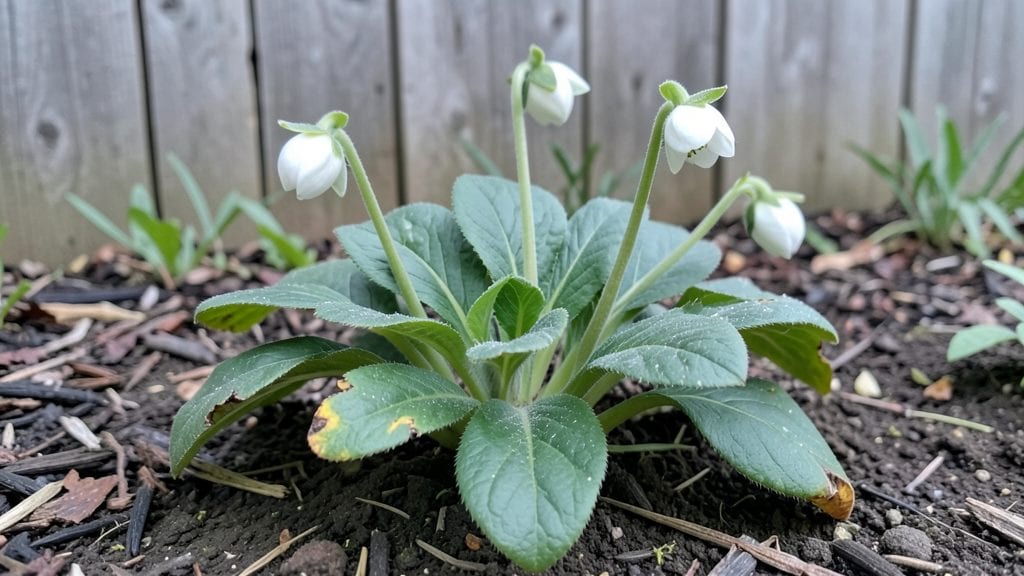
Cold hardy flowers are the secret weapon for Pacific Northwest gardeners who refuse to surrender their beds to winter's gray dominance. ✨ I've spent years testing varieties that refuse to bow to frost, and these tenacious bloomers prove that color and life don't need to take summer vacations.
The key starts with soil prep—amending heavy clay with compost transforms it from a cold sink into a moisture-retaining powerhouse where roots stay cozy through subfreezing nights.
My top performers include pansies that laugh at 20°F, helebores that bloom in January's drizzle, and winter jasmine that perfumes the air when most gardens are asleep. These aren't just survivors—they're showstoppers that reward your patience with vibrant displays when other plants are still dreaming of spring.
The secret isn't complex: choose varieties bred for your zone, plant in well-draining soil, and give them afternoon sun when possible.
You'll end up with a garden that stays lush and colorful from late fall through early spring, when most neighbors are still staring at bare ground. The fragrance alone—especially from winter jasmine—makes the effort worthwhile, and the pollinators will visit even in cold months.
These plants don't just survive winter; they thrive in it, turning what feels like a dormant season into a four-season spectacle.
Perfect for coastal gardens, mountain slopes, or urban yards where winter lasts longer than you'd like. The same principles work for zones 6-9, with just minor adjustments for snow load or wind exposure. Let's get those cold-resistant blooms planted!
📚 In This Guide
- What you need
- Instructions
- Tips and common mistakes
- Wrapping up and next steps
What you need
- ● Cold-hardy flower seeds or bare-root plants: 1–2 lbs of Pacific Northwest-approved varieties like Heuchera (Coral Bells), Lupinus (Lupine), Symphoricarpos (Snowberry), or Erigeron (Fleabane).
- ● Check USDA Zone 7–9 hardiness ratings for your specific picks.
- ● Well-draining soil mix: 50% native PNW soil + 30% compost + 20% perlite or sand (for aeration).
- ● Garden tools: 1 stainless-steel trowel (for transplanting)
- ● 1 pair of pruning shears (for shaping and deadheading)
- ● 1 garden fork (for loosening soil)
- ● Mulch: 2–3 inches of cedar chips, straw, or pine needles to insulate roots.
- ● Watering can or hose with a gentle spray nozzle.
- ● Slow-release fertilizer: 10–20 lbs of balanced 10-10-10 or organic fish emulsion for nutrient boosts.
- ● Frost cloth or row covers: Lightweight fabric to protect seedlings from late frosts (spray-painted white for extra sun reflection!).
- ● Drip irrigation system: For consistent moisture without overwatering.
- ● Garden journal: To track blooms, soil conditions, and PNW-specific growing notes!
Step-by-step guide for planting cold hardy flowers in the Pacific Northwest
Here’s how to establish resilient, frost-tolerant blooms that survive PNW winters.
🌱 Step 1: Choose the Right Varieties for Year-Round Resilience
Select flowers proven to thrive in USDA Zones 7-9, like heuchera, hardy geraniums, and Pacific Coast iris. These varieties handle 20°F dips without damage. I always cross-check labels for "cold hardy" or "frost-resistant" stamps—skipping this step means winter casualties.
For spring color, plant bleeding heart (Dicentra spectabilis) and lungwort (Pulmonaria). These emerge early and tolerate light frosts. Summer bloomers like black-eyed Susan (Rudbeckia) and shasta daisy handle heat waves after frost. Fall interest comes from sedum (Hylotelephium) and Japanese anemone, which thrive in cooler temps.
🪴 Step 2: Prepare Soil for Winter Survival
Amend your native soil with 3 inches of compost and 1 inch of coarse sand to improve drainage—PNW clay holds moisture too long, leading to root rot. I test soil pH first; most cold-hardy flowers prefer 6.0-7.0. If your soil is acidic, add pelletized lime sparingly.
Dig a hole twice as wide as the root ball but only as deep as the container’s height. Loosen roots gently if pot-bound—this encourages faster establishment before winter. Water deeply before planting to settle soil around roots.
☀️ Step 3: Plant for Frost Protection and Sun Exposure
Site flowers where they get 6+ hours of sun daily, but avoid hot afternoon sun in summer—this stresses plants. Morning sun with afternoon shade works best for heat-sensitive varieties like columbine. Group plants in clumps of 3-5 for better cold resistance through shared warmth.
Mulch heavily with 4-6 inches of shredded bark or straw after planting. This insulates roots during freeze-thaw cycles common in PNW winters. Replenish mulch annually in early fall—it breaks down quickly in rainy climates.
⏰ Step 4: Water Strategically to Prevent Winter Stress
Water deeply once a week in fall, then reduce to every 2-3 weeks in winter unless soil is bone-dry. Overwatering in cold months suffocates roots. I check moisture by pushing a finger 2 inches deep—if dry, water slowly until it seeps 6 inches down.
In late winter, resume regular watering as growth resumes. Avoid wetting foliage during frost—this causes ice damage. Water at soil level early in the day so leaves dry before evening.
✂️ Step 5: Prune and Protect Through Winter
Cut back dead or damaged stems in early spring (March) before new growth starts. This prevents disease buildup. For perennials like heuchera, trim 1/3 of the oldest leaves to encourage fresh foliage. Never prune in fall—this invites frost damage.
Wrap tender stems (like hardy geraniums) with burlap if sub-zero temps are forecast. Most PNW winters stay above 15°F, but wind chill can push it lower. A lightweight frost cloth works too—just remove it by mid-morning to prevent overheating.
Tips & tricks for perfect cold hardy flower planting in the Pacific Northwest
These practical insights will help you establish a thriving, frost-resistant garden that outlasts even the harshest PNW winters.
Variety Selection Wisdom: When choosing your cold-hardy flowers, pay special attention to the USDA Zone 7-9 designation on plant tags. Some varieties like Pacific Coast iris and heuchera can handle 20°F temperatures without issue, but others may need extra protection. I always check for the "frost-resistant" stamp—this small detail has saved me from winter losses. For spring bloomers like bleeding heart, look for varieties labeled "early emerger" to ensure they push through frost before summer heat arrives.
Soil Preparation Secret: The 3 inches of compost and 1 inch of coarse sand recommendation isn't just about drainage—it's about creating the perfect insulation layer for roots. I've found that adding worm castings to the compost mix gives an extra nutrient boost that helps plants recover faster from winter stress. For particularly heavy clay soils, consider adding perlite instead of sand for even better aeration. When digging your planting hole, make it twice as wide as the root ball—this encourages outward root growth, which is more resilient to freeze-thaw cycles.
Mulching Mastery: The 4-6 inches of mulch you apply after planting serves multiple purposes beyond insulation. It also suppresses weeds that compete with your young plants for nutrients. I prefer using shredded cedar bark because it breaks down slowly and has natural pest-repelling properties. For extra protection during sub-zero events, add a 2-inch layer of straw on top of your regular mulch. Remember to replenish your mulch in early fall—this timing ensures you're protecting roots before the first hard frost arrives.
Winter Watering Strategy: The transition from once a week in fall to every 2-3 weeks in winter requires careful monitoring. I've learned to check soil moisture by pushing my finger 2 inches deep—this is where roots actively seek water during dormancy. If you notice ice crystals forming on the soil surface, that's a sign you're overwatering. For container-grown cold-hardy flowers, reduce watering to every 4-6 weeks in winter, as potted plants dry out more quickly. Always water at soil level early in the day to prevent foliage from freezing overnight.
Pro Tips for Cold Hardy Flowers
- These practical insights will help you establish a thriving, frost-resistant garden that outlasts even the harshest PNW winters.
- Variety Selection Wisdom: When choosing your cold-hardy flowers, pay special attention to the USDA Zone 7-9 designation on plant tags.
- Soil Preparation Secret: The 3 inches of compost and 1 inch of coarse sand recommendation isn't just about drainage—it's about creating the perfect insulation layer for roots.
Frequently asked questions
Which cold-hardy flowers bloom the longest in PNW winters?
Look for Hellebores (Lenten Rose), Crocuses, and Snowdrops—they often bloom from late fall to early spring. Daffodils and Tulips also return reliably, though some varieties may need a bit of winter chill to perform best. For year-round interest, pair them with evergreen shrubs like Pieris japonica or Viburnum bodnantense.
Can I plant cold-hardy flowers in late fall or early winter?
Many cold-hardy flowers, like Pansies and Violas, can handle light frosts and even thrive when planted in late fall. For perennials like Hardy Geraniums or Lungwort, aim for early fall planting (6–8 weeks before the first hard frost) to give roots time to establish. Just avoid working the soil when it’s waterlogged or frozen.
Why did my cold-hardy flowers die after a hard freeze?
Even the hardiest flowers can struggle if temperatures drop below their zone tolerance (e.g., Zone 5 vs. Zone 7). Check the USDA Hardiness Zone map for your exact location. Mulch heavily (3–4 inches) with straw or leaves for insulation, and avoid pruning until spring. Some flowers, like Dahlias, need to be dug up and stored indoors in extreme cold.
Are there any cold-hardy annuals for PNW gardens?
Yes! Pansies, Violas, and Sweet Alyssum are frost-tolerant annuals that bloom from fall through spring. For a pop of color in winter, try Calendula (Marigold) or Stock—both handle light frosts. Just plant them in well-draining soil and protect them with row covers during sudden freezes.
How do I protect tender cold-hardy flowers from late frosts?
Use frost cloths (lightweight row covers) or burlap sacks to shield plants like Primroses or Sweet Peas during unexpected cold snaps. Water plants thoroughly before a freeze—moist soil retains heat better. For container-grown flowers, move pots to a sheltered spot (like a garage or under eaves) and wrap them in bubble wrap or old blankets.
Wrapping up and next steps
Growing cold-hardy flowers in the Pacific Northwest isn’t just possible—it’s rewarding! From Heuchera to Lavender, these frost-resistant beauties bring color and life even in chilly climates. With the right preparation, you’ll enjoy a vibrant garden year-round.
Ready to take the next step? Start small—pick 2-3 varieties that suit your space and soil, then expand as you gain confidence. Happy gardening! 🌸❄️