Flowers
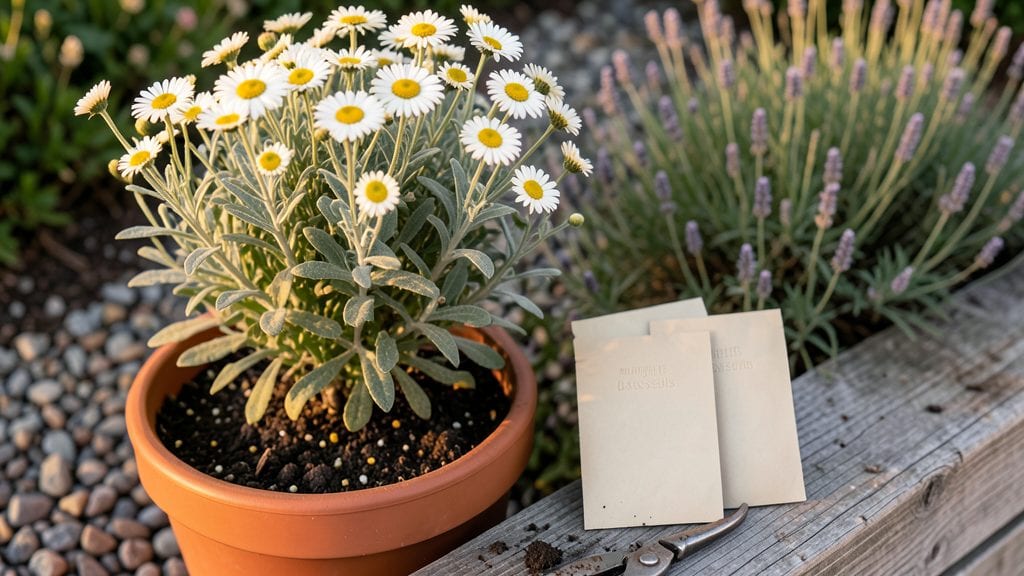
Fast-germinating marguerite flower seeds are the secret weapon for Pacific Northwest gardeners eager to see those cheerful daisy-like blooms by early summer. 🌼 I’ve grown them for years in my damp, cool-climate garden, and the right varieties—like ‘Snowball’ or ‘Vanilla Sky’—pop up in just 5-7 days when started indoors in early March.
The key isn’t just the seed choice, though; it’s the warm, moist conditions that trick them into thinking spring has arrived.
You’ll need a shallow tray, well-draining potting mix, and a heat mat or sunny windowsill to break dormancy. Margarites thrive in full sun but tolerate partial shade, making them perfect for PNW gardens where afternoon cloud cover is the norm.
Once seedlings sprout, keep the soil consistently moist but never soggy—overwatering is the #1 killer of tiny roots in this region’s humidity.
By late May, your seedlings will be ready to transplant outdoors, where they’ll reward you with weeks of blooms from summer through frost. The secret to long-lasting flowers?
Deadheading spent blooms and feeding them with a light fertilizer every 4-6 weeks. Even in the PNW’s unpredictable weather, these varieties bounce back with minimal fuss.
Pro tip: If you’re short on time, try direct-sowing in late spring after the last frost—just cover seeds lightly with soil and water gently. They germinate slower this way but still deliver that signature marguerite charm without the indoor-starting hassle. Ready to try?
📚 In This Guide
- What you need
- Instructions
- Tips and common mistakes
- Wrapping up and next steps
What you need
- ● Marguerite flower seeds: Choose fast-germinating varieties like Argyranthemum frutescens or Chrysanthemum leucanthemum. Buy 1-2 packets (50-100 seeds each) for a small garden or 3+ packets for larger patches.
- ● Well-draining potting mix: 3-5 gallons (sterile, seed-starting blend with perlite or vermiculite). Avoid garden soil—it’s too dense for seeds!
- ● Containers or seed trays: Cell packs (72-cell trays) or biodegradable pots (for transplanting).
- ● 1-2 shallow trays (with drainage holes) to hold the pots.
- ● Spray bottle (for gentle watering) or a fine-mist watering can.
- ● Plastic wrap or humidity dome (to retain moisture during germination).
- ● Grow lights or sunny windowsill: 6-8 hours of light daily (south-facing window or LED grow lights for indoor starts).
- ● Gloves (to protect hands from soil and seeds).
- ● Small hand trowel (for transplanting seedlings).
- ● Fertilizer: Balanced liquid fertilizer (10-10-10) or compost tea (once seedlings sprout).
- ○ Soil thermometer (optional but helpful—ideal germination temp: 60-70°F).
- ● Mulch (straw or shredded leaves) (for outdoor planting to retain moisture).
- ● Stakes or cages (if growing tall varieties like Chrysanthemum).
- ● Timing: Start seeds 6-8 weeks before your last frost date (PNW: typically mid-April to early May for outdoor planting).
- ● Location: Choose a spot with full sun (6+ hours/day) and well-draining soil (marguerites hate soggy roots!).
- ● Patience: Germination takes 7-21 days—keep soil moist and consistent!
How to grow fast-germinating marguerite flowers in the Pacific Northwest
Here’s how to get those cheerful blooms popping up in record time—even in cooler climates.
🌱 Step 1: Choose the Right Fast-Germinating Varieties
Marguerite daisies (Argyranthemum frutescens) are your best bet for quick results. Look for varieties like ‘Snowball’ or ‘White Lady’—they typically sprout within 7-10 days when sown properly. Avoid hybrid mixes labeled as “slow-starting” or “long-day” types, which can take weeks longer to break through soil.
If you’re in the Pacific Northwest’s cooler zones (7-9), opt for compact, bushy types—they handle moisture better and bloom faster. I always check the seed packet for “early-flowering” labels, as these are bred to mature quicker. Planting in late spring (after frost) ensures the soil stays warm enough for germination without risking rot in damp conditions.
💧 Step 2: Prep Soil and Sow Seeds for Speed
Marguerite seeds need warm, well-draining soil to germinate fast. Mix 1 part perlite into your seed-starting mix to improve aeration—this prevents the seeds from suffocating in dense, cold soil. Warm the soil before sowing by placing trays on a seedling heat mat for 24 hours before planting. The goal is to keep soil temps at 65-75°F—cooler than that, and germination slows to a crawl.
Scatter seeds ¼ inch deep—burying them deeper delays sprouting because they need light to trigger germination. Space them ½ inch apart in rows 1 inch apart to avoid overcrowding later. Water gently with a spray bottle until the soil is moist but not soggy. A light misting prevents seeds from washing away or becoming waterlogged, which can cause rot.
☀️ Step 3: Provide Consistent Moisture and Light
Cover the tray with clear plastic wrap to trap warmth and humidity, then place it in a bright, indirect light spot. Marguerite seeds need 12-14 hours of light daily to germinate quickly—south-facing windows work, but supplement with a grow light if natural light is weak. You’ll see tiny sprouts in 5-7 days if conditions are ideal; if it takes longer, check soil moisture and warmth.
Once sprouts appear, remove the plastic wrap immediately to prevent fungal growth. Water from the bottom by placing the tray in ½ inch of water for 10 minutes daily—this keeps roots moist without disturbing seedlings. Avoid overhead watering, as damp foliage invites damping-off disease, which can wipe out seedlings overnight.
⏰ Step 4: Transplant When Ready for Faster Blooms
Marguierites are frost-sensitive, so wait until after the last frost date (typically mid-May in the PNW) to move them outdoors. Harden off seedlings by placing them outside for 1-2 hours daily over 5-7 days, gradually increasing exposure. You’ll know they’re ready when they show 3-4 true leaves and stems are sturdy enough to support themselves.
Space transplants 12-18 inches apart in full sun—they need 6+ hours of direct sunlight daily to bloom quickly. Mulch with 2 inches of straw to retain soil moisture and suppress weeds, which compete for nutrients. Water deeply once a week (or more in drought) to encourage deep root growth—this helps them establish faster and resist wind in exposed PNW gardens.
Tips & tricks for fast-germinating marguerite flowers
Real talk: Those 7-10 days to sprouting can feel like forever when you're eager for blooms. Here's how to shave off precious time while keeping your seedlings healthy.
Seed Selection Strategy: The varieties you choose make all the difference. Look for packets labeled "early-flowering" or "fast-germinating" - these are specifically bred for quicker results. I've found that 'Snowball' and 'White Lady' varieties consistently sprout in just 5-7 days when given perfect conditions. The key is checking the seed packet's "days to germination" estimate - this tells you exactly what to expect.
Soil Temperature Hack: That 24-hour heat mat prep is non-negotiable for PNW gardeners. If your home stays cool, consider using a small space heater near your seed trays during the day to maintain that critical 65-75°F range. I've seen germination times cut in half by keeping soil temps consistently warm. Pro tip: Use an infrared thermometer to check soil temperature - it's more accurate than guessing.
Lighting Upgrade: While south-facing windows work, don't rely on them alone. Marguerite seeds need that 12-14 hours of light daily, and natural light often falls short in cloudy PNW weather. I recommend a basic LED grow light on a timer - it's the difference between sprouts appearing in 5 days versus 12. Position it just 6 inches above your trays for optimal results.
Transplant Timing: The 5-7 day hardening off period is crucial but often rushed. Start with just 30 minutes outside on day 1, then double each day. I've seen seedlings shocked by sudden exposure when gardeners try to skip this gradual process. Watch for wilting - if leaves droop, they're not ready for longer outdoor time yet.
Pro Tips for Marguerite Flower Seeds
- Real talk: Those 7-10 days to sprouting can feel like forever when you're eager for blooms.
- Seed Selection Strategy: The varieties you choose make all the difference.
- Soil Temperature Hack: That 24-hour heat mat prep is non-negotiable for PNW gardeners.
Frequently asked questions
Got questions about growing marguerite flower seeds?
You’re not alone! Here are answers to the most common queries—from timing to troubleshooting—to help you cultivate a vibrant garden with ease.
When is the best time to plant marguerite flower seeds in the Pacific Northwest?
For the fastest germination (7–14 days), sow seeds 4–6 weeks before your last frost date (typically late March to early April in the PNW). If starting indoors, begin 6–8 weeks before transplanting to avoid leggy seedlings. Marguerites thrive in warm soil, so wait until nighttime temps stay above 50°F (10°C) for direct sowing.
Why aren’t my marguerite seeds germinating? Troubleshooting tips!
If your seeds aren’t sprouting, check these common issues:
- Cold soil: Marguerites need warmth (60–70°F/15–21°C) to germinate. Use a heat mat or wait for warmer weather.
- Too deep: Plant seeds ¼ inch (6mm) deep—burying them deeper can suffocate them.
- Dampness: Keep soil moist but not soggy; overwatering can cause rot.
- Old seeds: Store-bought seeds last 1–2 years. If older, try stratification (chill seeds for 2 weeks) to boost viability.
Pro tip: If germination is slow, try a bottom heat method—place the seed tray on a warm windowsill or use a seedling heat mat.
Can I grow marguerites from seeds in containers?
Marguerites adapt well to containers 12+ inches deep with drainage holes. Use a light, well-draining potting mix and place pots in full sun (6+ hours/day). For bushier growth, pinch back young plants when they reach 6 inches tall. Just ensure containers stay consistently moist—they dry out faster in pots than in garden beds.
Are there fast-germinating marguerite varieties for beginners?
Yes! Look for ‘Vanilla Ice’ or ‘Lemon Drop’ varieties—they’re reliable and quick (germinate in 7–10 days) with vibrant blooms. Another great pick is ‘Butterfly’ marguerites, which attract pollinators and sprout consistently in cooler PNW climates. Always check seed packets for “fast-germinating” labels for extra confidence!
Do marguerite flowers come back every year, or do I need to replant seeds?
Marguerites are annuals in most of the PNW, meaning they won’t return after the first growing season. However, they self-seed readily—if you leave spent blooms, you’ll often get volunteer plants the following year! For guaranteed blooms, sow fresh seeds annually or save seeds from your healthiest plants for next season.
Wrapping up and next steps
Growing marguerite flower seeds in the Pacific Northwest is a rewarding journey that brings vibrant blooms to your garden with minimal fuss—especially when you choose fast-germinating varieties!
Whether you're a seasoned gardener or just starting, these cheerful daisies thrive in your region’s climate and add a pop of color to any space. 🌸
Now that you’re equipped with the right seeds, soil, and tips, take the plunge and plant your first batch this season! Start small, experiment with placement, and enjoy the process. Before you know it, your garden will be bursting with marguerites—perfect for cutting, pollinators, or simply admiring. Happy gardening! 🌱