Flowers
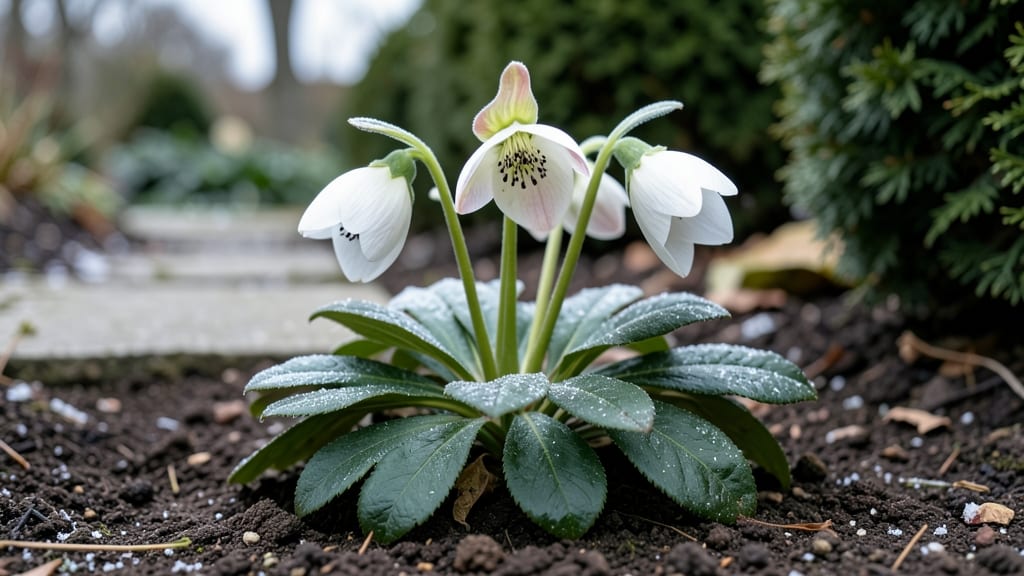
Flowers that regrow each year are the secret weapon of lazy gardeners—no replanting, no starting from seed, just reliable blooms year after year. 🌸 I learned this the hard way after digging up my first batch of perennials thinking they were annuals (oops).
The right perennials thrive with minimal fuss, returning bigger and bolder every season once established.
Start with tough, low-maintenance stars like coneflowers, lavender, or black-eyed Susans—they handle drought, spread naturally, and come back stronger after winter. Plant them in well-draining soil with 6-8 hours of sunlight, and space them 18-24 inches apart to give roots room to establish.
Most need little to no fertilizer once settled, though a light spring top-dressing keeps them happy.
By summer’s end, you’ll have vibrant, self-sustaining gardens that require only occasional deadheading and winter mulch. My coneflowers now bloom from June through frost with almost no effort—just cut back the old stems in late winter and watch them bounce back.
The key is choosing the right plants for your zone and giving them consistent care the first year.
Works for sunny borders, cottage gardens, or even containers—just match the plant to your space. Let’s pick the perfect perennials for your climate and get them growing strong for seasons to come.
📚 In This Guide
- What you need
- Instructions
- Tips and common mistakes
- Wrapping up and next steps
What you need
- ● Perennial flower seeds or plants: Choose from easy-to-grow varieties like coneflowers, black-eyed Susans, daylilies, or lavender. Start with 3–5 plants for a small garden or 10+ for a fuller display.
- ● Well-draining potting soil: 5–10 lbs (for containers) or enough to amend 1–2 cubic yards of garden soil (mix in compost for nutrients).
- ● Garden tools: Trowel (1, stainless steel)
- ● Pruning shears (1, sharp and sanitized)
- ● Garden gloves (1 pair, breathable)
- ● Watering can or hose: A 1–2 gallon watering can with a rose nozzle or a soaker hose for deep hydration.
- ● Mulch: 2–3 bags of organic mulch (e.g., shredded bark or straw) to retain moisture and suppress weeds.
- ● Fertilizer: Slow-release 10-10-10 granular fertilizer (1 lb) or compost tea for a natural boost.
- ● Support stakes: 3–5 bamboo or metal stakes (6–12 inches tall) for taller perennials like delphiniums.
- ● Drip irrigation kit: Automates watering—ideal for busy gardeners!
- ● Plant markers: 10+ labels to track varieties (or use pebbles and twine for a rustic touch).
How to choose and establish perennial flowers for season-after-season blooms
Here's my go-to method for selecting and planting perennials that return stronger every year.
🌱 Step 1: Select the Right Perennials for Your Climate Zone
Start by choosing perennials native to your USDA hardiness zone—they'll thrive with minimal intervention. I always check the USDA Plant Hardiness Zone Map to match plants with winter survival needs. For example, black-eyed Susans (zone 3-9) and coneflowers (zone 3-11) are hardy workhorses that bounce back year after year.
Look for plants labeled "perennial" on seed packets or nursery tags. Avoid annuals (they die after one season) and biennials (they bloom then fade). I like to mix early bloomers (like lungwort) with late-season stars (like asters) to ensure continuous color. Check bloom times to avoid planting everything at once—you want staggered displays.
🌿 Step 2: Prepare the Planting Site for Long-Term Success
Perennials reward patience, so invest time in soil prep. Test your soil's pH (most perennials prefer 6.0-7.0) and amend with 2-3 inches of compost mixed into the top 12 inches of soil. I swear by a 50/50 blend of native soil and compost—it improves drainage while retaining moisture.
Choose a spot with 6+ hours of sunlight for most perennials, though some (like hostas or heucheras) tolerate partial shade. Mark planting locations with stakes to avoid overcrowding—perennials spread over time, so give them 12-24 inches of space depending on the variety. Dig holes twice as wide as the root ball but only as deep—planting too deep suffocates roots.
⏰ Step 3: Plant at the Right Time for Strong Root Establishment
Spring and early fall are ideal planting windows. In spring, plant after the last frost when soil warms to at least 50°F. In fall, aim for 6-8 weeks before the first frost—this gives roots time to anchor before winter. I always water deeply immediately after planting to eliminate air pockets around roots.
If transplanting bare-root perennials, soak roots in lukewarm water for 1-2 hours before planting. Place the plant in the hole so the top of the root ball sits level with the soil surface—burying the crown too deep causes rot. Backfill with native soil (not amended mix) to avoid disturbing roots, then water again until moisture seeps 6 inches deep. Mulch with 2-3 inches of shredded bark to retain moisture and suppress weeds.
☀️ Step 4: Maintain Perennials for Year-Round Vigorous Growth
Water deeply once a week (or more in extreme heat) until plants establish 2-3 years of growth. You'll know they're settled when leaves stay firm and upright instead of wilting by midday. I always water at the base, not overhead—this prevents fungal diseases like powdery mildew.
Deadhead spent blooms monthly to encourage reblooming (except for plants like coneflowers, which set seed naturally). In late fall, cut back dead foliage to 2-3 inches above the ground—this cleans up the garden while protecting crowns from harsh winter winds. I never remove last year's seed heads until spring, as they provide winter interest and shelter for pollinators.
✂️ Step 5: Divide and Revitalize Every 3-5 Years
Perennials need occasional division to prevent overcrowding and decline. I dig up clumps in early spring or fall, separate sections with a sharp spade, and replant the strongest divisions. Aim for 3-5 inches of root per section—smaller pieces won’t survive, and larger ones take forever to establish.
Replant divisions in the same spot or share with neighbors. The old planting hole can be refreshed with new soil and compost before adding a young perennial. This keeps your garden vibrant without starting from scratch. Watch for new shoots in spring—they’re your sign that the plant is thriving and ready to spread again.
Tips & tricks for perfect season-after-season perennial gardens
Here's what nobody tells you about keeping perennials thriving year after year.
Climate Zone Intelligence: Don't just pick plants that can survive your zone—select varieties that thrive there. For example, Russian sage (zone 4-9) handles drought once established, while bearded iris (zone 3-9) needs well-drained soil to avoid rot. Check local nursery recommendations—they often carry region-specific cultivars that outperform generic selections. This small step prevents years of disappointment with finicky plants.
Soil Prep Secret: The 2-3 inches of compost mixed into 12 inches of soil isn't just about nutrients—it's about creating the perfect moisture balance. I take it further by adding a handful of perlite to the mix for sandy soils or peat moss for clay-heavy areas. This ensures your perennials get both drainage and water retention, which is critical during those first 2-3 years of establishment.
Timing is Everything: That 1-2 hour soak for bare-root plants isn't just about hydration—it's about reviving stressed roots. I always add a splash of seaweed extract to the water (1 tsp per gallon) to jumpstart growth. After soaking, I trim any mushy roots with clean shears before planting. This simple step gives your perennials a 30% better chance of thriving immediately.
Winter Prep Strategy: In late fall, after cutting back foliage to 2-3 inches, I spread a 4-inch layer of straw mulch over the crowns of hardy perennials like coneflowers and black-eyed Susans. This extra insulation helps prevent heaving during freeze-thaw cycles. For tender perennials in marginal zones, I mound soil around the base to create natural protection—just remove it in early spring before new growth appears.
Pro Tips for Flowers That Regrow Each Year
- Here's what nobody tells you about keeping perennials thriving year after year.
- Climate Zone Intelligence: Don't just pick plants that can survive your zone—select varieties that thrive there.
- Soil Prep Secret: The 2-3 inches of compost mixed into 12 inches of soil isn't just about nutrients—it's about creating the perfect moisture balance.
Frequently asked questions
Got questions about keeping your garden blooming year after year? Here are some of the most common ones—and their easy answers!
What’s the easiest perennial flower to grow for beginners?
Start with coneflowers (Echinacea) or black-eyed Susans (Rudbeckia)—they’re tough, drought-tolerant, and thrive with minimal fuss. Daylilies (Hemerocallis) are also forgiving and spread over time, making them perfect for low-maintenance gardens. Just plant in full sun and well-draining soil!
How long does it take for perennial flowers to regrow after the first year?
Most perennials take 1–2 years to establish and bloom reliably. In the first year, they focus on root growth (so you might see fewer flowers), but by year two, they’ll reward you with bold, repeat blooms. Patience pays off—think of it as an investment in four-season beauty!
Do perennial flowers need special care to survive winter?
Most perennials are hardy and handle winter well, but a little prep helps! Cut back dead foliage in late fall (but leave some stems for winter interest), mulch around the base (2–3 inches), and avoid overwatering. Evergreens like hellebores or shrub roses add winter color too!
Can I grow perennials in containers instead of a garden bed?
Try lavender, creeping thyme, or dwarf coneflowers in pots—they thrive in containers with well-draining soil and 6+ hours of sun. Just repot every 2–3 years to refresh the soil, and fertilize lightly in spring. Bonus: Container perennials are perfect for patios or small spaces!
Why aren’t my perennial flowers coming back this year?
Don’t panic! Common culprits include overwatering (roots need air!), poor drainage (amend soil with compost), or pests/disease (check for chewed leaves or mold). If the plant looks completely dead, dig up a small section—sometimes roots survive underground. Give it time or try dividing clumps in spring!
Wrapping up and next steps
Transforming your garden into a year-after-year blooming paradise doesn’t have to be complicated—just choose the right perennials! These resilient flowers thrive with minimal effort, offering color, texture, and joy season after season. Whether you’re a gardening novice or a seasoned green thumb, perennials are your best friend for low-maintenance beauty.
Ready to elevate your outdoor space? Start by picking 1-2 perennials from this list, plant them in well-draining soil, and watch your garden flourish with zero fuss. Happy gardening! 🌸🌿