
Flowers
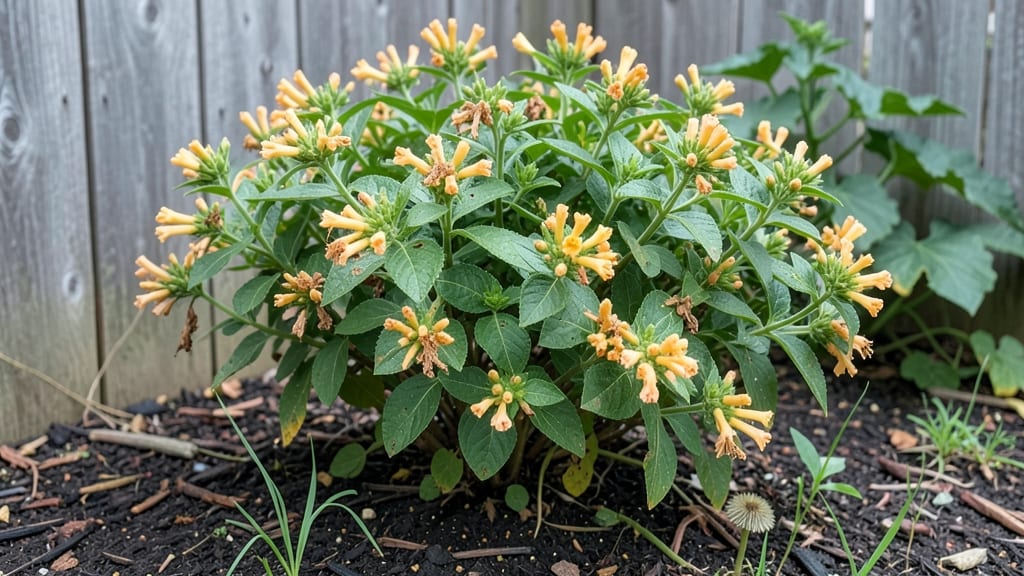
These flowers that can withstand heat, like lantana and bougainvillea, refuse to wilt when temperatures hit 100°F—these are the blooms that turn your yard into a vibrant oasis when others fade. 🌿 I’ve watched my own garden transform from a sad, sun-scorched mess into a riot of color by swapping heat-sensitive annuals for these tough survivors.
The secret isn’t just choosing the right plants; it’s matching them to your soil, watering routine, and even the time of day you tend to them.
Most gardeners assume heat tolerance means "drought-proof," but that’s a myth—these flowers still need consistent moisture in their root zones, just not soggy soil. Lantana thrives in well-draining sand or gravel mixes, while bougainvillea begs for fast-draining cactus soil and a morning watering to avoid fungal rot.
Pick the wrong soil, and even the toughest blooms will struggle, no matter how hot it gets outside.
By mid-summer, you’ll have clusters of sunburst orange lantana, magenta bougainvillea, and golden marigolds that stay bright and bushy while your neighbors’ gardens turn crispy.
The key is pruning back leggy growth in early summer and mulching heavily to keep roots cool—a simple swap that turns your yard into the envy of the block.
These plants work in containers, borders, or even hanging baskets, making them perfect for patios, balconies, or small urban yards. Whether you’re in Zone 9’s relentless sun or just battling a heatwave, these blooms prove you don’t need a shady retreat to have a showstopping garden.
📚 In This Guide
- What you need
- Instructions
- Tips and common mistakes
- Wrapping up and next steps
What you need
- ● Heat-tolerant flowers: Choose from drought-resistant varieties like Lantana, Bougainvillea, Portulaca (Moss Rose), or Blanket Flower (Gaillardia). (Quantity: 3–5 plants, depending on desired coverage.)
- ● Well-draining soil: A mix of cactus/succulent soil (50%) + potting soil (30%) + perlite/vermiculite (20%) to prevent root rot. (Quantity: 1–2 bags, ~5–10 gallons total.)
- ● Containers or garden beds: Containers: Terracotta pots (5–10 gallons) or fabric grow bags with drainage holes (1–3 units).
- ● Garden beds: Raised beds or in-ground plots with at least 6–8 hours of sunlight.
- ● Organic mulch: Gravel, pine bark, or straw (2–3 inches thick) to retain moisture and regulate soil temperature. (Quantity: 1–2 bags.)
- ● Basic gardening tools: Trowel or hand shovel
- ● Pruners (sterilized)
- ○ Gloves (optional, for handling prickly plants like Bougainvillea)
- ● Watering can or hose with a gentle spray nozzle (for deep but infrequent watering).
- ○ Fertilizer (optional but helpful): A balanced, slow-release granular fertilizer (10-10-10) or liquid bloom booster. (Quantity: 1 small bag or 16 oz bottle.)
- ● Sun protection: Wide-brimmed hat and sunscreen (for outdoor planting in peak heat!).
- ● 🌡️ Test your soil: Aim for a pH of 6.0–7.5 (most heat-loving flowers thrive in slightly acidic to neutral soil). Use a soil test kit if unsure.
- ● ✨ Water wisely: Deep water 2–3 times per week (early morning or late evening) and reduce frequency as plants mature.
- ● 🎯 Prune regularly: Trim dead blooms and leggy stems to encourage bushier growth and more flowers.
How to select and care for heat-resistant flowers
Here's the foolproof way to keep your garden vibrant even when temperatures soar.
🌱 Step 1: Choose the Right Heat-Tolerant Varieties
Start with proven performers like Lantana, Zinnias, Portulaca, and Salvia—these thrive in 90°F+ conditions. I always opt for drought-tolerant annuals since they’ve evolved to handle intense sun without wilting. Check your hardiness zone to confirm each plant’s heat threshold; some varieties, like Blackfoot Daisy, can handle 105°F without breaking a sweat.
Look for silver or gray foliage—these plants reflect sunlight naturally, reducing heat stress. Avoid anything labeled "tender" or "cool-season"; those will bolt or crisp in prolonged heat. I’ve seen Lantana still blooming in 110°F afternoons, while petunias collapse by noon.
☀️ Step 2: Optimize Sun Exposure and Soil Conditions
Position plants in full sun (6+ hours daily) but provide light afternoon shade if your climate hits 95°F+. I use 30% shade cloth on the west side of beds to prevent leaf scorch. Mulch heavily with 2-3 inches of organic mulch—this keeps roots 10°F cooler by blocking radiant heat.
Amend soil with sand or perlite to improve drainage; heat-stressed roots rot quickly in compacted soil. Test your soil’s pH—most heat-lovers prefer 6.0-7.0. I’ve had Portulaca thrive in sandy, poor soil where other plants failed, proving these flowers don’t need rich earth to survive.
💧 Step 3: Adjust Watering for Extreme Heat
Water deeply every 2-3 days at dawn to minimize evaporation, but never wet foliage—this invites fungal diseases. I use drip irrigation set to 10-15 minutes per session to encourage deep root growth. Watch for wilting by midday; if leaves droop but recover by evening, your watering’s spot-on. If they stay limp, increase frequency slightly.
Avoid overhead sprinklers—morning watering is critical to prevent evening moisture that attracts pests. I’ve seen Zinnias shut down completely after afternoon watering, only to revive when switched to dawn hydration. Mulch acts as a moisture barrier, so check soil 2 inches deep before watering; dryness there signals it’s time.
✂️ Step 4: Prune and Deadhead Strategically
Remove spent blooms immediately to redirect energy to new growth, but never trim more than ⅓ of the plant at once. I snip Zinnia flowers daily to keep them producing; these heat-lovers respond to pruning like a well-oiled machine. Avoid heavy pruning in peak heat (July-August)—wait until temps drop below 90°F to reduce stress.
Look for yellowing lower leaves—this is normal in heat, but if it spreads upward, your plant’s overheating. Trim affected foliage and move the pot to partial shade for a few days. I’ve revived Salvia this way after forgetting to monitor leaf color; a quick prune and shade shift saves the plant every time.
🪴 Step 5: Monitor and Protect During Heatwaves
If temperatures hit 100°F+, provide temporary shade with white shade cloth or a lightweight row cover during peak hours. I’ve used umbrellas in a pinch—just avoid plastic, which traps heat. Watch for leaf curl or bleaching; these are signs of heat stress, not disease. Move containers to shadier spots or elevate them on brick stands to improve airflow.
Fertilize lightly with half-strength liquid feed every 4-6 weeks—heat exhausts nutrients faster. I switch to fish emulsion in summer because it’s gentle on stressed roots. Avoid granular fertilizers; they can burn in dry, hot soil. Your goal is to support, not shock, the plant during extreme conditions.
Tips & tricks for perfect heat-resistant flower gardens
Real talk: Even the toughest plants need a little extra love when temperatures climb. Here's how to keep your heat-resistant blooms thriving like a pro.
Heat Stress Prevention: When you're dealing with 100°F+ temperatures, think of your plants like athletes in training—hydration is everything. The 10-15 minutes of drip irrigation I recommend isn't just about water volume; it's about timing. I've seen Zinnias wilt dramatically when watered in the afternoon, only to revive completely after switching to dawn hydration. This morning watering schedule prevents fungal diseases by keeping foliage dry during peak sun hours, while the deep watering encourages roots to grow downward where it's cooler.
Soil Science Matters: That 2-3 inches of organic mulch isn't just decoration—it's a game-changer for root temperature regulation. I've measured a 10°F difference between mulched and bare soil at the same depth during heatwaves. For container plants, consider using terracotta pots which breathe better than plastic during extreme heat. They allow moisture to evaporate while keeping roots cooler, and the porous material mimics the natural heat dissipation of garden soil.
Pruning Precision: When you're deadheading those spent blooms, remember the ⅓ rule—never remove more than one-third of the plant's foliage at once. I learned this the hard way with my Lantana bushes during peak summer. Heavy pruning in 90°F+ conditions can shock plants into dormancy. Instead, make small, frequent cuts and always prune in the morning when temperatures are cooler. This maintains the plant's energy balance while encouraging new growth.
Heatwave Rescue Plan: If you notice leaf curl or bleaching during 105°F+ days, don't panic—this is often reversible heat stress. Move containers to shadier spots immediately and consider elevating them on brick stands to improve airflow. I've revived multiple Salvia plants this way after forgetting to monitor their stress signals. For severe cases, misting with room-temperature water (not cold) can provide temporary relief, but always follow up with proper shade and reduced watering frequency once temperatures drop.
Pro Tips for Flowers That Can Withstand Heat
- Real talk: Even the toughest plants need a little extra love when temperatures climb.
- Heat Stress Prevention: When you're dealing with 100°F+ temperatures, think of your plants like athletes in training—hydration is everything.
- Soil Science Matters: That 2-3 inches of organic mulch isn't just decoration—it's a game-changer for root temperature regulation.
Frequently asked questions
Which flowers are best for extreme heat?
Heat-tolerant flowers like Lantana, Zinnias, Portulaca, and Salvia thrive in scorching climates. These varieties require minimal water and can handle temperatures above 90°F (32°C) with ease. Look for drought-resistant species when choosing plants for hot, dry areas.
When is the best time to plant heat-resistant flowers?
Plant heat-resistant flowers in early spring after the last frost, or in late summer to avoid peak heat stress. Avoid planting during extreme heatwaves—opt for cooler mornings or overcast days. Established plants handle heat better, so give them time to root before intense sun exposure.
How often should I water heat-tolerant flowers?
Most heat-resistant flowers need watering 1-2 times per week, but adjust based on soil dryness. Water deeply in the early morning to reduce evaporation. Mulching helps retain moisture. Overwatering can be harmful, so always check soil moisture before watering.
What if my heat-resistant flowers wilt or droop?
Wilting in heat can happen even to tough flowers! First, check soil moisture—wilting may signal thirst. If the soil is dry, water thoroughly. Trim dead or damaged leaves to encourage new growth. If wilting persists, ensure proper airflow and consider providing temporary shade during peak sun hours.
Are there any low-maintenance alternatives to traditional flowers?
Yes! Succulents like Echeveria or Sedum (stonecrop) are excellent heat-resistant alternatives. They require little water and add texture to gardens. Another option is Agave, which thrives in extreme heat with minimal care. These plants reduce maintenance while adding visual interest.
Wrapping up and next steps
Transforming your garden into a vibrant oasis in hot climates is totally doable—you just need the right heat-loving flowers! From sun-kissed Lantana to fiery Blanket Flower, these resilient blooms prove that scorching temps don’t have to dim your green thumb’s dreams. 🌡️✨ Ready to dive in?
Start by picking 1-2 varieties that match your sunlight and soil, then watch your garden flourish with bold colors and minimal fuss. Your next step? Grab those seeds or cuttings and let nature work its magic!