
Blooming
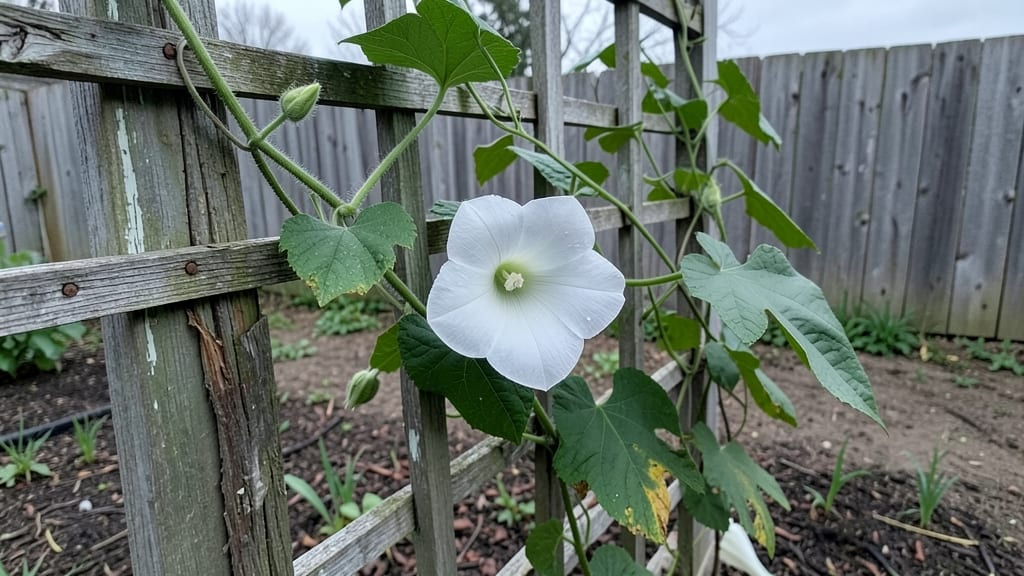
Moonlight-blooming flowers turn your garden into a secret nighttime spectacle. 🌙 I’ve always loved how certain flowers unfurl their petals after dark, revealing silvery-white blooms that glow under the moon’s soft light—like nature’s own spotlight. These aren’t just pretty; they’re magical, transforming an ordinary evening stroll into a dreamy experience.
The best part? You don’t need fancy lighting or complicated setups. A few strategic plants—like the dramatic moonflower or the sweetly fragrant night-blooming jasmine—can create an entire garden that comes alive after sunset. They attract nocturnal pollinators too, turning your yard into a lively ecosystem when most gardens are quiet.
Imagine walking through your garden at twilight, surrounded by fragrant blossoms that only open under the moon’s glow. The contrast of dark foliage against luminous petals creates a stunning visual effect, and the experience feels like stepping into another world.
These flowers aren’t just beautiful—they’re an invitation to slow down and appreciate the quiet magic of the night.
Whether you’re designing a full moon garden or just adding a few night-bloomers to an existing space, the key is placement. Group them where you’ll naturally linger—near patios, walkways, or seating areas—so you can fully enjoy their nocturnal charm.
The best part? They’re just as stunning in daylight too, offering year-round interest.
📚 In This Guide
- What you need
- Instructions
- Tips and common mistakes
- Wrapping up and next steps
What you need
- ● Moonlight-loving flower seeds or bulbs: Night-blooming Moonflower (Ipomoea alba) – 10-20 seeds or 3-5 plants
- ● Evening Primrose (Oenothera biennis) – 5-10 seeds
- ● Queen of the Night (Selenicereus grandiflorus) – 1-2 cactus cuttings
- ● Night-scented Stock (Matthiola longipetala) – 15-20 seeds
- ● Well-draining potting soil or garden soil: 5-10 gallons (amended with compost for nutrients)
- ● Containers or garden beds: For containers: 5-10 gallon pots (with drainage holes) or hanging baskets
- ● For in-ground planting: Loose, fertile soil in partial shade
- ● Slow-release fertilizer: Balanced 10-10-10 or organic options like bone meal (1-2 tbsp per plant)
- ● Basic gardening tools: Trowel or small shovel
- ○ Gloves (optional but recommended)
- ● Watering can or hose with a gentle spray nozzle
- ○ Lighting (optional but magical!): Solar-powered garden lights or LED string lights (for ambiance)
- ● Moonlight reflector (e.g., a white-painted board to bounce light onto plants)
- ● Prerequisites: Partial shade spot (4-6 hours of indirect sunlight daily)
- ● Patience! Some flowers (like the Queen of the Night) take months to bloom.
- ● 🌡️ Temperature matters: Most moonlight bloomers thrive in warm climates (60-80°F). Use row covers in cooler areas.
- ● ✨ Boost blooms: Add a handful of Epsom salt (magnesium sulfate) to soil at planting for vibrant flowers.
- ● 🔥 Water wisely: Keep soil consistently moist but not soggy—night bloomers hate "wet feet."
How to create a stunning moonlit flower garden
Night-blooming flowers transform your garden into a magical twilight sanctuary—here’s how to design one.
🌱 Step 1: Select the Right Night-Blooming Varieties
Start with proven moonlit performers like night-blooming jasmine (Cestrum nocturnum), evening primrose (Oenothera biennis), or moonflower (Ipomoea alba). These varieties open their petals only after dusk, revealing delicate white or pale blooms that glow under artificial light or moonlight. I recommend planting at least three different species for continuous nighttime color—jasmine for fragrance, evening primrose for height, and moonflower for vining drama.
Check your USDA hardiness zone to ensure your choices thrive locally. Some, like night-blooming cereus (Hylocereus undatus), need zones 10-11 and container growing, while others like evening stock (Matthiola longipetala) handle cooler climates. Group plants by their light needs—some prefer partial shade, others full sun during the day.
☀️ Step 2: Position for Maximum Evening Visibility
Place your moonlit garden where artificial lighting or moonlight can illuminate the blooms. A south-facing wall reflects moonlight beautifully, while a solar-powered path light (positioned 2-3 feet from plants) enhances visibility. I always test placement by observing how light falls at 8 PM—this is when most night-bloomers open. Avoid areas with strong afternoon sun; some varieties, like moonflower, wilt if overheated during the day.
For containers, use white or light-colored pots to reflect ambient light and make blooms stand out. Elevate pots on stands or trellises to catch light from below. If your garden lacks natural moonlight, supplement with warm-white LED bulbs (2700K-3000K) placed 4-6 feet above the plants. Cool white bulbs can wash out the delicate petals.
💧 Step 3: Water and Fertilize for Nighttime Blooms
Night-blooming flowers need consistent moisture—water deeply once weekly (or daily in extreme heat) to encourage strong stems and abundant blooms. I water in the early evening (6-7 PM) so the soil stays hydrated overnight without fungal risks. Use a drip irrigation system or soaker hose to avoid wetting foliage, which attracts pests that thrive in humid night air.
Fertilize with a balanced, slow-release formula (10-10-10) at planting, then switch to a low-phosphorus feed (5-10-10) when buds form. Too much phosphorus causes lush leaves but fewer blooms. I top-dress with 1 cup of compost around each plant monthly to boost natural nutrients. Avoid high-nitrogen feeds—they promote foliage over flowers.
✂️ Step 4: Prune and Maintain for Continuous Blooms
Deadhead spent blooms daily at dusk to redirect energy into new flowers. Night-bloomers like evening primrose self-seed aggressively—thin seedlings to 6 inches apart to prevent overcrowding. For vining plants like moonflower, train stems along trellises or fences to maximize vertical light exposure. Prune leggy growth in late summer to encourage bushier, more compact plants for next season.
Watch for pests like snails, slugs, or moths—they’re drawn to night-blooming nectar. Set out beer traps (a shallow dish of beer buried at soil level) or use diatomaceous earth around the base of plants. I’ve found that neem oil sprays (applied at 5 PM) deter pests without harming pollinators that visit at night.
🪴 Step 5: Extend the Season with Strategic Planting
Layer plants with different bloom times to ensure continuous nighttime color. For example, pair spring-blooming evening stock with summer moonflower and fall night-blooming jasmine. In cooler climates, use black plastic mulch to warm roots and extend the season by 2-3 weeks. In containers, bring tender varieties indoors before frost—jasmine and cereus can thrive on a cool windowsill (50-60°F) with minimal light.
To preserve blooms for indoor arrangements, harvest just as petals open (around 9 PM) and place stems in lukewarm water immediately. They’ll last 3-5 days in a vase—long enough to enjoy their nocturnal beauty indoors. I always keep a small bucket of water near the garden for quick post-harvest dips to prevent wilting.
Tips & tricks for perfect moonlit flower gardens
Here's what nobody tells you about creating a garden that truly comes alive after dark.
Lighting Strategy: Position your warm-white LED bulbs (2700K-3000K) at 4-6 feet above your plants to create a dramatic spotlight effect. I discovered this works best when you angle the lights slightly downward—this prevents harsh shadows on the delicate petals. For a more natural look, use three light sources arranged in a triangle around your garden's focal point. The key is to mimic the way moonlight casts soft, diffused light rather than harsh beams.
Plant Pairing: The secret to continuous nighttime color lies in strategic layering. Plant evening primrose (which blooms early evening) alongside moonflower (peak at midnight) and night-blooming jasmine (late night fragrance). This creates a cascading effect where one variety fades just as another opens. I've found that spacing them 18-24 inches apart allows each plant to shine without competing for light exposure.
Pest Prevention: Night-bloomers attract nocturnal pests like moths and slugs, but there's a clever workaround. Set up beer traps (shallow dishes of beer buried at soil level) around your garden's perimeter—they're invisible during the day but effective at luring pests away from your blooms. For a more natural approach, I've had success with diatomaceous earth applied in a thin ring around each plant. The key is to reapply after rain, as moisture washes it away.
Season Extension: In cooler climates, use black plastic mulch to create a microclimate that warms roots by 5-8°F. This simple trick extends your blooming season by 2-3 weeks without requiring heat lamps. For container plants, bring them indoors before frost and place them on a cool windowsill (50-60°F) with minimal light—they'll continue blooming for weeks if you maintain consistent moisture.
Pro Tips for Flowers That Bloom In Moonlight
- Here's what nobody tells you about creating a garden that truly comes alive after dark.
- Lighting Strategy: Position your warm-white LED bulbs (2700K-3000K) at 4-6 feet above your plants to create a dramatic spotlight effect.
- Plant Pairing: The secret to continuous nighttime color lies in strategic layering.
Frequently asked questions
Got questions about moonlight-blooming flowers? You’re not alone! Here are some of the most common queries—and their answers—to help you create your own magical night garden.
What are the easiest flowers to grow for a moonlight garden?
Start with Moonflower (Ipomoea alba) or Evening Primrose (Oenothera biennis)—both are low-maintenance, fast-growing, and thrive in moonlight. For structure, add Night-Blooming Jasmine (Cestrum nocturnum), which is also fragrant! Just ensure they get partial shade during the day to conserve energy for their nighttime display.
Do these flowers need special care after they bloom at night?
Most moonlight bloomers are resilient, but deadhead spent flowers in the morning to encourage more blooms. Water them deeply in the evening (when temps are cooler) to prevent fungal issues. Avoid over-fertilizing—these plants often bloom best with minimal nutrients. A light mulch layer helps retain moisture and protect roots overnight.
Can I grow moonlight flowers indoors?
Some varieties, like Moonflower vines or Night-Scented Stock (Matthiola longipetala), can thrive indoors near a bright window or under grow lights. Use containers with drainage, and supplement with a moonlight-mimicking LED bulb (12-hour cycle) to trigger blooming. Just expect smaller flowers than outdoor varieties!
What if my moonlight flowers aren’t blooming at night?
Check these troubleshooters:
- Light exposure: Ensure they’re in a spot with indirect moonlight (e.g., near a window or open patio). Artificial lights won’t trigger blooming.
- Temperature: Many need cool evenings (60–70°F) to bloom. Heatwaves can suppress nighttime flowers.
- Soil/pH: Test soil—most prefer slightly acidic to neutral (6.0–7.0). Amend with compost if needed.
Are there any toxic moonlight flowers I should avoid?
Yes! Night-Blooming Cereus (Selenicereus grandiflorus) and Angel’s Trumpet (Brugmansia) are stunning but highly toxic if ingested. Keep them away from pets and children. Opt for safer alternatives like Evening Primrose or Four O’Clock (Mirabilis jalapa), which are non-toxic and equally enchanting.
Wrapping up and next steps
Discovering the beauty of flowers that bloom in moonlight transforms your garden into a magical sanctuary—where nature’s quietest moments become its most breathtaking. These enchanting blooms aren’t just stunning; they’re a reminder to slow down, embrace the night, and find wonder in the unexpected. 🌙✨
Ready to bring this nighttime magic to life? Start small: plant one moonlight-loving flower this season, or research local varieties to create a full nocturnal garden. Your garden—and your soul—will thank you!
Which flower will you invite into your moonlit world first?