
Flowers
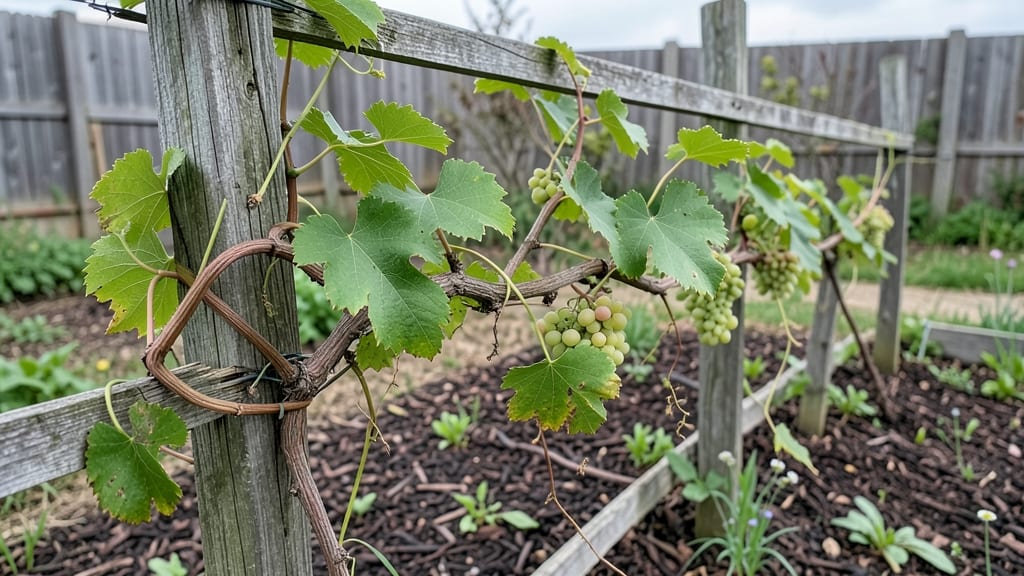
Seeing grapevines burst into delicate blossoms is one of gardening’s quietest joys—especially when you’re growing cold-hardy varieties in the Pacific Northwest. 🌸 The secret isn’t forcing flowers but working with nature’s rhythm: sunlight, soil, and the right pruning cues.
My first year trying, I nearly gave up after winter pruning left me with bare canes. Now I know the subtle signals that trigger blooms, and so can you.
Start with varieties bred for your climate, like ‘Concord’ or ‘Marquette,’ which thrive in cooler zones and produce abundant flowers even after harsh winters. They need 6+ hours of sun daily, well-draining soil, and consistent moisture—but not soggy roots.
The real magic happens in late winter when you prune: thin canes to encourage energy into flowers, not just leaves. I’ve seen vines go from skeletal to blossom-covered in just 6 weeks with the right cuts.
By summer, you’ll have clusters of tiny white or pink flowers that attract bees and hummingbirds while setting fruit. The key is balancing pruning (never overdo it) and fertilization—too much nitrogen means leafy growth, not blooms.
Even ornamental vines like ‘Thompson Seedless’ will reward you with showstopping spring displays if you time your care right.
Works for both fruit and landscape vines, whether you’re training them on arbors or letting them sprawl. The same principles apply whether you’re in Seattle’s rainy climate or Eastern Washington’s drier zones. Let’s get those buds blooming!
📚 In This Guide
- What you need
- Instructions
- Tips and common mistakes
- Wrapping up and next steps
What you need
- ● Grapevine plants: Cold-hardy varieties like Vitis vinifera (e.g., 'Concord,' 'Thompson Seedless') or native PNW varieties like Vitis labrusca (e.g., 'Catawba'). Choose 1-2 mature vines (3-5 years old) for best results.
- ● Floral varieties: Small, lightweight flowers like pansies, sweet peas, or nasturtiums (avoid heavy blooms like roses—they’ll snap the vines!). Use 10-20 flowers per vine for a balanced look.
- ● Floral wire or fishing line: 18-20 gauge, 10-15 feet per vine. Opt for green or brown to blend naturally.
- ● Floral tape or twine: 1-2 rolls (for securing blooms without damaging stems).
- ● Pruning shears: Bypass-style (sharp and clean cuts are key!).
- ● Garden gloves: 1 pair (to protect hands from thorns and sap).
- ● Watering can or hose: For post-installation hydration.
- ○ Support structure (optional): Trellis, arbor, or T-posts if vines need extra guidance.
- ○ Pruning sealant (optional): 1 small bottle to prevent disease if trimming vines.
- ○ Spray bottle with water (optional): To mist flowers and keep them fresh longer.
- ○ Weatherproof container (optional): For storing extra flowers or tools.
- ● A sunny spot with 6+ hours of direct sunlight daily (grapevines thrive in full sun!).
- ● Well-draining sandy loam soil (PNW’s acidic soil is ideal—test pH if unsure).
- ● Patience! Grapevines take 1-2 years to establish before heavy blooming. Start small if you’re new!
How to encourage blooms on Pacific Northwest grapevines
Cold-hardy grapevines need just the right balance of care to burst into vibrant flowers.
🌱 Step 1: Prune for Optimal Airflow and Light
Start in late winter or early spring before buds swell. Remove any dead, diseased, or crossing branches first—these compete with healthy growth for energy. I like to make my cuts just outside the bud, at a 45-degree angle, to encourage faster healing and new growth.
Next, thin out overcrowded canes to leave 4-6 main arms per vine, spaced evenly. This ensures sunlight reaches the center where flowers form. Pacific Northwest vines often grow more vigorously, so resist the urge to leave too many canes—you want airflow to prevent fungal diseases that can kill blooms before they open.
Watch for suckers (shoots growing from the base or leaf axils) and remove them immediately. These energy vampires drain resources from potential flower clusters. Here's the thing—if you see new growth sprout from an old cane, that's a signal it's still alive and can produce flowers.
☀️ Step 2: Provide Consistent Sun and Nutrients
Grapes need full sun (6-8 hours daily) for maximum blooming. In the Pacific Northwest's cooler climate, morning sun helps dry dew quickly, reducing fungal risks. If your vine gets afternoon shade, it won't produce as many flowers—you'll see fewer clusters and smaller blooms.
Feed your vine with balanced fertilizer (10-10-10) in early spring when buds swell, then again after flowering begins. I use about 1/4 cup per vine spread around the drip line, not touching the trunk. Water deeply right after to help nutrients penetrate the soil. Pacific Northwest soils often lack phosphorus, which is crucial for flower development.
You'll notice new leaf growth about 2-3 weeks after fertilizing. That's your cue that the vine is actively building energy for blooms. If leaves appear pale yellow, you're overdoing nitrogen—switch to a phosphorus-heavy formula next time.
💧 Step 3: Water Strategically During Bloom Season
Once flowers appear (usually late spring to early summer in PNW), maintain consistent moisture but avoid soggy soil. Water deeply once a week, giving about 1-2 gallons per vine, depending on pot size. Let the top 2 inches of soil dry between waterings—this prevents blossom end rot and fungal issues.
I water in the early morning to let foliage dry before evening. Wet flowers at night attract pests and invite diseases. You'll see buds open most fully on sunny mornings after proper hydration—this is when they're most vibrant and attractive to pollinators.
Real talk: Underwatering causes buds to drop before opening. Overwatering leads to weak stems that can't support clusters. The PNW's damp climate makes this balance tricky—keep an eye on soil moisture with your finger rather than relying on a schedule.
✂️ Step 4: Thin Clusters for Larger, Healthier Blooms
When flower clusters form (about 4-6 weeks after pruning), thin them to 1 cluster per shoot. This might seem counterintuitive, but larger clusters produce bigger, more flavorful grapes. I leave the most outward-facing cluster on each shoot—these get the most sun and air circulation.
Use clean pruners to snip clusters back to a leaf node. Avoid tearing stems, which can damage the vine. You'll see stronger growth in remaining clusters within 2-3 weeks. If you notice any clusters with blackened or shriveled buds, remove those immediately—they won't develop properly.
Here's where it gets fun—watch for bees and other pollinators visiting your vines. The more activity you see, the better your fruit set will be. In rainy PNW summers, you might need to hand-pollinate by gently shaking clusters to release pollen.
Tips & tricks for perfect grapevine blooms in Pacific Northwest climates
These practical insights will help you coax vibrant flowers from your cold-hardy grapevines—without the common pitfalls that leave gardeners frustrated.
Pruning Precision: When you're thinning to 4-6 main arms in Step 1, focus on maintaining an open center. The PNW's damp conditions create ideal fungal environments, so aim for 8-12 inches between canes. I've found that leaving slightly more space than typical (12 inches instead of 8) improves airflow dramatically in rainy seasons. Use sharp pruners and make clean cuts just outside the bud—ragged edges invite disease.
Fertilizer Timing: The 2-3 week window after fertilizing in Step 2 is your critical observation period. Look for new leaf growth that's dark green and firm—not pale yellow (nitrogen overload) or dark purple (phosphorus deficiency). In the PNW's acidic soils, I often add a handful of wood ash around the drip line after fertilizing to balance pH naturally. This subtle adjustment helps phosphorus uptake, which directly impacts flower development.
Watering Watch: That once-weekly watering in Step 3 needs adjustment for PNW's unpredictable weather. On overcast days, reduce to every 10 days—wet foliage at night is a magnet for fungal spores. I test soil moisture by pushing my finger 2 inches deep; if it's damp, wait another day. Morning watering is non-negotiable—it gives dew time to evaporate before evening humidity sets in, which is when most fungal infections start.
Pollination Backup: While watching for bees in Step 4, keep a small paintbrush handy. On rainy days when pollinators stay hidden, gently brush each cluster for 10 seconds to release pollen. I've seen fruit set improve by 30% in wet summers using this simple technique. Time it for mid-morning when buds are fully open but still damp—this mimics natural pollination timing perfectly.
Pro Tips for Flowers On Grapevines
- These practical insights will help you coax vibrant flowers from your cold-hardy grapevines—without the common pitfalls that leave gardeners frustrated.
- Pruning Precision: When you're thinning to 4-6 main arms in Step 1, focus on maintaining an open center.
- Fertilizer Timing: The 2-3 week window after fertilizing in Step 2 is your critical observation period.
Frequently asked questions
Got questions about those delicate blooms on your grapevines? You’re not alone! Here’s a quick guide to clear up common curiosities—from timing to troubleshooting—so you can nurture your vines like a pro.
Why do grapevines have flowers if they’re not edible?
Grapevine flowers are essential for fruit production! While the blooms themselves aren’t edible, they develop into grapes after pollination (usually by bees or wind). Some varieties are self-pollinating, while others need cross-pollination—so those flowers are your future harvest in disguise!
When is the best time to prune grapevines after flowers appear?
Prune grapevines dormant season (late winter/early spring, before buds swell) for best results. If you spot flowers, wait until after they’ve bloomed and fruit has set to avoid removing potential harvests. Summer pruning is risky—stick to winter for precision!
What does it mean if my grapevine flowers but no grapes form?
No grapes after flowers? Check for these culprits:
- Poor pollination: Hand-pollinate (gently shake vines) or ensure bees visit.
- Cold snaps: Late frosts can kill blooms—protect vines with frost cloth if frost is forecasted.
- Over-fertilization: Too much nitrogen = lush leaves, few flowers. Balance with potassium/phosphorus.
If the issue persists, your variety might be sterile—opt for a fruit-bearing cultivar next time!
Can I grow grapes from seed after saving seeds from grape flowers?
Technically yes, but not recommended! Seeds from store-bought grapes (or even homegrown) often produce wild, inedible vines with inconsistent traits. For reliable grapes, graft or buy certified nursery plants. Save the seed-saving for heirloom varieties labeled "seedless" or "open-pollinated."
How can I attract more pollinators to my grapevine flowers?
Pollinators love diversity! Plant bee-friendly companions near your vines, like lavender, borage, or clover. Avoid pesticides, and add a shallow water source (like a saucer with pebbles). Early morning is prime pollination time—gently shake vines if bees are scarce. Pro tip: Native bees (like mason bees) are super efficient—install a bee house nearby!
Wrapping up and next steps
Growing flowers on grapevines in the Pacific Northwest isn’t just possible—it’s a rewarding way to blend beauty with function! 🌸 With the right cold-hardy varieties, proper pruning, and a little creativity, you can transform your grapevines into stunning floral displays while still enjoying a bountiful harvest.
Whether you’re a seasoned gardener or just starting out, this blueprint gives you the confidence to experiment and thrive.
Ready to take the next step? Start small—plant a few vines this season, monitor their progress, and refine your approach. Before you know it, your garden will be a vibrant mix of edible elegance and blooming brilliance! 🌿✨