
Flowers
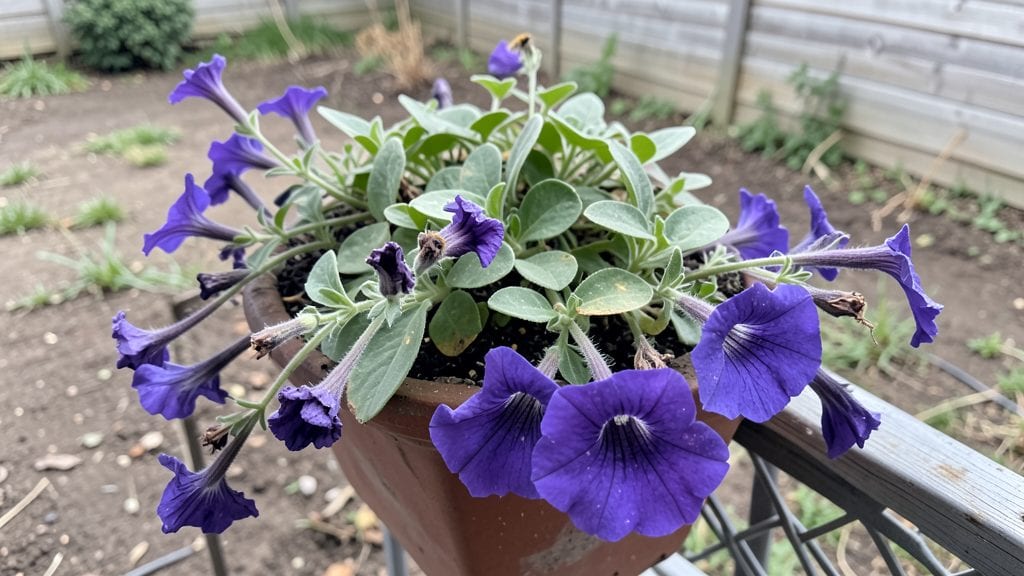
Balcony flowers can transform your urban view into a vibrant, fragrant escape—no yard required. 🌸 I’ve turned my tiny concrete ledge into a year-round showpiece using just a few smart choices, and you can too. The secret isn’t fancy setups but matching plants to your light, space, and care style.
Start with low-maintenance annuals like petunias or hardy perennials such as lavender—they thrive in small pots and need minimal fuss. Mix in trailing plants like sweet potatoes for a lush, cascading effect, and choose containers with drainage holes to keep roots happy.
Sunlight is key: most flowers need at least 6 hours daily, so rotate containers seasonally if your balcony shifts with the sun.
By summer, you’ll have blooms spilling over edges, filling the air with scent, and attracting butterflies. Even in winter, evergreen foliage and cold-tolerant pansies keep color alive. The best part? You’ll never need to mow, weed, or deal with soil pests—just enjoy the view from your own little garden.
Whether you’ve got a sunny railing or a shady corner, these tips adapt to any space. Let’s make your balcony bloom without the big garden demands!
📚 In This Guide
- What you need
- Instructions
- Tips and common mistakes
- Wrapping up and next steps
What you need
- ● Flowering plants: Choose compact, balcony-friendly varieties like petunias, geraniums, fuchsias, or succulents (3–6 plants, depending on space). Opt for self-watering or drought-resistant types for low maintenance.
- ● Containers: Balcony planters (12–18 inches deep, 1–2 per plant).
- ● Hanging baskets (10–14 inches in diameter, 1–3 per section).
- ● Window boxes (if using, 12–18 inches wide).
- ● Potting soil: High-quality, well-draining balcony mix (1–2 bags, 1–2 cubic feet each). Avoid garden soil—it compacts too easily!
- ● Drainage: Small pebbles or gravel (1–2 pounds) or drainage discs (1–2 per container).
- ● Basic tools: Trowel, pruning shears, gloves, and a watering can (or hose with a gentle spray nozzle).
- ○ Optional upgrades: Self-watering planters (for travel or forgetful waterers!).
- ● Balcony trellis or lattice (for climbing flowers like ivy or morning glories).
- ● Slow-release fertilizer (granules or spikes, 1–2 per plant).
- ● Mulch (1–2 inches of bark or coconut coir to retain moisture).
- ● Sunlight assessment: Measure how many hours your balcony gets direct sun (full sun = 6+ hours, partial = 3–6, shade = <3). Match plants to light conditions!
- ● Weight limits: Check your balcony’s load-bearing capacity (most hold 50–100 lbs/sq ft, but verify with a structural check if unsure).
- ● Weather prep: Move containers indoors during frost (if in a cold climate) or use frost-proof pots.
How to create a thriving balcony flower display
Balconies transform into vibrant gardens with the right approach—here's how to maximize every square foot.
🪴 Step 1: Select the Right Containers and Drainage
Start with containers that match your balcony's weight limits and aesthetic. I prefer lightweight ceramic or fiberglass pots for their durability and breathability—terracotta dries out too fast in hot afternoons, while plastic traps excess moisture. Ensure each container has multiple drainage holes (at least two) to prevent root rot, which is the silent killer of balcony plants.
If your chosen pots lack drainage, drill holes yourself using a 1/4-inch masonry bit. Place a 1-inch layer of gravel or broken pottery at the bottom before adding soil to create an air pocket that prevents clogging. This small step prevents waterlogging, which turns vibrant blooms into sad, wilted stems overnight.
☀️ Step 2: Choose Sun-Loving and Shade-Tolerant Varieties
Balconies receive uneven light, so I strategically pair plants based on their sun requirements. For south-facing balconies, opt for petunias, geraniums, or marigolds—they thrive in 6+ hours of direct sun and reward you with nonstop color. On north-facing spaces, impatiens, fuchsias, or begonias flourish in 4-6 hours of bright, indirect light without scorching.
Here's the trick: Place taller plants like salvia or snapdragons at the back of containers, then fill the front with trailing varieties like nasturtiums or sweet potatoes. This creates a lush, layered look while ensuring every plant gets its ideal light exposure. Check plant tags for light requirements—it’s the fastest way to avoid disappointment.
💧 Step 3: Use Well-Draining Soil and Fertilize Regularly
Skip garden soil—it compacts in containers and suffocates roots. Instead, blend 2 parts potting mix with 1 part perlite or vermiculite to improve aeration. I add a slow-release fertilizer (like 12-12-12) mixed into the soil at planting time for a 3-month nutrient boost. This prevents the "green but no flowers" syndrome that plagues many balcony gardens.
Water deeply once a week (or daily in extreme heat) until water runs freely from the drainage holes. Let the top 1-2 inches of soil dry out between waterings—this mimics natural rainfall and prevents fungal diseases. In summer, I set a timer to remind myself, because balcony plants dry out faster than garden beds.
✂️ Step 4: Prune and Deadhead for Continuous Blooms
Deadheading—removing spent blooms—is the secret to nonstop flowering. Pinch off faded flowers with your fingers or clean pruners, and you’ll encourage new buds to form within 2-3 weeks. For trailing plants like petunias or ivy, trim leggy stems back by one-third to promote bushier growth and more flowers.
I also rotate containers quarter-turn weekly so plants grow evenly toward the light. This prevents lopsided growth and ensures your balcony display stays symmetrical. A little maintenance now means months of vibrant color without gaps in your blooms.
🌿 Step 5: Protect Plants From Wind and Pests
Balconies are exposed to drying winds, so I place windbreaks (like sheer curtains or lattice screens) on the north or west sides where gusts are strongest. This keeps delicate petals from tearing and prevents soil from drying out too quickly. For pests, I spray plants with neem oil every 2 weeks—it deters aphids, spider mites, and whiteflies without harming bees or butterflies.
Watch for chewed leaves or sticky residue (aphid honeydew) as early warning signs. Act fast: A strong spray of water often knocks off pests before they establish colonies. With these simple steps, your balcony will stay pest-free and lush all season long.
Tips & tricks for perfect balcony flower displays
Between us, these small adjustments will transform your balcony from a simple planter to a thriving, year-round garden oasis.
Container Layering Strategy: When arranging plants in containers, use a 3-tier approach—place the largest plants at the back, medium-sized in the middle, and trailing varieties at the front. This creates visual depth and ensures every plant gets its required light. For example, place salvia at the back, petunias in the middle, and nasturtiums cascading over the edges. This arrangement maximizes the vertical space while preventing overcrowding that can lead to disease.
Light Exposure Hack: If your balcony gets only 4-6 hours of sunlight, choose begonias or impatiens for shade-tolerant spots and supplement with grow lights for 12-14 hours daily during winter. I use LED grow lights on timers to extend the daylight hours without overheating the plants. This trick keeps your balcony blooming even in low-light conditions, especially during shorter winter days.
Soil Mix Upgrade: For containers that dry out quickly, blend your 2 parts potting mix with 1 part perlite and add 1 tablespoon of coconut coir per gallon of mix. The coconut coir retains moisture better than regular potting mix while still allowing excess water to drain. This upgrade reduces your watering frequency by up to 30% without risking root rot.
Deadheading Timing: Don't wait until flowers are completely wilted to deadhead—remove them when they start to fade but are still firm. This prevents seed formation and encourages new blooms to form within the 2-3 week window mentioned in Step 4. I use a small pair of scissors for delicate flowers to avoid damaging stems, and always deadhead in the morning when plants are most hydrated.
Pro Tips for Flowers On Balcony
- Between us, these small adjustments will transform your balcony from a simple planter to a thriving, year-round garden oasis.
- Container Layering Strategy: When arranging plants in containers, use a 3-tier approach—place the largest plants at the back, medium-sized in the middle, and trailing varieties at the front.
- Light Exposure Hack: If your balcony gets only 4-6 hours of sunlight, choose begonias or impatiens for shade-tolerant spots and supplement with grow lights for 12-14 hours daily during winter.
Frequently asked questions
Got questions about keeping your balcony blooming?
Here are answers to the most common queries—from sun-loving plants to space-saving hacks.
What are the easiest flowers to grow on a balcony with little sunlight?
Opt for shade-tolerant varieties like fuchsias, impatiens, or begonias. These thrive in 4–6 hours of indirect light and add vibrant color without fuss. For near-total shade, try peperomias or calatheas—they’re low-maintenance and drought-resistant!
How often should I water balcony flowers, and what’s the best method?
Water when the top inch of soil feels dry—usually every 2–3 days in summer or every 5–7 days in cooler months. Use a self-watering planter or drip irrigation for consistency. Pro tip: Water in the morning to reduce evaporation and fungal risks.
Can I keep flowers on my balcony in winter, and how do I protect them?
Yes! Hardy annuals (like pansies or violas) and perennials (such as hellebores) survive mild winters. For frost-prone areas, wrap pots in bubble wrap, move them to a covered porch, or use frost cloths. Avoid fertilizing in cold weather—plants focus on survival, not blooms!
What if my balcony is too small for traditional planters?
No problem! Try hanging baskets (for trailing petunias or ivy), vertical planters (wall-mounted for herbs or succulents), or stackable pots to maximize space. Bonus: Use window boxes under railings for a built-in look!
How do I keep pests away from my balcony flowers?
Prevent pests with neem oil spray (natural repellent) or companion planting (e.g., marigolds deter aphids). Remove yellowing leaves promptly—pests love decaying matter. For aphids, blast them off with water; for spider mites, increase humidity with a light misting.
Wrapping up and next steps
Transforming your balcony into a vibrant oasis is easier than you think! With the right flowers on balcony, you can enjoy year-round color—even in small spaces.
Whether you're a seasoned gardener or just starting out, these tips and plant suggestions make it simple to create a beautiful, low-maintenance retreat. 🌸
Ready to take the next step? Start small—pick one or two plants, gather your supplies, and get growing! Before you know it, your balcony will be bursting with life, giving you a personal sanctuary to unwind and enjoy nature’s beauty every day. Happy gardening! 🌿