
Planting
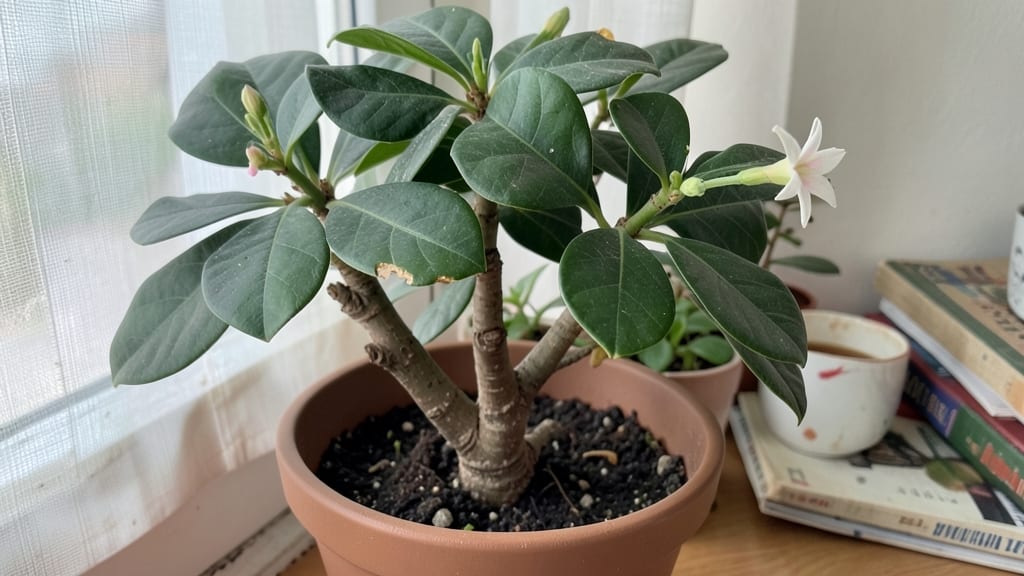
Your flowering money tree plant could burst into bloom this year—with just a few simple adjustments. 🌿 I’ve grown these tropical beauties for years, and the secret to their vibrant flowers lies in mimicking their natural jungle habitat, even indoors.
The key? Bright, indirect light, consistently moist (not soggy) soil, and a little patience with their slow-but-steady growth.
These plants thrive in warmth—think 65–85°F—and prefer well-draining potting mix with a touch of sand or perlite. Water when the top inch feels dry, and fertilize lightly every 4–6 weeks during spring and summer.
Pruning is minimal: just snip back leggy stems to encourage bushier growth and more flowers. The real magic happens when you let them rest in cooler temps (around 60°F) in winter—this triggers their stunning blossoms.
You’ll know you’re doing it right when your money tree rewards you with pink or white star-shaped flowers that last for weeks. The glossy, deep-green leaves stay lush year-round, making it a low-maintenance showstopper.
Best of all? It’s just as happy indoors near a sunny window as it is outdoors in sheltered tropical climates.
Troubleshooting yellow leaves? Too much water or poor drainage. Brown tips? Dry air—mist occasionally or use a pebble tray. With these tweaks, your flowering money tree will become the most talked-about plant in your space—no green thumb required.
📚 In This Guide
- What you need
- Instructions
- Tips and common mistakes
- Wrapping up and next steps
What you need
- ● Flowering Money Tree Plant (Pachira aquatica) – Choose a healthy, well-established plant (3-5 feet tall) from a nursery or propagate your own from cuttings.
- ● Well-draining potting mix – A blend of peat moss, perlite, and coconut coir (ratio: 40% peat, 30% perlite, 30% coir) to prevent root rot.
- ● Pot with drainage holes – Size 1-2 inches larger in diameter than the plant’s root ball (e.g., 12-16 inches for mature plants). Terracotta or ceramic works best.
- ● Slow-release fertilizer – Look for a balanced 10-10-10 or 20-20-20 NPK formula (1-2 tablespoons per planting).
- ● Pruning shears – Sharp, sterilized shears (for minimal pruning or propagation).
- ● Watering can with a rose attachment – For gentle, even hydration.
- ● Rooting hormone (if propagating from cuttings).
- ● Mulch (orchid bark or pine needles) – To retain moisture and add aesthetic appeal.
- ● Humidity tray or pebble tray – Especially useful in dry climates to mimic tropical conditions.
- ● Support stake or trellis – If your plant grows tall and leggy (though Money Trees are typically sturdy!).
- ● Light meter or grow lights – To ensure optimal bright, indirect light (1,000–2,000 lux).
Step-by-step guide to growing a thriving flowering money tree
Here's how to coax vibrant blooms from this striking plant with just a few key adjustments.
🪴 Step 1: Choose the Right Container and Soil Mix
Select a 6-8 inch pot with drainage holes—these plants hate soggy roots. I use a well-draining cactus/succulent mix blended with 20% perlite to keep moisture in check. The key is airy soil that mimics their tropical-but-dry native conditions. Fill the pot 1 inch below the rim to prevent spills during watering.
Tap the container gently to settle the soil without compacting it. Press down just enough to create a stable base for the plant. Here's the thing—if you use regular potting mix, the roots will suffocate and the plant will struggle to flower. That first bloom is your reward for getting the soil right.
☀️ Step 2: Position for Bright, Indirect Light
Place your money tree within 3-5 feet of an east or west-facing window where it gets 4-6 hours of bright, indirect light daily. South-facing windows work too, but you'll need to shield it from harsh afternoon sun with a sheer curtain. You'll know the light is perfect when the leaves stay a rich, vibrant green—not pale or yellowing.
Rotate the pot a quarter turn weekly so the plant grows evenly. I notice my plants develop a lopsided shape when I forget this step. If the leaves start stretching toward the light (called "etiolation"), move it closer to the window or supplement with a grow light for 12-14 hours daily.
💧 Step 3: Water Only When Soil is Completely Dry
Water deeply only when the top 2-3 inches of soil feel bone dry to the touch. Stick your finger in—if it comes out clean, it's time. Overwatering is the #1 killer of flowering money trees. I use the "soak-and-dry" method: pour water until it drains freely from the bottom, then empty the saucer immediately to prevent root rot.
This plant stores water in its thick stems, so it can handle drought better than too much moisture. If you see the leaves pucker or wrinkle, that's your signal to water. But if they yellow or feel mushy, you've overdone it. Here's the trick: water less in winter when growth slows dramatically.
✂️ Step 4: Prune Strategically to Encourage Blooms
Prune only to shape or control size—never to force blooms. Use clean, sharp scissors to trim back leggy stems in early spring. Cut just above a leaf node at a 45-degree angle to encourage new growth. I avoid heavy pruning in fall or winter when the plant is dormant.
Remove any yellow or brown leaves immediately—they drain energy the plant could use for flowering. If you want more branches, pinch back the tips of new growth when they reach 3-4 inches. This encourages bushier growth and more potential bloom sites. Just don't overdo it—too much pruning stresses the plant.
🌿 Step 5: Feed Lightly During Growing Season
Use a balanced liquid fertilizer (10-10-10) diluted to half strength every 4-6 weeks from spring through summer. I skip fertilizing in fall and winter when the plant rests. The goal is to feed just enough to support blooms without burning the roots. You'll see new growth and bud formation within 4-6 weeks of consistent feeding.
Here's where most people go wrong—they fertilize too heavily. If the leaves develop brown tips or the soil looks crusty, flush the soil with water to remove excess salts. Always water the plant thoroughly before and after fertilizing to prevent root burn. A little goes a long way with these sensitive beauties.
Tips & tricks for perfect flowering money trees
These simple adjustments make all the difference between a struggling plant and one bursting with vibrant blooms.
Soil Mix Secrets: When mixing your cactus/succulent blend with 20% perlite, sift the perlite first to avoid clumps that can block drainage. I also add a handful of orchid bark chips for extra aeration—this helps prevent that dreaded root rot while keeping moisture levels just right. The goal is soil that feels like a dry sponge, not wet sand.
Lighting Hacks: For those 4-6 hours of indirect light, position your plant near a sheer curtain to diffuse harsh rays. I've found that placing it on a rotating plant stand (turning it a quarter turn weekly) prevents that lopsided growth. If you notice leaves stretching toward the light, it's time to either move closer to the window or add that grow light for 12-14 hours daily—just keep it 6-12 inches away from the plant.
Watering Wisdom: The "soak-and-dry" method works wonders, but here's the trick: use room-temperature water to avoid shocking the roots. I also recommend using a moisture meter—when it reads dry at 2-3 inches down, that's your watering cue. In winter, I cut back to watering every 3-4 weeks instead of the usual 2-week schedule, which prevents overwatering during the plant's dormant phase.
Pruning Pro Tips: When pruning those leggy stems in early spring, make your cuts just above a leaf node at a 45-degree angle—this creates a larger surface area for new growth. I've noticed that pinching back tips at exactly 3-4 inches encourages bushier growth, but only do this 2-3 times per growing season. And always sterilize your scissors with rubbing alcohol between cuts to prevent spreading disease.
Pro Tips for Flowering Money Tree Plant
- These simple adjustments make all the difference between a struggling plant and one bursting with vibrant blooms.
- Soil Mix Secrets: When mixing your cactus/succulent blend with 20% perlite, sift the perlite first to avoid clumps that can block drainage.
- Lighting Hacks: For those 4-6 hours of indirect light, position your plant near a sheer curtain to diffuse harsh rays.
Frequently asked questions
Got questions about keeping your flowering money tree plant vibrant and thriving? You’re not alone! Here are some of the most common queries—plus quick, practical answers to keep your plant happy year-round.
How often should I water my flowering money tree?
Water your flowering money tree when the top 1-2 inches of soil feel dry—usually every 1-2 weeks, depending on humidity and light. Overwatering is the #1 killer, so always check moisture before adding more. Pro tip: Use a well-draining pot with drainage holes to prevent root rot!
When will my money tree start flowering?
Flowering money trees (like Pachira aquatica) typically bloom 1-3 years after planting, especially with bright, indirect light and balanced care. Patience is key—some varieties may take longer, but consistent care speeds up the process!
Can I grow a flowering money tree indoors year-round?
These plants thrive indoors with bright, indirect light (east or west-facing windows are ideal). If natural light is limited, supplement with a grow light 12-14 hours daily. Just avoid cold drafts or sudden temperature drops—keep it cozy (65–80°F) for best results.
Why aren’t my money tree leaves turning red/pink?
Red or pink leaves (like in Pachira ‘Money Tree Red’) need bright light to trigger pigmentation. If yours stays green, move it closer to a window or add a grow light. Yellowing leaves? Check for overwatering or nutrient deficiencies—feed with a balanced fertilizer every 2-3 months.
What’s a low-maintenance alternative to a flowering money tree?
If you want color with less fuss, try:
- Snake plant (Sansevieria) – Nearly indestructible, drought-tolerant, and adds subtle texture.
- ZZ plant (Zamioculcas zamiifolia) – Thrives in low light and needs water only every 3-4 weeks.
- Peperomia (Peperomia obtusifolia) – Compact, colorful, and perfect for small spaces.
Wrapping up and next steps
The flowering money tree plant is a stunning, low-maintenance addition that brings vibrant color to your space with almost no fuss! 🌺 With its striking blooms and easy-care nature, it’s perfect for both beginners and plant enthusiasts.
Whether you’re drawn to its beauty or its symbolic luck, this plant is a rewarding choice.
Ready to bring home your own? Start by gathering your supplies, then follow the simple steps to nurture it into a thriving centerpiece. Your next step? Visit your local nursery or order online today—your future flowering money tree awaits! 🌱