
Pruning
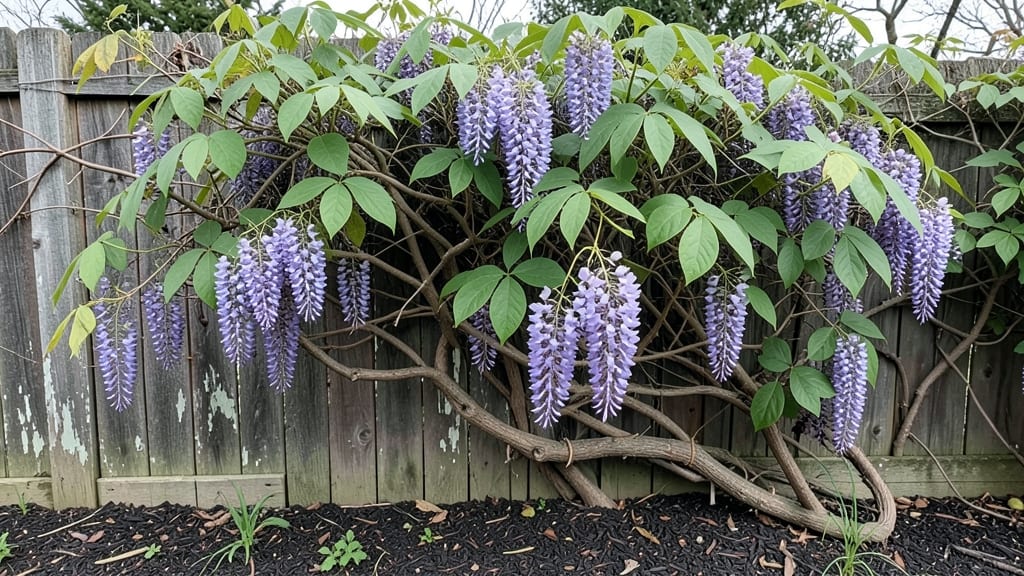
Growing a flowering wisteria tree in the Pacific Northwest means you're in luck—this hardy climber thrives in your climate, especially when pruned right for frost. 🌿 The secret to those iconic cascading blooms lies in understanding its aggressive growth habit and seasonal needs, which I learned the hard way after my first vine nearly took over the fence.
Your wisteria will need full sun, well-draining soil, and a sturdy support structure—think trellis or arbor—to handle its weight.
The key to success is patience: it takes 3-5 years before you see those fragrant purple blooms, but once established, it rewards you with springtime perfume that outshines any other garden plant. Containers work too, but expect more frequent pruning to keep it manageable.
Pruning isn't just about shaping—it's about encouraging blooms while controlling the vine's spread. Winter is the best time to trim back dead wood and shape the structure, but summer pruning keeps it from overwhelming your space.
The first year is all about establishing roots; by year three, you'll be shaping it like a pro.
Common challenges? Overgrowth and weak flowering usually stem from poor pruning timing or insufficient support. But with the right approach, your wisteria will become the showstopper of your garden—fragrant, fast-growing, and frost-tough. Let's get those shears ready!
📚 In This Guide
- What you need
- Instructions
- Tips and common mistakes
- Wrapping up and next steps
What you need
- ● Pruning shears: Sharp, bypass-style shears (for cuts under ½ inch thick). Quantity: 1 pair.
- ● Loppers: For thicker branches (½ to 1½ inches). Quantity: 1 pair (with a ratchet mechanism for ease).
- ● Pruning saw: For branches over 1½ inches thick. Specs: Bow saw or pruning saw with a fine-tooth blade.
- ● Gloves: Heavy-duty, gardening gloves with cut-resistant palms. Quantity: 1 pair.
- ● Disinfectant: Rubbing alcohol (70% isopropyl) or household bleach (1 part bleach to 9 parts water) for sterilizing tools.
- ○ Pruning sealant: Tree wound sealant (optional but recommended for large cuts).
- ● Ladder or step stool: Sturdy and tall enough to reach the tree’s highest branches safely.
- ● Trash bags: For collecting pruned branches. Quantity: 2-3 large bags.
- ● Work apron: With pockets for storing small tools and gloves.
- ● Safety glasses: To protect eyes from debris.
- ● Long sleeves/pants: For protection against thorns and scratches.
- ● Extension pole pruners: For high branches (if you prefer not to use a ladder).
- ● Marking spray: Non-toxic paint to mark branches for removal (great for planning!).
- ● Compost bin: For repurposing pruned branches as mulch.
Step-by-Step pruning guide for Pacific Northwest wisteria trees
Here’s how to shape your wisteria for vibrant, frost-resistant blooms—my go-to method for PNW climates.
🌿 Step 1: Time Your Pruning for Optimal Growth
Prune wisteria in late winter or early spring, just as buds begin to swell but before new growth starts. This timing ensures you remove dead wood while preserving next season’s flower buds. In the Pacific Northwest, aim for February to March—after frost risks have passed but before sap rises aggressively.
I always check the buds first: if they’re still tight and dormant, wait a few weeks. Pruning too early risks cutting off next year’s blooms, while waiting too long encourages rampant, unruly growth. A quick finger test—press a bud gently—will tell you if it’s ready.
✂️ Step 2: Remove Dead and Overcrowded Wood
Start by cutting out dead, diseased, or crossing branches first. Use sharp pruners to make clean cuts at a 45-degree angle, about ¼ inch above a healthy bud. Wisteria grows aggressively, so prioritize branches that rub against others or grow inward—they’ll never get enough light and will steal energy from your blooms.
Here’s the thing—wisteria’s vines can tangle like spaghetti. I untangle them carefully, then mark branches for removal with a piece of twine. This prevents accidental cuts to keepers. Never remove more than one-third of the plant’s total growth in a single season, or you’ll shock the tree.
☀️ Step 3: Shape for Light and Airflow
Wisteria needs full sun to partial shade, so open the center of the plant to let light penetrate. Cut back long, leggy branches by one-third to half their length, always cutting just above a outward-facing bud. This encourages bushier growth and more abundant blooms.
For climbing wisteria, train the main trunk along a trellis or arbor first. Then, prune side branches to 6–8 inches from the main stem to promote lateral growth. In the PNW’s damp climate, proper airflow reduces fungal diseases like powdery mildew, which can ruin your flowers.
🌱 Step 4: Post-Pruning Care for Strong Recovery
After pruning, apply a balanced, slow-release fertilizer (like 10-10-10) to replenish nutrients lost during cutting. Water deeply at the base—1–2 gallons per tree—to help the plant recover. Avoid overhead watering, which can spread disease through fresh cuts.
Mulch around the base with 2–3 inches of organic mulch (like wood chips) to retain moisture and regulate soil temperature. This is especially critical in the PNW’s cool, wet winters. Monitor the tree for new growth in 4–6 weeks; if shoots appear weak or sparse, adjust next year’s pruning approach.
⏰ Step 5: Annual Maintenance for Long-Term Health
After the initial prune, do a light maintenance trim in late summer to remove any suckers or overly vigorous growth. This keeps the tree in check without stressing it before winter. In the PNW, wisteria benefits from winter pruning every 2–3 years—just enough to shape and remove dead wood.
Real talk: wisteria is patient. It won’t bloom heavily for 2–3 years after planting, but consistent pruning pays off with frost-resistant clusters that thrive in our climate. Keep notes each year—track which cuts produced the best blooms and refine your approach.
Tips & tricks for perfect wisteria pruning in the Pacific Northwest
These pruning secrets will help you transform your wisteria into a frost-hardy blooming powerhouse—without the common mistakes that ruin growth.
Bud Readiness Test: In Step 1, when checking those February-March buds, look for a slight swelling at the base—this means they’re ready. Press gently: if the bud feels firm but yields slightly, it’s time to prune. If it’s still rock-hard, wait another week. I learned this the hard way after accidentally cutting off next year’s blooms by pruning too early! The PNW’s unpredictable frost patterns make this test especially critical.
Branch Mapping Strategy: Before making any cuts in Step 2, untangle the vines completely and lay them out like a puzzle. Use a permanent marker to label branches you’re keeping versus removing—this prevents the "oops, I cut the wrong one" moment. I keep a small notebook by my pruners to sketch the plant’s structure first. This visual approach ensures you never exceed that one-third removal rule while still opening up the center for light.
Airflow Hack for Damp Climates: During Step 3’s shaping, focus on creating a "light funnel" effect by cutting back the thickest branches first. In the PNW’s humid summers, proper airflow prevents powdery mildew better than any fungicide. After pruning, I always run my hand through the center—if I can’t easily fit my fingers between branches, I need to cut more. This simple test saves hours of cleanup later.
Fertilizer Timing Secret: In Step 4, apply that 10-10-10 fertilizer immediately after pruning but before watering. The fresh cuts act like straws, drawing nutrients directly into the plant. I mix the fertilizer with the first gallon of water to create a nutrient-rich solution that gets absorbed faster. This post-pruning boost helps the tree recover within those critical 4-6 weeks before new growth appears.
Pro Tips for Flowering Wisteria Tree
- These pruning secrets will help you transform your wisteria into a frost-hardy blooming powerhouse—without the common mistakes that ruin growth.
- Bud Readiness Test: In Step 1, when checking those February-March buds, look for a slight swelling at the base—this means they’re ready.
- Branch Mapping Strategy: Before making any cuts in Step 2, untangle the vines completely and lay them out like a puzzle.
Frequently asked questions
Got questions about keeping your flowering wisteria tree thriving in the Pacific Northwest? You’re not alone! Here are answers to the most common concerns—from pruning to frost prep—so you can enjoy those stunning cascades of blooms year after year.
When is the best time to prune wisteria in the PNW?
The ideal window is late winter or early spring (February–March), before new growth starts. This timing helps avoid frost damage while encouraging strong blooms. Skip summer pruning—it can stunt flower production. Pro tip: If you must prune later, wait until after flowering to minimize stress.
How do I protect wisteria from PNW frosts?
Wisteria is frost-resistant, but young trees or tender new growth may need help. Mulch the base with 2–3 inches of wood chips to insulate roots, and cover blooms with frost cloth if temps dip below 20°F. Avoid overhead watering before frost—wet flowers freeze faster!
Can I grow wisteria in a container?
Yes, but it’s challenging due to their aggressive roots. Choose a large, sturdy container (20+ gallons) with drainage holes and a fast-growing vine support. Use a well-draining potting mix and prune roots annually to prevent circling. Warning: Container wisteria may bloom less than in-ground plants.
Why isn’t my wisteria flowering?
Common culprits: over-pruning (keep 1–2 old stems for blooms), poor sunlight (6+ hours of sun daily), or young age (wisteria often takes 3–5 years to flower). Check for: deadheading spent blooms, balanced fertilizer (high phosphorus), and proper winter chilling.
What’s a good alternative if wisteria is too aggressive?
If wisteria’s rapid growth or invasive roots are concerns, try these PNW-friendly climbers:
- Clematis – Less aggressive, diverse colors, and easier to manage.
- Honeysuckle (Lonicera) – Fragrant, fast-growing, and pollinator-friendly.
- Climbing Roses – Classic blooms with moderate spread.
- Star Jasmine (Trachelospermum) – Evergreen, fragrant, and low-maintenance.
Wrapping up and next steps
Transforming your flowering wisteria tree into a stunning, frost-resistant beauty in the Pacific Northwest is entirely within reach! By mastering the right pruning techniques—like timing cuts in late winter or early spring, thinning for airflow, and shaping for sunlight—you’ll encourage vibrant blooms year after year. 🌸
Now that you’re armed with the knowledge, roll up your sleeves and get pruning! Start small if you’re new, and don’t forget to celebrate each step—your future purple cascades will thank you. Need a refresher? Bookmark this guide or share it with fellow gardening enthusiasts to keep the inspiration (and blooms!) growing.