
Lawn
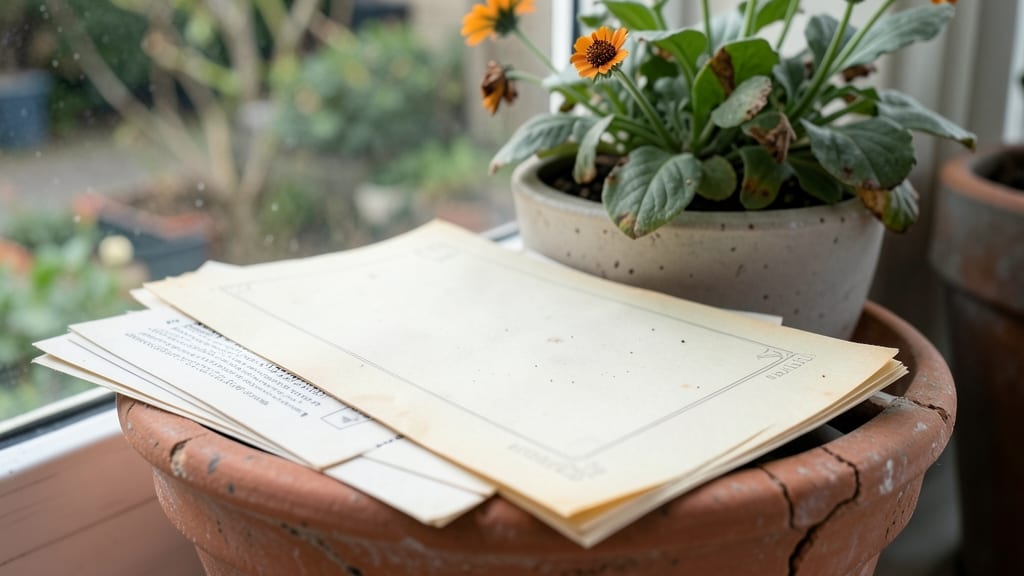
Flower seed catalogs for 2025 are your golden ticket to a Pacific Northwest garden that thrives despite cool, damp springs and unpredictable summers. 🌸 I still remember the first time I ordered seeds from a catalog—my hands shaking as I circled varieties that promised blooms when others gave up.
The right catalogs focus on cold-hardy annuals, perennials that bounce back from frost, and flowers that love the region's rich soil and long daylight hours.
Ordering early—by late winter—gives you time to plan for your microclimate, whether that's a sunny city patio or a shaded woodland edge. Look for catalogs specializing in Pacific Northwest natives like lupines, columbines, and shrub roses that handle wet winters and dry summers.
Many now offer seed-saving options too, so you can grow the same varieties year after year without reordering.
What you'll end up with is a garden that bursts into color when others are still waiting for warmth. Imagine vibrant red columbines nodding in early spring, deep purple delphiniums towering over borders by summer, and golden black-eyed Susans lighting up fall.
The best part? These flowers attract pollinators all season long, turning your garden into a thriving ecosystem.
Start by marking your calendar for early January ordering deadlines—some catalogs sell out fast. Then grab a notebook and sketch your garden layout, noting which spots get morning sun, afternoon shade, or full-day light. This is where the magic begins, and the blooms will thank you for the planning.
📚 In This Guide
- What you need
- Instructions
- Tips and common mistakes
- Wrapping up and next steps
What you need
- ● 2025 Flower Seed Catalogs: Choose 1–3 catalogs specializing in cold-hardy, Pacific Northwest varieties (e.g., Burpee, Park Seed, or regional nurseries like Swansons).
- ● Seeds: Select 1–2 lbs of seeds (mix of perennials, annuals, and bulbs) based on your catalog choices. Prioritize USDA Zones 7–9 varieties.
- ● Seed Starting Mix: 1–2 bags (1 cubic foot each) of high-quality, sterile potting mix (look for peat moss-free options for sustainability).
- ● Grow Trays or Containers: 10–20 cell trays (biodegradable or plastic) or small pots (3–4 inches deep) for seedlings.
- ● Grow Lights or Sunny Windowsill: 1–2 LED grow lights (full-spectrum, 12–16 hours/day) or a south-facing window with consistent sunlight.
- ● Plant Labels: 50–100 reusable labels (with markers) or a label maker for tracking varieties.
- ● Spray Bottle: 1 (for gentle watering of seedlings).
- ○ Heat Mat (Optional): 1 (for faster germination, especially for cool-season seeds).
- ● Pruners/Scissors: 1 pair (for transplanting or trimming).
- ● Garden Gloves: 1 pair (to protect hands from soil and thorns).
- ● Timing: Start seeds indoors 8–12 weeks before your last frost date (typically March–April for PNW).
- ● Outdoor Space: Prepare garden beds or containers (6–12 inches deep) with well-draining soil and compost.
- ● Water Source: Access to a hose or watering can with a fine rose attachment for delicate seedlings.
- ● Patience & Notes: A notebook or app (like Gardenate) to log planting dates, watering schedules, and growth milestones.
How to select and order cold-hardy flower seeds for the Pacific Northwest
Here's how to pick the best varieties for your climate—without the overwhelm.
🌱 Step 1: Identify Your Hardiness Zone and Microclimate
First, confirm your USDA hardiness zone (most of the Pacific Northwest falls between zones 6-8). Check your local weather patterns—coastal areas stay milder, while inland valleys drop colder. I always double-check with my county extension office, since elevation and wind exposure matter more than the general zone.
Look for seed catalogs that specify "cold-tolerant" or "Pacific Northwest-recommended" varieties. These will handle your region’s wet springs, cool summers, and early frosts without fuss. Avoid heat-loving annuals like marigolds or zinnias unless you’re in a protected microclimate.
🌿 Step 2: Prioritize Native and Adapted Perennials
Native flowers like Pacific coast iris, columbine, and penstemon thrive with minimal fuss. They’re already adapted to your soil, rain levels, and pests. I’ve found that cold-hardy perennials (like lupines or asters) return year after year, while many annuals flop in the damp Pacific Northwest climate.
Check catalog descriptions for terms like "self-seeding" or "drought-tolerant"—these are gold for low-maintenance gardens. I avoid anything labeled "tender" or requiring "full sun" unless I’m planting in a south-facing bed with extra care.
☀️ Step 3: Plan for Seasonal Overlap and Color
Mix early bloomers (like heuchera or bleeding heart) with late-season varieties (such as sedum or asters) to keep color from spring through fall. I sketch a quick garden map to visualize how each variety will fill gaps—no more boring summer gaps!
Pay attention to bloom times in catalog notes. For example, snapdragons may bolt in heat, while lobelia thrives in cooler weather. Order a mix of cool-season and warm-season flowers to extend your display. Pro tip: Catalogs often list bloom duration—longer is better for cutting gardens.
💧 Step 4: Order Early and Track Deadlines
Seed catalogs often ship spring and early summer—mark those dates on your calendar. I order by mid-February to secure my top picks, especially for heirloom or limited-edition varieties. Check shipping policies: some offer "guaranteed delivery before last frost" for your zone.
Compare price per packet—some catalogs bundle seeds, while others sell singles. I usually order 3-4 packets per variety to test different locations in my garden. Always note the expiration date (most seeds last 1-2 years if stored properly).
⏰ Step 5: Organize and Store Seeds for Success
Once your seeds arrive, label each packet with the variety, planting date, and location. I use a small notebook to track germination times—some catalogs list this, but others don’t. Store seeds in a cool, dark, dry place (like a sealed container in the fridge) to extend shelf life.
Before planting, test a few seeds in a small pot to confirm germination. If they don’t sprout within 2-3 weeks (or the time listed on the packet), try again—sometimes catalogs mislabel or seeds are old. This saves heartache later!
Tips & tricks for perfect Pacific Northwest flower seed selection
These practical strategies will help you navigate 2025's flower seed catalogs like a pro—without the overwhelm of trial and error.
Catalog Research Strategy: Beyond just looking for "cold-tolerant" labels, I recommend cross-referencing three key details: bloom duration (longer = better for cutting gardens), self-seeding capabilities (perpetuates your garden), and pest resistance (critical for our damp climate). Many catalogs now include Pacific Northwest-specific notes—these are your gold standard. I always print or save digital copies of these special notes for quick reference during planting.
Microclimate Mapping: The instructions mention checking your zone, but here's what nobody tells you—microclimates matter more than the general zone. A south-facing wall can be 5-10°F warmer than your yard's average, while a shaded corner might be cooler. I sketch a quick map of my garden with arrows showing sun exposure, wind patterns, and moisture levels. This helps me place heat-loving varieties (like lobelia) in protected spots and cool-season plants in shadier areas.
Seasonal Layering Secret: For continuous color, I aim for this ratio: 40% early bloomers (like heuchera), 30% mid-season (such as columbine), and 30% late-season (including asters). Pro tip: Catalogs often list bloom duration—look for varieties that span 6+ weeks to fill gaps naturally. I keep a color wheel nearby when planning to ensure complementary hues that attract pollinators.
Ordering Timeline Hack: While mid-February is ideal, I've learned to set two deadlines: the catalog's cutoff (usually January 31) and my personal last frost date (which varies by 2-3 weeks across the PNW). For heirloom varieties, I order 3-4 weeks earlier—they often sell out fastest. I also check if catalogs offer "guaranteed delivery before last frost"—this is worth paying extra for if you're impatient!
Pro Tips for Flower Seed Catalogs 2025
- These practical strategies will help you navigate 2025's flower seed catalogs like a pro—without the overwhelm of trial and error.
- Many catalogs now include Pacific Northwest-specific notes—these are your gold standard.
- Microclimate Mapping: The instructions mention checking your zone, but here's what nobody tells you—microclimates matter more than the general zone.
Frequently asked questions
Got questions about ordering flower seeds for the Pacific Northwest’s chilly climate?
You’re not alone! Here are answers to the most common concerns—so you can plant with confidence in 2025.
What’s the best time to order flower seeds for PNW planting?
Order now (late fall/winter) for early spring delivery—most catalogs ship seeds in January–March. For cold-hardy PNW varieties, aim to plant perennials in early spring (March–April) and annuals after the last frost (May–June). Check your catalog’s planting chart for exact timing!
Which flowers are truly cold-hardy for the PNW?
Look for catalogs featuring USDA Zones 6–8 varieties like Lupine, Penstemon, Hellebore, and Siberian Bugloss. These thrive in damp, cool climates. Pro tip: Filter by “drought-tolerant” or “shade-loving” if your yard is wet or shady!
Are seed catalogs more expensive than buying seeds locally?
Not always! Catalogs often offer bulk discounts, rare heirloom varieties, and free shipping on orders over $50. Local nurseries may have limited stock, while catalogs guarantee freshness. Compare prices per seed packet—sometimes the savings add up!
What if my seeds don’t germinate or die in cold soil?
Start seeds indoors 6–8 weeks before the last frost (use grow lights!). For direct sowing, pre-soak seeds overnight and cover with 1–2 inches of soil. If germination fails, check moisture (keep soil damp, not soggy) and temperature (most PNW seeds need 60–70°F).
Can I order seeds online, or do I need a physical catalog?
Most catalogs (like Baker Creek Heirloom Seeds or Richters) offer digital versions with searchable databases. Physical catalogs are still sent via mail—just request one online! Many also have apps for mobile ordering.
Wrapping up and next steps
As we look ahead to 2025’s flower seed catalogs, the Pacific Northwest’s cold-hardy varieties offer a thrilling opportunity to transform your garden into a vibrant, resilient oasis. From hardy perennials to drought-tolerant blooms, these seeds are your ticket to year-round beauty—even in chilly climates! 🌸❄️
Ready to dive in? Start by browsing the latest catalogs (like those from Burpee or Seeds of Change) and mark the varieties that excite you. Then, sketch a simple garden layout—let your creativity bloom! 🌱✨
Your dream garden is just a seed away—plant, nurture, and enjoy!