
Flowers
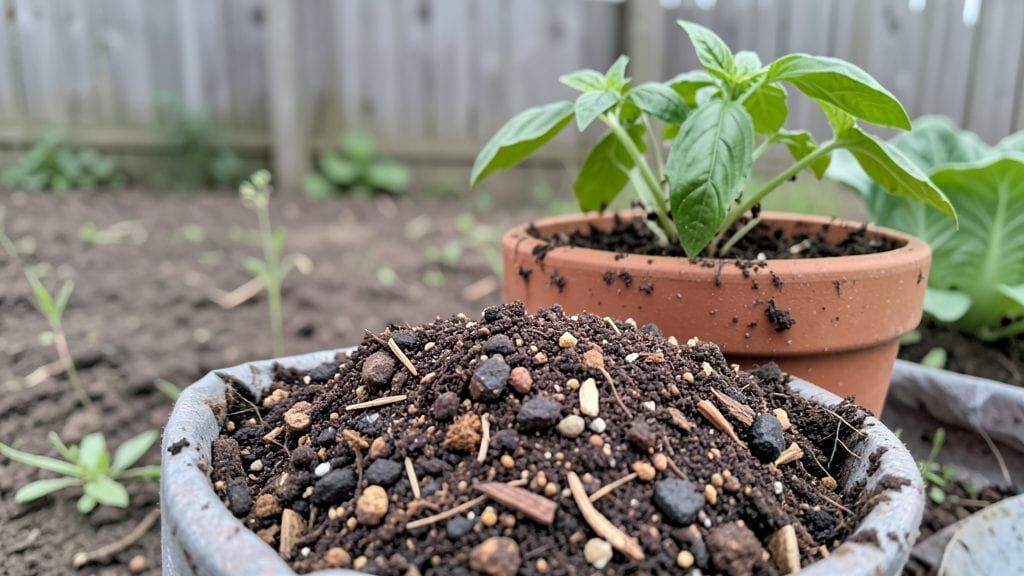
The right flower pot mix turns a simple container into a blooming powerhouse—no matter how small your space. 🌸 I’ve used everything from cheap store-bought bags to custom blends, and the difference in plant health is night and day.
The secret isn’t just soil; it’s the balance of drainage, nutrients, and air pockets that keep roots happy.
Most store-bought mixes work fine for short-term projects, but for long-lasting blooms, you’ll want to tweak the ratio: 60% organic matter (like compost or coconut coir), 30% perlite or vermiculite for drainage, and 10% slow-release fertilizer.
This combo prevents soggy roots while feeding plants steadily. For succulents, cut the organic matter to 40%—they hate wet feet.
Your pots will transform from sad, leggy plants to vibrant, bushy bloomers in just weeks. Petunias thrive in lightweight mixes, while fuchsias need a bit more moisture-retention. The key is matching the mix to the plant’s natural habitat—mimic a forest floor for shade lovers or a sandy desert for sun-seekers.
Start with what you have, then upgrade over time. A 5-gallon pot needs at least 2 gallons of mix, while window-box annuals can thrive in just 1 gallon. Pro tip: Fluff the mix before planting—roots need room to breathe from day one. Let’s get those blooms growing!
📚 In This Guide
- What you need
- Instructions
- Tips and common mistakes
- Wrapping up and next steps
What you need
- ● Potting soil: 1–2 bags (1–2 cubic feet) of well-draining, sterile potting mix (look for labels like "moisture control" or "organic blend").
- ● Perlite or vermiculite: 1 cup (for aeration—helps roots breathe!).
- ● Compost or worm castings: ½ cup (boosts nutrients naturally!).
- ● Slow-release fertilizer: 1–2 tablespoons (e.g., osmocote or organic pellets).
- ● Flower seeds or seedlings: Choose fast-growing varieties like marigolds, petunias, or nasturtiums for small pots.
- ● Flower pot(s): 1–3 containers with drainage holes (6–12 inches in diameter, depending on plant size).
- ● Gloves: 1 pair (to keep hands clean and protect skin).
- ● Trowel or small shovel: 1 (for mixing and transferring soil).
- ● Measuring cups/spoons: 1 set (for precise ingredient ratios).
- ● Watering can or spray bottle: 1 (with a fine rose nozzle for gentle watering).
- ○ Optional but helpful: Mulch (e.g., bark chips) to retain moisture.
- ● pH testing kit (if soil is unknown—ideal range: 6.0–7.0 for most flowers).
- ● Plant markers (to label your blooms!).
Step-by-Step guide to crafting the perfect flower pot mix
Here's how to create a nutrient-rich blend that keeps your potted plants thriving.
🌱 Step 1: Choose Your Base Components
Start with one part high-quality potting soil as your foundation—this provides essential nutrients and structure. I like to use a peat-free mix to avoid moisture retention issues. Add one part perlite or vermiculite to improve aeration and drainage. These lightweight additives prevent compaction, which is crucial for root health in containers.
For a well-draining mix, I blend these components thoroughly. Use a clean bucket or large container to combine them evenly. You'll want a texture that feels light but holds moisture—like damp sand. If you're working with heavy clay soil, skip the potting soil and use two parts perlite mixed with one part coconut coir instead.
🌿 Step 2: Incorporate Organic Amendments
Add one part compost or worm castings to boost microbial activity and nutrient availability. Compost provides slow-release organic matter, while worm castings add beneficial microbes that enhance root development. I sift mine to remove any large chunks—you want a fine, crumbly texture that blends seamlessly.
For acid-loving plants like azaleas or gardenias, mix in one part peat moss instead of compost. This lowers the pH naturally. If your mix feels too dense after adding amendments, fluff it with a fork or your hands until it reaches a loose, airy consistency. The goal is a blend that crumbles easily when squeezed but still holds shape.
💧 Step 3: Customize for Plant Needs
For flowering plants, add one tablespoon of balanced fertilizer per two gallons of mix. I use a slow-release granular fertilizer to avoid nutrient spikes that can burn roots. For succulents or cacti, reduce the potting soil to one part and increase perlite to two parts, then add one part coarse sand for extra grit.
If you're growing moisture-loving plants like ferns or impatiens, increase the potting soil to two parts and reduce perlite to one part. The mix should retain moisture without becoming soggy—press a handful and let it form a loose clump. If water beads on the surface, it's too wet; if it crumbles instantly, add a bit more compost to help retain moisture.
✂️ Step 4: Test and Adjust
Fill a small container with your mix and moisten it until water runs out the drainage holes but doesn't pool. Let it sit for 24 hours, then squeeze a handful—it should hold together lightly but not feel damp. If it's too dry, add a bit more compost; if it's too wet, mix in extra perlite.
For a final check, plant a test seedling or cutting. After one week, observe how the soil behaves. If the plant wilts quickly, the mix drains too fast—add more compost. If leaves yellow or stems rot, the mix retains too much moisture—incorporate more perlite. Adjust the ratio until you achieve the perfect balance for your plants.
🪴 Step 5: Store for Future Use
Keep your custom mix in a sealed container away from direct sunlight to preserve moisture and nutrients. Label it with the plant type and date—most mixes last 6-12 months if stored properly. For long-term use, add a one-inch layer of fresh compost to the surface every few months to replenish nutrients.
When using your mix, fill pots to one inch below the rim to prevent spillage during watering. This also leaves room for mulch, which helps retain moisture and regulate soil temperature. Your custom blend is now ready to support vibrant, healthy blooms in any small space!
Tips & tricks for perfect flower pot mix
Real talk: The secret to thriving potted plants isn't just about the ingredients—it's about how you blend and balance them.
Texture is Everything: When mixing your one part potting soil with perlite or vermiculite in Step 1, think "light yet cohesive"—like damp sand. The goal is to create pockets of air for roots while still holding moisture. If your mix feels too dense after blending, add an extra ¼ part perlite and fluff with your hands until it crumbles easily. This prevents compaction, which is the #1 killer of container-grown plants.
Sifting Makes All the Difference: In Step 2, when incorporating compost or worm castings, use a fine-mesh sifter to remove any large chunks. I learned this the hard way after planting a fern in clumpy mix—it took weeks for the roots to penetrate properly. Sifted amendments blend seamlessly, creating a uniform texture that promotes even root growth throughout your mix.
Customization for Plant Types: The ratios in Step 3 aren't set in stone! For moisture-loving plants like ferns, increase the potting soil to two parts and reduce perlite to one part—this creates a more water-retentive environment. For succulents, reverse the ratio (one part soil, two parts perlite plus coarse sand) to mimic their arid native habitats. The key is observing your plant's natural environment and replicating those conditions in your mix.
Storage Wisdom: After creating your mix in Step 5, divide it into smaller containers (like one-gallon buckets) before sealing. This prevents moisture loss in the center of large batches and makes it easier to access specific portions. Store in a cool, dark place—direct sunlight can degrade organic matter over time. I've kept mixes fresh for up to 12 months using this method, with no loss of nutrient quality.
Pro Tips for Flower Pot Mix
- Real talk: The secret to thriving potted plants isn't just about the ingredients—it's about how you blend and balance them.
- Texture is Everything: When mixing your one part potting soil with perlite or vermiculite in Step 1, think "light yet cohesive"—like damp sand.
- Sifting Makes All the Difference: In Step 2, when incorporating compost or worm castings, use a fine-mesh sifter to remove any large chunks.
Frequently asked questions
Got questions about flower pot mix?
You’re not alone! Whether you’re a beginner or a seasoned gardener, these common queries—and their answers—will help you grow lush, happy plants in your small-space garden.
What’s the best ratio of soil, perlite, and compost for a flower pot mix?
A balanced flower pot mix typically uses 60% potting soil, 20% perlite or vermiculite (for drainage), and 20% compost or worm castings (for nutrients). Adjust ratios based on your plants—succulents need more perlite, while heavy feeders (like tomatoes) thrive with extra compost. Pro tip: Start with this ratio, then tweak as you observe moisture retention and root health!
How often should I water plants in a flower pot mix?
Watering frequency depends on your flower pot mix, pot size, and climate, but a general rule is to water when the top 1–2 inches of soil feel dry. Containers dry out faster than garden beds, so check daily in hot weather. Overwatering is a common mistake! Use your finger to test moisture—if it’s damp, wait another day. Drainage holes are non-negotiable.
Can I reuse old flower pot mix? If so, how do I refresh it?
Yes! To refresh old flower pot mix, remove large debris, fluff the soil, and mix in 20–30% fresh compost or potting soil. Add a handful of perlite if the mix feels compacted. Avoid reusing mix with mold, pests, or foul odors—it’s time for a full replacement. Bonus tip: Sterilize pots by soaking them in a 10% bleach solution (rinse well!) before repurposing.
What are some low-maintenance plants that thrive in flower pot mix?
If you’re short on time, opt for resilient plants like petunias, marigolds, or snake plants (for shade). Succulents (e.g., sedum or echeveria) and herbs like basil or thyme also love well-draining flower pot mix. Avoid moisture-loving plants (like ferns) unless you’re committed to frequent watering. Start with these winners for hassle-free blooms!
Why are my plants wilting or turning yellow in flower pot mix?
Wilting or yellowing leaves often signal overwatering, poor drainage, or nutrient deficiency. Check for:
- Root rot: If the mix smells sour or feels soggy, repot with fresh, dry mix.
- Nutrient burn: Yellow edges on leaves? Flush the pot with water to remove excess salts.
- Compacted soil: Add perlite or aerate the mix to improve airflow.
Adjust your watering routine and monitor for pests like aphids or fungus gnats. Troubleshoot early!
Wrapping up and next steps
Creating the perfect flower pot mix is all about balancing the right ingredients to give your plants the love they deserve—whether you’re a green thumb or just starting your gardening journey! 🌱 With the right soil, nutrients, and a touch of creativity, you can transform even the smallest space into a blooming oasis.
The key takeaway? Healthy soil equals happy plants!
Now that you’re armed with the knowledge, why not roll up your sleeves and get planting? Start with a single pot, experiment with textures and colors, and watch your space come to life. Every gardener begins somewhere—your first bloom is just a mix away! 🌸