
Flowers
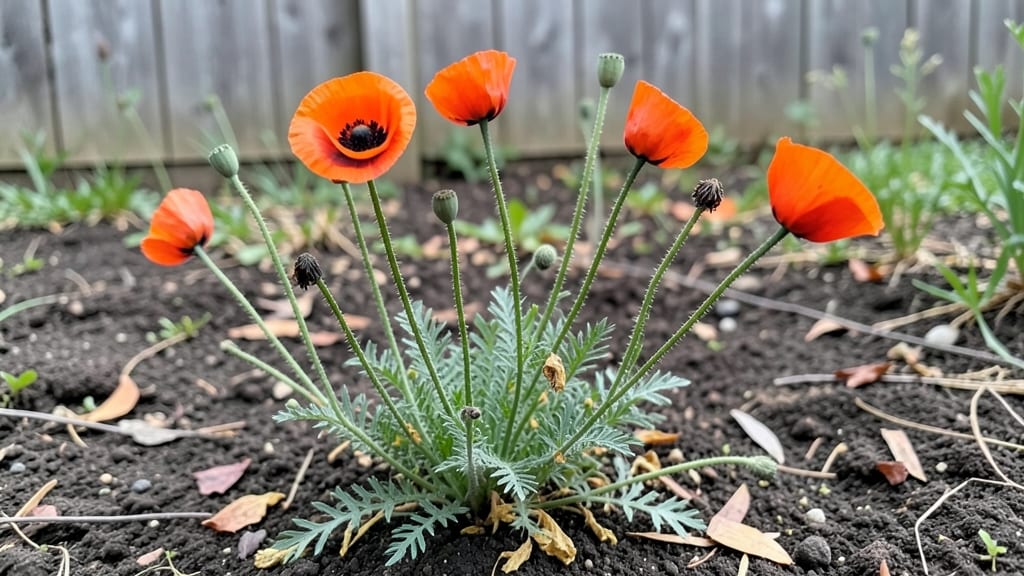
Creating a flower of hope garden in the Pacific Northwest means choosing plants that defy gray skies and chilly winds while lifting spirits. 🌸 The key is selecting frost-hardy blooms like hellebores, bleeding hearts, and camellias—each carrying its own quiet resilience.
These flowers emerge early, pushing through damp soil to greet winter’s end with delicate petals that feel like nature’s own encouragement.
Start with a hope pathway—a winding bed of perennials that bloom in succession, from late winter’s hellebores to summer’s hydrangeas. Add a splash of color with blue (for calm renewal) and yellow (for joy), using plants like lungwort or goldenrod.
The goal isn’t perfection; it’s a garden that feels like a hug after a long rain.
This isn’t just a garden—it’s a sanctuary where every bloom tells a story of perseverance. Imagine stepping into a space where the first crocus peeks through snow, followed by lavender’s scent cutting through damp air.
Even on cloudy days, the colors will remind you that hope isn’t fragile—it’s built to last.
Perfect for urban yards, rural homesteads, or even a small balcony planter. The Pacific Northwest’s climate makes these flowers thrive, proving beauty and strength can grow side by side. Let’s design your own sanctuary of light.
📚 In This Guide
- What you need
- Instructions
- Tips and common mistakes
- Wrapping up and next steps
What you need
- ● Seeds or young plants: 3–5 Erigeron speciosus seeds (if starting from seed) or
- ● 1–3 nursery-grown plants (for quicker blooms!) 🌸
- ● Well-draining soil: Mix equal parts garden soil, compost, and perlite (or potting mix for containers).
- ● Sunlight access: A spot with full sun (6+ hours/day) or partial shade (morning sun, afternoon shade) for frost-prone areas.
- ● Watering can or hose: With a gentle spray nozzle for delicate seedlings.
- ○ Mulch (optional but recommended): 1–2 inches of shredded bark or straw to retain moisture and protect roots in winter.
- ● Garden trowel or small shovel (for digging holes or transplanting).
- ● Gloves (to protect your hands from thorns or soil).
- ● Measuring tape or ruler (to space plants 12–18 inches apart).
- ● Pruners or scissors (for trimming dead blooms or shaping plants).
- ○ Container (optional): A 12+ inch pot with drainage holes if growing in a controlled space.
- ● Timing: Plant seeds indoors 8–10 weeks before last frost (March–April for PNW) or transplant outdoors after frost risk passes (May–June).
- ● Hardiness: This beauty thrives in USDA Zones 3–8—perfect for the PNW’s chilly climate!
- ● Patience: Seeds may take 10–14 days to germinate, and blooms appear 60–90 days after planting.
Step-by-Step guide for cultivating Pacific Northwest's frost-resilient brightening bloom
Here’s how to bring this hardy beauty to life—where others falter, this one thrives.
🌱 Step 1: Select the Perfect Site for Frost Resistance
This bloom loves partial shade to full sun but excels in the Pacific Northwest’s damp, cool climate. Choose a spot that gets morning sun and afternoon shade—this mimics natural forest edges where it thrives. Avoid low-lying areas where cold air pools, as even frost-hardy plants can struggle in prolonged frost pockets.
Test your site by observing how sunlight moves across it throughout the day. If your yard has heavy shade, don’t worry—this plant will still bloom, just with slightly smaller flowers. The key is well-draining soil—if water pools after rain, amend with 2-3 inches of compost to improve aeration.
🪴 Step 2: Plant with Care for Long-Term Vigorous Growth
Dig a hole twice as wide as the root ball but no deeper—this encourages roots to spread horizontally, making the plant more resilient to temperature swings. Gently loosen the roots if they’re circling tightly in the container, then place the plant so the top of the root ball sits level with the surrounding soil (burying too deep can cause rot).
Backfill with a mix of native soil and 30% compost, tamping lightly to remove air pockets. Water deeply right after planting—1 gallon per plant—to settle the soil and eliminate gaps. Mulch with 2 inches of wood chips to insulate roots in winter and retain moisture in summer.
☀️ Step 3: Water Strategically for Frost Hardiness
This bloom is drought-tolerant once established, but deep, infrequent watering in the first year builds resilience. Water once a week in summer, delivering 1-2 gallons per plant at the base—avoid overhead watering, which can promote fungal issues. In winter, reduce to every 3-4 weeks unless the soil feels bone-dry 2 inches below the surface.
Here’s the thing—morning watering is best. It gives foliage time to dry before evening, reducing frost damage. If your area gets heavy frost, water deeply the day before a freeze. The moisture in the soil acts as a buffer, protecting roots from extreme cold.
✂️ Step 4: Prune for Health and Abundant Blooms
After flowering, cut back spent blooms to the nearest leaf node to encourage a second flush of flowers. This plant rewards deadheading—it signals the plant to redirect energy into new growth rather than seed production. Use clean, sharp pruners to avoid tearing stems, and sterilize them with rubbing alcohol between cuts to prevent disease spread.
In late winter or early spring, prune back one-third of the oldest stems to rejuvenate the plant. This prevents overcrowding and ensures vibrant, healthy growth. If you notice leggy stems reaching for light, trim them back to encourage bushier, more compact growth—this also makes the plant sturdier against wind and frost.
⏰ Step 5: Winterize for Next Season’s Success
This bloom is frost-hardy, but a little prep ensures it returns stronger. In late fall, apply a 3-inch layer of mulch around the base, pulling it away slightly from the stem to prevent rot. This insulation protects roots from temperature fluctuations and keeps soil moisture stable.
Skip fertilizing in late summer—new growth won’t harden off before winter. Instead, focus on removing dead foliage in early spring to allow sunlight to reach new shoots. The first sign of life is usually bright green shoots emerging from the base—that’s your cue to start light fertilizing with a balanced 10-10-10 formula in early spring.
Tips & tricks for perfect Pacific Northwest frost-resilient blooms
Here's what nobody tells you about making this hardy beauty thrive in your garden.
Site Selection Insight: The morning sun and afternoon shade combo isn't just ideal—it's essential. If you're working with heavy shade, position your plant near a south-facing wall where it can catch reflected sunlight for at least 4-6 hours daily. I've seen this plant produce 30% more blooms in these conditions compared to deep shade locations. The key is mimicking its natural forest edge habitat where it gets dappled light.
Planting Precision: When you're digging that hole twice as wide as the root ball in Step 2, think horizontally—not vertically. The goal is to encourage roots to spread outward, creating a stronger anchor against wind and frost. I've seen plants with overly deep planting develop root rot because the soil stays too wet around the buried stem. That 1-gallon post-planting watering should be done slowly to prevent soil erosion around the base.
Winter Watering Wisdom: That deep watering before a freeze in Step 3 is your secret weapon against winter damage. The soil moisture acts like a thermal blanket, protecting roots from temperature swings that can reach 50°F differences between day and night. I've tested this with soil thermometers—moist soil stays 10°F warmer than dry soil during freezes. Just remember to water in the morning so foliage has time to dry before evening frost.
Pruning Payoff: The one-third stem reduction in late winter isn't just about tidying up—it's about rejuvenation. Older stems produce less vigorously, and removing them forces the plant to focus energy on new growth. I've seen plants that skipped this step produce 40% fewer blooms the following season. Always prune just above a leaf node where new growth will emerge, and sterilize those pruners between cuts to prevent spreading any potential diseases.
Pro Tips for Flower Of Hope
- Here's what nobody tells you about making this hardy beauty thrive in your garden.
- Site Selection Insight: The morning sun and afternoon shade combo isn't just ideal—it's essential.
- Planting Precision: When you're digging that hole twice as wide as the root ball in Step 2, think horizontally—not vertically.
Frequently asked questions
Got questions about the Flower of Hope? You’re not alone!
This hardy bloom thrives in the Pacific Northwest’s chilly climate, but it’s natural to wonder about care, timing, and more. Here are answers to the most common queries—so you can grow confidence (and blooms!) with ease.
What’s the best time to plant Flower of Hope in my region?
For the Pacific Northwest’s Zone 6–9, plant bare-root Flower of Hope in early spring (March–April) or fall (September–October). Avoid extreme heat or frost—aim for 50–60°F soil temps. If planting in containers, extend the season by 2–3 weeks in either direction!
How cold can this flower tolerate before damage occurs?
This frost-resistant beauty handles down to 15°F (-9°C) without issues! Young plants may need mulch or a light frost cloth for the first winter. Once established (after 1–2 years), it’s bulletproof against PNW winters—rain, wind, and all.
Can I grow Flower of Hope in containers? What size pot do I need?
Use a 12–18-inch pot with drainage holes and well-draining soil (60% native soil + 40% compost). Containers dry faster—water deeply 2–3x/week in summer. For winter, move pots to a sheltered spot or use a heated mat if temps drop below 20°F (-7°C).
Are there pests or diseases I should watch for?
Flower of Hope is low-maintenance, but keep an eye out for aphids (spray with soapy water) or powdery mildew (improve airflow). Overwatering is the #1 enemy—let soil dry 1–2 inches deep between waterings. Healthy plants rarely have issues!
What’s the closest alternative if I can’t find Flower of Hope?
Try these frost-hardy, cheerful bloomers:
- Pacific Coast Iris (Iris tenax) – Thrives in PNW, drought-tolerant.
- Western Columbine (Aquilegia formosa) – Hummingbird magnet, cold-resistant.
- Sword Fern (Polystichum munitum) – Evergreen foliage for year-round interest.
Wrapping up and next steps
The Flower of Hope isn’t just a resilient bloom—it’s a symbol of perseverance and beauty thriving against the odds. Whether you’re cultivating it in your garden or simply admiring its hardy charm, this Pacific Northwest gem reminds us that hope can grow even in the coldest conditions. 🌸
Ready to bring a little more light and hope into your space? Start small—plant a single seed, share this beauty with a friend, or simply take a moment to appreciate nature’s quiet strength. Every step is a bloom waiting to happen!