
Flowers
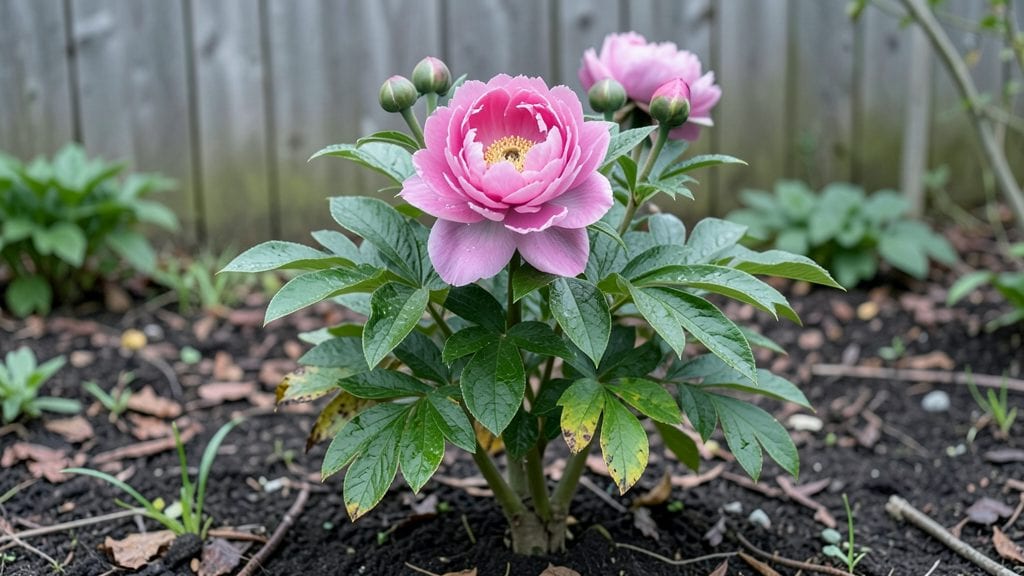
The flower called peony thrives in the Pacific Northwest’s cool, damp climate—where many gardeners struggle with finicky blooms.
I’ve grown them for years in my Zone 7 garden, and the secret isn’t just choosing the right variety (herbaceous for cutting, tree peonies for structure) but planting them deep enough to survive our wet winters.
The first time I saw my peonies push through last year’s frost, I knew I’d cracked the code for reliable blooms here.
These plants demand full sun to partial shade and well-draining soil—amend heavy clay with compost if yours resembles mud after rain. Tree peonies handle our mild winters better than herbaceous types, but both reward patience with 3-5 weeks of showstopping blooms in late spring.
The trick? Plant bare-root crowns 2-3 inches deep in early fall, and mulch heavily to protect roots from heaving frost.
You’ll end up with lush, velvety blooms that last longer than roses and resist deer (a huge plus for PNW gardens). Pair them with catmint or salvia for contrast, or let them naturalize under fruit trees where their early flowers feed pollinators.
Just watch for botrytis blight—space plants for airflow and avoid overhead watering.
Perfect for cutting gardens, borders, or even container plantings in milder microclimates. The key is timing: plant in fall, prune in late winter, and enjoy blooms that outlast most annuals. Once established, they’re nearly maintenance-free—just divide clumps every 4-5 years to keep them vigorous.
📚 In This Guide
- What you need
- Instructions
- Tips and common mistakes
- Wrapping up and next steps
What you need
- ● Peony plants: Choose Paeonia lactiflora (herbaceous) or Paeonia suffruticosa (tree peonies) from a reputable nursery. Quantity: 3–5 plants for a small garden bed, spaced 3–4 feet apart.
- ● Well-draining soil: Amend heavy clay soil with 3–4 inches of compost or organic matter (e.g., leaf mold, aged manure). Avoid soggy soil—peonies hate "wet feet"!
- ● Organic mulch: 3–4 inches of wood chips, straw, or pine needles to insulate roots in winter and retain moisture.
- ● Slow-release fertilizer: A balanced 10-10-10 or low-phosphorus option (e.g., 5-10-10) applied in early spring.
- ● Garden trowel or spade for planting and soil prep.
- ● Garden gloves (heavy-duty for root handling).
- ● Watering can or hose with a gentle spray nozzle (peonies need 1–1.5 inches of water weekly, more in drought).
- ● Pruners (sterilized) for deadheading spent blooms in late summer.
- ○ Optional but helpful: A soil pH test kit (ideal range: 6.5–7.5).
- ● Peony-specific stakes or cages (if your variety is top-heavy).
- ● Winter mulch blanket (for extra frost protection in harsh winters).
Step-by-Step guide for planting frost-resistant peonies in the Pacific Northwest
Here’s how to establish peonies that thrive through our region’s cold winters and damp springs.
🌱 Step 1: Choose the Right Peony Varieties for Cold Climates
Select herbaceous peonies (not tree or intersectional types) for the Pacific Northwest’s USDA Zones 6-8. Look for varieties like ‘Sarah Bernhardt’, ‘Bowl of Beauty’, or ‘Coral Charm’—they handle our winters better than tender cultivars. These types die back to the ground annually, then regrow robustly from their hardy root crowns.
Purchase bare-root peonies in early fall or late winter for best results. If buying potted plants, ensure the crown (where stems meet roots) is visible—this is critical for proper planting depth. Avoid container-grown peonies in summer heat; they struggle to establish before winter.
🪴 Step 2: Prepare the Planting Site for Winter Survival
Peonies need full sun to partial shade (minimum 6 hours of direct sunlight daily). In the Pacific Northwest’s dense shade, they’ll flop and produce fewer blooms. Choose a location with well-draining soil—peaty or clay-heavy soils can cause rot. Amend heavy soil with 2-3 inches of compost mixed into the top 12 inches of soil.
Dig a hole twice as wide as the root system but no deeper than 2 inches below the crown. Planting too deep suffocates the crown and prevents blooming. If your soil is sandy, add a 5-gallon bucket of compost to the hole to improve moisture retention. Avoid fresh manure—it burns peony roots.
☀️ Step 3: Plant at the Correct Depth for Winter Hardiness
The crown must sit at or just above soil level—never buried. If planted too deep, peonies won’t bloom; too shallow, and they’ll heave in freeze-thaw cycles. Use the topmost bud (eye) as your guide: it should be level with or slightly above the finished soil line. Press the roots gently into the hole, ensuring they spread naturally without bending.
Backfill with native soil (not amended mix) and water deeply to eliminate air pockets. Mulch with 2-3 inches of shredded bark or straw after planting to insulate roots during winter. Avoid thick mulch layers—more than 4 inches can smother the crown in wet springs.
⏰ Step 4: Winterize and Maintain for Long-Term Frost Resistance
After planting, avoid fertilizing until spring. Peonies establish slowly and need undisturbed roots. In Zone 6, protect newly planted crowns with 12 inches of straw mulch for the first winter. By their second year, they’ll be hardy enough to handle our winters without extra insulation.
In early spring, remove old foliage once new shoots appear (usually late March to April in the PNW). This prevents disease and redirects energy to blooms. Water deeply once a week during dry spells—peonies need 1-1.5 inches of water weekly to support their heavy flower heads. Overhead watering can cause fungal issues, so use a soaker hose at the base.
✂️ Step 5: Prune and Divide to Keep Peonies Thriving
Deadhead spent blooms after they fade to encourage more flowers. Never cut back foliage until it yellows naturally—this feeds the roots for next year’s blooms. In late fall (October-November), cut back dead stems to 2 inches above the ground, but leave any remaining foliage as insulation.
Divide peonies every 4-5 years in early fall. Dig up clumps, separate into 3-5 eye sections per division, and replant immediately. Each section needs 3-5 buds to regrow. Avoid dividing in spring—this stresses newly awakened roots. After dividing, water deeply and mulch heavily for winter protection.
Tips & tricks for perfect Pacific Northwest peony planting
These hard-earned insights will help you avoid common pitfalls and maximize your peonies' resilience against our region's challenging climate.
Site Selection Tip: In Step 2, prioritize locations with morning sun and afternoon shade to prevent afternoon heat stress during our long, dry summers. The minimum 6 hours of sunlight should ideally be spread across the morning hours when temperatures are cooler. Test your site in late summer—if the area stays dry and warm for more than 4 hours after noon, consider moving your planting spot slightly eastward.
Planting Depth Secret: When positioning your peony crown in Step 3, think of it like a pancake—you want it to sit flat on the griddle, not buried under the syrup. Use a small stick or marker to create a reference point at soil level before planting. This visual guide ensures you don't accidentally bury the crown more than 2 inches, which is the single most common mistake that prevents blooming.
Winter Protection Strategy: For Zone 6 plantings in Step 4, create a two-layer mulch system: start with 2-3 inches of shredded bark against the crown, then add your 12 inches of straw on top. This layered approach prevents the bark from compacting into a waterproof barrier while still providing excellent insulation. Remember to remove the straw completely in early spring once new shoots appear—don't let it sit against the crown during the growing season.
Watering Wisdom: The 1-1.5 inches of weekly water specified in Step 4 should be delivered in two separate sessions: one deep watering in the morning and another in the evening. This mimics natural rainfall patterns and prevents water from evaporating before reaching the roots. Use your soaker hose at the base of the plant, keeping it at least 6 inches away from the crown to avoid creating wet conditions that encourage fungal diseases.
Pro Tips for Flower Called Peony
- These hard-earned insights will help you avoid common pitfalls and maximize your peonies' resilience against our region's challenging climate.
- Site Selection Tip: In Step 2, prioritize locations with morning sun and afternoon shade to prevent afternoon heat stress during our long, dry summers.
- Planting Depth Secret: When positioning your peony crown in Step 3, think of it like a pancake—you want it to sit flat on the griddle, not buried under the syrup.
Frequently asked questions
about the stunning flower called peony—especially in the Pacific Northwest’s chilly climate—can help you grow with confidence! Here are answers to the most common queries:When is the best time to plant peonies in the PNW?
The ideal window is early fall (September–October) or early spring (March–April) before buds swell. PNW’s mild winters and rainy springs give peonies time to establish roots before dormancy. Avoid summer planting—the heat stresses young plants. Pro tip: Plant 2–3 inches deep with crowns slightly above soil to prevent rot.
Are peonies truly frost-resistant in the Pacific Northwest?
Peonies thrive in USDA Zones 3–8, making them perfect for PNW’s cool, wet winters. Their hardy roots survive down to -30°F, but mulch heavily (3–4 inches of straw or wood chips) to protect crowns. Just ensure well-draining soil—PNW’s clay can cause soggy roots if amended with compost.
Why aren’t my peony blooms opening this year?
Common culprits in the PNW include:
- Too much shade: Peonies need 6+ hours of sun—PNW’s dense forests can trick you!
- Over-fertilizing: Too much nitrogen = lush foliage, fewer blooms. Use a low-phosphorus fertilizer (5-10-10) in early spring.
- Crown depth issues: If planted too deep, buds suffocate. Dig up, adjust, and replant if needed.
Can I grow peonies in containers in the PNW?
Yes, but choose large pots (18"+ diameter) with drainage holes. Use a fast-draining mix (60% soil, 30% perlite, 10% compost) and move containers to a protected spot in winter (e.g., against a north-facing wall). Dwarf varieties like ‘Sarah Bernhardt’ work best for containers.
Are peonies deer- or rabbit-resistant?
Peonies are moderately deer-resistant due to their mildly toxic foliage, but hungry deer may nibble. Rabbits usually avoid them too, but for extra protection, try repellent sprays or chicken wire guards around young plants. Bonus: Their fragrant blooms attract pollinators like bees and butterflies!
What’s the best peony variety for PNW gardens?
PNW’s cool, moist climate suits herbaceous peonies like:
- ‘Sarah Bernhardt’: Classic pink, disease-resistant, and reliable bloomer.
- ‘Bowl of Beauty’: Vibrant red with long stems—great for cutting.
- ‘Duchesse de Nemours’: Fragrant white blooms; thrives in partial shade.
Wrapping up and next steps
The peony isn’t just a stunning addition to your Pacific Northwest garden—it’s a resilient, low-maintenance superstar that thrives in frost and blooms with unmatched beauty. 🌸 Whether you’re drawn to its velvety petals or its hardy nature, this flower proves that gardening success is within reach, even in cooler climates.
Now that you’re armed with planting secrets and care tips, why not take the next step?
💡 Start small: Plant a single peony in a sunny spot this spring and watch it transform your garden. Or, if you’re feeling bold, share your newfound knowledge with fellow gardeners—your enthusiasm might just inspire a blooming community!