
Flowers
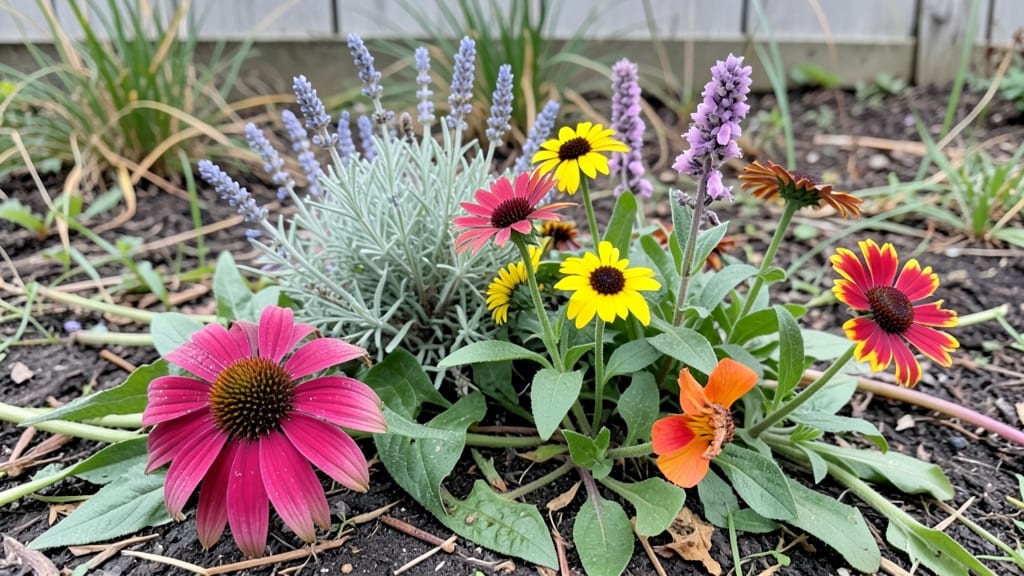
Here’s my favorite flowers list for the Pacific Northwest—15 year-round beauties that flourish through damp winters and sunny summers, from fragrant lavender to bold black calla lilies, bringing color and life to every season. 🌿 whether you're filling borders, brightening containers, or cutting bouquets for your kitchen table.
What makes this list special? It’s packed with low-maintenance varieties that love our climate—think heuchera for its velvety foliage, snowberry for its winter interest, and beard tongue for its long-blooming spikes. These flowers also attract pollinators, repel pests, and adapt to everything from shady woodland edges to sunny modern gardens.
Imagine your garden in June: peonies spilling over trellises, hollyhocks towering behind cottage-style fences, and sage adding silvery-blue contrast. By October, sedum and chrysanthemums take over with their fiery hues, while winter jasmine keeps things fragrant even when snow falls.
Each plant brings something unique to the table—color, scent, or structure—so you can mix and match to your heart’s content.
Whether you're designing a modern minimalist space or a wild, cottage-core retreat, these flowers deliver. They pair beautifully together—like salvia with coreopsis for a sun-loving duo or heuchera with ferns for a shady corner. Let’s dive into the full list and start planning your dream garden!
📚 In This Guide
- What you need
- Instructions
- Tips and common mistakes
- Wrapping up and next steps
What you need
- ● Seeds or nursery plants: 15 varieties (e.g., Rhododendron, Heather, Sword Fern, Salal, Oregon Grape, Western Columbine, Lupine, Vancouveria, Siskiyou Bluebell, Foxglove, Bleeding Heart, Hosta, Dahlia, Peony, Tulip). Choose native or cold-hardy varieties for best results.
- ● Well-draining soil: 10+ bags (50 lbs each) of peat moss, compost, and perlite (or a pre-mixed PNW-friendly potting soil blend).
- ● Containers or garden beds: 5–10 large pots (12–18 inches deep) for container gardening (ensure drainage holes!).
- ● OR 1–2 garden beds (4’x4’ minimum) for in-ground planting.
- ● Mulch: 2–3 bags of cedar chips or pine bark to retain moisture and regulate soil temperature.
- ● Basic gardening tools: 1 trowel (for transplanting).
- ● 1 pruners (sharp, sterilized).
- ● 1 garden fork (for aerating soil).
- ● 1 wheelbarrow or bucket (for mixing soil).
- ○ Optional (but helpful!) tools: 1 soil pH tester (ideal range: 5.0–6.5 for PNW flowers).
- ● 1 hose with nozzle (or watering can for containers).
- ● 1 gloves (to protect hands from thorns or soil).
- ● 1 spray bottle (for misting seedlings).
- ● Sunlight: Confirm your planting spot gets partial shade to full sun (most PNW natives thrive in morning sun + afternoon shade).
- ● Water source: Easy access to water (drip irrigation or a hose).
- ● Patience: Some flowers (like Rhododendron) take 2–3 years to reach full bloom!
- ● Local climate knowledge: Check USDA Hardiness Zone 7–9 guidelines for your area.
How to curate a Pacific Northwest year-round flower garden
Here’s how to select and arrange the region’s hardiest, most vibrant blooms for seasonal color.
🌱 Step 1: Choose Flowers for Each Season’s Climate
Start with spring-bloomers like Pacific Coast iris (Iris tenax) and western columbine (Aquilegia formosa), which thrive in the region’s 50-60°F soil. These perennials return year after year with minimal care, their deep roots resisting the damp winters. For summer, shrub roses (like ‘Dr. Van Fleet’) and blanket flower (Gaillardia aristata) handle the 75-85°F heat with ease, while fall asters (Symphyotrichum spp.) extend the season into October.
Winter isn’t out of the picture either. Hellebores (Helleborus niger) and snowdrops (Galanthus) bloom in 40-50°F conditions, their delicate petals unfurling under the gray skies. I always plant these near evergreens for a soft, textured backdrop—contrasting shapes keep the garden interesting even when most plants sleep.
☀️ Step 2: Group by Sun and Soil Needs
Pacific Northwest gardens range from full sun (6+ hours) in exposed areas to partial shade (3-5 hours) under trees. Place sun-lovers like lupines (Lupinus spp.) and beardtongue (Penstemon spp.) on south-facing slopes or raised beds where moisture drains quickly. These plants hate soggy roots, so I amend their soil with 1 part perlite to 3 parts native soil to improve aeration.
For shadier spots, foamflower (Tiarella trifoliata) and sword fern (Polystichum munitum) thrive in dappled light, their lush foliage providing year-round texture. Mulch these areas with 3 inches of cedar chips to suppress weeds and retain moisture—critical in the region’s high humidity and frequent rain.
💧 Step 3: Layer for Continuous Bloom and Wildlife Support
Arrange plants by height, starting with 3-foot shrubs like Oregon grape (Mahonia aquifolium) at the back, followed by 2-foot perennials like sage (Salvia spp.) in the middle, and ground covers such as creeping phlox (Phlox subulata) in the front. This creates a natural tiered effect that softens the eye and mimics the forest understory.
Include native pollinator magnets like beebalm (Monarda spp.) and yarrow (Achillea millefolium) to attract bees, butterflies, and hummingbirds. I’ve seen entire gardens transformed by these additions—suddenly, the air hums with activity, and the flowers multiply as pollinators spread their seeds.
✂️ Step 4: Prune and Maintain for Longevity
Deadhead spent blooms on annuals like California poppies (Eschscholzia californica) to encourage more flowers, but leave seed heads on perennials like coneflower (Echinacea) for winter interest and birdseed. Prune shrubs like rhodies (Rhododendron) in late winter (before new growth) to shape them and remove dead wood.
Fertilize lightly in early spring with a balanced 10-10-10 formula—too much nitrogen sends plants into leafy overgrowth at the expense of blooms. Pacific Northwest soils are often acidic, so test your pH and amend with sulfur if needed (aim for 5.0-6.5). I test mine every 2-3 years—consistency is key here.
⏰ Step 5: Plan for Year-Round Interest
Incorporate evergreen foliage like Oregon boxwood (Pachysandra procumbens) and Western red cedar (Thuja plicata) to provide structure when deciduous plants rest. Add winter-blooming camellias (Camellia japonica) for rosy highlights in December-February, and spring bulbs like glory-of-the-snow (Chionodoxa) for early color.
Finally, rotate seasonal accents—swap out summer marigolds for fall mums and winter pansies to keep the garden dynamic. I like to sketch a simple layout first, labeling each plant’s bloom time and height to visualize the flow. It’s the easiest way to avoid overcrowding and ensure every season feels intentional.
Tips & tricks for perfect Pacific Northwest year-round flower gardens
Here's what I've learned from years of gardening in this climate—simple tweaks that make all the difference.
Seasonal Temperature Secrets: The 40-85°F range is your guide for planting timing. I've found that spring-bloomers like Pacific Coast iris actually benefit from being planted in late fall (November) when soil temps are around 50°F60°F consistently before transplanting, or they'll struggle with the cool, wet springs we often get.
Soil Amendments That Work: The 1:3 perlite-to-soil ratio in Step 2 is perfect for sun-loving plants, but I've discovered that adding 1 cup of composted manure per square foot to shady areas before planting foamflower gives those plants a real boost. The extra nutrients help them handle the region's acidic soils better. Just mix it in the top 6 inches of soil—no need to dig deeper.
Layering Like a Pro: When arranging your 3-foot shrubs to 2-foot perennials to ground covers, I like to leave 12-18 inches of space between each layer. This creates that natural forest understory effect while preventing taller plants from shading out the shorter ones. It's also easier to maintain—you can reach all plants for pruning without stepping on them.
Winter Interest Hacks: For those winter-blooming camellias, I've learned to plant them 6-8 inches deeper than their nursery pots. This extra depth helps them establish stronger roots before the cold sets in. Plus, it gives you more flexibility in positioning—they won't look too high above the surrounding evergreens.
Pro Tips for Favorite Flowers List
- Here's what I've learned from years of gardening in this climate—simple tweaks that make all the difference.
- Seasonal Temperature Secrets: The 40-85°F range is your guide for planting timing.
- The extra nutrients help them handle the region's acidic soils better.
Frequently asked questions
Got questions about the Pacific Northwest’s year-round floral stars? You’re not alone! Here are some of the most common queries—and their answers—to help you pick, plant, and enjoy these beauties with confidence.
Which of these flowers thrive best in shady spots?
The Western Sword Fern and Salal are your best bets for shade-loving blooms. Both handle low light beautifully and add lush texture to your garden. For a pop of color, try Salmonberry—it tolerates partial shade and offers vibrant foliage year-round.
Do any of these flowers bloom all year?
While most flowers have seasonal peaks, Rhododendrons and Salmonberry offer near-constant interest with their glossy leaves and occasional blooms. For true year-round color, focus on evergreen varieties like Oregon Grape (spring berries) and Sword Fern (textural greenery).
How much water do these flowers need?
Most Pacific Northwest natives are drought-tolerant once established! Rhododendrons and Huckleberry prefer moist soil, while Yarrow and Lupine thrive with minimal watering. Mulch helps retain moisture—aim for 1 inch per week during dry spells.
Can I grow these in containers?
Compact varieties like Dwarf Rhododendron, Pacific Dogwood (in larger pots), and Heather do well in containers. Use well-draining soil and ensure pots are at least 12–18 inches wide for root health. Just avoid heavy soil lovers like Sword Fern in small spaces.
Are any of these flowers toxic to pets?
Yes—Rhododendrons and Azaleas (close relatives) are toxic to dogs and cats if ingested. Opt for pet-safe alternatives like Salal, Yarrow, or Lupine if you have furry friends. When in doubt, check the ASPCA’s plant list.
How can I extend their blooming season?
Deadhead spent blooms (like on Lupine or Yarrow) to encourage reblooming. For Rhododendrons, fertilize in early spring with acidic soil amendments. Mulching with bark helps regulate soil temperature, and choosing early-, mid-, and late-season bloomers (like Salmonberry + Heather) ensures a staggered display.
Wrapping up and next steps
From the lush Rhododendrons to the delicate Western Columbines, the Pacific Northwest’s year-round floral treasures offer something magical for every season. Whether you’re a gardener, nature lover, or simply someone who adores beauty, these top 15 flowers remind us that nature’s palette is endless—and waiting to inspire you. 🌸
Now that you’ve discovered your favorites, why not bring a piece of the PNW into your life? Start small: plant a single Sword Fern in your garden, sketch a Salal bloom, or even visit a local nursery to explore these beauties in person.
Every step is a celebration of the region’s natural splendor!