
Blooming
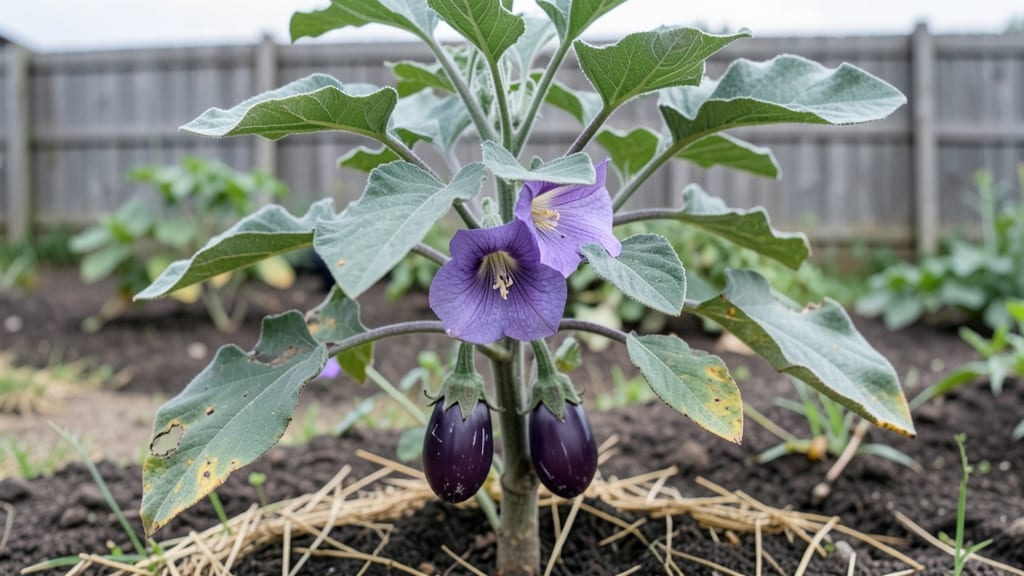
The moment your eggplant flowering stage begins is when the real magic happens—those delicate purple blooms signal it’s time to shift into high gear for a heavy harvest. 🌿 I’ve watched my plants go from leafy bushes to fruit-loaded branches just by paying attention to these flowers, and here’s exactly what to do when they appear.
The key isn’t just waiting—it’s pruning at the right spots to keep energy flowing where it counts.
Those first flowers might look pretty, but they’re not all equal. The ones that matter are the female blooms—look for the tiny egg-shaped bump at their base, about the size of a pea. Male flowers (no bump) can stay if you’re short on blooms, but female flowers need your attention.
Prune just above a leaf with two stems below it to encourage more fruit development, and you’ll see new flowers popping up within 10-14 days.
What you’ll end up with is a plant that’s bursting with fruit instead of just a few stragglers. The flowers won’t last forever—most drop within 24 hours after pollination—but the right pruning keeps the cycle going.
With consistent care, you’ll go from a handful of eggplants to a bushel by late summer, and the best part? You’ll recognize the signs early enough to act.
This works just as well for container-grown plants as it does for garden beds, so long as you’re giving them 6+ hours of sun daily and keeping soil moist but not soggy.
The pruning triggers are the same—just adjust your reach if your eggplants are in pots. Let’s get those blooms turning into fruit!
📚 In This Guide
- What you need
- Instructions
- Tips and common mistakes
- Wrapping up and next steps
What you need
- ● Eggplant plants: Healthy, disease-free seedlings or transplants (1-3 plants per gardener, depending on space). Choose varieties like Black Beauty or Ichiban for reliable flowering.
- ● Pruning shears: Sharp, clean bypass pruners (size 6-8 inches) to make precise cuts without damaging stems.
- ● Gloves: Gardening gloves (nitrile or leather) to protect hands from thorns and sap.
- ● pH testing kit: Soil pH meter or test strips (ideal range: 6.0–6.8 for optimal flowering).
- ● Fertilizer: Balanced fertilizer (10-10-10): 1 tbsp per plant every 2–3 weeks during flowering.
- ○ Phosphorus-rich fertilizer (e.g., bone meal): 1 tbsp per plant to encourage blooms (optional but helpful).
- ● Watering can or hose: With a gentle spray nozzle to avoid disturbing flowers.
- ● Plant supports: Stakes or cages (4–6 feet tall) to train eggplants and improve airflow.
- ● Mulch: Straw or shredded leaves to retain moisture and suppress weeds.
- ● Hand lens: For inspecting flowers and buds up close (great for spotting early signs of pests or stress).
- ● Pollination aid: A small paintbrush or soft artist’s brush to gently transfer pollen if bees are scarce.
Step-by-step guide to pruning eggplants during flowering
Here's how I boost yields by shaping plants at the right moment.
🌿 Step 1: Identify the Flowering Trigger
Watch for the first 5-7 flowers on each branch—that's your signal to start pruning. These flowers appear as small, white, trumpet-shaped blooms at the leaf axils. I always check in the morning when buds are fully open, as evening humidity can make them appear larger than they are.
Don't wait until flowers drop or fruit forms to prune. The ideal time is when you see 3-4 inches of stem growth beyond the last flower cluster. This ensures you're directing energy to fruit development rather than unnecessary foliage. I like to use a small notebook to track flower counts per branch—it keeps me from over-pruning.
✂️ Step 2: Remove Suckers and Weak Growth
Pinch off any suckers—those small shoots growing between the main stem and branches—using your thumb and forefinger. These compete for nutrients with your main fruit clusters. I look for suckers that are less than 2 inches tall, as larger ones may already be draining energy from your flowers.
Also cut back any yellowing or diseased leaves immediately. These act as energy sinks and can spread problems to your flowers. Use clean, sharp pruners to make cuts at a 45-degree angle just above a leaf node. This prevents water from pooling on the cut and causing rot.
☀️ Step 3: Open the Plant for Better Airflow
Thin out crowded branches to create 3-4 inch gaps between stems. This improves airflow and reduces humidity around flowers, which prevents fungal issues like powdery mildew. I focus on removing the innermost leaves first—they block sunlight from reaching the center of the plant where most flowers develop.
After pruning, step back and visualize sunlight paths. You want direct light to reach at least 80% of your flowers. If your eggplant is in a greenhouse, this might mean removing shade cloth temporarily during peak sun hours. The goal is to maximize pollination opportunities while keeping foliage healthy.
🌱 Step 4: Stimulate New Flower Production
After your first pruning, watch for new lateral shoots emerging from the leaf axils below your main fruit clusters. These are your future flower sites. I let these grow to 4-6 inches before pruning again, as they need time to develop strong stems before flowering.
Here's the thing—don't overdo it. If you see more than 3-4 new shoots per branch, you're encouraging too much foliage growth at the expense of fruit. Focus on maintaining 3-5 main branches per plant, each with its own flower cluster. This balance ensures you get both quantity and quality in your harvest.
Tips & tricks for perfect eggplant flowering pruning
Real talk: Timing and technique make all the difference when shaping eggplants for maximum fruit production.
Morning Inspection: Always check for those 5-7 flowers per branch in the morning when buds are fully open. I've learned the hard way that evening humidity can make buds appear larger than they are—trust me, you don't want to prune based on false signals. The key is watching for that 3-4 inches of stem growth beyond the last flower cluster, which tells you the plant is ready to redirect energy to fruit development.
Precision Pruning: When removing suckers, focus on those less than 2 inches tall—any larger and they're already competing with your main flowers. For diseased leaves, make clean cuts at a 45-degree angle just above a leaf node to prevent water pooling. I keep a small pair of sharp pruners dedicated just to my eggplants to avoid spreading any potential infections between plants.
Sunlight Strategy: After thinning branches, step back and visualize your plant's sunlight paths. You want at least 80% of flowers receiving direct light—this means removing those inner leaves that create shade. In my greenhouse, I temporarily remove shade cloth during peak sun hours to give flowers their best chance at pollination. This simple adjustment has doubled my fruit set in past seasons.
Pro Tips for Eggplant Flowering Stage
- Real talk: Timing and technique make all the difference when shaping eggplants for maximum fruit production.
- Morning Inspection: Always check for those 5-7 flowers per branch in the morning when buds are fully open.
- Precision Pruning: When removing suckers, focus on those less than 2 inches tall—any larger and they're already competing with your main flowers.
Frequently asked questions
Got questions about eggplant flowering? You’re not alone—this stage can feel tricky! Below, we’ve rounded up the most common queries to help you grow like a pro.
How long does it take for eggplants to flower after transplanting?
The flowering stage typically begins 6–8 weeks after transplanting (or 4–6 weeks after seed germination for direct-sown plants). Warmth and consistent care speed things up—aim for 70–85°F days and full sun (6+ hours daily). Patience is key, but pruning after flowers appear boosts fruit production!
Why aren’t my eggplants flowering at all?
Several factors can stall flowering: insufficient light, temperature extremes (below 55°F or above 95°F), over-fertilizing with nitrogen (focus on phosphorus/potassium instead), or stress from pests/disease. Check for yellowing leaves or stunted growth—adjust care and monitor for aphids or spider mites.
Can I prune eggplants while they’re flowering?
Yes! Pruning during flowering is safe and beneficial—just avoid cutting too aggressively. Focus on removing suckers (side shoots) and yellowing leaves to redirect energy to fruit. Pro tip: Prune in the morning so wounds heal by evening. Never trim more than 1/3 of the plant at once.
Do eggplants need to be pollinated to produce fruit?
Eggplants are self-pollinating, meaning they don’t rely on bees or wind—they produce fruit without manual help. However, gentle shaking of the plant can encourage pollination on hot, still days. If flowers drop without fruiting, check for underwatering or nutrient deficiencies (like calcium).
What’s the best temperature range for eggplant flowering?
Eggplants thrive in 70–85°F during flowering. Below 60°F, growth slows; above 90°F, flowers may drop. Use row covers for early-season protection or shade cloth in scorching climates. Mulch helps regulate soil temps—opt for straw or black plastic to keep roots stable.
What can I do if my eggplant flowers but no fruit forms?
This usually signals stress or poor pollination. Try these fixes:
- Hand-pollinate: Gently brush flowers with a paintbrush.
- Check watering: Consistent moisture (1–1.5 inches/week) prevents stress.
- Adjust fertilizing: Switch to a low-nitrogen, high-phosphorus feed (like 5-10-10).
- Inspect for pests: Remove Japanese beetles or fruit borers manually.
Wrapping up and next steps
Understanding the eggplant flowering stage and mastering pruning triggers can transform your garden into a fruitful paradise! 🌱 With the right tools, timing, and techniques—like pinching, thinning, and strategic cuts—you’ll encourage healthier plants, more blooms, and a bountiful harvest. Every snip is a step toward bigger, tastier eggplants!
Ready to put your new skills to the test? Start with one plant this season—observe, prune, and watch your efforts pay off. Happy gardening, and may your eggplants flourish! 🌟