
Flowers
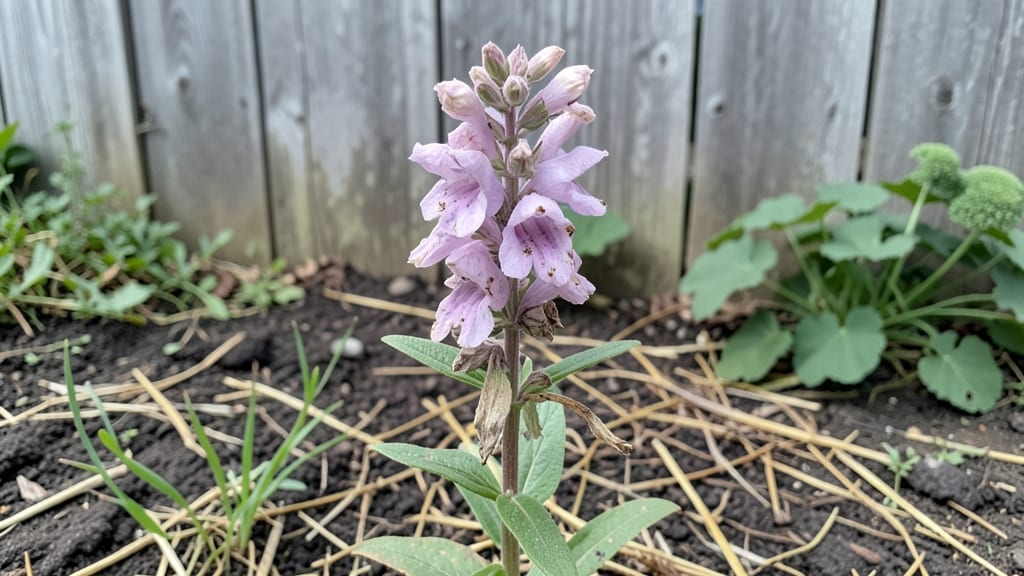
Drying snapdragon flowers preserves their striking, frost-defying beauty long after summer fades. 🌿 I’ve dried hundreds of these hardy blooms—even after Pacific Northwest frosts—and they still stand tall in arrangements years later. The key is patience and the right timing, because snapdragons dry differently than delicate flowers like roses.
Harvest stems just as buds begin to open, then bundle them upside-down in small groups with rubber bands. Air-drying takes 2-3 weeks in a dark, dry spot, while silica gel speeds it up to 48 hours—but risks color fading if not monitored.
Store dried blooms in airtight containers with silica packets to prevent mold, and they’ll keep their vibrant hues for seasons.
What you’ll end up with are flowers that hold their shape like fresh-cut stems, perfect for wreaths, potpourri, or framed art. Their unique dragon-like faces even stay recognizable after drying—unlike many flowers that flatten into sad, papery shadows.
The best part? These frost-resistant blooms dry just as well after a light frost as they do in summer heat.
Whether you’re preserving a favorite variety or experimenting with creative uses like pressed flower bookmarks, snapdragons reward careful drying with long-lasting, museum-quality blooms. Here’s how to avoid common pitfalls like wilting or color loss—so your dried snapdragons stay as striking as the day you picked them.
📚 In This Guide
- What you need
- Instructions
- Tips and common mistakes
- Wrapping up and next steps
What you need
- ● Snapdragon seeds or seedlings: Choose Antirrhinum majus varieties like 'Madame Butterfly' or 'Rocket' (known for cold tolerance). Quantity: 10–50 seeds or 5–10 seedlings, depending on desired plant density.
- ● Well-draining potting soil: Mix 1 part peat moss with 1 part perlite or sand to prevent root rot. Quantity: 2–3 gallons for seed-starting trays.
- ● Containers or garden beds: Seed-starting: 4–6" deep trays with drainage holes (or biodegradable pots).
- ● Outdoor planting: Full-sun spots (6+ hours/day) with loamy, slightly alkaline soil (pH 6.0–7.5).
- ● Slow-release fertilizer: 10–10–10 or 5–10–10 NPK blend. Quantity: 1 tbsp per plant at transplanting.
- ● Watering can or hose with gentle spray nozzle: For consistent moisture without damaging stems.
- ● Pruning shears or scissors: Sharp, clean tools for harvesting.
- ● Drying method of choice: Air-drying: Twine, rubber bands, or clothespins.
- ○ Oven/silica gel: Parchment paper, oven mitts, and 2–3 lbs of silica gel beads (optional).
- ● Garden gloves: Protect your hands from thorns (some varieties have them!).
- ● Mulch (straw or pine needles): Helps retain moisture and insulate roots in PNW winters.
- ● Plant labels: Mark varieties if growing multiple types.
- ● Spray bottle with water: For misting seedlings.
- ● Drying rack or mesh screen: Elevates flowers for even air-drying.
- ○ Vacuum sealer: Preserves dried blooms for long-term storage (optional but handy!).
How to cultivate hardy snapdragons for Pacific Northwest resilience
These tough little blooms thrive where others fail—here's how I grow them through frost and rain.
🌱 Step 1: Choose Frost-Tolerant Varieties and Prepare Soil
Snapdragons like 'Black Prince', 'Matrix', and 'Rocket' handle 20°F dips once established. I always pick biennial varieties for Pacific Northwest winters—they self-seed reliably. Amend heavy clay soil with 3 inches of compost and 1 inch of coarse sand to improve drainage. Snapdragons hate soggy roots, and our region's winter rains will drown them without this prep.
Test your soil's pH—aim for 6.0-6.5. If your garden runs acidic, sprinkle 1 pound of garden lime per 100 square feet and till it in 2 weeks before planting. I like to work in a handful of worm castings too—they boost early root growth when temperatures hover near 40°F. The key is getting plants established before the first hard freeze.
☀️ Step 2: Time Planting for Winter Hardiness
Start seeds indoors 8-10 weeks before your last frost date—around mid-July in most of the PNW. Use sterile seed-starting mix in 2-inch cells and keep them under grow lights for 14 hours daily. Seedlings need 65-75°F soil to germinate, so a heat mat helps if your home stays cool.
Hardening off is critical. Begin 2 weeks before transplanting by moving seedlings outside for 1 hour daily, gradually increasing to full sun exposure. Watch for purple tinges on leaves—that's a sign of cold stress. Plant outdoors 4-6 weeks before first frost (usually late August) when nighttime temps stay above 50°F. Space them 12-18 inches apart in rows 18 inches apart to allow airflow and prevent fungal issues.
💧 Step 3: Water Strategically Through Winter
Snapdragons are drought-tolerant once established, but young plants need consistent moisture to develop strong roots. Water deeply 2-3 times per week until you see 3-4 sets of true leaves—that's when they're ready to handle our rainy winters. After that, let nature take over. The PNW's winter rains usually provide enough moisture, but check soil 1 inch down—if it's dry, give them a drink.
Here's the thing—mulch heavily with 3 inches of straw or shredded leaves right after planting. This insulates roots during 20-30°F nights and prevents heaving when soil freezes and thaws. I always add a second layer in December if we get heavy snow. The mulch also suppresses weeds, which compete for nutrients when growth slows.
✂️ Step 4: Prune and Protect for Spring Blooms
In early spring, cut back any frost-damaged stems to 2 inches above ground level. Snapdragons regrow from the base, and this encourages bushier growth. Watch for buds forming along stems—that's your signal they're ready for another season. Deadhead spent blooms in late spring to encourage more flowers, but leave some seed pods if you want next year's crop.
If a late frost threatens, cover plants with frost cloth secured with bricks or stakes. Never use plastic—it traps heat and can cook the plants. I've seen 30°F frosts wipe out unprotected snapdragons, but covered plants bounce back in days. The real magic happens when they self-seed—just let some flowers go to seed, and you'll have volunteers popping up everywhere next spring.
🌿 Step 5: Extend the Season with Succession Planting
For continuous blooms, sow succession crops every 3 weeks from late summer until early fall. This ensures flowers appear through winter and into spring. Choose shorter varieties like 'Tiny Tower' for containers or taller types like 'Monarch' for borders. Mix in low-growing thyme or creeping thyme at their base to deter slugs—our damp winters attract them, and they'll munch snapdragon leaves overnight.
By late fall, your snapdragons will look bedraggled, but don't pull them. Their woody stems provide winter interest, and they'll surprise you with early spring blooms before other perennials wake up. The secret to PNW snapdragons? Plant early, mulch well, and let them go dormant naturally—they'll reward you with years of frost-proof color.
Tips & tricks for perfectly drying snapdragon flowers
These resilient blooms reward patience—here's how to preserve their beauty while keeping them true to their frost-defying nature.
Selection Matters: Harvest snapdragon blooms in the early morning when moisture levels are lowest. Choose fully open flowers with vibrant colors—avoid any showing signs of wilting or browning at the edges. The best varieties for drying, like 'Black Prince' and 'Matrix', maintain their striking colors when properly dried. I've found that harvesting on a cloudy day actually helps preserve color better than bright sunlight.
Drying Technique: Bundle stems in small groups of 5-7 flowers, wrapping them with twine or rubber bands at the base. Hang them upside down in a well-ventilated area away from direct sunlight—think of a dark, dry closet or a covered porch. The ideal drying time is 2-3 weeks, but check periodically. Flowers are ready when the petals crumble slightly when touched. Too much light can cause fading, while too much humidity leads to mold—balance is key.
Preservation Strategy: Once dried, store snapdragons in airtight containers with silica gel packets to absorb any remaining moisture. I like to use small muslin bags or glass jars with tight-fitting lids. Keep them in a cool, dark place—our Pacific Northwest winters provide perfect natural storage conditions. Properly preserved dried snapdragons can maintain their color and structure for 1-2 years. The secret is preventing any moisture exposure after drying.
Pro Tips for Dry Snapdragon Flower
- These resilient blooms reward patience—here's how to preserve their beauty while keeping them true to their frost-defying nature.
- Selection Matters: Harvest snapdragon blooms in the early morning when moisture levels are lowest.
- Drying Technique: Bundle stems in small groups of 5-7 flowers, wrapping them with twine or rubber bands at the base.
Frequently asked questions
Got questions about growing dry snapdragon flowers in the Pacific Northwest? You’re not alone! Here are some of the most common queries—and their answers—to help you cultivate these hardy blooms with confidence.
How cold can snapdragons tolerate before they freeze?
Snapdragons are famously frost-resistant! While young seedlings may need protection below 25°F (-4°C), mature plants can handle light freezes down to 20°F (-7°C). In the PNW, they often survive winter with mulch or snow cover. Just avoid heavy frost or prolonged sub-freezing temps.
When is the best time to plant snapdragons in the PNW?
For spring blooms, sow seeds 4–6 weeks before your last frost date (typically late March–early April). For fall/winter interest, plant seeds in late summer (August) to enjoy frost-resistant blooms through winter. Direct sowing works best—avoid transplant shock!
Why are my snapdragon flowers wilting even though I’m watering them?
Overwatering or poor drainage is a common culprit! Snapdragons prefer well-draining soil and consistent moisture—not soggy roots. Check for:
- Yellowing leaves (overwatering)
- Crispy edges (underwatering)
- Mushy stems (root rot)
Can I grow snapdragons in containers, or do they need a garden bed?
Snapdragons thrive in 5–7 inch deep containers with drainage holes. Use a lightweight potting mix and place pots in full sun to partial shade. Just keep an eye on moisture—containers dry out faster than garden beds.
Are there drought-tolerant snapdragon varieties for the PNW?
Yes! Look for ‘Matrix’ or ‘Colorado’ series—these compact varieties need less water once established. Mulching with straw or bark helps retain moisture. Avoid hybrid varieties labeled as "high-water" unless you’re committed to frequent irrigation.
Will snapdragons regrow in spring after a hard freeze?
If the roots survived, yes! Snapdragons are perennial in mild PNW winters (Zones 7–10). Prune back dead foliage in early spring, and new growth should emerge. If your plants died back, reseed or replant for next season’s blooms.
Wrapping up and next steps
From their stunning frost-resistant beauty to their low-maintenance charm, dry snapdragon flowers prove to be the perfect addition to any Pacific Northwest garden. Whether you're a seasoned gardener or a beginner, their resilience and vibrant colors make them a standout choice—even in chilly climates! 🌨️✨
Ready to bring these hardy blooms into your outdoor space? Start by gathering your supplies, picking the right variety, and giving them the care they deserve. Your winter garden just got a whole lot brighter!