
Planting
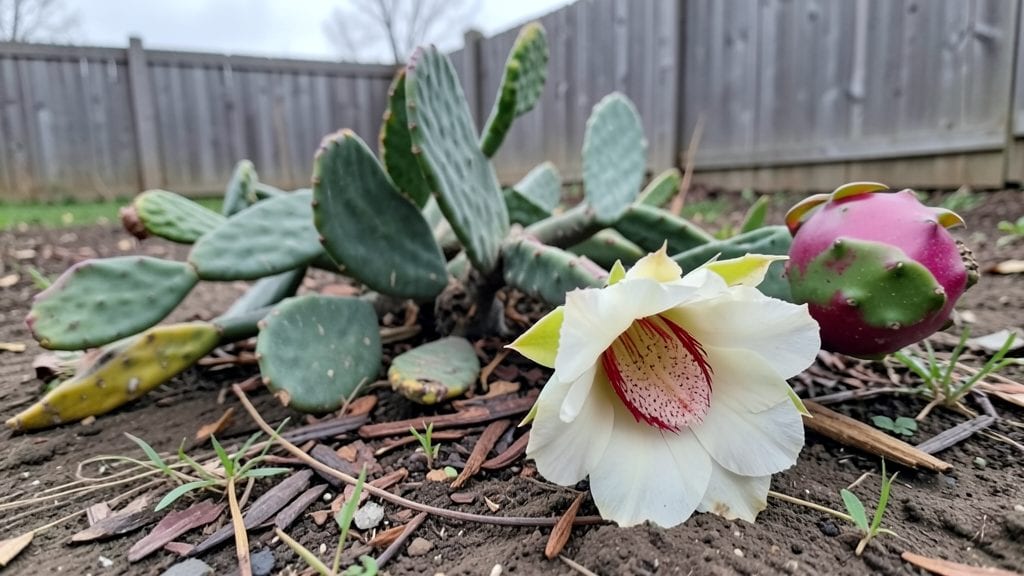
Growing dragon fruit plants with their striking flowers is like bringing a slice of the tropics to your patio—year-round blooms and exotic fruit are totally within reach. 🌺 I’ll never forget the first time I saw those vibrant pink flowers unfurl on my plant, followed by the quirky, spiky fruit that looked like something from a fantasy novel.
The key to success starts with the right setup: warm climates, well-draining soil, and a little patience for the plant to establish itself before it rewards you with blooms.
Dragon fruit thrives in full sun (at least 6-8 hours daily) and needs a sturdy trellis or cage to climb—these plants can grow 15-25 feet if given space. The soil mix should be light and airy, blending equal parts potting soil, perlite, and compost.
Water deeply 2-3 times a week once established, but avoid soggy roots, which can cause rot. Pruning isn’t just about shaping; it’s about encouraging more flowers by trimming back leggy growth after fruiting.
Here’s where it gets interesting—the flowers are stunning, but they’re also self-pollinating, which means you might need to hand-pollinate for fruit. Use a small paintbrush to transfer pollen from one flower to another in the evening when blooms are freshest.
With the right care, you’ll see pink or yellow blooms year-round, followed by fruit that takes 3-4 months to ripen. The payoff? A garden that’s equal parts decorative and productive.
Common mistakes like overwatering or not enough light can stall growth, so keep an eye on the leaves—yellowing means it’s time to adjust. Even in cooler zones, dragon fruit can thrive in containers and be brought indoors during winter.
Once you’ve got the basics down, you’ll be harvesting fruit that looks like it belongs in a fairy tale, all while enjoying those dreamy flowers. Let’s get those plants growing!
📚 In This Guide
- What you need
- Instructions
- Tips and common mistakes
- Wrapping up and next steps
What you need
- ● Dragon fruit plant (Pitaya) – Choose a healthy Hylocereus undatus or Hylocereus costaricensis cutting (3–6 inches long) or a young plant (1–2 feet tall).
- ● Well-draining potting mix – A blend of 50% cactus/succulent soil, 30% perlite or pumice, and 20% coconut coir or compost (avoid heavy garden soil!).
- ● Pot with drainage holes – 10–12 inches in diameter for mature plants (or a 5-gallon container for cuttings). Terracotta or fabric pots work best.
- ● Slow-release fertilizer – Balanced 10-10-10 or 5-5-5 (organic options like worm castings or fish emulsion are great too!).
- ● Pruning shears or sharp knife – For trimming cuttings or dead growth.
- ○ Rooting hormone (optional but helpful) – Speeds up root growth for cuttings.
- ● Grow lights or sunny windowsill – If natural light is <10+ hours/day (LED grow lights work well).
- ● Trellis or bamboo stakes – Supports the heavy vines as the plant grows.
- ● pH test kit – Ideal soil pH: 6.0–7.0 (dragon fruit loves slightly acidic to neutral soil).
- ● Mulch (gravel or bark) – Helps retain moisture and prevent root rot.
- ● Misting bottle – Keeps humidity up for young cuttings (especially in dry climates).
How to cultivate dragon fruit plants for stunning year-round blooms
Here's the straightforward approach I use to coax vibrant blooms from dragon fruit plants.
🌱 Step 1: Select and Prepare Your Planting Site
Dragon fruit thrives in full sun with at least 6-8 hours of direct light daily. Choose a location protected from strong winds, as the vines are delicate. If growing in containers, select pots with 10+ gallons capacity—these plants need room for their sprawling roots.
Use well-draining soil with a pH between 6.0-7.5. I mix 3 parts cactus/succulent mix with 1 part perlite to ensure excellent drainage. Avoid garden soil—it compacts too easily and causes root rot. Amend your chosen area with a 2-inch layer of compost before planting to provide nutrients without overwhelming the plant.
🪴 Step 2: Plant or Transplant with Care
If starting from cuttings, root them in water for 4-6 weeks until roots reach 2-3 inches long. For established plants, dig a hole twice as wide as the root ball but only as deep as the container it came in. This prevents burying the stem too deeply, which can cause rot.
Place the plant in the hole and backfill with soil, pressing gently to eliminate air pockets. Water deeply to settle the soil around roots. You'll know it's settled right when water drains from the bottom of the pot or the soil surface looks slightly firm. Space multiple plants 6-8 feet apart—they'll spread quickly.
☀️ Step 3: Provide Optimal Growing Conditions
Dragon fruit plants need consistent moisture but hate soggy soil. Water once a week during the growing season, increasing to twice a week in extreme heat. Check moisture by sticking your finger 2 inches into the soil—if it feels dry, it's time to water. In winter, reduce watering to every 2-3 weeks as growth slows.
Fertilize every 4-6 weeks with a balanced 10-10-10 fertilizer diluted to half strength. I avoid heavy nitrogen fertilizers—they encourage leafy growth at the expense of blooms. Instead, focus on phosphorus and potassium to support flowering. Watch for pale green leaves as a sign of nutrient deficiency.
🌿 Step 4: Encourage Blooming with Strategic Care
Dragon fruit plants bloom best when they experience a slight temperature drop in winter. If you live in a warm climate, move plants to a shadier, cooler spot (around 55-65°F) for 2-3 months to mimic their natural dormancy period. This triggers the plant to produce flowers in spring.
Prune leggy vines in early spring to encourage bushier growth and more blooms. Cut back one-third of the longest vines just above a leaf node. Avoid heavy pruning in fall—it removes potential blooming sites for next season. You'll see new growth within 2-3 weeks of pruning, signaling the plant is responding well.
⏰ Step 5: Maintain Year-Round Bloom Production
Deadhead spent flowers by snipping them off at the base with clean pruners. This redirects the plant's energy toward producing new blooms instead of seed development. I do this every 2-3 weeks during the blooming season to keep the plant focused on flowers.
Watch for white or pink flower buds forming in clusters along the vines. These indicate successful blooming. Dragon fruit flowers open at night and close by mid-morning, so you might miss them in action. Protect blooms from frost—even a light freeze can damage them. Use frost cloth if temperatures dip below 40°F during bloom season.
Tips & tricks for perfect dragon fruit blooms
Dragon fruit plants are forgiving, but these little tricks will help you coax even more vibrant blooms from your tropical beauty.
Lighting Secret: While 6-8 hours of direct sunlight is ideal, I've found that morning sun (before 10 AM) is especially beneficial for blooming. The cooler morning temperatures help prevent stress on the delicate flowers. If your plant isn't getting enough direct light, supplement with a grow light for 4-6 hours daily—just keep it 12-18 inches away to avoid scorching the leaves.
Soil Science: The cactus/succulent mix with perlite ratio is perfect, but here's what nobody tells you—add a handful of orchid bark to your planting mix. This creates better aeration around the roots, which dragon fruit plants love. I also recommend testing your soil pH every 6 months—keeping it between 6.0-7.5 prevents nutrient lockout that can cause pale leaves and fewer blooms.
Watering Wisdom: That 2-inch soil moisture check is brilliant, but here's the real trick: water in the morning so the foliage dries completely by evening. Wet leaves overnight can lead to fungal issues, especially during the blooming season. I use a moisture meter for my container plants—it's worth the investment to avoid overwatering, which is the #1 cause of root rot in dragon fruit.
Bloom Trigger: For that winter temperature drop, aim for 55-65°F consistently for at least 2 weeks before bringing plants back to warmer conditions. I've had success using a simple indoor grow light setup in my garage during winter months—just keep the lights on a timer for 12 hours daily. This mimics natural daylight changes without the temperature swings that can stress the plant.
Pro Tips for Dragon Fruit Plant And Flower
- Dragon fruit plants are forgiving, but these little tricks will help you coax even more vibrant blooms from your tropical beauty.
- Lighting Secret: While 6-8 hours of direct sunlight is ideal, I've found that morning sun (before 10 AM) is especially beneficial for blooming.
- Soil Science: The cactus/succulent mix with perlite ratio is perfect, but here's what nobody tells you—add a handful of orchid bark to your planting mix.
Frequently asked questions
Got questions about growing and caring for your dragon fruit plant and flower? You’re not alone! Here are some of the most common queries—plus quick, practical answers to help you keep your tropical beauty thriving.
How long does it take for a dragon fruit plant to flower and produce fruit?
A dragon fruit plant typically takes 18–24 months to flower and bear fruit from seed. If you start with a cutting from a mature plant, you might see blooms in as little as 6–12 months. Patience is key—consistent care (like bright light, warm temps, and proper support) speeds up the process!
What’s the best temperature range for dragon fruit plants and flowers?
Dragon fruit plants love warmth but hate extreme heat or cold. Ideal temps are 70–90°F (21–32°C) during the day and 60–70°F (15–21°C) at night. Below 50°F (10°C) or above 100°F (38°C) can stress the plant—so bring it indoors if your climate dips!
Why aren’t my dragon fruit flowers opening, or why are they falling off?
Dragon fruit flowers often drop due to shock, temperature swings, or poor pollination. Ensure your plant gets 6+ hours of sunlight daily and stable temps. Hand-pollinate flowers (use a small brush) if bees aren’t visiting. Overwatering or underwatering can also stress the plant—aim for dry soil between waterings.
Can I grow a dragon fruit plant indoors, and what do I need?
Yes! Use a large pot (10+ gallons) with drainage, a trellis or stake for climbing, and a south-facing window or grow lights. Keep humidity high (mist leaves or use a pebble tray) and fertilize monthly with a balanced liquid fertilizer. Just remember—indoor plants may take longer to flower.
Are there any easy alternatives to dragon fruit if I want fast blooms?
If you’re craving colorful, low-maintenance blooms, try bougainvillea, hibiscus, or passionflower. They’re tropical-friendly, bloom faster, and still add vibrant beauty to your space. For edible options, passionfruit or strawberries are quicker to harvest but require slightly different care.
Wrapping up and next steps
The dragon fruit plant and flower is a stunning, low-maintenance addition to any garden or indoor space, offering vibrant blooms and delicious fruit year-round! Whether you're a seasoned gardener or just starting, its adaptability and beauty make it a rewarding choice.
Now that you’re equipped with the right knowledge—from materials to troubleshooting—why not take the next step and bring this tropical gem into your home? 🌱 Start small, experiment with care, and enjoy the journey of nurturing your very own dragon fruit paradise!