
Pruning
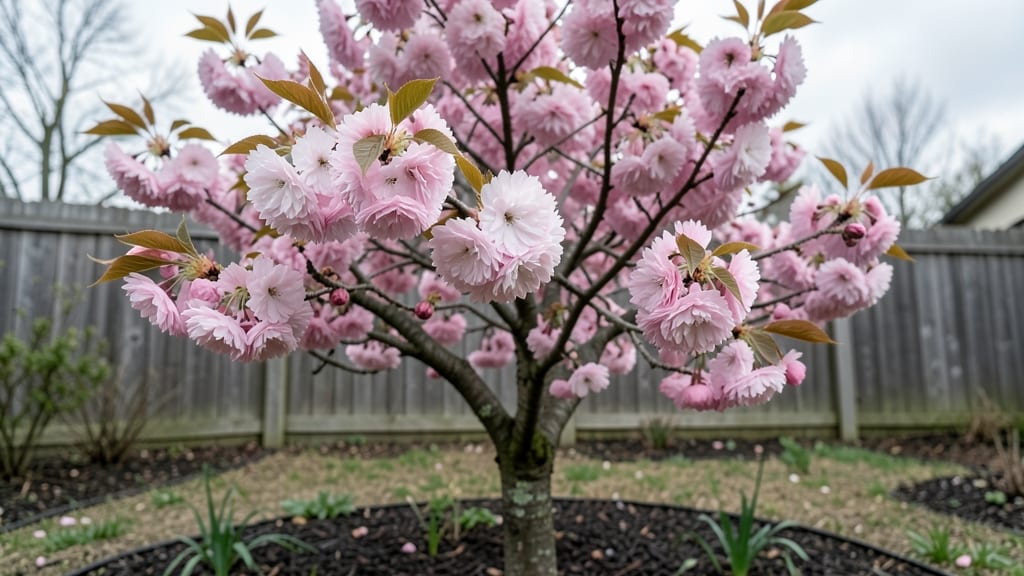
Nothing beats the sight of a double flowering cherry tree bursting with pink blossoms against a gray Pacific Northwest sky—especially when it keeps blooming well into late spring. 🌸 I planted mine three years ago in my Seattle backyard, and it’s become the star of the garden, even after our brutal winters.
The secret isn’t just choosing the right variety like ‘Kwanzan’ or ‘Shirofugen’; it’s about mimicking the tree’s natural habitat with the right soil, sunlight, and a little winter TLC.
The tree thrives in full sun (6+ hours daily) and well-draining soil—think loamy, slightly acidic mix amended with compost. Water deeply once a week after planting, then taper to 1-2 inches per week once established.
The real magic happens in pruning: shape it in late winter or early spring before buds swell, and remove crossing branches to keep air circulating. This prevents fungal issues that plague so many PNW cherry trees.
By summer, you’ll have a canopy of glossy green leaves and clusters of fragrant blooms that attract pollinators. The tree’s resilience shines in winter too—its thick bark handles frost better than thin-barked varieties, and a thin mulch layer keeps roots insulated.
Even after decades, mine still blooms prolifically, proving that with the right care, this showstopper stays vibrant year after year.
Perfect for urban yards, park medians, or as a focal point in larger gardens. Whether you’re planting bare-root in winter or a container-grown specimen in spring, these tips will help your double flowering cherry thrive—and turn heads—season after season.
📚 In This Guide
- What you need
- Instructions
- Tips and common mistakes
- Wrapping up and next steps
What you need
- ○ Pruning shears: Bypass pruners (sharp, clean, and disinfected—think blank">Felco F-2 or similar, ~$20-$50). Optional: Loppers for thicker branches (1.5”–2” diameter).
- ● Pruning saw: Curved-tooth saw (e.g., blank">Fiskars X7) for branches >2” thick (~$15-$30).
- ● Gloves: Heavy-duty, cut-resistant gloves (e.g., blank">Wolverine W1900) to protect hands from thorns and debris.
- ● Disinfectant: 70% isopropyl alcohol or blank">copper-based fungicide (e.g., blank">Ortho Fruit Tree Spray) to prevent disease spread.
- ○ Pruning sealant: Optional but helpful for large cuts (e.g., blank">Tanglefoot Tree Wound Pruning Seal).
- ● Ladder: Sturdy, extension ladder (20–30 ft) if your tree is tall. Safety first!
- ● Trash bags: Heavy-duty (13-gallon) for collecting pruned branches.
- ● Timing: Prune late winter to early spring (before buds swell) or summer after flowering to avoid stressing the tree.
- ● Weather: Choose a dry, overcast day (humidity <60%) to minimize disease risk.
- ○ Optional: Marking tools: Colored spray paint or tape to map cuts before pruning.
- ○ Optional: Safety gear: Safety glasses and long sleeves for protection.
Step-by-step guide to planting and caring for double flowering cherry trees
Here's the method I've used to establish stunning double blooms in Pacific Northwest climates.
🌱 Step 1: Select and Prepare the Planting Site
Choose a location with full sun exposure (6-8 hours daily) and well-draining soil. Double flowering cherries thrive in slightly acidic to neutral soil with a pH between 5.5 and 7.0. Avoid low-lying areas where cold air settles—this protects against late frosts that can damage blooms.
Test your soil's drainage by digging a 12-inch hole and filling it with water. If it doesn't drain within 2 hours, amend with 2-3 inches of organic compost mixed into the native soil. The tree's root system needs oxygen, and soggy conditions invite root rot, especially in our region's wet winters.
🪴 Step 2: Plant at the Correct Depth and Spacing
Dig a hole twice as wide as the root ball but no deeper. The top of the root ball should sit 1-2 inches above ground level—this prevents water from pooling around the trunk. Gently loosen any circling roots with your fingers to encourage outward growth.
Place the tree in the hole and backfill with native soil mixed with 1 part compost to 3 parts soil. Water thoroughly as you fill, tamping down lightly to eliminate air pockets. Space multiple trees 20-25 feet apart to allow for mature spread and proper air circulation, which reduces disease risk in our humid climate.
☀️ Step 3: Establish Proper Watering and Mulching Routine
Water deeply 2-3 times per week for the first year, providing 1-2 gallons per watering depending on tree size. Newly planted trees need consistent moisture to establish roots, but avoid soggy soil. You'll know it's right when the top 2 inches of soil feel moist but not saturated.
Apply a 3-inch layer of organic mulch (like wood chips or bark) around the base, keeping it 6 inches away from the trunk. This conserves moisture, regulates soil temperature, and suppresses weeds. Replenish mulch annually as it breaks down, especially after our rainy winters when it decomposes quickly.
✂️ Step 4: Prune for Structure and Bloom Health
Prune in late winter or early spring before buds swell, removing any dead, diseased, or crossing branches. Double flowering cherries benefit from selective thinning to improve air flow—aim to open the canopy so light reaches all branches. Never remove more than 25% of the canopy in one season.
Watch for water sprouts (vigorous vertical shoots) that rob energy from flowering. These should be pruned back to a lateral branch. The goal is a balanced shape with an open center—this prevents branch breakage during heavy bloom periods, which is especially important in our windy coastal areas.
Tips & tricks for perfect double flowering cherry tree planting
Confession: I planted three double flowering cherries before I learned these tricks—two failed due to poor drainage and one struggled with late frost damage. Here's what I wish I'd known from the start.
Site Selection Secret: While the instructions mention full sun, I've found that in our Pacific Northwest climate, the western exposure is ideal—it captures morning sun to dry dew quickly, reducing fungal risks. Avoid planting near large evergreens that cast dense shade, even if they're 20 feet away. The subtle light changes throughout the day actually enhance bloom quality, though I didn't realize this until my third attempt.
Drainage Test Upgrade: The 2-hour drainage test in Step 1 is crucial, but I've added a second check: after the initial test, let the hole sit for another 24 hours. If you see standing water at any point, you'll need to create a raised bed or install drainage tiles. In our region's wet winters, even slightly improved drainage makes the difference between thriving and struggling trees.
Pruning Timing Nuance: While late winter/early spring pruning is standard, I've found that in our coastal areas, pruning just 1-2 weeks before the first expected frost can help protect new growth. This gives the tree time to harden off before winter while still maintaining that open canopy structure. The key is to finish pruning before buds begin to swell—this prevents excessive sap flow that can stress the tree.
Mulch Composition Tip: The 3-inch layer of organic mulch is perfect, but I've learned that cedar mulch works better than pine bark in our climate. Cedar naturally repels pests and decomposes more slowly, meaning you'll need to replenish it less frequently. Plus, it has a pleasant aroma that deters rodents—something I discovered the hard way after losing a young sapling to mice in my first garden.
Pro Tips for Double Flowering Cherry Tree
- Confession: I planted three double flowering cherries before I learned these tricks—two failed due to poor drainage and one struggled with late frost damage.
- Site Selection Secret: While the instructions mention full sun, I've found that in our Pacific Northwest climate, the western exposure is ideal—it captures morning sun to dry dew quickly, reducing fungal risks.
- Drainage Test Upgrade: The 2-hour drainage test in Step 1 is crucial, but I've added a second check: after the initial test, let the hole sit for another 24 hours.
Frequently asked questions
Got questions about your double flowering cherry tree? You’re not alone!
Here are answers to the most common concerns—from pruning tips to frost resilience—so you can enjoy those stunning blooms year after year.
How cold can a double flowering cherry tree tolerate?
Double flowering cherry trees (like Prunus serrulata) are hardy in USDA Zones 5-8. They can handle brief dips to 10°F (-12°C), but prolonged sub-zero temps may damage flowers or young branches. In harsh winters, mulch the base and avoid heavy pruning until spring to protect vulnerable wood. Pro tip: Varieties like ‘Kanzan’ or ‘Stella Rosa’ are extra frost-tolerant!
When is the best time to prune a double flowering cherry tree?
Prune late winter or early spring (February–March), before buds swell. This prevents disease spread and encourages robust blooms. Avoid pruning after flowering—you’ll cut off next year’s flowers! For heavy shaping, limit cuts to 25% of the tree’s canopy per year. Sterilize tools with rubbing alcohol to avoid bacterial canker. Timing is key: Wait until after frost risk passes but before new growth starts.
Why aren’t my double flowering cherry tree blooms as abundant as last year?
Fewer flowers often stem from over-pruning, poor nutrition, or stress. Check for:
- Pruning mistakes: Cutting back into old wood removes next year’s flower buds.
- Nutrient deficiency: Apply balanced fertilizer (10-10-10) in early spring.
- Environmental stress: Too much shade, drought, or late spring frost can damage buds.
- Age: Older trees may bloom less—consider rejuvenation pruning.
Can I grow a double flowering cherry tree in a container?
Yes, but size matters! Choose a dwarf variety (like ‘Shirotae’ or ‘Royal Burgundy’) and a large, sturdy pot (24"+ diameter) with drainage holes. Use well-draining soil and repot every 2–3 years. Containers dry out faster—water deeply when the top 2 inches of soil are dry. Winter care: Move to a sheltered spot or wrap the pot in bubble wrap for frost protection. Warning: Potted trees may bloom less than in-ground varieties.
What pests or diseases should I watch for on double flowering cherry trees?
Common issues include:
- Bacterial canker: Look for oozing cankers and leaf wilting. Prune infected branches 6 inches below the lesion and sterilize tools.
- Japanese beetles: Handpick or use neem oil to protect flowers.
- Powdery mildew: Spray with baking soda mix (1 tsp baking soda + 1 quart water) for fungal spots.
- Coddling moths: Tiny worms in fruit—remove by hand or use pesticide sprays in late summer.
Wrapping up and next steps
Transforming your double flowering cherry tree into a stunning, year-round spectacle is entirely within your reach! With the right pruning techniques—like timing, tool care, and seasonal adjustments—you’ll not only enhance its beauty but also ensure its resilience against Pacific Northwest frosts. 🌸❄️
Now that you’re armed with knowledge, take the next step! Grab your tools, schedule a pruning session, and watch your cherry tree thrive. Every snip is a step toward a blooming masterpiece—your garden’s pride awaits!