
Flowers
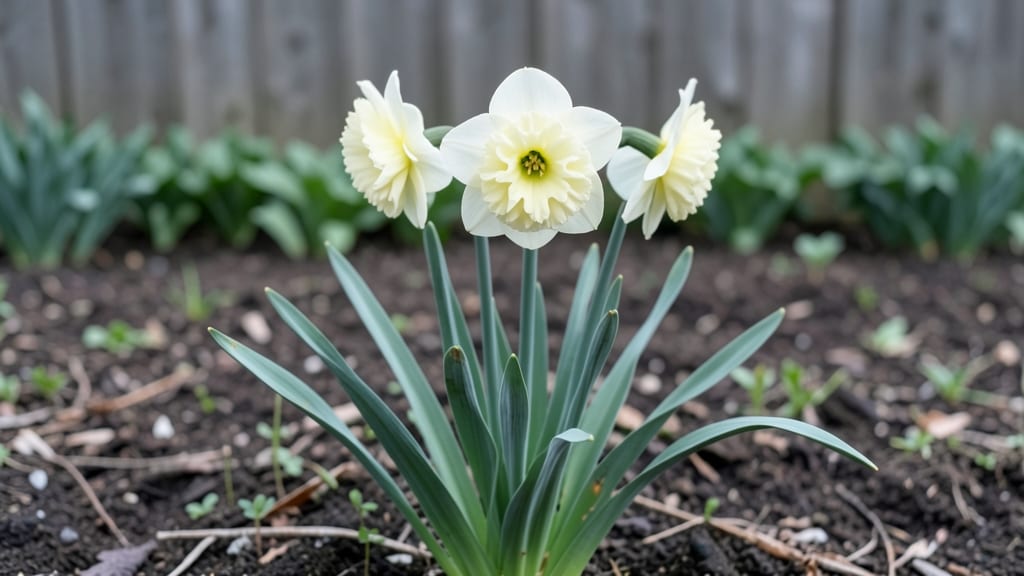
Double flower daffodils turn spring gardens into vertical masterpieces with their layered petals and bold presence. 🌸 I’ve grown them for years, and there’s nothing like watching those extra petals unfurl into dramatic, almost sculptural blooms—each one a showstopper that lasts longer than single varieties.
The secret to their success starts with the right conditions: well-draining soil, 6 hours of sunlight daily, and a spot where they won’t compete with aggressive roots.
Plant bulbs 6 inches deep in fall, spacing them 4-6 inches apart—this gives them room to multiply while keeping those lush clusters compact. Most gardeners overlook the soil prep, but amending with compost makes all the difference for vibrant blooms.
Once planted, they’re practically maintenance-free. Water lightly after planting, then let winter rains do the work until shoots appear. A light spring fertilizer (like 5-10-10) boosts blooms, but don’t overdo it—they thrive on neglect too.
The payoff? Clusters of blooms that outshine single-flower types, often lasting 2-3 weeks longer in the garden or vase.
Troubleshooting is simple: yellowing leaves? Too much water. No blooms? Too much shade. And yes, squirrels love them—cover bulbs with chicken wire if they’re a problem in your area. With these tips, you’ll have daffodils that steal the show every spring.
📚 In This Guide
- What you need
- Instructions
- Tips and common mistakes
- Wrapping up and next steps
What you need
- ● Double flower daffodil bulbs (10–20 bulbs per 10 sq ft, depending on desired density). Choose Narcissus varieties like ‘Ice Follies,’ ‘Tête-à-Tête,’ or ‘Peach Sorbet’ for dramatic blooms.
- ● Well-draining potting mix or garden soil (amend with compost for fertility). Avoid heavy clay soils—double daffodils hate soggy roots!
- ● Organic bulb fertilizer (5-10-10 or 6-12-12 NPK ratio, 1 tbsp per bulb). Look for formulas labeled for spring-blooming bulbs.
- ● Garden trowel or bulb planter (for precise planting depth—aim for 6–8 inches deep).
- ● Mulch (straw, pine needles, or shredded bark) (2–3 inches thick) to protect bulbs and retain moisture.
- ● Garden gloves (to keep hands clean while handling bulbs).
- ● Watering can with a rose nozzle (for gentle, deep watering). Pro tip: Double daffodils need consistent moisture but no standing water!
- ● Plant labels (to track varieties—helpful if mixing colors!).
- ○ Epsom salt (optional) (1 tbsp dissolved in water every 4–6 weeks for magnesium boosts).
- ● Slow-release bulb food tablets (place 1–2 near each bulb at planting for a nutrient reserve).
- ● Decorative rocks or edging (to define borders and deter critters).
Step-by-Step guide to cultivating double flower daffodils
Here’s how to grow these showstopping blooms that command attention in spring borders.
🌱 Step 1: Select and Prepare Planting Sites
Double flower daffodils thrive in full sun to partial shade, with at least 6 hours of sunlight daily. Choose a spot with well-draining soil—they’ll rot if left soggy. If your soil is heavy clay, amend it with 2-3 inches of compost or sand to improve drainage. I always test drainage by digging a 12-inch hole, filling it with water, and waiting to see if it drains within 30 minutes. Slow drainage means you need to add more organic matter.
These bulbs prefer slightly acidic to neutral soil (pH 6.0-7.0). A simple soil test kit will tell you if your soil needs lime (to raise pH) or sulfur (to lower it). I’ve found that double flower varieties often need extra care here—they’re more sensitive to poor soil conditions than single-flower types. Avoid low-lying areas where cold air settles, as this can damage emerging shoots.
🪴 Step 2: Plant Bulbs at the Right Depth and Spacing
Plant daffodil bulbs in fall, about 6-8 weeks before the ground freezes. The rule of thumb is to bury them twice as deep as the bulb’s height—for most double flower varieties, that’s 6-8 inches deep. I use a trowel to dig holes, place the bulb in with the pointed end up, and cover it gently. Packing soil too firmly can restrict root growth, so I just press it lightly around the bulb.
Space bulbs 4-6 inches apart in rows 8-12 inches apart. This gives the clumps room to multiply over time, and you’ll end up with lush, continuous blooms. If you’re planting in grass, mark the spots with flags so you don’t accidentally mow them down. Double flower daffodils often produce heavier blooms, so sturdy stems benefit from this spacing—they won’t flop as easily.
☀️ Step 3: Provide Winter Care and Early Spring Maintenance
After planting, mulch with 2-3 inches of straw or shredded leaves to insulate the bulbs through winter. This protects them from extreme cold and prevents heaving (when bulbs push up and out of the soil). In USDA Zones 3-5, I add an extra layer of mulch if winters are particularly harsh. Remove the mulch in early spring once shoots emerge—usually by late February to early March, depending on your climate.
Once shoots reach 3-4 inches tall, fertilize lightly with a balanced bulb fertilizer (10-10-10). I scatter granules around the base and water them in gently. Avoid high-nitrogen fertilizers—they encourage leafy growth at the expense of blooms. Water moderately during the growing season, keeping the soil evenly moist but not waterlogged. Double flower daffodils often need slightly more water than single varieties to support their heavier blooms.
✂️ Step 4: Deadhead and Divide for Long-Term Growth
After flowering, allow the foliage to yellow and die back naturally—this recharges the bulb for next year. I never cut back leaves until they’re completely brown, even if it looks messy. Once the foliage dies, cut it back to 1-2 inches above the soil line to keep the bed tidy. If you notice blooms fading unevenly, it might be time to divide overcrowded clumps—double flower varieties can become congested faster than single types.
Divide bulbs in late summer (August-September) when foliage has died back. Dig up clumps, separate the bulbs, and replant the largest, healthiest ones. I always discard any bulbs that show signs of rot or disease. Replant divided bulbs at the same depth and spacing. This ensures your daffodils keep producing bold, dramatic blooms year after year. Double flower varieties often benefit from division every 3-4 years to prevent decline.
⏰ Step 5: Plan for Seasonal Color and Pest Control
For continuous vertical drama, pair double flower daffodils with tall ornamental grasses or late-blooming perennials like peonies. Their height (often 18-24 inches) makes them perfect for back-of-border planting. I’ve found that planting them near alliums or tulips creates a stunning layered effect. Just be sure to space them properly—crowding can lead to smaller blooms.
Watch for squirrels and deer, which love daffodil bulbs. I’ve had to protect my beds with chicken wire cages in past seasons. If you spot thrips or aphids on the foliage, spray with neem oil or insecticidal soap—these pests can weaken the plants. Double flower varieties are generally pest-resistant, but their heavy blooms can attract more attention from insects. A quick inspection every 2 weeks during spring growth keeps issues in check.
Tips & tricks for cultivating stunning double flower daffodils
These insights will help you avoid common pitfalls and maximize the dramatic impact of your double flower daffodils.
Soil Preparation Insight: When testing drainage in Step 1, I’ve found that adding perlite to heavy clay soil creates even better drainage than just compost alone. Mix in 1 part perlite to 3 parts soil for a lighter, more aerated growing medium. Double flower varieties are particularly sensitive to waterlogged conditions, so this extra step pays off in vibrant blooms. The 30-minute drainage test is your best friend—if water remains after this time, you know you need more amendments.
Planting Depth Strategy: For double flower daffodils, I recommend planting bulbs at the upper end of the 6-8 inch range—closer to 8 inches deep—especially in colder climates. The extra depth provides better insulation against winter heaving, which is when bulbs push up through the soil due to freeze-thaw cycles. This is particularly important for double flower varieties, which often produce heavier blooms that can stress the stems if the bulb isn't properly anchored.
Fertilization Timing: In Step 3, when fertilizing with 10-10-10 once shoots reach 3-4 inches, I’ve discovered that a second light application in early springlate March to April—boosts bloom production. Use half the recommended dose to avoid overfeeding. Double flower daffodils respond well to this extra nutrient push, but timing is critical: apply it too early, and you’ll encourage leaf growth at the expense of blooms.
Pest Prevention: For the 2-week inspection mentioned in Step 5, I schedule my checks on Mondays and Thursdays to catch early signs of thrips or aphids before they become problematic. If you notice pests, neem oil works best when applied in the early morning or late evening to avoid harming beneficial insects. Double flower varieties attract more attention from pests due to their dense blooms, so this vigilance pays off in healthier plants.
Pro Tips for Double Flower Daffodil
- These insights will help you avoid common pitfalls and maximize the dramatic impact of your double flower daffodils.
- Soil Preparation Insight: When testing drainage in Step 1, I’ve found that adding perlite to heavy clay soil creates even better drainage than just compost alone.
- Planting Depth Strategy: For double flower daffodils, I recommend planting bulbs at the upper end of the 6-8 inch range—closer to 8 inches deep—especially in colder climates.
Frequently asked questions
Got questions about double flower daffodils?
You’re not alone! Here are some of the most common queries—and their answers—to help you grow these show-stopping blooms with confidence.
How do I tell if my daffodil is a double flower variety?
Double flower daffodils have two or more layers of petals (called "florets") instead of the single trumpet-like center of standard varieties. Look for blooms with voluminous, layered petals that resemble a pom-pom or peony. If your daffodil has a flat, single trumpet, it’s likely a single-flower type. Pro tip: Check the cultivar name—many double varieties include terms like "Double," "Flore Pleno," or "Papillon" (e.g., 'Tête-à-Tête' or 'Ice Follies').
When is the best time to plant double flower daffodils for spring blooms?
Plant them in fall, 6–8 weeks before the ground freezes (typically October–November in most U.S. zones). This gives roots time to establish before winter. For spring-planting, aim for early fall of the following year—they’ll bloom a year later. Key tip: Soil temps should be below 60°F (15°C) for optimal root growth.
Why aren’t my double flower daffodils blooming?
Common culprits include:
- Too much shade: They need full sun (6+ hours/day) for robust blooms.
- Overcrowding: Dig up and divide clumps every 3–5 years if flowers shrink.
- Improper planting depth: Bulbs should be 6–8 inches deep (twice their height).
- Lack of nutrients: Feed with bulb fertilizer in fall or compost in spring.
Can I grow double flower daffodils in containers?
They thrive in well-draining containers with a mix of potting soil, perlite, and compost. Use one bulb per 3–5 inches of pot diameter, and plant 3–4 bulbs together for a dramatic display. Pro move: Add a layer of gravel at the bottom to prevent rot. Repot every 2–3 years to refresh nutrients.
How do I protect double flower daffodils from pests or diseases?
Double flower daffodils are generally pest-resistant, but watch for:
- Squirrels/deer: Use chicken wire or plant in raised beds.
- Thrips: Spray with neem oil if petals look streaked.
- Fungal rot: Avoid overwatering and plant in well-draining soil.
Wrapping up and next steps
Double flower daffodils bring bold color and vertical drama to any spring garden, and with the right care, they’ll reward you with show-stopping blooms year after year. Whether you’re a first-time gardener or a seasoned enthusiast, their low-maintenance charm makes them a perfect choice for brightening up outdoor spaces.
Now that you’re equipped with the essential tips and tricks, why not plant a few bulbs this fall? Your future garden—and pollinators—will thank you! 🌸