
Flowers
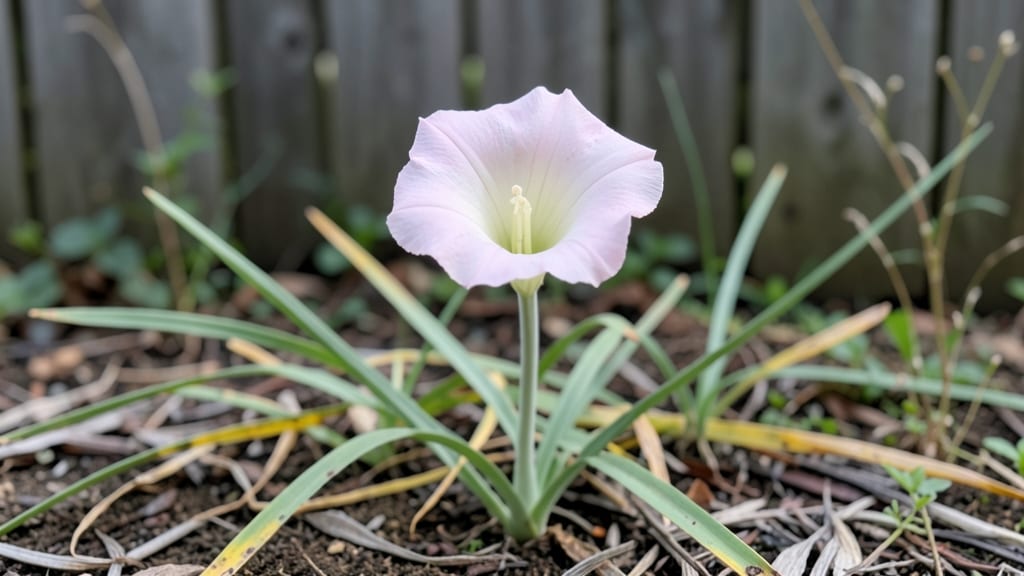
The moonlight lily flower unfurls its fragrant, trumpet-shaped blooms under the night sky—like nature’s own spotlight. 🌙 I’ve grown them in my own garden, and their dramatic, moonlit displays make every evening feel magical.
The secret lies in their dormant cycle: these bulbs need a period of rest before they’ll reward you with those stunning, starry flowers.
They thrive in well-draining soil and partial shade, making them perfect for woodland gardens or under trees. Plant the bulbs in early fall, about 6 inches deep and 4 inches apart, in a spot where they’ll get morning sun and afternoon shade.
Water lightly until the ground freezes, then let nature take over—they’ll bloom in late spring or early summer without any extra effort.
What you’ll love most is how they transform your garden after dark. The blooms open at dusk, filling the air with a sweet, spicy fragrance that lasts until dawn.
Even better? They’re nearly pest-free and deer-resistant, so you won’t waste time fighting off critters. With just a little patience, you’ll have a garden that glows when others sleep.
Best of all, these bulbs multiply over time, so you’ll soon have more than you know what to do with. Whether you’re a beginner or a seasoned gardener, moonlight lilies add drama and intrigue to any space. Let’s get those bulbs in the ground!
📚 In This Guide
- What you need
- Instructions
- Tips and common mistakes
- Wrapping up and next steps
What you need
- ○ Moonlight lily plant: 1 mature plant (check for healthy, green leaves and firm stems). Optional: Seeds (requires patience—germination can take 4+ weeks!).
- ● Well-draining potting mix: 5 gallons (or a 10-inch pot for one plant). Use a blend of peat moss, perlite, and compost (3:1:1 ratio) for optimal aeration.
- ● Container or garden bed: For pots: 1–2 ceramic or plastic containers (10–12 inches in diameter) with drainage holes.
- ● For gardens: A partially shaded spot with loose, fertile soil (pH 5.5–6.5).
- ● Watering can or hose: With a gentle spray nozzle for hydration.
- ● Fertilizer: Balanced liquid fertilizer (10-10-10 NPK) or slow-release granules.
- ● Gloves: 1 pair (to protect hands from soil and sharp stems).
- ● Pruning shears: Small, sharp pair (for trimming dead leaves or blooms).
- ● Spray bottle: For misting leaves (especially in dry climates).
- ● Mulch: 2–3 inches of organic mulch (e.g., shredded bark) to retain moisture.
- ○ Humidity tray (optional): A shallow tray with pebbles and water (for indoor plants).
- ○ Grow lights (optional): LED bulb (12–15 hours/day) if growing indoors with low light.
Step-by-Step instructions for growing moonlight lilies
Here’s how to cultivate these enchanting night-bloomers with minimal fuss.
🌱 Step 1: Choose the Right Location and Planting Time
The moonlight lily thrives in partial shade to full shade, making it perfect for woodland gardens, under trees, or along north-facing walls. Avoid harsh afternoon sun, which can scorch its delicate blooms. Plant in early spring after the last frost when soil temperatures reach at least 60°F—this gives roots time to establish before summer heat.
I dig a hole twice as wide as the root ball but only as deep as the container it came in. This prevents burying the crown too deeply, which can cause rot. Gently loosen the roots if they’re circling, then backfill with native soil mixed with 1 inch of compost—this boosts drainage without overwhelming the plant.
☀️ Step 2: Provide Ideal Growing Conditions
Moonlight lilies love moist, well-draining soil with a slightly acidic to neutral pH (6.0–7.0). If your soil drains poorly, amend it with 2 inches of organic matter (like leaf mold or compost) before planting. Water deeply once a week during the first growing season, ensuring the top 6 inches of soil stay consistently moist—they’re drought-tolerant once established, but young plants need steady hydration.
Here’s the thing—these flowers bloom at night, so they rely on pollinators like moths and bats. Avoid using pesticides, especially after dark, to protect their nocturnal visitors. A light mulch layer (2–3 inches) of shredded bark or pine needles keeps roots cool and retains moisture.
🌿 Step 3: Support Growth and Encourage Blooms
By mid-summer, you’ll see the plant’s signature long, strappy leaves emerging. These are its energy factories—don’t prune them unless they’re damaged. Instead, focus on fertilizing lightly in early spring with a balanced, slow-release fertilizer (10-10-10). Too much nitrogen makes leaves lush but blooms sparse.
Moonlight lilies multiply over time, so divide clumps every 3–4 years in early spring. Dig up the plant, separate the rhizomes with at least 3–4 leaves per section, and replant immediately. This keeps blooms vigorous and prevents overcrowding.
⏰ Step 4: Enjoy the Nocturnal Display
The magic happens when evening arrives. Watch for white, trumpet-shaped flowers opening after sunset, releasing their sweet fragrance. They close by morning, so plan a nighttime stroll with a flashlight to witness the show. Deadhead spent blooms in the morning to encourage more flowers.
After the first frost, the foliage will yellow and die back. Cut it back to 2 inches above ground level in late winter. The rhizomes are hardy in USDA zones 4–9, so they’ll return year after year with minimal care.
Tips & tricks for growing moonlight lilies
Real talk: These night-blooming beauties are forgiving, but a few small tweaks make all the difference between "meh" and "magical garden moment."
Location Matters: When planting in Step 1, scout your garden during the hottest part of the day—if the spot gets direct sun after 2 PM, move it. I’ve seen moonlight lilies wilt dramatically in afternoon sun, even when they seemed fine in morning light. A north-facing wall or under deciduous trees gives them the perfect dappled shade they crave.
Soil Prep Secret: Before amending soil in Step 2, do this test: Grab a handful of your native soil and squeeze it. If it stays in a tight ball, it’s too clay-heavy. For these plants, you want it to crumble slightly when squeezed—this indicates the perfect balance of moisture retention and drainage. If your soil fails the test, mix in that 2 inches of organic matter right where you’ll plant, not just around the edges.
Watering Wisdom: Those first six inches of soil need to stay consistently moist, but don’t drown them. I use a simple trick: Stick your finger in the soil up to your first knuckle. If it feels dry at that depth, it’s time to water. Early morning is ideal—watering in the evening can leave foliage damp overnight, inviting fungal issues. Once established, they’ll tell you when they’re thirsty by drooping slightly in the afternoon.
Fertilizer Timing: That early spring 10-10-10 application in Step 3 is critical, but here’s what nobody tells you—stop fertilizing after mid-summer. The plant shifts its energy to preparing for winter dormancy, and extra nutrients at that stage can actually reduce next year’s blooms. Think of it like putting a gardener on vacation: you feed them when they’re working hard, not when they’re winding down.
Pro Tips for Moonlight Lily Flower
- Real talk: These night-blooming beauties are forgiving, but a few small tweaks make all the difference between "meh" and "magical garden moment."
- Location Matters: When planting in Step 1, scout your garden during the hottest part of the day—if the spot gets direct sun after 2 PM, move it.
- Soil Prep Secret: Before amending soil in Step 2, do this test: Grab a handful of your native soil and squeeze it.
Frequently asked questions
Got questions about growing moonlight lilies?
Here are some of the most common ones—plus straightforward answers to help you nurture these enchanting nocturnal bloomers with confidence!
How long does it take for moonlight lilies to bloom after planting?
Moonlight lilies (Spathiphyllum spp.) typically take 6 to 12 months to bloom after planting, depending on growing conditions. Younger plants may take longer, while mature bulbs (or established houseplants) can reward you with fragrant flowers sooner. Patience pays off—consistent care (like bright, indirect light and regular watering) speeds up the process!
Can moonlight lilies survive winter outdoors?
In colder climates (USDA Zones 9-11), moonlight lilies are tender perennials and won’t survive frost. Dig up tubers before the first freeze, store them in dry peat moss, and replant in spring. If grown as houseplants, they thrive year-round indoors with warmth and humidity. For outdoor gardens in cooler zones, treat them as annuals or grow them in containers you can move indoors.
Why aren’t my moonlight lilies blooming?
No flowers? Check these common culprits:
- Low light: Move to brighter, indirect light (but avoid direct sun).
- Overwatering: Let the top inch of soil dry out between waterings.
- Lack of nutrients: Fertilize lightly with a balanced houseplant food every 4-6 weeks in spring/summer.
- Stress: Avoid sudden temperature or humidity changes.
Are moonlight lilies toxic to pets?
Yes, moonlight lilies are toxic to cats and dogs if ingested, causing oral irritation, drooling, or vomiting. Keep them out of reach of pets or opt for pet-safe alternatives like spider plants (Chlorophytum comosum) or Boston ferns (Nephrolepis exaltata). When in doubt, consult your vet.
What’s the best alternative if I can’t grow moonlight lilies?
Love the look but need low-maintenance options? Try these fragrant, shade-tolerant bloomers:
- Angel’s Trumpet (Brugmansia): Night-blooming, intoxicating scent (but toxic—handle with care!).
- Sweet Alyssum (Lobularia maritima): Delicate white blooms with a honey-like fragrance; thrives in partial shade.
- Caladium (Caladium bicolor): Stunning foliage and subtle sweetness; loves humidity.
- Peace Lily (Spathiphyllum wallisii): A close cousin with similar care needs and white blooms.
Wrapping up and next steps
The moonlight lily flower is a magical addition to any garden, transforming nighttime into a fragrant, luminous spectacle. With the right care—patience, well-draining soil, and a touch of shade—you’ll be rewarded with stunning blooms that thrive under the moonlight. 🌙✨
Ready to bring some enchantment to your garden? Start by gathering your supplies, then follow the steps to nurture these delicate beauties. Plant your first moonlight lily this season and let your garden shine after dark!