
Flowers
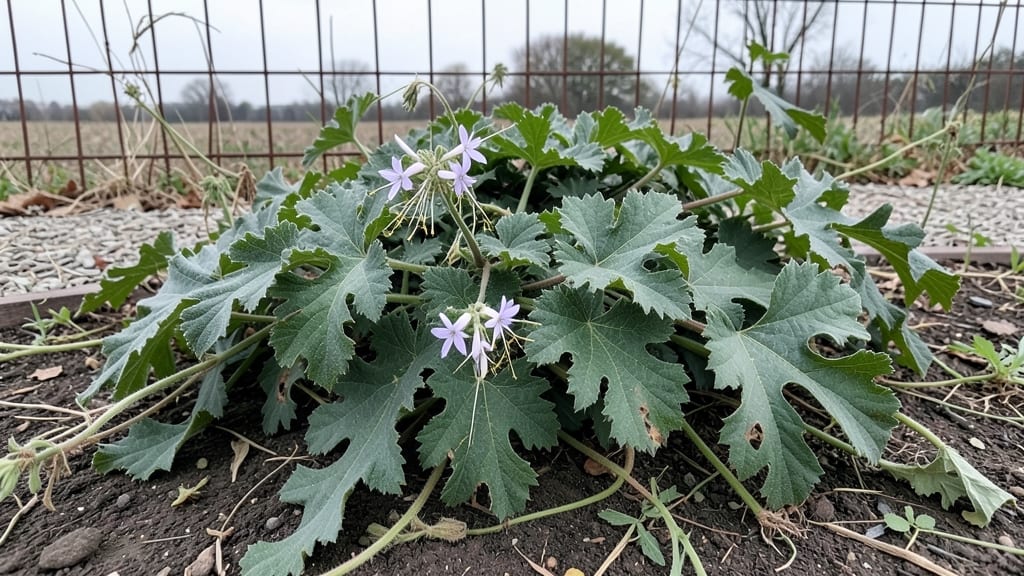
The devil's snare flower (Cobaea scandens) is the Pacific Northwest's secret weapon for year-round hummingbird drama. 🌿 I fell for its trumpet-shaped blooms after seeing them sway in my neighbor's garden—now I can't imagine a summer without their velvety petals and the buzz of hummers diving in for nectar.
This vigorous climber thrives where others struggle, turning fences into living tapestries of purple and white.
Growing devil's snare is simpler than it looks—just give it 6 hours of sun, well-draining soil, and something sturdy to climb (think trellis or arbor). Start seeds indoors 8-10 weeks before last frost, or plant cuttings in spring.
The key? Keep soil consistently moist but never soggy, and watch those vines reach for the sky—some grow 10-15 feet in a single season. Prune lightly after blooms fade to encourage more flowers.
What makes this plant magical is how it transforms any space. Imagine morning glories' charm but with 12-inch trumpets that hummingbirds can't resist, plus foliage that stays lush even in PNW's damp summers.
The best part? It blooms from early summer straight through frost, giving you continuous color when most annuals call it quits.
For PNW gardeners, devil's snare is a no-brainer—it handles our mild winters better than many tropicals and pairs beautifully with fuchsias or columbines. Just avoid heavy clay soil, and you'll have a hummingbird hotspot that turns heads (and beaks) all season long. Ready to grow yours?
📚 In This Guide
- What you need
- Instructions
- Tips and common mistakes
- Wrapping up and next steps
What you need
- ● Devil’s Snare Seeds or Plants: Start with certified seeds or nursery-grown plants (ensure they’re labeled Sarcodes sanguinea). Seeds are tricky—germination rates are low, so consider buying a small plant (1–3 units) for better success.
- ● Growing Medium: Sphagnum Moss: Peat-based (not live moss), 100% pure, fine-grade (e.g., Horticultural Sphagnum Moss). Use 2–3 lbs per 1-gallon container.
- ○ Perlite or Pumice: 1 part to aerate the mix (prevents compaction). Optional but recommended for drainage.
- ● Containers: Plastic or Glass Pots: 4–6 inches deep, with drainage holes. Avoid terracotta (retains too much moisture). 1–2 pots per plant.
- ● Clear Lids or Plastic Wrap: For humidity control during germination (if starting from seed).
- ● Spray Bottle: For gentle misting (avoid overwatering). 8–16 oz size with a fine mist nozzle.
- ● pH Meter or Test Kit: Devil’s Snare loves acidic soil (pH 4.5–5.5). A digital pH meter (~$15–$25) works well.
- ● Tweezers or Small Scoop: For delicate seed handling (if sowing).
- ○ Humidity Dome or Greenhouse Tray: Optional but helpful for seed-starting (creates a mini greenhouse effect).
- ● Location: Partial shade to full shade (morning sun only). Avoid direct afternoon sunlight, which can scorch the delicate blooms.
- ● Temperature: Prefers 50–70°F. Not frost-tolerant—keep indoors or in a greenhouse if temps drop below 32°F.
- ● Humidity: 60–80% humidity. Use a hygrometer to monitor (or place near a humidifier).
- ● Patience: From seed, germination can take 6–12 months (or longer!). Buying a mature plant skips this wait.
- ● 💡 Skip the Soil: Devil’s Snare is a mycoheterotrophic plant—it relies on fungi, not nutrients. No fertilizer or compost needed!
- ● 🌡️ Water Wisely: Keep moss consistently moist (like a wrung-out sponge). Overwatering causes rot; underwatering stresses the plant.
- ● ✨ Hummingbird Bait: Once blooming, place a small dish of sugar water nearby to attract pollinators!
Step-by-step guide to cultivating devil’s snare flower
This striking Pacific Northwest native thrives with minimal fuss—here’s how to coax its dramatic blooms year-round.
🌱 Step 1: Select and Prepare the Ideal Planting Site
Devil’s snare (Cobaea scandens) loves partial shade to full sun but tolerates dappled light in hotter afternoons. I always choose a spot with morning sun and afternoon shade—this prevents leaf scorch while ensuring enough energy for those iconic bell-shaped flowers. The plant’s vining habit means it needs 6-10 feet of vertical support, so install a sturdy trellis, fence, or arbor before planting.
Soil should be well-draining but moisture-retentive, with a slightly acidic to neutral pH (6.0-7.0). Amend heavy clay with 2-3 inches of compost and a handful of perlite to improve aeration. Devil’s snare’s deep roots appreciate a 12-inch-deep hole—dig twice as wide as the root ball to encourage outward growth.
💧 Step 2: Plant and Establish for Robust Growth
Set the plant so the top of the root ball sits level with the soil surface—burying too deep suffocates stems, while planting too high risks instability. Backfill with native soil mixed with 1 cup of bone meal (for phosphorus) to fuel flowering. Water deeply immediately after planting to eliminate air pockets, then let the top 2 inches of soil dry before watering again.
Here’s the thing—devil’s snare hates soggy roots. Mulch with 3 inches of shredded bark to regulate moisture and suppress weeds, but keep mulch 2 inches away from the stem to prevent rot. Young plants need consistent moisture for the first 4-6 weeks, so check soil daily during dry spells. You’ll know it’s thriving when new vines emerge within 2-3 weeks—that’s your cue to start training them up the trellis.
☀️ Step 3: Train Vines and Encourage Year-Round Blooms
Gently tie vines to the trellis with soft plant ties every 6-8 inches as they grow. Devil’s snare climbs aggressively, so prune back leggy stems to focus energy on flowering. Pinch back the topmost set of leaves when vines reach 3 feet to encourage bushier growth and more blooms. This plant blooms continuously from spring to frost, but it rewards pruning in late summer to stimulate a second flush of flowers before winter.
Feed lightly every 4-6 weeks with a balanced liquid fertilizer (10-10-10) diluted to half strength. Over-fertilizing leads to lush foliage but fewer flowers—this plant prioritizes blooms, so I skip nitrogen-heavy feeds. Watch for hummingbirds within weeks of the first flowers opening; they’ll become your garden’s most loyal visitors.
✂️ Step 4: Prune and Overwinter for Next Season
After the first frost, cut back vines to 1-2 feet tall—this prevents dieback and encourages new growth in spring. Devil’s snare is semi-evergreen in mild climates but benefits from a light mulch layer (2 inches) over the roots to insulate during cold snaps. In frost-prone areas, protect the base with burlap or a frost blanket until temperatures stabilize above 20°F.
Real talk: This plant self-seeds readily, so you’ll likely find volunteers popping up next spring. If you want to control spread, deadhead spent blooms in early fall—but if you’re okay with naturalization, let a few seeds drop. The more you grow, the more hummingbirds will return year after year. That’s the magic of devil’s snare.
Tips & tricks for cultivating devil's snare flower
These insider secrets will help you coax even more dramatic blooms from your Pacific Northwest hummingbird magnet.
Location is Everything: That morning sun and afternoon shade combo is non-negotiable for devil's snare. If you're in a hotter microclimate, consider a sheer curtain for afternoon shade—it prevents leaf scorch while still allowing light penetration. I've seen plants in full sun wilt by mid-afternoon, so don't be afraid to get creative with shade solutions.
Root Ball Placement Matters: When planting, resist the urge to bury the root ball too deep—it should sit level with the soil surface. I learned this the hard way after seeing stems suffocate from being planted too low. The 12-inch-deep hole is perfect for those deep roots, but remember to dig twice as wide to encourage outward growth rather than upward.
Pruning for Maximum Blooms: That pinch-back at 3 feet isn't just about bushier growth—it's about redirecting energy to flower production. I've found that pruning leggy stems regularly (every 6-8 inches) creates a more compact plant with more blooms. This aggressive climber will reward your attention with continuous flowers from spring to frost.
Frost Protection Strategy: The 20°F threshold is critical for frost-prone areas. I've used burlap wraps and even old frost blankets to protect the base, but always remember to remove them once temperatures stabilize. This semi-evergreen plant can handle mild winters, but that extra insulation makes all the difference in colder climates.
Pro Tips for Devil'S Snare Flower
- These insider secrets will help you coax even more dramatic blooms from your Pacific Northwest hummingbird magnet.
- Location is Everything: That morning sun and afternoon shade combo is non-negotiable for devil's snare.
- Root Ball Placement Matters: When planting, resist the urge to bury the root ball too deep—it should sit level with the soil surface.
Frequently asked questions
Got questions about growing the stunning Devil’s Snare flower (Triphyophyllum peltatum)? You’re not alone! This unique Pacific Northwest native is a hummingbird favorite, but it has some quirks. Here are answers to the most common questions to help you succeed.
What’s the best time to plant Devil’s Snare?
Plant seeds or transplants in early spring (March–April) or late summer (August–September) for best results. Young plants are delicate, so avoid transplanting during frost or extreme heat. If starting from seed, germination can take weeks to months—patience is key! Pro tip: Soak seeds overnight to speed up germination.
How long does it take for Devil’s Snare to bloom?
With ideal conditions, you may see first blooms in 1–2 years from seed. Established plants (transplants) can flower in their first growing season if given partial shade and consistent moisture. Hummingbirds will thank you once those tubular flowers appear—often from spring through fall!
Can Devil’s Snare grow in full sun?
While it tolerates partial sun, full sun can stress the plant, especially in hotter climates. In the Pacific Northwest, morning sun + afternoon shade is ideal. If your garden is sunnier, provide dappled shade (like under tall trees) or a light shade cloth in summer to prevent wilting.
Why aren’t hummingbirds visiting my Devil’s Snare?
Hummingbirds love this flower, but a few issues might deter them:
- Lack of nectar: Ensure the plant is well-watered but not soggy.
- Pesticides: Avoid chemicals—hummingbirds are sensitive to them!
- Timing: Blooms peak in late spring to early summer; if it’s off-season, try adding other hummingbird-friendly flowers (like Penstemon).
- Location: Plant near feeders or windbreaks for easier access.
What should I do if my Devil’s Snare dies back?
This vine is semi-evergreen but may drop leaves in winter or drought. If it’s completely dead:
- Check for root rot (overwatering) or drought stress (underwatering).
- Trim back brown stems in early spring—new growth often returns!
- If no regrowth after 2–3 months, it may need replacement.
Are there alternatives if Devil’s Snare is hard to find?
If you’re struggling to locate seeds or transplants, try these hummingbird-magnet alternatives for the PNW:
- Penstemon (Beardtongue) – Drought-tolerant and long-blooming.
- Salvia (Sage) – Loved by hummers and pollinators.
- Ceanothus (California Lilac) – Thrives in dry, sunny spots.
- Fuchsia – A classic hummingbird favorite with vibrant blooms.
Wrapping up and next steps
The Devil’s snare flower (Triphyophyllum peltatum) is a stunning, low-maintenance gem that brings year-round blooms and hummingbird magic to the Pacific Northwest. With the right soil, sunlight, and care, you’ll create a thriving garden haven that’s both beautiful and eco-friendly. 🌿
Ready to dive in? Start by gathering your supplies and choosing a spot—then watch your garden transform into a hummingbird hotspot! Whether you’re a seasoned gardener or just starting, this resilient plant is your perfect next project. Happy growing! 🌸