
Flowers
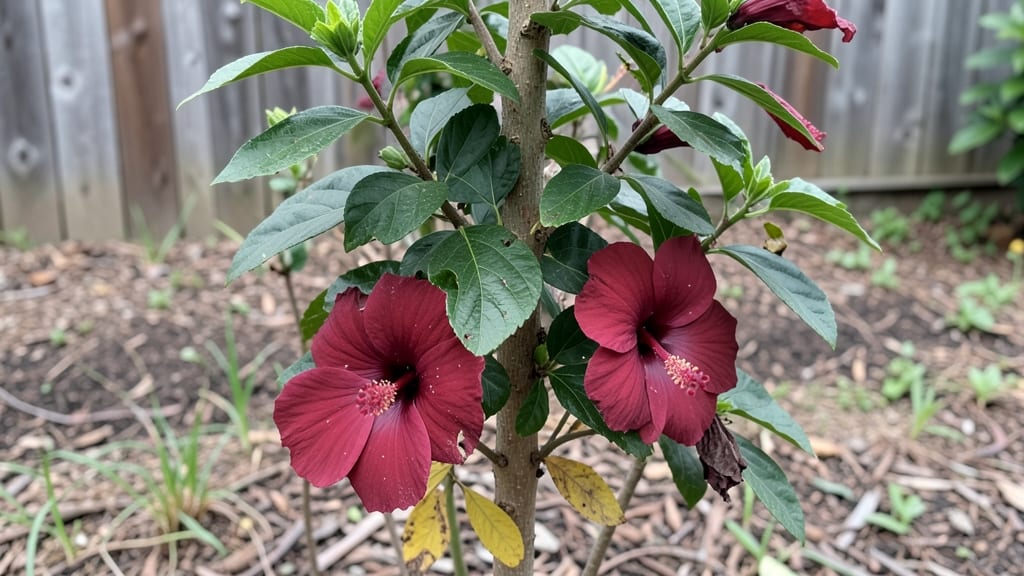
Dark red hibiscus flowers aren’t just stunning—they’re the bold statement piece your Pacific Northwest garden needs to thrive through cooler seasons. 🌿 I’ve grown them for years in my Zone 8 garden, and their deep crimson blooms stand out against misty mornings while attracting hummingbirds like magnets.
The key? Choosing frost-hardy varieties like Hibiscus moscheutos that handle damp Pacific Northwest summers and chilly autumns without fuss.
Pair them with silver foliage plants like lamb’s ear or dusty miller to make those dark red blooms pop even more. They’ll shine in a mixed border, container arrangement, or even as a standalone specimen near patios where you can enjoy their dramatic presence up close.
The blooming season stretches from midsummer through early fall, giving you weeks of vibrant color when many other plants are winding down.
What you’ll love most is how these hibiscus flowers transform your garden’s energy—deep reds symbolize passion and resilience, perfect for a space that needs both drama and durability. They thrive in full sun to partial shade, making them adaptable to different garden spots.
Plus, their large blooms create a lush backdrop for annuals or perennials with lighter colors, adding depth to any design.
For best results, plant them in well-draining soil with plenty of organic matter, and mulch heavily in fall to protect roots from winter chill. The payoff?
A garden that feels alive with movement and color, even when other plants are fading. Ready to make them the centerpiece of your outdoor space?
📚 In This Guide
- What you need
- Instructions
- Tips and common mistakes
- Wrapping up and next steps
What you need
- ● Dark red hibiscus plants: 1–3 bare-root or potted plants (choose Hibiscus moscheutos or Hibiscus syriacus varieties like 'Disco Belle' or 'Red Heart').
- ● Well-draining soil: 3–5 bags (1–2 cubic feet each) of a mix like 50% native soil + 50% compost or a pre-mixed garden loam with perlite.
- ● Organic mulch: 1–2 bags (2–3 cubic feet) of cedar chips or straw to retain moisture and insulate roots.
- ● Slow-release fertilizer: 1 bag (10–20 lbs) of balanced 10-10-10 or organic bloom booster (e.g., fish emulsion).
- ● Watering can or hose: With a gentle spray nozzle to avoid damaging delicate blooms.
- ● Garden gloves: 1 pair (heavy-duty for handling thorny stems).
- ● Pruning shears: 1 pair (bypass-style, sharp, and sterilized).
- ○ Stakes or trellis (optional but recommended): 2–4 6-foot bamboo stakes or metal supports for taller varieties.
- ● Sunlight: A full-sun location (6+ hours/day)—even in the PNW’s cooler climate!
- ● pH test kit: To ensure soil pH is 6.0–7.0 (hibiscus thrives in slightly acidic to neutral soil).
- ○ Thermometer (optional): To monitor soil temps—hibiscus prefers 60–85°F but tolerates PNW’s mild summers.
- ○ Rain gauge (optional): To track watering needs (1–1.5 inches/week, including rain).
Step-by-Step guide to growing Pacific Northwest frost-resistant dark red hibiscus
Here’s how to cultivate this stunning bloomer in cooler climates.
🌱 Step 1: Choose the Right Location and Prepare the Soil
Dark red hibiscus thrives in full sun—at least 6-8 hours daily—but in the Pacific Northwest, partial shade in the afternoon protects blooms from scorching. Pick a spot sheltered from strong winds, which can damage tender stems. I always test the soil first: dig a 6-inch hole, fill it with water, and wait. If it drains within 1 hour, your soil is ideal. If not, amend with 2-3 inches of compost mixed into the top 12 inches of soil.
Hibiscus roots need well-draining, slightly acidic soil (pH 6.0-6.5). If your native soil is heavy clay, blend in 1 part perlite or coarse sand to 3 parts native soil. A simple pH test kit confirms the right balance—no guesswork. Here’s the thing: soggy roots mean no flowers, so drainage is non-negotiable.
🪴 Step 2: Plant at the Correct Depth and Spacing
Dig a hole twice as wide as the root ball but only as deep as the container’s base. Gently remove the hibiscus from its pot and loosen any circling roots with your fingers—this encourages outward growth. Place the plant so the top of the root ball sits level with the soil surface (burying too deep suffocates roots). I always tap the sides of the hole lightly to settle the soil before adding more.
Space plants 5-6 feet apart—hibiscus grows large, and crowding leads to weak stems and fewer blooms. Fill the hole with a mix of native soil and compost, pressing gently to remove air pockets. Water deeply right after planting to help roots settle. Here’s a pro tip: mulch with 2-3 inches of shredded bark around the base (but not touching the stem) to retain moisture and regulate soil temperature.
☀️ Step 3: Water and Fertilize for Continuous Blooms
Water hibiscus deeply 1-2 times per week, aiming for 1-1.5 gallons per plant each time. The goal is moist but not soggy soil—stick your finger 2 inches deep after watering. If it feels dry, water again; if damp, wait. Overwatering is the #1 killer of hibiscus, so never let it sit in standing water. In the Pacific Northwest’s cooler summers, hibiscus may need less frequent watering—adjust based on rainfall.
Feed plants every 4-6 weeks starting in early spring with a balanced, slow-release fertilizer (10-10-10). I switch to a low-phosphorus, high-potassium formula (5-10-10) when buds form to encourage blooms over leafy growth. Stop fertilizing 6-8 weeks before the first frost—new growth won’t harden off in time. Here’s the moment that matters: deadhead spent blooms weekly (cut back to the first set of healthy leaves) to redirect energy into new flowers.
✂️ Step 4: Prune for Frost Resistance and Next Year’s Growth
In late winter or early spring, prune hibiscus back by one-third to remove dead or weak branches. Cut just above a leaf node (the bump where leaves attach) at a 45-degree angle to encourage outward growth. This also toughens up stems for light frost (down to 20°F). Real talk: don’t prune in fall—new growth won’t harden before winter, and tender shoots will die back.
After the first frost, cut back any remaining damaged stems to 6-12 inches tall. Mulch heavily (4-6 inches) around the base to insulate roots. In milder PNW winters, hibiscus may re-sprout from the ground, but in colder zones, protect with burlap wraps or a frost cloth on nights below 25°F. Here’s where it gets fun: watch for new shoots in early spring—they’ll bloom earlier and stronger if given a head start.
🌿 Step 5: Protect and Encourage Pollinators Year-Round
Hibiscus attracts butterflies, bees, and hummingbirds, but Pacific Northwest pollinators need extra support. Plant native companion flowers like bee balm or lavender nearby to extend the season. Avoid pesticides—hibiscus is disease-resistant but vulnerable to aphids or whitefly if stressed. If pests appear, blast them off with a strong stream of water or use neem oil as a last resort.
In fall, add a 2-inch layer of compost around the base (keep it 6 inches from the stem). This feeds roots over winter and jumpstarts spring growth. Here’s the thing: frost-hardy hibiscus reward patience. With proper care, they’ll return year after year, blooming earlier and more prolifically than annuals. And that’s the magic of a well-placed, well-loved hibiscus.
Tips & tricks for perfect Pacific Northwest frost-resistant dark red hibiscus
Between us, the secret to thriving hibiscus in the Pacific Northwest isn't just about following steps—it's about understanding the subtle cues your plants give you.
Sunlight Strategy: While hibiscus needs that full sun, I've learned the hard way that afternoon shade is crucial in our climate. If your plants look stressed or blooms fade early, check if they're getting too much midday heat. A simple solution: position them where they get morning sun and afternoon shade—this balances energy without sacrificing light exposure. The goal is vibrant blooms that last through our cooler summers.
Planting Depth Secret: Getting the depth right in Step 2 is everything. I used to bury the root ball too deep, and my plants would struggle. Here's what works: The top of the root ball should sit just at soil level—no higher, no lower. If you're unsure, use a reference point: the lowest leaves on the stem should be at ground level. This ensures roots can breathe and stems stay sturdy against our windy conditions.
Frost Protection Insight: When temperatures drop below 20°F, it's time to act. I've found that wrapping stems with burlap (not plastic!) creates a microclimate that protects tender growth. The key is to remove wraps during the day when temperatures rise above freezing—this prevents moisture buildup that can cause rot. Think of it like dressing your hibiscus for winter: cozy but breathable.
Watering Wisdom: The 1-1.5 gallons per watering in Step 3 might seem like a lot, but it's essential. I test soil moisture by sticking my finger 2 inches deep—if it's dry, water again. The real trick is timing: water in the morning so foliage dries before evening. Wet leaves overnight invite fungal issues, and we don't want that with our frost-resistant varieties. This simple adjustment makes all the difference in preventing common hibiscus diseases.
Pro Tips for Dark Red Hibiscus Flower
- Between us, the secret to thriving hibiscus in the Pacific Northwest isn't just about following steps—it's about understanding the subtle cues your plants give you.
- Sunlight Strategy: While hibiscus needs that full sun, I've learned the hard way that afternoon shade is crucial in our climate.
- Planting Depth Secret: Getting the depth right in Step 2 is everything.
Frequently asked questions
Got questions about cultivating dark red hibiscus flowers in your Pacific Northwest garden? You’re not alone! Here are answers to the most common queries—from planting to troubleshooting—so you can grow these stunning pollinator magnets with confidence.
Can dark red hibiscus survive frost in the PNW?
Yes! While they prefer warmth, Hibiscus syriacus (hardy hibiscus) can tolerate light frosts down to 15–20°F once established. Mulch heavily in winter and choose cultivars like 'Diana' or 'Hamabo', bred for cold resilience. Young plants may need winter protection with burlap wraps.
How long does it take for dark red hibiscus to bloom?
Patience pays off! With proper care, expect blooms 1–2 years after planting from bare-root stock or 1 year from container-grown plants. Prune in late winter to encourage stronger growth and earlier flowering. Bonus: Established plants may rebloom sporadically into fall!
What’s the best alternative if dark red hibiscus struggles in my zone?
If your microclimate is too cold (Zone 5 or lower), try these frost-tolerant hibiscus doubles:
- Russian Sage (Perovskia atriplicifolia) – Drought-resistant, purple spikes, attracts pollinators.
- Butterfly Bush (Buddleja davidii) – Thrives in Zones 5–9, fragrant blooms, and magnet for butterflies.
- Hardy Fuchsia (Coriaria ruscifolia) – Native to the PNW, hummingbird favorite, and handles frost.
Why aren’t my dark red hibiscus flowers attracting pollinators?
Pollinators love hibiscus—but a few tweaks can boost their appeal:
- Plant near water: Butterflies and bees need hydration.
- Avoid pesticides: Neonicotinoids repel pollinators. Use neem oil or soapy water sprays instead.
- Bloom timing: Hibiscus peak in late summer. Add early-season bloomers like lupines or columbines for year-round action.
- Deadhead spent blooms: Encourages more flowers and keeps plants looking fresh.
What do yellow leaves on my hibiscus mean?
Yellow leaves usually signal overwatering or nutrient deficiencies. Check these fixes:
Issue
Solution
Soggy soil
Improve drainage with gravel or sand in pots; space plants 3–5 ft apart for airflow.
Nitrogen deficiency
Fertilize with balanced 10-10-10 in spring, or use compost tea.
Iron chlorosis (yellow with green veins)
Apply chelated iron or plant in slightly acidic soil (pH 6.0–7.0).
Wrapping up and next steps
The dark red hibiscus flower isn’t just a stunning addition to your Pacific Northwest garden—it’s a resilient, pollinator-friendly superstar that thrives in cooler climates while demanding minimal fuss. Whether you’re drawn to its bold beauty, eco-friendly benefits, or low-maintenance charm, this flower proves that stunning landscapes don’t require compromise.
Ready to transform your outdoor space? Start by selecting your preferred variety, gathering the right tools, and planting with confidence. Your garden’s next masterpiece is just a season away! 🌸✨