
Tools
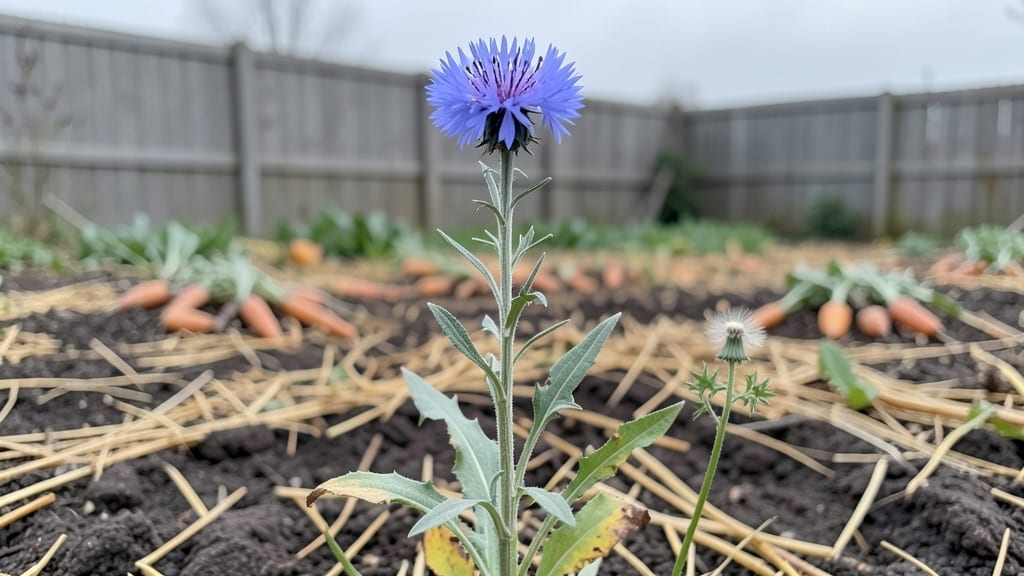
Cornflowers in garden designs transform any space into a butterfly magnet with their striking blue spikes that bloom from early summer until frost. 🌻 I’ll never forget the first time I planted them—my front yard became a riot of color, and the butterflies arrived within days.
These hardy annuals aren’t just pretty; they’re a pollinator powerhouse, drawing bees, bees, and beneficial insects that keep your garden thriving.
The secret to their impact lies in strategic spacing and layering. Plant them in clusters of 5-7 stems for drama, or mix them with lavender, poppies, and yarrow for a wildflower meadow look.
Their 3-4 foot height makes them perfect for back borders or cottage-style gardens, where they soften fences and add vertical interest. For a pop of color earlier in the season, pair them with snapdragons or sweet peas—their blooms will bridge the gap until cornflowers take center stage.
By midsummer, your garden will be alive with movement as butterflies flutter between the deep blue blooms, and the air will hum with pollinators. The flowers also dry beautifully, so you can bring their bold hue indoors in late summer arrangements.
Whether you’re going for a rustic cottage vibe or a modern pollinator garden, cornflowers deliver effortless elegance with minimal fuss.
They thrive in full sun and well-draining soil, so even beginners can’t go wrong. For a longer blooming season, deadhead spent flowers occasionally—though I often skip this step, and they still perform beautifully. The key is letting them seed out naturally to attract even more wildlife next year.
📚 In This Guide
- What you need
- Instructions
- Tips and common mistakes
- Wrapping up and next steps
What you need
- ● Cornflower seeds: 50–100 seeds (or 1–2 seed packets for a small garden; 3–5 packets for larger spaces). Choose Centaurea cyanus for classic blue blooms.
- ● Well-draining soil: Loamy or sandy soil with a pH of 6.0–7.5. Amend heavy clay with compost (1–2 inches mixed into the top 6 inches of soil).
- ● Sunlight access: A full-sun location (6+ hours of direct sunlight daily). Partial shade may work but reduces blooms.
- ● Watering can or hose: With a gentle spray nozzle for even moisture.
- ○ Garden gloves (optional but recommended): To protect hands while handling soil or seeds.
- ● Hand trowel or transplanting spade: For digging small holes (1/4 inch deep for seeds, 6–8 inches deep for transplants).
- ● Rake or hoe: To loosen soil and create a smooth seedbed.
- ● Measuring tape or ruler: For spacing seeds/transplants (12–18 inches apart in rows 18–24 inches apart).
- ● Mulch (straw or shredded leaves): 1–2 inches thick to retain moisture and suppress weeds (apply after germination).
- ● Slow-release fertilizer: 10-10-10 or 5-10-10 (sprinkle lightly at planting time).
- ● Butterfly-friendly companions: Marigolds, cosmos, or lavender (plant 1–2 feet away to attract pollinators).
- ● Seed-starting kit (if sowing indoors): Includes trays, seedling mix, and humidity domes.
- ● Stakes or cages: For tall varieties (3–4 feet) to prevent flopping in wind.
How to grow stunning cornflower blooms that draw pollinators
Here's my foolproof approach for planting and maintaining these cheerful blue spires all season long.
🌱 Step 1: Choose the Perfect Planting Location
Cornflowers thrive in full sun—at least 6-8 hours daily. Scout your garden for a spot with well-draining soil where they'll receive maximum light exposure. I always look for areas that get morning sun and afternoon shade if your climate runs hot, as this prevents the delicate blooms from scorching.
Test your soil's drainage by digging a 6-inch deep hole and filling it with water. If it drains completely within 2 hours, your soil is suitable. Poor drainage leads to root rot, which will kill your cornflowers before they even bloom. If your soil drains slowly, amend it with 2-3 inches of coarse sand or perlite mixed into the top 12 inches.
🌱 Step 2: Prepare the Soil and Plant Seeds
Cornflower seeds need minimal soil preparation—just break up any compacted areas with a garden fork. Scatter seeds ¼ inch deep and 12-18 inches apart in rows 18-24 inches apart for proper air circulation. I like to plant them in drifts of 5-7 seeds per square foot for a natural, cottage-garden look.
Lightly cover the seeds with soil and water gently but thoroughly. Avoid disturbing the seeds once planted, as cornflowers have a deep taproot that establishes quickly. If you're planting in late summer for a fall display, start seeds indoors 6-8 weeks before the first frost date and transplant seedlings when they reach 3-4 inches tall.
☀️ Step 3: Maintain with Minimal Care
Water cornflowers deeply once a week during dry spells, allowing the top 2 inches of soil to dry out between waterings. Overwatering causes the stems to weaken, making them prone to lodging (falling over). You'll know they need water when the leaves begin to droop slightly in the afternoon heat.
Fertilize lightly at planting with a balanced 10-10-10 granular fertilizer, then repeat in early summer. Cornflowers are drought-tolerant once established, but a light feeding encourages those bold blue blooms. Deadhead spent flowers to prolong blooming, but leave some seed heads for butterflies and birds—cornflowers are a magnet for pollinators.
✂️ Step 4: Protect and Preserve for Next Year
In late fall, cut back the foliage to 2 inches above ground level to tidy the garden. Cornflowers are self-seeding, so many will resprout naturally the following spring. If you want to ensure a fresh batch, collect seeds from the dried seed heads in late summer and store them in a cool, dry place until planting time.
Watch for powdery mildew in humid climates—it appears as a white, powdery coating on leaves. Improve air circulation by spacing plants properly and avoid overhead watering. If mildew appears, treat with a fungicide or remove affected leaves immediately. With proper care, your cornflowers will reward you with vibrant blooms from early summer through fall.
Tips & tricks for growing vibrant cornflower gardens
These practical insights will help you cultivate cornflowers that thrive and flourish throughout the growing season.
Sunlight Strategy: While cornflowers need at least 6-8 hours of sunlight daily, I've found that positioning them where they receive morning sun and afternoon shade in hot climates prevents the petals from burning. If your garden gets intense afternoon sun, consider planting near taller perennials that provide natural shade during peak heat hours. This simple adjustment can make a dramatic difference in bloom health and longevity.
Soil Preparation Secret: The 2-hour drainage test in Step 1 is crucial—don't skip it! I've seen cornflowers fail spectacularly when planted in heavy clay soils that retain moisture. For clay-heavy gardens, mix in 2-3 inches of coarse sand or perlite into the top 12 inches of soil before planting. This creates the perfect airy environment cornflower roots love, preventing that dreaded root rot that can kill plants before they even bloom.
Planting Pattern: When creating those beautiful drifts of 5-7 seeds per square foot, I recommend using a simple string-and-stakes method to maintain consistent spacing. Stretch a string between stakes and plant seeds along the string at 12-18 inch intervals. This ensures proper air circulation between plants, which is especially important in humid climates where fungal diseases like powdery mildew can become an issue.
Watering Wisdom: The once-weekly deep watering recommendation works beautifully, but I've learned that checking for drooping leaves in the afternoon is the most reliable indicator. Cornflowers are surprisingly drought-tolerant once established, but their stems can weaken dramatically if overwatered. I've seen entire rows lodge (fall over) from excessive moisture, so it's better to underwater slightly than to overdo it.
Pro Tips for Cornflowers In Garden
- These practical insights will help you cultivate cornflowers that thrive and flourish throughout the growing season.
- Sunlight Strategy: While cornflowers need at least 6-8 hours of sunlight daily, I've found that positioning them where they receive morning sun and afternoon shade in hot climates prevents the petals from burning.
- Soil Preparation Secret: The 2-hour drainage test in Step 1 is crucial—don't skip it!
Frequently asked questions
Got questions about growing cornflowers in your garden? You’re not alone! Here are some of the most common queries—plus quick, expert-backed answers to help you cultivate these stunning blue beauties with confidence.
When is the best time to plant cornflowers?
Cornflowers thrive when planted in early spring (after the last frost) or late summer (for fall blooms). For direct sowing, aim for soil temps above 50°F (10°C). If starting indoors, seed them 6–8 weeks before the last frost. Pro tip: They’re hardy and self-seed easily, so you might spot volunteers popping up in subsequent seasons!
How long does it take for cornflowers to bloom?
From seed to bloom, cornflowers typically take 60–90 days, depending on your climate and growing conditions. For faster results, opt for transplants (available at nurseries). Once established, they’ll reward you with bold blue spikes from mid-summer to early fall. Bonus: Deadheading spent blooms encourages more flowers!
Are cornflowers good for attracting butterflies and bees?
Cornflowers are a magnet for pollinators, especially butterflies, bees, and hoverflies. Their nectar-rich blooms provide essential fuel for migrating monarchs and local species. Plant them near other pollinator-friendly flowers (like marigolds or coneflowers) to create a butterfly buffet.
Can I grow cornflowers in containers or small gardens?
Yes! Cornflowers adapt well to containers, window boxes, and small gardens—just ensure the pot has good drainage and is at least 6–8 inches deep. They’re drought-tolerant once established, making them perfect for urban gardens or balconies. Pair them with other tall, drought-resistant plants (like lavender or catmint) for a striking display.
Why aren’t my cornflower seeds germinating?
Cornflower seeds need light to germinate—don’t bury them! Sprinkle them on top of moist, well-draining soil and press lightly. If germination is slow, check for:
- Temperature: Seeds prefer 60–70°F (15–21°C). Use a heat mat if needed.
- Moisture: Keep soil consistently damp (not soggy) until sprouts appear.
- Patience: Germination can take 10–21 days—don’t give up!
What colors do cornflowers come in besides blue?
While vibrant blue is their signature, cornflowers also bloom in:
- Deep purple (nearly black)
- Pink (rare, but available in heirloom varieties)
- White (a stunning contrast)
Wrapping up and next steps
Cornflowers bring vibrant color, effortless beauty, and a buzzing garden ecosystem with their striking blue blooms and butterfly magnetism. Whether you’re a seasoned gardener or just starting, these hardy annuals are a game-changer for adding drama and pollinator-friendly charm to your outdoor space. 🌸
Ready to transform your garden? Grab your seeds, pick a sunny spot, and get planting—your future visitors (and butterflies!) will thank you. Happy gardening! 🌿