
Flowers
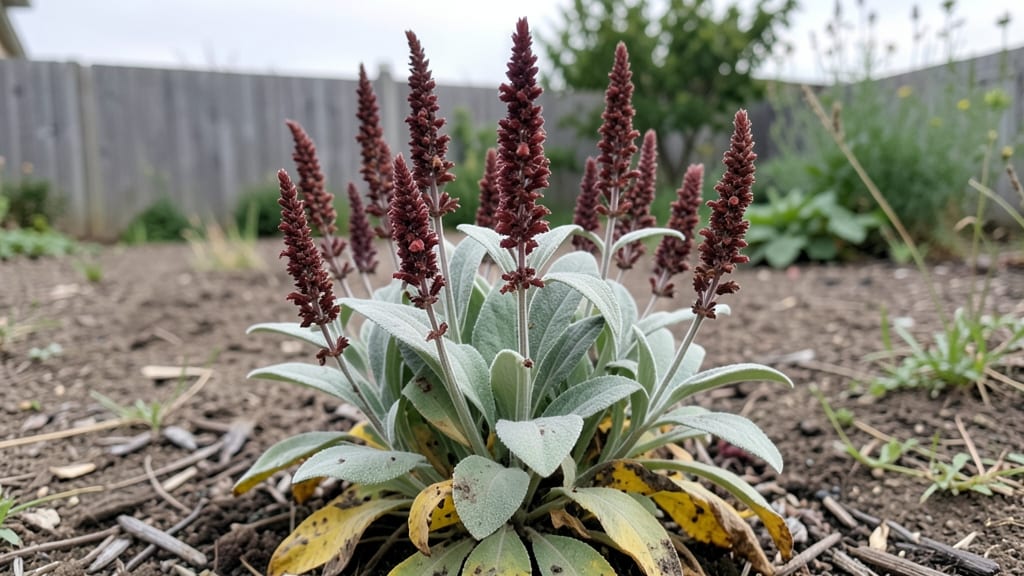
Copper-colored flowers bring fire to the Pacific Northwest’s drizzly days—those fiery blooms punch through mist like tiny lanterns. 🌿 I’ve been obsessed with Cuphea and Salvia ever since I spotted them lighting up a friend’s garden during a late-September drizzle.
Their deep russet and bronze hues refuse to fade, even when other flowers bow to the first frost.
These plants aren’t just pretty—they’re tough. Most thrive in zones 7-10, but some varieties like Coreopsis handle cooler climates too. They love full sun but tolerate partial shade, making them perfect for sunny borders or woodland edges where other flowers struggle.
Pair them with silver foliage plants like lamb’s ear or dusty miller to make their copper tones pop even more.
Imagine a garden where every bloom feels like a warm hug on a chilly afternoon. Copper flowers do exactly that—they draw the eye, attract hummingbirds, and keep your garden vibrant well into autumn. They’re low-maintenance too, needing just consistent moisture and occasional deadheading to keep them flowering all season.
For a showstopping display, plant them in clusters along pathways or as a striking backdrop for perennials. Their bold colors work especially well in autumnal gardens or as focal points near patios. Once you see how they transform a space, you’ll never want to garden without them again.
📚 In This Guide
- What you need
- Instructions
- Tips and common mistakes
- Wrapping up and next steps
What you need
- ● Copper-colored flowers: 1–5 Heuchera (Coral Bells) plants (varieties like 'Fire Chief' or 'Lime Rickey')
- ● 1–3 Sedum (Stonecrop) plants (e.g., 'Autumn Joy' or 'Angelina')
- ● 1–2 Bergenia (Piggyback Plant) bulbs (e.g., 'Bressingham White')
- ● 1–3 Grasses like Carex 'Evergold' or Festuca 'Blue Fountain' (for contrast)
- ● Garden soil: 1–2 bags of well-draining, acidic soil mix (pH 5.0–6.5) or compost
- ● Mulch: 2–3 cubic feet of pine bark or cedar chips (to retain moisture and protect roots)
- ● Fertilizer: 1–2 cups of slow-release, balanced fertilizer (10-10-10 or organic options like fish emulsion)
- ● Watering can or hose: With a gentle spray nozzle for hydration
- ● Hand trowel or transplanting spade (for digging)
- ● Garden gloves (to protect your hands from thorns or soil)
- ● Pruning shears (for shaping and deadheading)
- ● Sunlight access: Partial to full shade (6+ hours of dappled light for most PNW varieties)
- ● Frost-resistant zone: USDA Zones 3–8 (ideal for PNW climates!)
- ● Decorative copper-colored pots (for container gardening)
- ● Slow-release watering globes (to reduce maintenance)
- ● Natural rock or pebble accents (to enhance the fiery look)
- ● Companion plants like ferns or hostas (to complement the copper tones)
Step-by-Step guide to designing a copper-focused garden in the Pacific Northwest
Here’s how to create a stunning, frost-tolerant display using bold copper-hued blooms.
🌱 Step 1: Select Frost-Resistant Copper Flowers
Start with plants known for their coppery foliage and blooms that thrive in the Pacific Northwest’s cool, damp climate. My top picks include Copper Canyon Daisy (Rudbeckia fulgida 'Goldsturm'), Copper Beech trees (Fagus sylvatica 'Cuprea'), and Copper Leaves Coral Bells (Heuchera 'Palace Purple'). These varieties handle frost better than most and keep their rich tones year-round.
Check the USDA hardiness zone for each plant—most copper-hued perennials thrive in zones 4-9, perfect for the PNW. Avoid tropical varieties that won’t survive winter. I always plant at least 3-5 of each type to create a cohesive look and ensure continuous color.
☀️ Step 2: Plan for Sunlight and Moisture Needs
Copper-colored foliage and flowers often need full sun to partial shade, depending on the variety. For example, Copper Beech trees prefer partial shade to protect their vibrant leaves, while Copper Canyon Daisies thrive in full sun. Group plants with similar light needs together to simplify care.
The Pacific Northwest’s frequent rain means good drainage is critical. Amend your soil with 2-3 inches of compost to improve drainage while retaining moisture. Avoid soggy soil—copper foliage can develop brown edges if roots sit in water. Test your soil’s pH; most copper-hued plants prefer slightly acidic to neutral (6.0-7.0).
🪴 Step 3: Plant with Layered Color and Texture
Create depth by layering copper plants with complementary colors. Pair deep purple Heuchera with golden sedum or silver-blue lamb’s ear to make the copper tones pop. Place taller plants like Copper Beech trees at the back, mid-height shrubs in the middle, and low-growing perennials like Copper Leaves Coral Bells in the front.
Space plants according to their mature size—most copper-hued perennials need 18-24 inches of space between them. Mulch with 3-4 inches of shredded bark mulch to protect roots from winter frost and retain moisture. Water deeply after planting to settle the soil around roots.
✂️ Step 4: Prune and Maintain for Year-Round Color
Prune copper-hued perennials in early spring to remove dead foliage and encourage new growth. For Copper Canyon Daisies, cut back stems by one-third after they finish blooming in late summer. Avoid heavy pruning in fall—this can stress plants before winter.
Fertilize lightly in early spring with a balanced, slow-release fertilizer (10-10-10). Too much nitrogen can dilute the copper tones in foliage. Monitor for pests like aphids or spider mites—copper plants are generally pest-resistant, but a strong spray of water usually clears minor infestations.
Tips & tricks for perfect copper-colored gardens
Creating a stunning copper garden takes more than just planting—it’s about understanding the unique needs of these vibrant plants. Here’s how to elevate your design and keep those rich tones glowing year after year.
Layering for Maximum Impact: In Step 3, when you’re arranging your copper plants, don’t just focus on the copper tones—think about how they’ll interact with other colors. The deep purple of Heuchera creates a striking contrast that makes copper foliage pop even more. I like to place Copper Beech trees at the back of borders because their height and texture anchor the design while letting smaller perennials shine in front. This layered approach isn’t just about looks; it also mimics natural ecosystems where different plant heights create microclimates that benefit each other.
Soil Secrets for Vibrant Foliage: The instructions mention amending soil with 2-3 inches of compost, but here’s the thing about copper plants—they’re sensitive to soil chemistry. Test your soil’s pH before planting (aim for 6.0-7.0) and consider adding a handful of sulfur if your soil tests alkaline. I’ve seen copper tones fade dramatically in alkaline conditions. Also, avoid fresh manure—it can raise pH levels and burn delicate roots. Instead, stick with well-aged compost and a light application of iron sulfate if your foliage starts looking dull.
Pruning Precision: When it comes to Step 4’s pruning instructions, timing is everything. For Copper Canyon Daisies, I cut back stems by one-third right after they finish blooming—not before. This gives the plant time to store energy in its roots for next year’s growth. And here’s a pro move: use sharp, clean shears and make cuts at a 45-degree angle just above a leaf node. This prevents disease and encourages bushier growth. For Copper Beech trees, avoid pruning in fall entirely—wait until late winter when the tree is dormant to minimize stress.
Winter Protection Strategy: The PNW’s winters can be harsh, especially for newer plants. After your initial planting, apply an extra 2-3 inches of mulch around the base of your copper plants in late fall. I like to use shredded cedar mulch because it not only insulates roots but also repels pests. For young Copper Beech trees, wrap the trunk in tree guard to prevent rodent damage. And don’t forget to water deeply before the first hard freeze—hydrated roots are better equipped to handle winter’s chill. This extra care pays off with vibrant spring regrowth.
Pro Tips for Copper Colored Flowers
- Creating a stunning copper garden takes more than just planting—it’s about understanding the unique needs of these vibrant plants.
- Layering for Maximum Impact: In Step 3, when you’re arranging your copper plants, don’t just focus on the copper tones—think about how they’ll interact with other colors.
- Soil Secrets for Vibrant Foliage: The instructions mention amending soil with 2-3 inches of compost, but here’s the thing about copper plants—they’re sensitive to soil chemistry.
Frequently asked questions
Got questions about growing or caring for copper-colored flowers in the Pacific Northwest? You’re not alone! Here are some of the most common queries—and their answers—to help you cultivate stunning, frost-resistant blooms with ease.
What are the best copper-colored flowers for cold climates like the PNW?
Opt for hardy varieties like Copper Canyon Daisy (Rudbeckia fulgida), Copper Beech (Fagus sylvatica 'Purpurea') foliage, or Copper King Ornamental Grass (Pennisetum alopecuroides 'Little Bunny'). These thrive in zones 5–9, handle frost, and add fiery hues to gardens year-round.
How do copper flowers handle frost and winter?
Most copper-toned perennials and grasses are frost-resistant, but mulch around their bases in late fall to insulate roots. Evergreens like Copper Beech retain color even in winter, while tender annuals (like Copper Lace Vine) may need winter protection or replanting each spring.
Can I grow copper flowers in containers?
Try Copper King Grass or Copper Princess Coral Bells (Heuchera) in pots with well-draining soil. Ensure containers are at least 12" deep, use a frost-proof pot, and move them indoors or wrap them in burlap if temperatures drop below 20°F.
How do I keep copper flowers from fading or losing color?
Color intensity fades with heat or drought. Water deeply 1–2 times weekly (more in summer) and fertilize with a balanced, iron-rich formula in early spring. Prune dead blooms regularly to encourage vibrant regrowth.
What are some copper-colored flower alternatives if my garden lacks sun?
Shade-tolerant options include Copper Princess Heuchera (with striking foliage), Copper Beech trees, or Copper Canyon Daisy in partial shade. For annuals, try Copper Lace Vine in hanging baskets near windows or patios.
Wrapping up and next steps
Copper-colored flowers aren’t just a stunning addition to your Pacific Northwest garden—they’re durable, low-maintenance, and packed with personality. From hardy Heuchera to fiery Sedum, these bold blooms thrive in frost and add warmth to chilly climates.
Whether you’re a seasoned gardener or just starting, their resilience makes them a must-try for any outdoor space.
Ready to transform your garden? Start small—pick one copper-hued plant to test, or mix a few for a dramatic effect. Grab your gloves, and let your creativity bloom! 🌿✨