Flowers
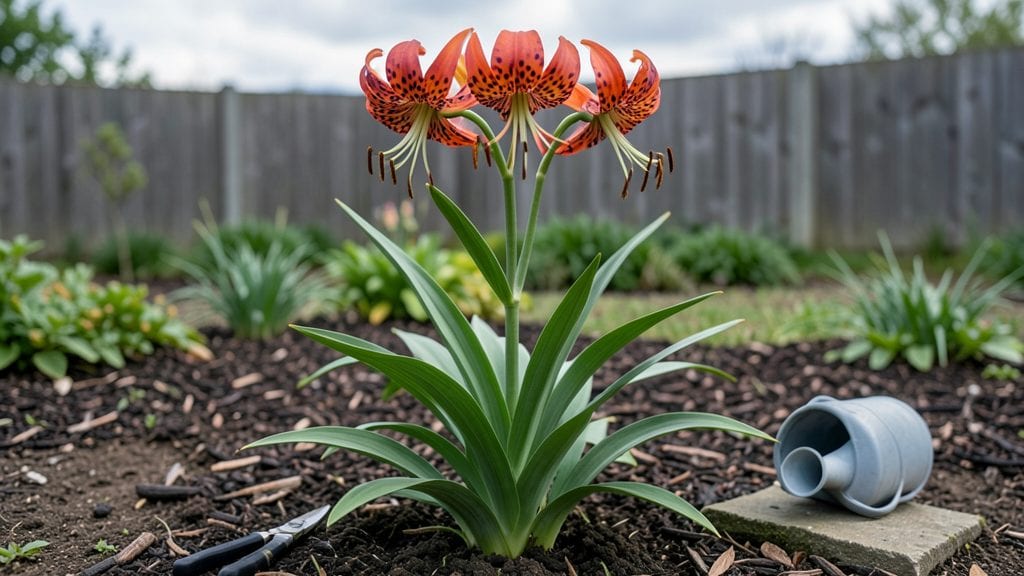
The fiery red tiger lily flower bursts from your Pacific Northwest garden like a summer firework, its 6-foot stems piercing the air with dramatic orange-red blooms that hummingbirds can’t resist. 🌿 The first time I planted them near my patio, I was... stunned—how something so tall could feel so effortless to grow.
These aren't fussy divas; they thrive in the region's mild summers and rainy winters, as long as you get the soil and sunlight right.
You'll need well-draining soil (amend heavy clay with compost) and a spot with full sun to partial shade—morning sun and afternoon shade works best in hotter microclimates. Plant bulbs 6 inches deep in early fall (September-October) or early spring, spacing them 12 inches apart to prevent overcrowding.
The secret to their longevity? Less water than you think—they hate soggy roots, so let the soil dry slightly between waterings once established.
By midsummer, you'll have clusters of trumpet-shaped blooms that sway in the breeze, each one a magnet for pollinators. The foliage stays green until frost, and the bulbs return year after year with proper care.
Even better? They naturalize over time, spreading into striking drifts that outshine annuals. The only real mistake to avoid is planting them in low spots where water pools—drainage makes or breaks these beauties.
Perfect for cutting gardens, cottage-style borders, or as a dramatic backdrop for shorter perennials like asters or daylilies. Once they're established, they're nearly maintenance-free—just deadhead spent blooms to encourage more flowers and divide congested clumps every 3-4 years.
Your garden will never look the same after these bold vertical stars take center stage.
📚 In This Guide
- What you need
- Instructions
- Tips and common mistakes
- Wrapping up and next steps
What you need
- ● Red Tiger Lily Bulbs: 5–10 bulbs per square yard (choose Lilium lancifolium or hybrid varieties like 'Red Beauty').
- ● Well-draining soil: Mix in 2–3 inches of compost or organic matter (e.g., aged manure or leaf mold) to improve fertility.
- ● Sunlight: Full sun (6+ hours/day) for optimal growth; partial shade (4–6 hours) in hotter PNW summers.
- ● Watering can or hose: With a gentle spray nozzle for deep but controlled watering.
- ● Mulch: 2–3 inches of wood chips or straw to retain moisture and suppress weeds.
- ● Garden gloves: To protect hands while handling bulbs or soil.
- ○ Stakes or cages (optional): For taller varieties (3–6 feet), use 4–6 stakes per plant to support stems.
- ● Slow-release fertilizer: 5-10-10 NPK ratio (sprinkle lightly at planting and mid-season).
- ● Pest deterrents: Neem oil or insecticidal soap to combat aphids or spider mites.
- ● Pruners: Sharp, clean pair for deadheading spent blooms or cutting foliage.
- ● Rain gauge: To monitor watering needs (tiger lilies prefer consistent moisture but hate soggy roots).
How to grow red tiger lilies for dramatic Pacific Northwest gardens
Here's how to cultivate these showstopping blooms with bold height and fiery color.
🌱 Step 1: Choose the Perfect Planting Location
Red tiger lilies thrive in partial shade to full sun—the Pacific Northwest's mix of sun and cloud cover makes them ideal. Pick a spot with morning sun and afternoon shade to prevent leaf scorch while ensuring strong stems. The 6-8 feet tall blooms need room to grow, so avoid planting near structures or other tall plants that could block their dramatic vertical presence.
Soil should be well-draining—tiger lilies hate soggy roots. Amend heavy clay soil with 2-3 inches of compost to improve drainage. I always test soil pH first; these lilies prefer slightly acidic to neutral (6.1-7.0). If your soil runs alkaline, add sulfur to adjust before planting.
🪴 Step 2: Plant Bulbs at the Right Depth and Spacing
Plant red tiger lily bulbs in early fall, about 6-8 weeks before the first frost. Dig holes 6 inches deep and space bulbs 12-18 inches apart—this gives them room to develop strong root systems before spring. The bulbs should sit with their noses (pointy ends) facing up—planting them upside down will delay or prevent flowering.
Cover bulbs with 2-3 inches of soil, then water deeply to settle the soil around them. Mulch with 2-3 inches of straw or shredded leaves to insulate bulbs through winter. I like to mark planting spots with small flags so I don’t accidentally dig them up later. These bulbs multiply over time, so expect clusters of blooms in future years.
☀️ Step 3: Provide Consistent Moisture and Support
Water newly planted bulbs once a week during their first growing season, keeping soil evenly moist but not soggy. Once established, red tiger lilies are drought-tolerant but produce best with regular watering—aim for 1 inch of water per week during the growing season. The Pacific Northwest's rainy winters usually handle this, but summer droughts may require supplemental watering.
These towering blooms need sturdy support—install 6-foot tall stakes or rings at planting time. The heavy flower spikes can bend or snap in wind or rain. I like to weave jute twine through the stems as they grow for extra stability. Deadhead spent blooms to encourage more flowers and prevent self-seeding, which can become invasive.
✂️ Step 4: Divide and Maintain for Long-Term Growth
Every 3-4 years, dig up and divide tiger lily clumps in early fall to prevent overcrowding. Lift bulbs carefully, separate the offsets (smaller bulbs), and replant the largest ones immediately. Discard any soft or mushy bulbs—these are diseased and will spread problems. Replant offsets 12 inches apart and water thoroughly after division.
Fertilize once in early spring with a balanced 10-10-10 fertilizer to encourage strong foliage and blooms. Avoid high-nitrogen fertilizers—they produce lots of leaves but few flowers. In late summer, after blooming, apply a low-nitrogen, high-phosphorus fertilizer to strengthen next year’s buds. Watch for lily beetles—handpick adults and larvae to protect your plants.
Tips & tricks for perfect red tiger lily planting
These insights will help you avoid common pitfalls and maximize the dramatic impact of your Pacific Northwest garden centerpieces.
Soil Preparation Insight: The 2-3 inches of compost I recommend isn't just about drainage—it's about creating a nutrient-rich environment that mimics the forest floor these lilies evolved in. For heavy clay soils common in the PNW, mix in 10% perlite with your compost to prevent compaction. I've found that amending alkaline soils with sulfur takes about 3-4 weeks to show pH changes, so test again before planting if your soil runs hotter than 7.0.
Planting Depth Technique: When planting those 6-inch deep holes, use a bulb planter or even a long screwdriver to create perfectly vertical holes—this prevents bulbs from sitting at angles that could cause uneven growth. I've seen bulbs planted at 45-degree angles produce lopsided stems that struggle to support their own weight. The pointy end up is non-negotiable: I've had bulbs planted upside down that took two full growing seasons to finally bloom.
Watering Strategy: That 1-inch weekly watering guideline is perfect for established plants, but newly planted bulbs need more frequent attention. After planting, water every 3-4 days until you see new shoots emerge—this establishes the root system before dormancy. In the PNW's rainy winters, I often reduce watering to every 10-14 days once established, letting nature handle it while protecting against root rot.
Support System Hack: For those 6-foot tall stakes, I've found that bamboo stakes work beautifully and are more affordable than metal rings. The key is installing them at planting time—waiting until stems emerge means you'll be fighting to insert stakes without damaging roots. I like to weave the jute twine through the stems in a figure-8 pattern for maximum stability, especially in our windy coastal regions.
Pro Tips for Red Tiger Lily Flower
- These insights will help you avoid common pitfalls and maximize the dramatic impact of your Pacific Northwest garden centerpieces.
- Soil Preparation Insight: The 2-3 inches of compost I recommend isn't just about drainage—it's about creating a nutrient-rich environment that mimics the forest floor these lilies evolved in.
- Planting Depth Technique: When planting those 6-inch deep holes, use a bulb planter or even a long screwdriver to create perfectly vertical holes—this prevents bulbs from sitting at angles that could cause uneven growth.
Frequently asked questions
Got questions about growing and caring for red tiger lilies? You’re not alone! Here are some of the most common queries—plus quick answers to help you cultivate these showstopping blooms with confidence.
When is the best time to plant red tiger lilies in the Pacific Northwest?
The ideal window is late spring to early summer (May–June) after the last frost. This timing lets roots establish before winter. If planting in fall, do so 6–8 weeks before the first frost—just avoid soggy soil. Pro tip: Bare-root bulbs thrive when planted deeper than other lilies (6–8 inches), so dig a generous hole!
How do I protect red tiger lilies from rain and wind in the PNW?
These lilies are tougher than they look, but heavy rain or wind can flop stems. Stake tall varieties (3–4 feet) with bamboo stakes or spiral ties at planting. For extra wind protection, tuck them near a hedge or fence. Mulch heavily (3–4 inches) to keep roots stable. Warning: Avoid plastic mulch—it traps moisture and invites rot.
What pests or diseases should I watch for with red tiger lilies?
Common culprits include lily beetles (bright red larvae) and thrips (silver streaks on petals). Handpick beetles or spray with neem oil. For fungal issues (like botrytis), improve airflow and avoid overhead watering. Prevention tip: Plant in full sun (6+ hours/day) to deter pests and diseases.
Can I grow red tiger lilies in containers? What’s the best setup?
Yes! Use a large pot (12+ inches deep) with drainage holes and a mix of potting soil + compost. Choose a wide, stable container (they topple easily when mature). Repot every 2–3 years to refresh soil. Bonus: Container-grown lilies bloom earlier than ground-planted ones!
How do I divide and propagate red tiger lilies?
Divide clumps in early spring or fall when foliage is dormant. Gently dig up the bulb, separate offsets (baby bulbs) with roots attached, and replant immediately. Space divisions 12–18 inches apart. Key rule: Never divide lilies more than every 3–4 years—overdoing it stresses the plant.
What are some striking companion plants for red tiger lilies?
Pair them with ornamental grasses (like Miscanthus), black-eyed Susans, or purple coneflowers for contrast. Avoid aggressive spreaders (e.g., mint) or plants with similar water needs (e.g., hostas). Design hack: Plant shorter perennials in front to highlight their dramatic height!
Wrapping up and next steps
The red tiger lily isn’t just a flower—it’s a statement of bold beauty and effortless drama for your Pacific Northwest garden. 🌸 With its striking height, fiery hues, and low-maintenance charm, it’s the perfect way to add vertical interest and year-round intrigue to your outdoor space.
Whether you’re a seasoned gardener or just starting, this vibrant bloomer makes transforming your yard into a showstopper simpler than ever.
Ready to bring the drama? Start by sketching your dream garden layout or browsing local nurseries for red tiger lilies—your future masterpiece is just a few bulbs away! 🌿