
Planting
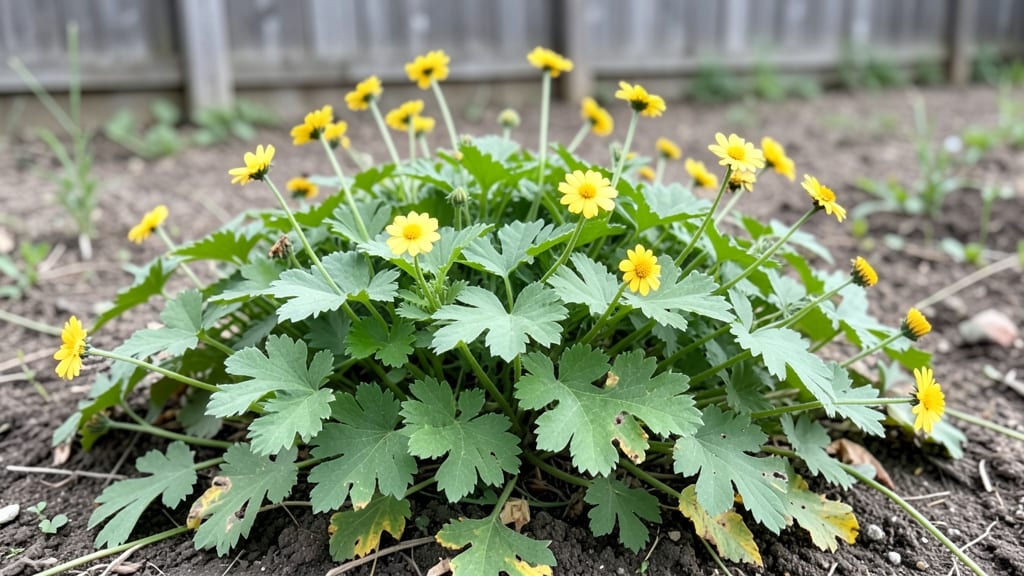
The chocolate flower plant transforms your garden into a fragrant paradise with its rich, cocoa-scented blooms—perfect for Pacific Northwest gardens where cool climates and mild summers create ideal conditions. 🌿 I remember the first time I walked past one in full bloom and was instantly transported to a cozy afternoon with a steaming cup of hot chocolate.
The secret to growing these stunning plants lies in mimicking their natural habitat: well-draining soil, plenty of sunlight, and just enough water to keep roots happy without drowning them.
This hardy perennial thrives in USDA Zones 7-11, making it a standout choice for gardeners in the Pacific Northwest who want frost-resistant blooms that keep coming back year after year.
Start with a sunny spot—at least 6 hours of direct sunlight daily—and prepare the soil with a mix of native soil and compost. The chocolate flower plant’s deep roots appreciate good drainage, so avoid heavy clay unless you amend it with sand or perlite.
Once established, it’s surprisingly low-maintenance, making it ideal for both experienced gardeners and beginners eager to add a sensory delight to their outdoor space.
You’ll be rewarded with clusters of tiny, daisy-like flowers that release their signature chocolatey fragrance when touched or brushed by the wind. The blooms attract pollinators like bees and butterflies, turning your garden into a buzzing, fragrant haven.
Prune back leggy stems in early spring to encourage bushier growth, and deadhead spent blooms to prolong the flowering season. With the right care, your chocolate flower plant will flourish for years, filling your garden with a scent that’s as inviting as it is unexpected.
Whether you’re planting in a sunny border, a container on your patio, or even as a fragrant hedge, this versatile plant adapts beautifully. In cooler climates, a little extra mulch in winter helps protect the roots from frost.
For indoor growers, place it near a bright window or under grow lights—just be prepared for smaller blooms compared to outdoor plants. The key is patience; give it time to establish, and it will repay you with a garden that smells as good as it looks.
📚 In This Guide
- What you need
- Instructions
- Tips and common mistakes
- Wrapping up and next steps
What you need
- ● Seeds or nursery-grown plants: 3–5 seeds (or 1–2 young plants) for optimal coverage.
- ● Well-draining potting mix: 10–15 lbs of a blend with 50% compost and 50% perlite/sand (for aeration).
- ● Container or garden bed: For containers: 5–7 gallon pots with drainage holes (1 pot per plant).
- ● For in-ground planting: A sunny, slightly sloped spot (to avoid water pooling).
- ● Organic fertilizer: Balanced 10-10-10 or a slow-release granular formula (1 tbsp per plant).
- ● Mulch: 2–3 inches of shredded bark or straw to retain moisture and regulate soil temp.
- ● Hand trowel (for transplanting seedlings).
- ● Garden gloves (to protect hands from prickly stems).
- ● Watering can or hose with gentle spray nozzle (avoid overwatering!).
- ● Pruning shears (for shaping mature plants in late winter).
- ○ Optional: Drip irrigation system (for automated watering in dry spells).
- ● Epsom salt (1 tsp per gallon of water monthly for magnesium boost).
- ● Companion plants like lavender or catmint (to attract pollinators!).
Step-by-Step guide to growing chocolate flower plants in your Pacific Northwest garden
Here's how to cultivate these fragrant, cold-hardy beauties with minimal fuss.
🌱 Step 1: Choose the Perfect Planting Spot
Chocolate flower (Berlandiera lyrata) thrives in full sun to partial shade, but in the Pacific Northwest's cooler climate, morning sun and afternoon shade works best. Look for a spot with well-draining soil—these plants hate soggy roots. I always test drainage by digging a hole, filling it with water, and watching how quickly it drains. If water lingers past 30 minutes, amend the soil with 1-2 inches of coarse sand or gravel.
These plants are drought-tolerant once established, so avoid low-lying areas where frost or cold air pools. A slight slope helps prevent water accumulation. If your garden has heavy clay soil, mix in 2-3 inches of compost to improve texture before planting. The goal is loose, crumbly soil that lets air reach the roots.
🪴 Step 2: Plant at the Right Time and Depth
Spring is ideal for planting chocolate flowers in the Pacific Northwest—after the last frost date (usually mid-April to early May). If starting from seeds, sow them ¼ inch deep in early spring or late summer. For transplants, dig a hole twice as wide as the root ball but no deeper. The top of the root ball should sit level with the surrounding soil—burying too deep causes rot.
Space plants 12-18 inches apart to allow airflow and prevent fungal issues. I tap the sides of the hole gently to settle the soil around roots, then water deeply to remove air pockets. A good rule of thumb: water until the soil 1 inch below the surface feels moist. This helps the plant establish quickly without shock.
☀️ Step 3: Water and Mulch for Frost Resistance
Water deeply once a week during the first growing season, letting the soil dry slightly between waterings. Chocolate flowers store water in their thick leaves, so overwatering is worse than underwatering. After the first year, these plants need very little water—once every 2-3 weeks in dry spells. The secret to their frost resistance? A 2-3 inch layer of mulch around the base (but not touching the stems).
Use straw or shredded bark mulch—it breaks down slowly and improves soil over time. Mulch helps regulate soil temperature, keeping roots warmer in winter and cooler in summer. In the Pacific Northwest's rainy season, mulch also prevents soil compaction from foot traffic. Replenish mulch annually in early spring to maintain protection.
✂️ Step 4: Prune and Deadhead for Long-Lasting Blooms
Prune back leggy stems in early spring to encourage bushier growth. I snip just above a set of healthy leaves, using clean, sharp shears. This also removes any winter-damaged foliage. Chocolate flowers bloom prolifically from late spring through fall, so deadhead spent blooms regularly to encourage more flowers. Simply pinch off faded blossoms at the base—no need for pruning shears.
If plants spread too aggressively, divide them in early spring or fall. Dig up clumps, separate the roots gently, and replant sections immediately. These plants handle division well, and you'll end up with more fragrant blooms for your garden. Just avoid dividing during extreme heat or cold—roots need time to recover.
Tips & tricks for perfect chocolate flower plant cultivation
Between us, these fragrant plants are easier to grow than you'd think—once you know the little tricks that make all the difference in the Pacific Northwest's unique climate.
Soil Test Secret: That 30-minute drainage test in Step 1 is your best friend. If water disappears faster than 30 minutes, you're golden—your soil drains perfectly. If it's still wet after an hour, mix in more sand or gravel until you achieve that ideal drainage. I've seen chocolate flowers thrive in amended clay soil, but soggy roots will kill them faster than you can say "frost damage." The goal is soil that feels like a damp sponge, not a swamp.
Timing is Everything: When planting in Step 2, mark your calendar for the last frost date (usually mid-April to early May in the PNW). If you're seeding, don't wait until summer—late summer sowing works too, but spring gives plants more time to establish before winter. For transplants, that 12-18 inch spacing isn't just about looks—it prevents fungal diseases by ensuring proper airflow between plants. I've seen powdery mildew appear when plants are crowded, so give them room to breathe.
Mulch Magic: That 2-3 inch layer of mulch in Step 3 does more than protect from frost. In summer, it keeps roots cool during our hot spells, and in winter, it acts like a cozy blanket. I use straw because it breaks down slowly and adds organic matter to the soil. The key is to keep it 2-3 inches thick—any less won't protect roots, and any more can suffocate the plant. Also, never pile mulch against the stems; leave a 1-2 inch gap to prevent rot.
Pruning Pro Tip: When deadheading in Step 4, look for those faded blooms that look like they've been sitting there for days. Pinch them off at the base—no need for fancy tools. This might seem like busywork, but it keeps your plants flowering continuously from spring to fall. And that early spring pruning? It's not just about looks—it stimulates new growth that'll be even more vigorous than last year's stems.
Pro Tips for Chocolate Flower Plant
- Between us, these fragrant plants are easier to grow than you'd think—once you know the little tricks that make all the difference in the Pacific Northwest's unique climate.
- Soil Test Secret: That 30-minute drainage test in Step 1 is your best friend.
- Timing is Everything: When planting in Step 2, mark your calendar for the last frost date (usually mid-April to early May in the PNW).
Frequently asked questions
How long does it take for chocolate flower plants to bloom?
Patience is key! Chocolate flower plants (Berlandiera lyrata) typically take 60–90 days to bloom after planting, especially in warmer Pacific Northwest summers. Early spring plantings may delay flowers until late summer, while fall-planted varieties might bloom the following year. Pro tip: Choose a sunny spot (6+ hours of light) to speed up flowering!
Do chocolate flower plants really smell like chocolate?
Yes! Their fragrant, cocoa-like scent is one of their biggest charms—though it’s subtle and more noticeable when crushed or brushed against. The aroma peaks in the afternoon when bees are most active. Fun fact: The scent intensifies in warmer temperatures, making summer evenings the best time to enjoy it!
Are chocolate flower plants truly frost-resistant?
These hardy perennials thrive in USDA Zones 3–9, tolerating light frosts down to 10–15°F (-12 to -9°C). In the PNW, they’re perfect for gardens where winters dip below freezing. Troubleshooting: If leaves yellow after frost, trim them back—the plant will bounce back in spring!
Can I grow chocolate flower plants in containers?
Yes, but opt for large pots (12+ inches wide) with drainage holes to prevent root rot. Use well-draining soil and place containers in full sun. Container tip: Move pots indoors or to a sheltered spot if temperatures drop below 20°F (-7°C) to protect roots.
Why aren’t my chocolate flower plants attracting pollinators?
If bees and butterflies ignore your plants, check these fixes:
- Timing: Bloom times vary—wait until midday when pollinators are active.
- Location: Plant near other nectar-rich flowers (e.g., lavender or coneflowers).
- Health: Ensure leaves are pest-free (aphids can deter pollinators).
Wrapping up and next steps
Growing a chocolate flower plant in your Pacific Northwest garden is a rewarding journey that brings fragrant blooms and resilience to your outdoor space. 🌿 With the right soil, sunlight, and care, you’ll soon enjoy its sweet-scented flowers and frost-hardy charm.
Whether you’re a beginner or a seasoned gardener, this plant offers beauty and ease—perfect for adding a touch of elegance to your landscape.
Ready to take the next step? Start by selecting a healthy plant or seeds, then follow the growing tips shared here. Before you know it, your garden will be filled with the intoxicating aroma of chocolate flowers! 🌸