
Planting
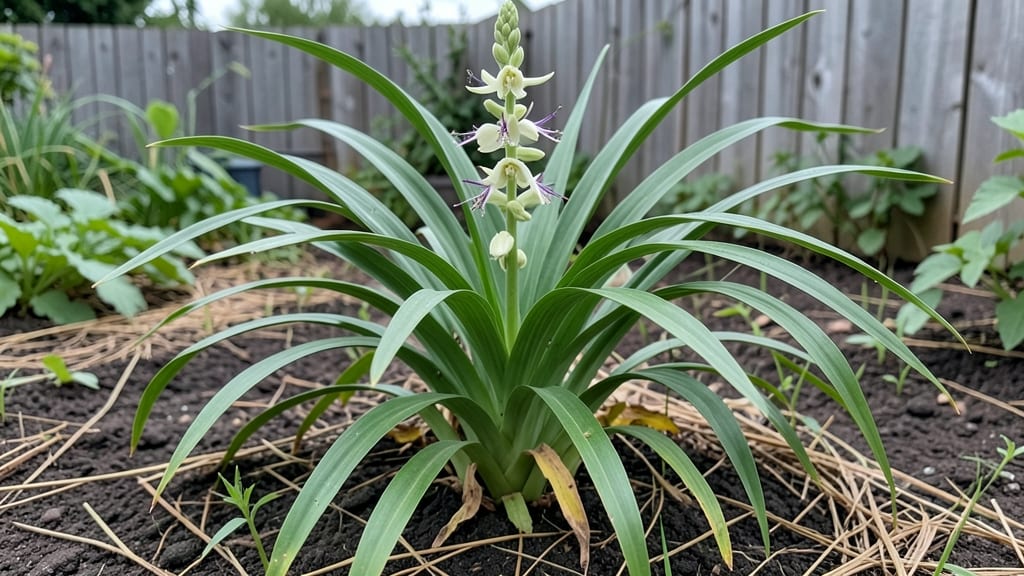
The cardamom plant flowers bring a fragrant canopy that turns your garden into a spice-filled paradise. 🌿 I’ve grown cardamom for years, and the moment those delicate white blooms appear—followed by the signature green pods—feels like a tropical escape, even in my backyard.
The key? Mimicking its native humidity and warmth without overcomplicating things.
Cardamom thrives in warm, moist climates (zones 10-12) but can adapt indoors with the right setup—think bright, indirect light and a humidity tray. The soil should stay evenly moist but never soggy, and a slow-release fertilizer keeps those rhizomes happy.
Propagation from rhizomes is easiest, but seeds work too if you’re patient.
By summer, you’ll see clusters of aromatic flowers leading to those prized pods, ready to harvest in 9-12 months. The scent alone—like a mix of citrus and vanilla—makes the effort worth it. Plus, once established, cardamom plants reward you with year-round growth if you keep conditions stable.
Challenges? Watch for root rot from overwatering and spider mites in dry air. But with the right balance, your cardamom will flourish, turning your space into a fragrant, productive oasis. Ready to grow your own spice treasure?
📚 In This Guide
- What you need
- Instructions
- Tips and common mistakes
- Wrapping up and next steps
What you need
- ● Cardamom seeds or rhizomes: High-quality, disease-free seeds or rhizomes (preferably Elettaria cardamomum for true cardamom). (1–2 plants per container or 3–4 ft spacing in garden beds.)
- ● Well-draining potting mix: A blend of coconut coir, perlite, and compost (60:20:20 ratio). (Avoid heavy clay soil—cardamom hates soggy roots!)
- ● Containers or garden plot: For pots: 12–18" diameter containers with drainage holes (terracotta or fabric pots work best).
- ● For garden beds: Partial shade (4–6 hours of dappled sunlight) and rich, acidic soil (pH 6.0–6.5).
- ● Organic mulch: Pine bark or shredded leaves to retain moisture and mimic tropical forest floors.
- ● Fertilizer: Balanced organic fertilizer (10-10-10) or compost tea. (Apply every 4–6 weeks during growing season.)
- ● Watering can or hose with gentle spray: Cardamom loves humidity but hates waterlogged soil.
- ○ Humidity tray or pebble tray: Optional but helpful for maintaining 70–80% humidity.
- ● Pruning shears: Sharp, sterilized shears for trimming dead leaves or spent flowers.
- ● Temperature: Ideal range: 65–85°F (18–30°C). (Avoid frost—cardamom is tropical!)
- ● Humidity: High (70%+). Use a humidifier or misting bottle if indoors.
- ● Light: Bright, indirect light (east or north-facing windows for pots).
- ● Patience: Cardamom takes 3–5 years to flower and produce pods! 🌸
- ● Grow lights for indoor setups (if natural light is insufficient).
- ● Soil moisture meter to avoid over/under-watering.
- ● Handheld fan for air circulation (prevents fungal issues).
- ● Slow-release fertilizer pellets for convenience.
How to grow and maintain a thriving cardamom flowering plant
Here's the method I trust for coaxing those signature fragrant blooms year after year.
🌱 Step 1: Select and Prepare the Right Growing Environment
Cardamom plants (Elettaria cardamomum) need 70-85°F temperatures and 70-90% humidity to thrive. Place your plant in a bright, indirect light location—think filtered sunlight like under a sheer curtain. Direct sun will scorch the delicate leaves, while too little light stunts flowering. I keep mine near an east-facing window where morning light gently warms the foliage without harsh afternoon rays.
These tropical plants despise drafts, so avoid placing them near AC vents or open windows during cold months. If your home runs dry, use a pebble tray filled with water beneath the pot to maintain humidity. Watch for condensation forming on the leaves—this is your sign the humidity level is perfect. For extra fragrance, I place a small dish of water with a few drops of citrus oil nearby, which mimics their natural rainforest environment.
☀️ Step 2: Master Watering for Consistent Blooms
Cardamom plants demand consistent moisture—never let the top 2 inches of soil dry out completely. Water when the soil feels lightly damp to touch, using room-temperature water to avoid shocking the roots. I water deeply until it drains from the bottom, then empty the saucer after 15 minutes to prevent root rot. Overwatering is the fastest way to kill these plants, so I always check the weight of the pot—lift it before watering; if it feels light, it's time.
During the spring and summer growing season, you'll see new growth and flower spikes emerge. This is when I increase water slightly, keeping the soil evenly moist but not soggy. In winter, reduce watering to every 7-10 days, letting the top 1 inch dry out between waterings. Yellowing leaves usually mean overwatering, while crispy edges signal underwatering—both are easily fixed by adjusting your routine.
🪴 Step 3: Fertilize and Prune for Abundant Flowering
Feed your cardamom plant every 4-6 weeks during the growing season with a balanced liquid fertilizer (10-10-10 works well). I dilute it to half-strength to avoid burning the roots, which are sensitive to salts. Stop fertilizing in late fall and resume in early spring when you notice new growth. The key is consistency—too much fertilizer causes weak stems and fewer blooms, while too little results in sparse foliage.
Prune spent flower stalks by cutting them back to the base once they fade. This encourages the plant to redirect energy into new growth and future blooms. I also trim any yellow or damaged leaves with sterilized scissors, making clean cuts just above a leaf node. Never prune more than one-third of the plant at once, or you'll stress it. After pruning, wipe down the leaves with a damp cloth to remove dust, which helps the plant absorb more light for photosynthesis.
⏰ Step 4: Encourage Year-Round Blooming with Seasonal Care
Cardamom plants can flower year-round with the right care, but they peak in spring and summer. To extend blooming, I maintain steady temperatures and high humidity even in winter. If your home gets dry, consider a small humidifier near the plant or group it with other tropical plants to create a microclimate. Watch for tiny white or pale green flower buds forming in the leaf axils—this is your first sign of upcoming blooms.
When buds appear, avoid moving the plant. Even a slight shift can cause buds to drop. Instead, rotate the pot quarter-turn weekly so all sides get even light. Once flowers open, enjoy their intense vanilla-citrus fragrance, but avoid overhandling them—cardamom blooms are delicate and wilt quickly if bruised. After flowering, you'll often see small green pods forming; these take 6-9 months to mature, so be patient. If pods don't form, your plant may need more light or fertilizer.
Tips & tricks for perfect cardamom plant flowers
Here's what nobody tells you about keeping your cardamom plant blooming like a pro.
Environmental Precision: The 70-85°F temperature range is non-negotiable for those signature blooms. I keep my plant near a south-facing window during winter months when indoor temps drop, using a small space heater with a thermostat set to 75°F—just enough to maintain that sweet spot without overheating. For humidity, I've found that grouping my cardamom with a fern and peace lily creates a natural microclimate that maintains 70-90% humidity without needing fancy equipment.
Watering Wisdom: That 15-minute drainage rule after watering is your best friend—it prevents both root rot and mineral buildup from tap water. I've switched to distilled water for my cardamom and noticed a dramatic difference in leaf vibrancy within weeks. During summer, I increase my watering frequency but always check for that "lightly damp" feel—overwatering is the silent killer of these tropical beauties, and the crispy leaf edges are your first warning sign.
Fertilizer Strategy: The 4-6 week feeding schedule works wonders, but I've learned to time my fertilizing perfectly with the plant's growth cycles. Right after pruning in early spring, I give a slightly stronger dose (three-quarters strength) to jumpstart new growth, then return to half-strength for the rest of the season. This two-tier approach prevents fertilizer burn while maximizing bloom production. And remember—never fertilize in winter when the plant is dormant.
Bloom Preservation: When those delicate white and pale green buds appear, I treat my cardamom like it's made of glass. I've had to learn the hard way that even a slight breeze from opening a window can cause buds to drop. My solution? I place the plant on a stable surface away from all traffic areas and use a small oscillating fan on the lowest setting to gently circulate air without creating drafts. The key is creating a stable, undisturbed environment once buds form.
Pro Tips for Cardamom Plant Flower
- Here's what nobody tells you about keeping your cardamom plant blooming like a pro.
- Environmental Precision: The 70-85°F temperature range is non-negotiable for those signature blooms.
- Watering Wisdom: That 15-minute drainage rule after watering is your best friend—it prevents both root rot and mineral buildup from tap water.
Frequently asked questions
Got questions about nurturing your cardamom plant flowers? You’re not alone! Here are some of the most common queries—plus straightforward answers to keep your fragrant garden thriving.
How long does it take for cardamom flowers to bloom after planting?
Cardamom plants typically take 2–3 years to produce flowers from seed, but if you’re growing from a mature plant or rhizome, you might see blooms in 1–2 years. Patience is key—ensure warm, humid conditions and well-draining soil to speed up the process.
Can I grow cardamom flowers indoors? Are they low-maintenance?
While possible, cardamom thrives outdoors in USDA zones 10–12 (or greenhouses in cooler climates). Indoors, they’re high-maintenance: they need bright, indirect light, high humidity (60%+), and consistent warmth (70–85°F). Mimic their tropical habitat with a humidity tray or misting—otherwise, they’ll struggle.
Why aren’t my cardamom flowers blooming? Troubleshooting tips.
No flowers? Check these common issues:
- Insufficient sunlight: Cardamom needs 6+ hours of bright, indirect light daily.
- Poor soil: Use well-draining, acidic soil (pH 5.5–6.5) with organic matter.
- Over/under-watering: Keep soil consistently moist but not soggy.
- Cold drafts: Cardamom hates temps below 50°F—protect from frost!
What can I do with cardamom flowers if they don’t produce pods?
Even if pods aren’t forming, don’t toss those flowers! They’re edible and aromatic—use them to:
If your zone is too chilly for true cardamom (Elettaria cardamomum), try these fragrant, cold-hardy alternatives:
Bonus: The flowers attract pollinators, so they’re still garden heroes!
Are there cardamom flower alternatives for colder climates?
For a cardamom-like experience, mix cinnamon and clove in cooking!
Wrapping up and next steps
The cardamom plant flower is a fragrant gem that rewards patience and care with its stunning blooms and aromatic leaves.
Whether you're a seasoned gardener or a curious beginner, growing this tropical beauty is a journey filled with sensory delights—from its delicate white flowers to the spicy allure of its pods. 🌺
Now that you’re armed with the right knowledge, take the next step! Start with a healthy plant, provide the ideal conditions, and watch your cardamom garden flourish. Before you know it, you’ll be harvesting your own fragrant harvest—perfect for cooking, crafting, or simply admiring. Happy gardening! 🌱