Size
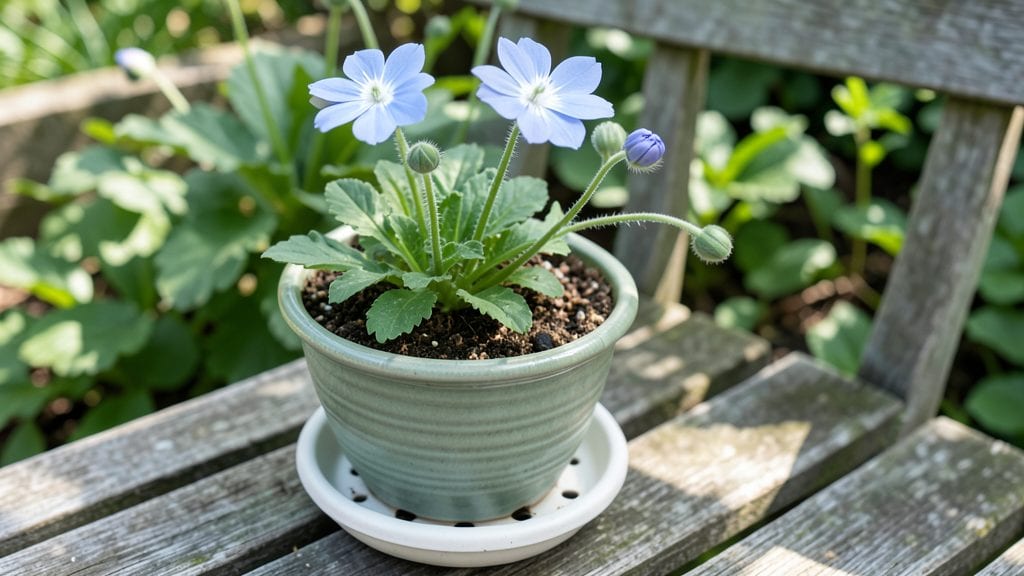
Growing balloon flowers in pots isn’t just possible—it’s a game-changer for small spaces. 🌿 These striking plants thrive in containers, offering year-round blooms with minimal fuss.
My first attempt in a 12-inch pot proved they’re perfect for balconies or patios, as long as you match their needs to the right setup.
The secret lies in well-draining soil and a container at least 10 inches deep—shallower pots stunt their roots. They love full sun but tolerate partial shade, making them adaptable for urban gardens.
Overwatering is the biggest mistake, so let the top inch dry between waterings to keep those iconic balloon-shaped buds popping open.
You’ll end up with vibrant blue, pink, or white blooms from spring through fall, and sometimes into winter in mild climates. The foliage stays lush, and the plants rarely outgrow their pots if pruned back after flowering.
Pair them with shrimp plants or dusty miller for a container that’s both functional and show-stopping.
Even in tight spaces, these perennials reward patience with low-maintenance beauty and surprising resilience. Whether you’re a balcony gardener or just love compact plants, balloon flowers deliver big impact with minimal space. Ready to give it a try?
📚 In This Guide
- What you need
- Instructions
- Tips and common mistakes
- Wrapping up and next steps
What you need
- ● Pots: 1–2 well-draining containers (12–18 inches in diameter for mature plants; smaller pots for seedlings).
- ● Pot with drainage holes (critical to prevent root rot!).
- ● Soil: 1 bag high-quality potting mix (look for "organic" or "well-draining" blends).
- ○ 1 cup perlite or coarse sand (to improve drainage; optional but recommended).
- ● Balloon Flower Plants: 2–3 bare-root plants or nursery-grown seedlings (check local garden centers or online stores for Platycodon grandiflorus).
- ● Fertilizer: 1 balanced liquid fertilizer (10-10-10 or 20-20-20, diluted to half-strength).
- ● Basic Tools: 1 trowel or small shovel (for planting).
- ● 1 spray bottle or watering can (for gentle hydration).
- ● Mulch (e.g., cocoa hulls or shredded bark) to retain moisture.
- ● Slow-release granular fertilizer for long-term nourishment.
- ● Support stakes or small cages (if your variety grows tall).
- ● Self-watering pot liner (to keep soil consistently moist).
How to grow balloon flowers in containers for year-round color
Balloon flowers thrive in pots with the right approach—here’s how to keep them blooming beautifully all season.
🪴 Step 1: Choose the Right Containers and Drainage
Balloon flowers need room to spread, so select containers that are at least 12 inches deep and wide for each plant. I recommend fabric grow bags or terra cotta pots because they allow excess moisture to evaporate, preventing root rot. Ensure each container has multiple drainage holes—waterlogged roots will kill your plants within weeks.
Here’s the thing—balloon flowers have deep taproots. If you’re using smaller pots, opt for self-watering containers to maintain consistent moisture without overwatering. Place a 2-inch layer of gravel or perlite at the bottom before adding soil to improve drainage further. This layer prevents clogging and keeps roots aerated.
🌱 Step 2: Use Well-Draining Soil and Plant Correctly
Fill your containers with a lightweight, well-draining potting mix—avoid garden soil, which compacts and suffocates roots. I blend equal parts potting mix, perlite, and compost for the best results. This combination retains moisture while allowing excess water to escape.
Plant your balloon flower seeds or transplants 1 inch deep and space them 12-18 inches apart in larger containers. If you’re using smaller pots, plant just one per container to avoid overcrowding. Press the soil gently around the roots to eliminate air pockets, but don’t compact it—roots need room to breathe.
☀️ Step 3: Position for Maximum Sunlight and Airflow
Balloon flowers crave full sun (6-8 hours daily) to produce their signature blooms. Place your containers in a south-facing spot or under a grow light if natural light is limited. Without enough sunlight, stems grow leggy and produce fewer flowers.
Good airflow is just as important—crowded pots invite fungal diseases like powdery mildew. Space containers 6-12 inches apart and avoid placing them in shaded corners. If you notice leaves yellowing or wilting, it’s a sign of either too much water or insufficient light. Adjust accordingly.
💧 Step 4: Water Consistently Without Overdoing It
Water your balloon flowers deeply once a week, allowing the top 2 inches of soil to dry out between waterings. Stick your finger in the soil—if it feels dry, it’s time to water. Overwatering is the fastest way to kill container-grown plants.
Here’s a trick I use: water in the morning so excess moisture evaporates during the day. Avoid wetting the leaves, as this encourages fungal issues. If your pots lack drainage, consider adding a wicking system to regulate moisture without drowning the roots.
✂️ Step 5: Prune and Fertilize for Long-Lasting Blooms
Deadhead spent blooms weekly to encourage new flowers. Pinch back leggy stems to promote bushier growth. I also trim back one-third of the plant after the first flush of blooms to stimulate a second round of flowers.
Feed your plants every 4-6 weeks with a balanced, water-soluble fertilizer (10-10-10 works well). Stop fertilizing in late summer to allow plants to harden off for winter. In colder climates, move pots to a sheltered spot or bring them indoors before frost hits.
Tips & tricks for growing balloon flowers in containers
Here's what nobody tells you about keeping these vibrant plants thriving in compact spaces.
Container Size Matters: Balloon flowers have deep taproots, so those 12-inch pots in Step 1 aren't just suggestions—they're non-negotiable for mature plants. I've seen gardeners struggle with smaller pots, only to watch their plants wilt after just a few weeks. For smaller pots, stick to one plant per container and upgrade to 18-inch pots as your plants mature—this gives their roots the room they need to establish properly.
Soil Mix Secrets: That equal parts potting mix, perlite, and compost blend in Step 2 is your golden ticket. The key is the perlite—it creates air pockets that prevent compaction, while the compost provides just enough nutrients without overwhelming the roots. Pro tip: If you notice your soil compacting after watering, add an extra handful of perlite to maintain that perfect balance between moisture retention and aeration.
Sunlight Strategy: The 6-8 hours of full sun in Step 3 is non-negotiable, but here's the catch: morning sun is your best friend. Position your containers to capture those golden morning rays first, then move them to partial shade in the afternoon if your climate gets scorching. In hotter regions, a 50% shade cloth can protect your plants during peak sun hours without sacrificing the light they need for blooming.
Watering Wisdom: That once-a-week deep watering in Step 4 works perfectly, but timing is everything. I've learned the hard way that watering in the evening can lead to fungal issues—moisture lingers on leaves overnight. Instead, water in the morning so leaves have time to dry completely. And here's a bonus: if you notice the soil staying wet longer than expected, it's time to check those drainage holes again—they might be clogged with soil or debris.
Pro Tips for Can You Grow Balloon Flowers In Pots
- Here's what nobody tells you about keeping these vibrant plants thriving in compact spaces.
- Container Size Matters: Balloon flowers have deep taproots, so those 12-inch pots in Step 1 aren't just suggestions—they're non-negotiable for mature plants.
- Soil Mix Secrets: That equal parts potting mix, perlite, and compost blend in Step 2 is your golden ticket.
Frequently asked questions
Got questions about growing balloon flowers (Platycodon grandiflorus) in pots? You’re not alone! Here are some of the most common queries—and their straightforward answers—to help you cultivate these charming blooms with confidence.
What size pot do balloon flowers need to thrive?
Balloon flowers do best in pots at least 12 inches wide and deep. Since they have moderate root systems, a container with good drainage and room for 2–3 plants per pot prevents overcrowding. Pro tip: Use a pot with saucers to catch excess water and keep roots happy!
When is the best time to plant balloon flowers in pots?
Plant them in early spring or early fall for ideal results. Avoid extreme heat or frost, as these plants prefer moderate temperatures (50–75°F). If you’re in a warm climate, opt for fall planting to let roots establish before summer. Bonus: They’re perennials in zones 3–8, so they’ll reward you year after year!
How often should I water potted balloon flowers?
Keep the soil evenly moist but not soggy. Water when the top inch feels dry, typically 2–3 times per week in warm weather. Watch out: Overwatering can lead to root rot, so ensure pots have drainage holes. Mulching helps retain moisture without smothering roots.
Can balloon flowers bloom in pots year-round?
With the right care, they can! While they prefer cooler seasons, you can encourage blooms year-round by providing bright, indirect light and consistent watering. In winter, move pots indoors near a sunny window or use grow lights. Fun fact: Their unique "balloon" buds add whimsy to any space!
What are common pests or issues with potted balloon flowers?
Watch for aphids, spider mites, or powdery mildew—especially in humid conditions. Prevent pests by spacing plants well and avoiding overhead watering. If mildew appears, treat with neem oil or fungicide. Quick fix: Prune affected leaves and improve airflow by thinning foliage.
Are there dwarf varieties better suited for small pots?
Yes! Look for ‘Compact Blue’ or ‘Little Bell’ varieties, which stay under 12–18 inches tall and thrive in 6–8 inch pots. These are perfect for balconies, windowsills, or fairy gardens. Tip: Mix them with other small perennials like ajuga or creeping thyme for a stunning container combo!
Still stumped? Drop your question in the comments—we’re happy to help you grow these gorgeous blooms like a pro!
Wrapping up and next steps
Growing balloon flowers in pots is absolutely doable—and what a rewarding experience! 🌸 With the right container, soil, and care, you can enjoy their striking blooms year-round, even in small spaces. Whether you’re a seasoned gardener or a beginner, these compact plants bring beauty and versatility to patios, balconies, or windowsills.
Now that you’re armed with tips and answers to common questions, why not give it a try? Start small—pick a sunny spot, grab a pot, and let these easy-care flowers brighten your space. Happy planting! 🌱