
Blooming
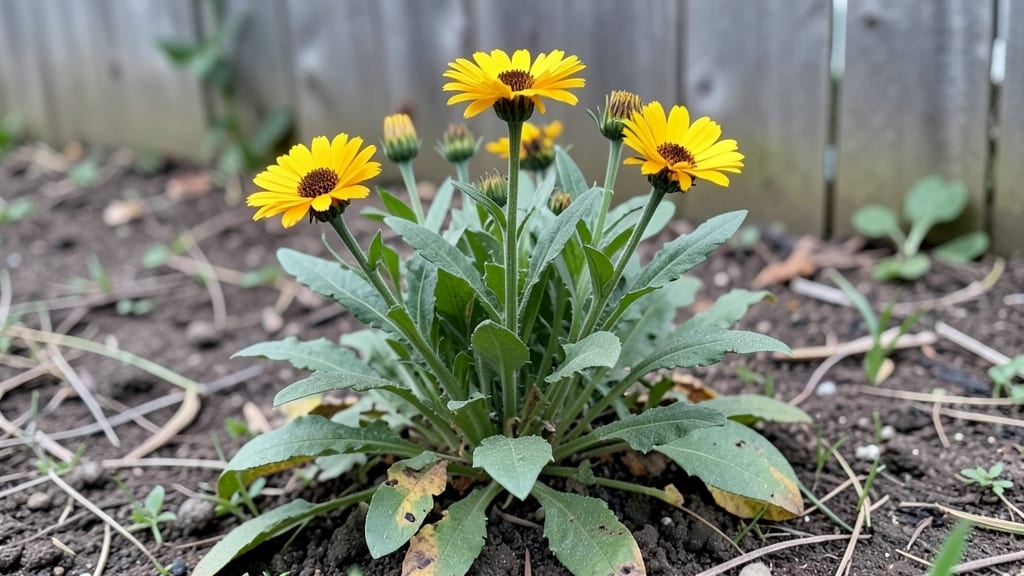
The calendula flower season stretches from spring through fall, but with the right care, you can extend those bright petals into winter too—here’s how. 🌼 I’ve grown calendula for years, and the secret to their year-round performance isn’t complicated—it’s about sunlight. soil, and a little frost protection.
The key is planting them where they’ll get at least 6 hours of sun daily, even in cooler months.
In warmer climates like Zones 8-10, calendula often blooms year-round with minimal effort, while in colder regions, a lightweight row cover or moving pots indoors before hard frosts keeps them producing. The soil should drain well but stay consistently moist—calendula hates soggy roots but thrives when kept evenly watered.
A pinch of compost at planting time gives them the nutrients they need to keep flowering.
What you’ll love most is how easy they are to maintain. Deadhead spent blooms to encourage more flowers, and watch them bounce back quickly. In my garden, they’ve kept blooming until December with just a little extra care, and their bright petals attract pollinators even in late fall.
The petals are also edible—great for teas or salads—so you’re getting double the benefit.
Whether you’re in a mild coastal area or a frosty inland zone, these tips will help you enjoy calendula’s cheerful blooms for months longer than usual. The trick is balancing their love of warmth with smart seasonal adjustments—no fancy equipment needed. Let’s get those flowers going year-round!
📚 In This Guide
- What you need
- Instructions
- Tips and common mistakes
- Wrapping up and next steps
What you need
- ● Calendula seeds: 1–2 packets (choose organic, non-GMO for best results). Look for frost-hardy varieties like ‘Moonlight’ or ‘Pacifica’.
- ● Well-draining potting soil: 5–10 gallons (mix with perlite or sand for improved aeration).
- ● Containers or garden bed: Containers: 5–6 inch pots (minimum) with drainage holes for indoor or patio growing.
- ● Garden bed: Full sun (6+ hours/day) or partial shade (4–6 hours) with loose, fertile soil.
- ○ Compost or organic fertilizer: 1–2 cups of balanced 10-10-10 or a slow-release granular fertilizer (optional but recommended for nutrient boost).
- ● Watering can or hose with gentle spray nozzle: Calendulas prefer consistent moisture but hate soggy roots!
- ○ Gloves (optional): Protect your hands from prickly stems or soil.
- ● Trowel or small shovel: For transplanting seedlings or mixing soil amendments.
- ● Pruning shears: To deadhead spent blooms and encourage new growth.
- ● Mulch (straw or shredded leaves): 1–2 inches to retain moisture and insulate roots in colder months.
- ○ Row covers or cold frames (optional): For extending the season in frost-prone zones (Zone 3–5).
- ○ Sunlight meter or app (optional): To track light exposure if growing indoors.
- ● 🌡️ Temperature: Seeds germinate best at 60–75°F (15–24°C). Use a heat mat if starting indoors in cool climates.
- ● ✨ Soil pH: Aim for slightly acidic to neutral (6.0–7.0). Test your soil if unsure!
- ● 🎯 Spacing: Plant seeds 12–18 inches apart to prevent overcrowding.
Step-by-Step guide to extending calendula blooms through cold weather
Here’s how to keep your calendula thriving when frost threatens—no greenhouse needed.
🌱 Step 1: Choose the Right Varieties for Cold Tolerance
Pick frost-resistant varieties like ‘Moonbeam’ or ‘Touch of Class’—they handle light frosts better than others. These types stay compact and bushy, which helps them retain heat. If you’re starting from seed, plant them 4-6 weeks before your first frost date so they establish strong roots before cold hits.
For existing plants, avoid late-season hybrids that flop in cool weather. Look for labels mentioning "cold-hardy" or "winter-blooming." I’ve found that plants grown from seed in well-draining soil with full sun (6+ hours daily) develop thicker stems that resist wind and cold better than those in shady spots.
☀️ Step 2: Adjust Sunlight and Watering Before Frost
Two weeks before the first frost, move potted calendula to a south-facing window or under a grow light for 12-14 hours of light daily. This mimics longer daylight and keeps blooms coming. If outdoors, ensure they get at least 5 hours of direct sun—less light weakens stems and reduces frost resistance.
Cut back on watering 10-14 days before frost. Let the soil dry slightly between waterings—wet roots freeze faster than dry ones. Water deeply once a week (or when the top 2 inches of soil feel dry) instead of daily. This encourages deeper root growth, which helps plants survive light frosts.
⏰ Step 3: Protect Plants During Light Frosts
When temperatures dip to 28-32°F, cover plants with frost cloth or lightweight row covers at dusk. Secure the edges with rocks or stakes to prevent wind from tearing the fabric. Remove covers by 10 AM so plants get sunlight to warm up naturally.
For potted calendula, move containers to a sheltered spot (like a garage or porch) if nighttime temps drop below 25°F. Group pots together—they’ll share warmth. Avoid plastic pots; they conduct cold faster than unglazed ceramic or fabric pots. If you must use plastic, wrap the pots in bubble wrap to insulate roots.
🌿 Step 4: Prune and Mulch for Winter Resilience
Trim back dead or damaged foliage right after the first frost. Use clean, sharp shears to cut stems ½ inch above a leaf node—this prevents disease and encourages new growth in spring. Avoid heavy pruning; calendula needs some leaves to photosynthesize even in cold weather.
Add a 2-inch layer of straw mulch around the base of plants (or pots). This insulates roots and regulates soil temperature. For potted plants, mix compost into the top inch of soil before mulching—this adds nutrients and improves drainage. Mulch also prevents soil from heaving (freezing and expanding), which can uproot tender plants.
✂️ Step 5: Harvest and Extend Blooms Into Winter
Pick flowers before frost hits—they’ll last longer indoors in a vase. Choose buds just starting to open for the longest vase life. Avoid cutting past the first frost; frost-damaged blooms wilt quickly. If you miss the window, harvest after the frost when plants rebound.
To coax late-season blooms, pinch back spent flowers and any leggy stems. This redirects energy to root growth and new buds. In mild climates (Zone 8+), calendula may bloom year-round with minimal care. In colder zones, expect a dormant period—but with proper mulching, roots stay alive for spring regrowth.
Tips & tricks for year-round calendula blooms
Keeping calendula vibrant through frost takes a few smart adjustments—here’s how to avoid common pitfalls and get the best results.
Variety Selection Matters: When choosing frost-resistant varieties like ‘Moonbeam’ or ‘Touch of Class,’ pay attention to their growth habits. Compact, bushy plants handle cold better than tall, leggy ones because they retain heat more efficiently. If you’re starting from seed, I’ve found that planting 4-6 weeks before your first frost date gives roots enough time to establish before cold sets in—this is especially critical in colder climates where frost arrives early.
Lighting Strategy for Potted Plants: The 12-14 hours of light daily recommendation in Step 2 is non-negotiable for potted calendula. If your natural daylight falls short, supplement with a grow light placed just above the plants. Position it so leaves don’t touch the bulb—this prevents scorching while still providing the extra light boost needed to maintain blooms. For maximum efficiency, use a timer to automate the light schedule.
Watering Wisdom: The shift to once-a-week watering (or when the top 2 inches of soil feel dry) might feel counterintuitive, but it’s crucial. Overwatering before frost makes roots vulnerable to freezing. Instead, focus on deep watering that encourages roots to grow deeper, making them more resilient. I’ve seen calendula with shallow roots suffer even at 32°F when soil stays too wet.
Frost Protection Hacks: When covering plants with frost cloth at 28-32°F, secure the edges tightly—even a small gap lets in cold wind that can damage delicate stems. For potted plants moved to sheltered spots below 25°F, group them together and add a layer of bubble wrap around plastic pots. This simple step can mean the difference between survival and loss during extreme cold snaps.
Pro Tips for Calendula Flower Season
- Keeping calendula vibrant through frost takes a few smart adjustments—here’s how to avoid common pitfalls and get the best results.
- Variety Selection Matters: When choosing frost-resistant varieties like ‘Moonbeam’ or ‘Touch of Class,’ pay attention to their growth habits.
- Lighting Strategy for Potted Plants: The 12-14 hours of light daily recommendation in Step 2 is non-negotiable for potted calendula.
Frequently asked questions
Got questions about calendula’s blooming season and care?
Here are answers to the most common ones—whether you’re a beginner or a seasoned gardener.
When is the best time to plant calendula for year-round blooms?
Calendula thrives in cool to mild seasons, so plant seeds in early spring (after frost) or late summer to early fall for a second flush of blooms. In warmer climates, you can even sow seeds in winter for spring blooms. Just ensure soil temps stay above 50°F (10°C)—calendula hates cold, wet soil!
Can calendula survive light frosts, or do I need to protect it?
Yes! Calendula is frost-resistant and can handle light frosts down to 20°F (-7°C)—but heavy freezes may damage foliage. For extra protection, mulch around the base or cover plants with frost cloth during harsh winters. Deadheading spent blooms also encourages new growth as temps warm.
Why isn’t my calendula blooming as much as I expected?
Common culprits include:
- Too much shade: Calendula needs full sun (6+ hours/day) for best blooms.
- Over-fertilizing: Too many nutrients = leafy growth, fewer flowers. Use a low-nitrogen fertilizer or compost lightly.
- Poor air circulation: Crowded plants attract pests/disease. Space them 12–18 inches apart.
- Leggy stems: If plants stretch tall and thin, they’re reaching for light. Trim back and provide support (like stakes).
Pro tip: Pinch back tips in early growth to encourage bushier, flower-heavy plants!
Can I grow calendula indoors, or is it strictly an outdoor plant?
Calendula grows well in containers indoors near a sunny south-facing window or under grow lights (12–14 hours/day). Use well-draining soil and a 6-inch pot (or larger for multiple plants). Just watch for spider mites—dry indoor air can attract them. Mist leaves occasionally or use a pebble tray for humidity!
What’s a good alternative if I can’t grow calendula?
If calendula struggles in your climate, try these low-maintenance, frost-tolerant bloomers:
- Sweet Alyssum: Cold-hardy, fragrant, and attracts pollinators.
- Pansies: Thrives in cool weather and blooms all winter in mild zones.
- Stock (Matthiola incana): Drought-tolerant and loves cool seasons.
- Violas: Similar to pansies but with longer blooming seasons.
All of these are edible (like calendula) and add color to your garden!
Wrapping up and next steps
Discovering the calendula flower season reveals a hardy, cheerful plant that thrives even in cooler months! With the right care—like frost-resistant techniques and proper sunlight—you can enjoy vibrant blooms year-round. Whether you're a gardening pro or just starting, calendula’s resilience and beauty make it a must-have for any garden. 🌸
Ready to bring this sunny charm to your space? Start small—plant a few seeds or a single pot this week, and watch your garden glow with golden cheer! 🌱