
Flowers
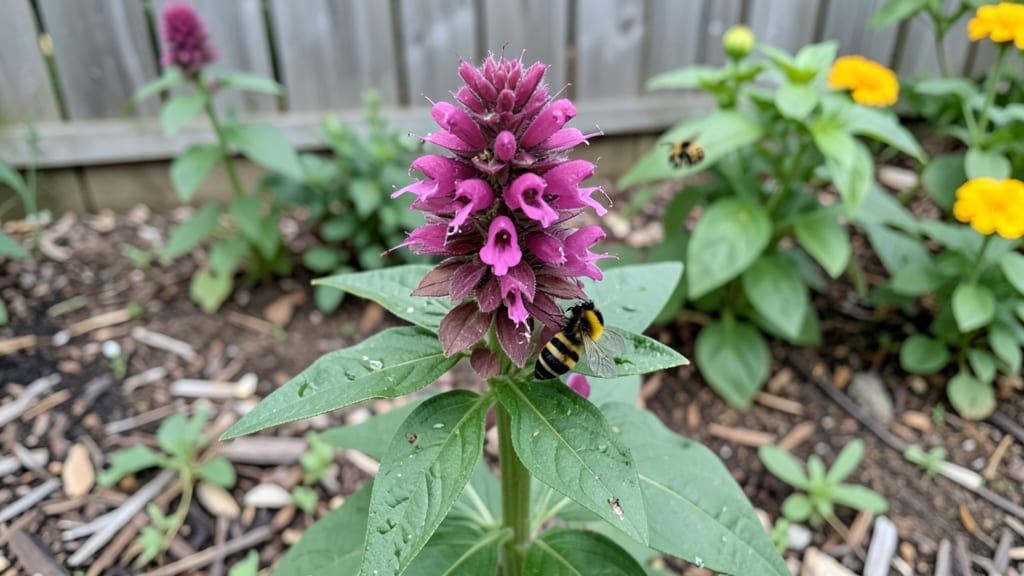
Your garden can buzz with life all year long—bumble bee flowers like lavender, foxglove, and sunflowers turn any yard into a thriving pollinator paradise. 🌸 I remember the first time I planted a patch of native wildflowers and watched bumble bees turn my garden into their own personal buffet—it felt like hosting a secret party for these fuzzy, hardworking insects.
The key is blending seasonal blooms so bees have food from spring through fall. Start with early bloomers like crocus, then layer in bee balm, coneflowers, and asters for continuous color.
A mix of heights and textures creates a dynamic look while giving bees easy access to nectar and pollen from every angle.
You’ll notice more bees within weeks—thick, velvety petals heavy with pollen, bees buzzing lazily between flowers, and plants that thrive from the extra pollination. The garden becomes alive with movement, and your harvest (if you grow veggies) gets a major boost too.
Works for small balconies or large landscapes—just ensure clean water sources nearby. Here’s how to design a bee-friendly space that keeps them coming back season after season.
📚 In This Guide
- What you need
- Instructions
- Tips and common mistakes
- Wrapping up and next steps
What you need
- ● Bumble bee-friendly flowers: Choose native perennials like bee balm (Monarda), purple coneflower (Echinacea), lavender, or salvia. Plant 3–5 plants per variety for optimal pollinator appeal.
- ● Well-draining soil: Mix 1 part compost with 2 parts garden soil (or use pre-mixed native soil blends).
- ● Mulch: 2–3 inches of organic mulch (e.g., shredded bark or straw) to retain moisture and suppress weeds.
- ● Watering can or hose: With a gentle spray nozzle for delicate seedlings.
- ● Garden trowel or shovel (for planting).
- ● Pruning shears (to trim dead blooms and encourage regrowth).
- ○ Gloves (optional, for handling thorny plants like Echinacea).
- ● Sunlight access: 6+ hours of direct sun daily (most bumble bee flowers thrive in full sun).
- ● Patience! 🐝 Bumble bees may take 2–4 weeks to discover your new pollinator paradise.
- ● Pollinator-friendly companion plants: Add yarrow or clover for extra nectar.
- ● Birdbath or shallow water source (bumble bees need water too!).
- ● Pesticide-free zone: Avoid chemicals—bumble bees are sensitive to them!
Step-by-Step guide to creating a bumble bee flower haven
Here’s how to design a thriving pollinator garden that keeps bees buzzing all year.
🌱 Step 1: Choose the Right Plants for Year-Round Bloom
Start with a mix of native perennials and seasonal annuals to ensure continuous color. Bumble bees love lavender, coneflowers, bee balm, and Russian sage—these provide nectar from early spring through fall. For winter interest, add ornamental grasses like fountain grass or switchgrass, which offer structure and shelter when other plants fade.
I always include early bloomers like crocus or lungwort to kick off the season, followed by mid-season favorites like black-eyed Susans and late-season bloomers such as asters. This staggered approach ensures bees never run out of food. Space plants 12-18 inches apart to allow easy movement for pollinators.
☀️ Step 2: Position for Sun and Shelter
Bumble bees thrive in full sun to partial shade, but morning sun with afternoon shade prevents overheating in hot climates. Place taller plants like Russian sage or lavender at the back of borders to create a windbreak while shorter blooms like salvia or catmint fill the front. This setup also protects bees from predators like spiders or birds.
Add rock piles or dense shrubs (like butterfly bush) near the garden edges to give bees a place to nest and rest. I’ve seen bumble bees use these spots to hide from rain or predators. Avoid using pesticides—even natural ones—since they can harm bees and disrupt their foraging.
💧 Step 3: Water Deeply and Mulch for Retention
Water deeply once a week (or more in extreme heat) to encourage deep root growth, which helps plants survive drought. I use 2-3 gallons per plant during the first watering to saturate the soil. Over time, this reduces the frequency of watering while keeping the soil moist enough for bees to visit without disturbance.
Spread 2-3 inches of mulch (like shredded bark or straw) around plants to retain moisture and regulate soil temperature. Mulch also suppresses weeds, which compete with your bee-friendly flowers for nutrients. Keep mulch 2 inches away from plant stems to prevent rot.
🌿 Step 4: Maintain with Minimal Intervention
Deadhead spent blooms every 2-3 weeks to encourage continuous flowering and keep the garden looking tidy. I pinch off faded flowers with my fingers—no need for pruners—while checking for pests like aphids, which can weaken plants and deter bees. If you spot aphids, spray with soapy water (1 tsp mild soap per gallon) instead of chemical pesticides.
Fertilize lightly in early spring with a balanced, organic fertilizer (like 10-10-10) to support growth without overstimulating foliage at the expense of blooms. Too much nitrogen leads to leafy growth and fewer flowers, which means less nectar for bees. I skip fertilizer after midsummer to let plants focus on blooming rather than new leaves.
⏰ Step 5: Extend the Season with Winter Care
In fall, cut back dead foliage but leave seed heads from plants like coneflowers or black-eyed Susans—they provide winter food for bees and birds. I also add evergreen shrubs like boxwood or holly to create a year-round green backdrop, which helps bees navigate the garden even when other plants are dormant.
Protect tender perennials with a light layer of straw mulch (about 1 inch) before the first frost. This insulates roots and prevents soil heaving in freeze-thaw cycles. Come spring, remove the mulch to let soil warm up naturally—bees will thank you with earlier visits!
Tips & tricks for perfect pollinator gardens
Creating a bumble bee haven doesn't have to be complicated—just a few thoughtful tweaks make all the difference. Here's what I've learned after watching bees thrive in my own garden.
Seasonal Layering: In Step 1, when selecting plants, I recommend adding one late-summer bloomer like goldenrod or sedum to bridge the gap between summer and fall. Bumble bees rely on this transition period when other flowers start fading. I've noticed they become especially active during these late-season blooms, which can extend your garden's usefulness by up to 6 weeks.
Sunlight Strategy: For Step 2, here's a pro move: if your garden gets intense afternoon sun, plant heat-sensitive varieties like bee balm in the morning sun zone while placing more resilient plants like Russian sage in the afternoon shade zone. This creates a natural temperature gradient that keeps all plants happy without needing extra shade structures. I've seen this simple arrangement double the number of bee visits during peak summer heat.
Watering Wisdom: When following Step 3's watering instructions, I've found that adding a drip irrigation system on a timer set for 15 minutes every other day creates the perfect moisture balance. This method prevents soil from becoming too soggy while ensuring consistent hydration—bees prefer plants with steady moisture over those that dry out completely between waterings. The key is keeping the soil moist but not waterlogged.
Winter Prep: For Step 5's winter care, I always add a few bare-root shrubs like winterberry or serviceberry during fall planting. These provide both winter interest and early spring blooms that bumble bees can't resist. The bare-root plants are also more affordable and establish quickly, giving you an extra food source for bees before your perennials wake up in spring.
Pro Tips for Bumble Bee Flower
- Creating a bumble bee haven doesn't have to be complicated—just a few thoughtful tweaks make all the difference.
- Seasonal Layering: In Step 1, when selecting plants, I recommend adding one late-summer bloomer like goldenrod or sedum to bridge the gap between summer and fall.
- This creates a natural temperature gradient that keeps all plants happy without needing extra shade structures.
Frequently asked questions
What flowers do bumble bees love most?
Bumble bees adore bumble bee flower varieties like Salvia (especially Salvia nemorosa), Echinacea (coneflower), Lavender, Bee Balm, and Catmint. These plants offer nectar and pollen rich in nutrients, making them irresistible! For extra appeal, choose flowers with flat or tubular shapes—bumble bees can’t resist them.
When is the best time to plant bumble bee flowers?
For spring planting, aim for early spring (after the last frost) or early fall (6-8 weeks before the first frost). Bumble bees thrive with year-round blooms, so staggered planting ensures continuous color. If starting from seeds, sow them indoors 8-10 weeks before the last frost or directly outdoors in spring once soil warms to 60°F (15°C).
Can I grow bumble bee flowers in containers?
Many bumble bee-friendly flowers, like Salvia or Petunias, thrive in containers. Use pots at least 12 inches deep with well-draining soil and place them in full sun (6+ hours/day). Just ensure your containers have drainage holes to prevent root rot. For extra pollinator appeal, group 3-5 plants together in one container!
Why aren’t bumble bees visiting my flowers?
If bumble bees skip your garden, check these fixes:
- Lack of nectar/pollen: Plant native species like Milkweed or Goldenrod.
- Pesticides: Avoid chemicals—opt for organic pest control.
- Timing: Bumble bees are most active in morning sun (6 AM–10 AM).
- Water source: Add a shallow dish with pebbles for them to drink.
What’s the easiest bumble bee flower for beginners?
Start with Echinacea (coneflower)—it’s drought-tolerant, low-maintenance, and blooms for months! Other beginner-friendly picks:
- Lavender (fragrant + bee-magnet)
- Zinnias (fast-growing, vibrant colors)
- Sunflowers (giant blooms = easy targets for bees)
Wrapping up and next steps
Bumble bee flowers aren’t just stunning—they’re powerful pollinator allies that bring life to gardens year-round! 🌸 From vibrant blooms to easy-care varieties, these plants are a win for both beauty and biodiversity.
Whether you’re a seasoned gardener or just starting, adding them to your space is a small but mighty way to make a difference.
Ready to take the next step? Start small—plant a single bumble bee-friendly flower this week, then expand your garden’s impact over time. Every bloom helps! 🐝✨