Flowers
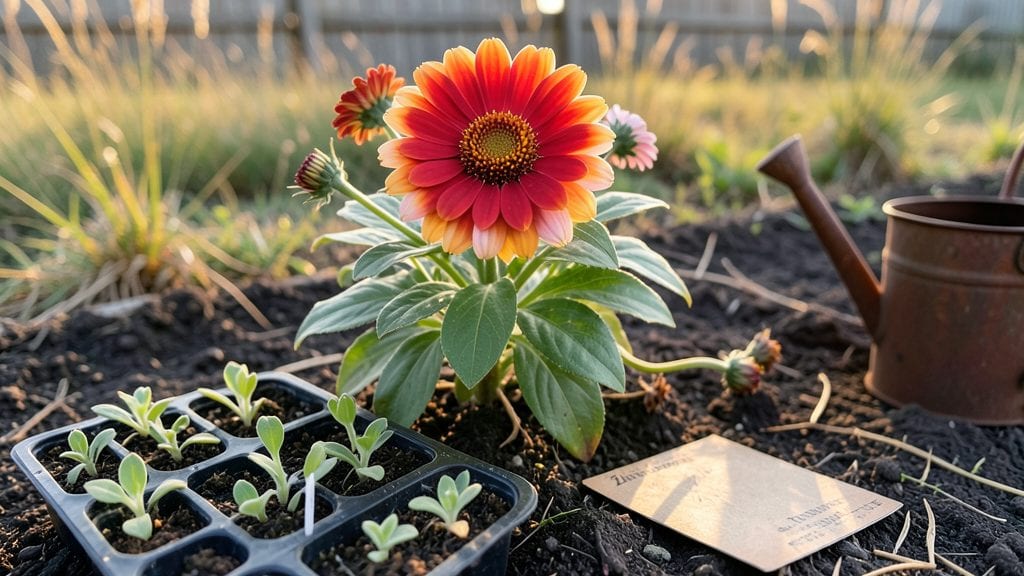
Buying bulk flower seeds cuts costs while unlocking Pacific Northwest blooms that thrive through frost and rain. 🌸 I’ve stocked up on 5,000 seeds of cosmos, sweet peas, and snapdragons—enough to fill my garden without breaking the bank.
The key isn’t just quantity but choosing varieties bred for your climate’s damp, cool summers and chilly springs.
Start with well-draining soil mixed with compost, and plant in early spring after the last frost date. Spacing matters: give taller varieties like delphiniums 18–24 inches apart, while compact marigolds can share space in 6-inch pockets. A simple trellis or stakes will keep sprawlers like morning glories organized and pest-free.
Water deeply once a week (twice if it’s dry), focusing on the base of plants to avoid fungal issues. Deadhead spent blooms regularly to encourage nonstop flowering—my cosmos kept producing until October’s first frost.
The payoff? A garden bursting with color that costs pennies per seed instead of dollars per flat.
Bulk seeds let you experiment with heirlooms and mixes, but store extras in a cool, dark place for next year. Start with 1–2 varieties you love, then expand as you master timing and spacing. Your garden will thank you—and so will your wallet.
📚 In This Guide
- What you need
- Instructions
- Tips and common mistakes
- Wrapping up and next steps
What you need
- ● Bulk flower seeds: Choose native or cold-hardy varieties like Lupine, Columbine, Penstemon, or Yarrow. Aim for 1-2 lbs per 100 sq. ft. (adjust for density).
- ● Seed-starting mix: 2-3 cubic feet of high-quality, sterile potting soil (e.g., Miracle-Gro Seed Starting Potting Mix).
- ● Grow trays or seedling pots: 50+ biodegradable pots (3-4" deep) or a 1020-tray with cell inserts.
- ● Grow lights or sunny windowsill: LED grow bulbs (6000K-7000K) or a south-facing window with 6+ hours of light/day.
- ● Misting bottle or spray nozzle: For gentle watering (16 oz capacity recommended).
- ● Plant labels: 100+ wooden or plastic tags + a permanent marker.
- ● Heat mat: ($15-$25) for faster germination in cooler climates.
- ● Humidity dome: (50-pack) to retain moisture for delicate seeds.
- ● Fertilizer: Balanced liquid fertilizer (e.g., 10-10-10) for transplanting.
- ● Garden journal: To track seed varieties, planting dates, and progress!
- ● Cold frame or mini greenhouse: For extending the growing season in Zone 7-9.
How to grow Pacific Northwest frost-proof flowers from bulk seeds
Here's my battle-tested method for turning bulk seeds into hardy, frost-resistant blooms.
🌱 Step 1: Choose the Right Seeds for Your Zone
Skip any seeds labeled "tender" or "warm-season" for the Pacific Northwest's unpredictable weather. Instead, focus on native perennials like lupine, columbine, and sage—these thrive through frosts and come back yearly. Check seed packets for USDA Zone 6-8 ratings. I always cross-reference with local nursery recommendations since microclimates vary even within regions.
Look for open-pollinated varieties (not hybrids) to ensure your flowers will self-seed naturally. Bulk seeds often contain mixed colors, which creates a more dynamic garden. Save a few packets from your best blooms each year to maintain your favorite colors and traits.
🌱 Step 2: Start Seeds Indoors at the Right Time
For most Pacific Northwest flowers, begin seeds indoors 8-10 weeks before your last frost date. Use biodegradable peat pots (they dissolve when transplanting) filled with seed-starting mix. Plant seeds at the depth indicated on the packet—usually twice the seed diameter deep. I like to use a seedling heat mat to keep soil at 65-75°F for faster germination.
Cover the trays with plastic wrap or a humidity dome until germination occurs. Most native flowers sprout in 10-20 days, but some like lupine can take up to 30 days. Remove the cover immediately once sprouts appear to prevent damping-off disease. Keep seedlings in bright light (a grow light is ideal) to prevent leggy growth.
☀️ Step 3: Harden Off and Transplant After Frost Risk Passes
Begin hardening off seedlings 2 weeks before transplanting by placing them outdoors in a sheltered spot for 1-2 hours daily. Gradually increase exposure over 7-10 days until they can handle full sun and wind. This toughens their stems and prevents transplant shock.
Wait until nighttime temperatures stay above 40°F before planting outdoors. Dig holes twice as wide as the root ball but only as deep as the pot. Space plants according to their mature size—12-24 inches apart for most perennials. Water deeply after planting to settle the soil around roots.
💧 Step 4: Water and Mulch for Frost Resistance
Water newly transplanted flowers deeply once a week (or more often in summer heat) to encourage deep root growth. Most Pacific Northwest natives prefer well-draining soil but can handle occasional drought once established. I always apply 2-3 inches of mulch around plants to protect roots from temperature swings.
In fall, reduce watering as temperatures drop. Many native flowers go dormant in winter and regrow from their roots in spring. Avoid fertilizing after mid-summer—it encourages tender new growth that won't survive frost. Let the soil cool naturally instead of forcing growth.
✂️ Step 5: Deadhead and Maintain for Next Year's Blooms
After flowers fade, deadhead (remove spent blooms) to redirect energy to root growth rather than seed production. This keeps plants looking tidy and encourages more flowers next season. I also trim back any leggy stems in early spring to promote bushier growth.
In late fall, cut back dead foliage to 2-3 inches above ground level. This prevents disease buildup and makes it easier to spot new growth in spring. Most Pacific Northwest perennials are self-sufficient and will return year after year with proper care.
Tips & tricks for perfect Pacific Northwest frost-proof blooms
These simple strategies will help you grow hardy flowers that thrive in the Pacific Northwest's unpredictable climate.
Seed Selection Strategy: When choosing bulk seeds, pay special attention to the USDA Zone 6-8 rating and look for the words "perennial" and "native" on the packet. I've found that lupine and columbine are particularly resilient—both handle frost beautifully and return every year. For extra insurance, check if the seed company specifies "cold-hardy" varieties in their descriptions. This one step saves countless disappointed gardeners from buying tender annuals that won't survive our winters.
Germination Timing Secret: The 8-10 weeks before last frost window is crucial for indoor starting. I recommend marking your calendar now and setting a reminder—starting too early means leggy seedlings, while starting too late risks weak plants that won't establish before winter. For a visual cue, think of it as starting your seeds around Valentine's Day if your last frost is typically mid-April. This timing gives your seedlings just enough time to develop strong roots before transplanting.
Harden Off Gradually: During the 2 weeks before transplanting, I increase outdoor exposure by 30 minutes every 2-3 days rather than jumping to full sun immediately. Watch for leaves that look slightly stressed but still green—this indicates they're toughening up properly. The goal is to mimic natural conditions where plants gradually adapt to outdoor elements. This slow process prevents transplant shock that can kill delicate seedlings.
Frost Protection Hack: After transplanting, I apply a 3-inch layer of straw mulch around the base of plants rather than the standard 2-3 inches. The extra thickness provides better insulation during our unpredictable late frosts. I also avoid watering in the evening during fall—wet foliage freezes more easily. This simple adjustment has saved my plants during several unexpected cold snaps in May and September.
Pro Tips for Bulk Flower Seeds
- These simple strategies will help you grow hardy flowers that thrive in the Pacific Northwest's unpredictable climate.
- Seed Selection Strategy: When choosing bulk seeds, pay special attention to the USDA Zone 6-8 rating and look for the words "perennial" and "native" on the packet.
- Germination Timing Secret: The 8-10 weeks before last frost window is crucial for indoor starting.
Frequently asked questions
Got questions about bulk flower seeds?
You’re not alone! Here are answers to the most common queries to help you grow stunning, frost-hardy blooms in the Pacific Northwest.
What’s the best time to plant bulk flower seeds in the PNW?
The ideal time depends on your flowers! For frost-proof varieties, start seeds indoors 6–8 weeks before your last frost date (typically late March to early April). Direct-sow hardy annuals and perennials like lupine, columbine, or yarrow in early spring or fall. Check seed packets for specifics—some thrive in cooler temps!
How do I store bulk flower seeds to keep them viable?
Store seeds in a cool, dark, and dry place (like a sealed container in the fridge) to extend shelf life. Most last 1–5 years, but delicate flowers (e.g., California poppies) may lose viability faster. Label packets with purchase dates and test germination by planting a few seeds annually.
Can I use bulk seeds for container gardening?
Many PNW-friendly flowers—like snapdragons, pansies, or sweet peas—thrive in containers. Use lightweight potting mix, ensure pots have drainage holes, and choose compact varieties. Just space seeds properly (check seed packet guidelines) to avoid overcrowding as they grow.
How do I protect my flower seeds from late frosts?
Start with frost-hardy varieties (e.g., larkspur, hollyhock, or Shasta daisies). For tender seedlings, use row covers, cloches, or cold frames until nighttime temps rise above 32°F. Water consistently to help roots establish—dry soil freezes faster!
What if my bulk seeds don’t germinate?
Don’t panic! Try these fixes:
- Check moisture: Keep soil consistently damp (not soggy) and use a spray bottle for fine seeds.
- Test light needs: Some seeds (like poppies) need light to germinate—press them lightly into soil instead of burying.
- Warmth matters: Use a seedling heat mat if your home runs cool.
- Freshness check: Old seeds may need a stratification (cold treatment) or scarification (light sanding) to break dormancy.
Wrapping up and next steps
Growing bulk flower seeds in the Pacific Northwest’s chilly climate is totally doable—with the right frost-proof varieties and a little patience! 🌸 You’ve got the knowledge to choose resilient seeds, prep your soil, and nurture vibrant blooms even when frost threatens.
Whether you’re a beginner or a seasoned gardener, these tips will help you turn your garden into a colorful, low-maintenance paradise.
Ready to take the next step? Start small—pick one or two frost-hardy varieties to test this season, then expand your garden as confidence (and blooms!) grow. Happy planting! 🌱