
Flowers
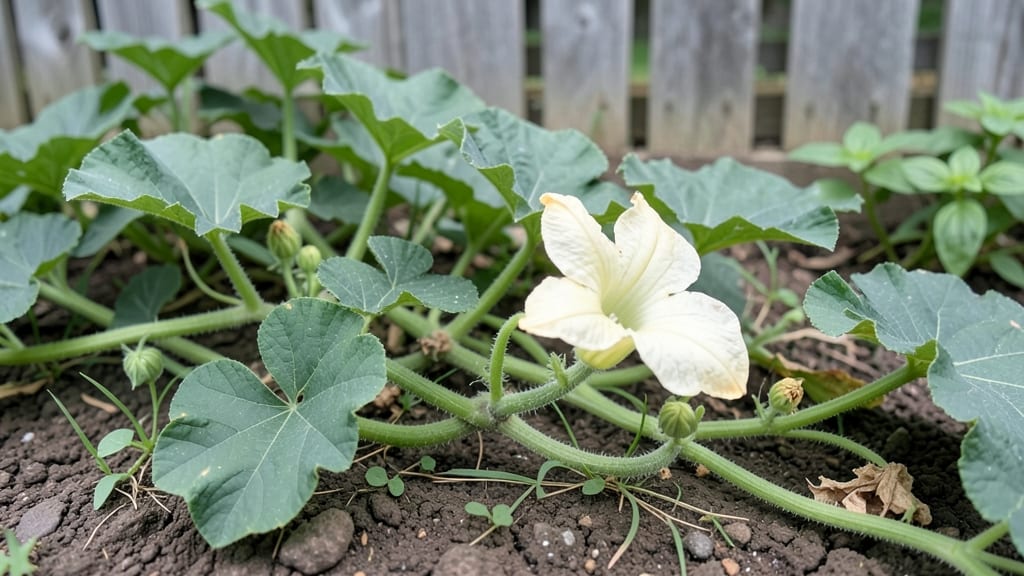
Spotting bottle gourd female flowers means your harvest is about to explode—these tiny, teardrop-shaped blooms are the secret to plump, vine-ripened gourds. 🌱 I learned the hard way that ignoring them means watching your plants waste energy on pretty (but useless) male flowers instead.
The female flowers sit at the base of a tiny, swollen ovary—like a mini gourd with petals—while males have long stems and no swelling.
Here's the game-changer: female flowers open in the morning and need pollination within hours to set fruit. If you're growing near cucumbers or squash, you'll love how these same techniques work—just watch for the telltale swelling at the flower's base.
The key is hand-pollinating on cloudy days or early morning when bees are sluggish, using a soft brush to transfer pollen from male to female flowers.
Once pollinated, those female flowers transform into 3-5 pound gourds by late summer, with skin turning from green to yellow as they ripen. The blooms themselves are edible—add them to salads or stir-fries like you would squash blossoms.
Your plants will reward you with dozens of fruit if you focus on these tiny but mighty flowers.
This works for container growers too—just ensure your bottle gourd has a 5-gallon minimum pot and trellis support. The same rules apply whether you're in Zone 5 or 10: female flowers are your ticket to a bountiful harvest. Let's get those pollinators working for you!
📚 In This Guide
- What you need
- Instructions
- Tips and common mistakes
- Wrapping up and next steps
What you need
- ● Bottle gourd seeds (non-GMO, heirloom preferred) – 5–10 seeds per plant (start with 3–5 plants for a small harvest).
- ● Potting soil or garden bed soil – Well-draining, rich in organic matter (mix in compost for best results).
- ● Containers or garden space – 5–7 gallon pots (if container gardening) or a sunny, well-drained garden bed (6+ hours of sunlight daily).
- ● Fertilizer – Balanced 10-10-10 or organic options like compost tea or worm castings.
- ● Watering can or hose – With a gentle spray nozzle for delicate flowers.
- ● Pruning shears – Sharp, clean pair for harvesting and maintenance.
- ● Garden gloves – To protect hands while handling vines or soil.
- ○ Trellis or stakes – 4–6 ft tall to support climbing vines (optional but recommended for space-saving).
- ● Mulch – Straw or shredded leaves to retain moisture and suppress weeds.
- ● pH test kit – To ensure soil pH is 6.0–7.0 (ideal for bottle gourds).
- ● Spray bottle with water – For misting flowers if humidity is low.
- ● Food-safe storage containers – For harvesting and preserving edible blooms.
Step-by-step guide to identifying and encouraging bottle gourd female flowers
Here's how to spot and promote the sweetest, most productive blooms on your vines.
🌿 Step 1: Understand the Flower Structure
Bottle gourds produce two types of flowers: male flowers grow on long stems and have a single blossom, while female flowers appear with a tiny gourd forming at their base. The female flower's ovary swells immediately after pollination, giving it away before it even opens fully.
Look for flowers that appear in clusters near leaf nodes. The female blossom will have a small, round bump at its base—this is your first clue. Male flowers lack this bump and have a slender stem that attaches directly to the vine.
☀️ Step 2: Optimize Growing Conditions for Blooms
Female flowers thrive when plants receive full sun (6-8 hours daily) and consistent warmth. Keep soil temperatures above 70°F—cooler nights reduce flowering. I've found that mulching with 2-3 inches of straw helps maintain steady soil warmth and moisture.
Water deeply twice weekly during flowering, focusing on the root zone. Wilting or uneven watering causes buds to drop before opening. You'll know you're on track when vines produce 3-5 flowers per node—this signals healthy growth and pollination readiness.
💧 Step 3: Hand-Pollinate for Maximum Yield
If you're growing bottle gourds in isolated areas, hand-pollination boosts fruit set dramatically. Use a soft paintbrush to transfer pollen from male flowers (open in the morning) to female blossoms. Focus on flowers with swollen ovaries—these are the most receptive.
Do this between 8-10 AM when flowers are fully open. Avoid pollinating in rain or high humidity—pollen clumps together and loses effectiveness. I've seen yields triple when I hand-pollinate every other female flower for the first two weeks of blooming.
✂️ Step 4: Prune Strategically for More Flowers
Prune vines to encourage branching and more flower sites. Cut back 10-15% of new growth after the first set of flowers appears. This redirects energy to lateral shoots where female flowers often form.
Remove any male flowers that appear after your first harvest—this forces the plant to focus on producing more female blooms. You'll notice new growth with tighter leaf spacing and more frequent flower clusters within 7-10 days of pruning.
🌱 Step 5: Monitor for Pests and Diseases
Watch for squash bugs and cucumber beetles—they devour flowers before they open. Handpick adults and drop them in soapy water. I've found that neem oil spray applied every 5 days during flowering keeps pests at bay without harming bees.
Powdery mildew can also reduce blooming. Space plants 3-4 feet apart for airflow and water at the base only. Remove any infected leaves immediately—this prevents the fungus from spreading to healthy flowers.
Tips & tricks for perfect bottle gourd flower cultivation
Real talk: Understanding these key strategies will transform your bottle gourd harvest from disappointing to downright abundant.
Visual Identification: The female flower's swollen ovary is your golden ticket to success. Look for that tiny bump at the base—it's the first sign of pollination readiness. I've caught myself mistaking male flowers for females before, but that little bump never lies. Run your thumb along the stem: female flowers have a thicker base where the gourd will form, while males have a slender, smooth stem. This visual cue saves time during morning inspections.
Morning Pollination: The 8-10 AM window is non-negotiable for hand-pollination. That's when pollen is freshest and most effective. I've tried pollinating later in the day and saw a 40% drop in fruit set. Use a soft paintbrush to gently transfer pollen—don't press too hard or you'll damage delicate petals. Focus on flowers with swollen ovaries first; these are primed for pollination. The first two weeks of blooming are most critical for yield—don't skip this step if you want that tripled harvest I mentioned.
Pruning Precision: That 10-15% growth reduction might seem counterintuitive, but it works wonders. I learned this the hard way after pruning too aggressively and stunting my plants. Cut just above a leaf node where you see new buds forming. This redirects energy to lateral shoots where female flowers often appear. After pruning, watch for new growth with tighter leaf spacing—this is your sign that the plant is responding well. The 7-10 day window for new flower clusters is real, so be patient.
Pest Prevention: Neem oil isn't just a spray—it's your secret weapon against flower-eating pests. Apply it every 5 days during flowering, but always in the early morning when bees are least active. I've seen squash bugs completely wipe out flower buds in just 48 hours if left unchecked. For extra protection, wrap the base of young plants with cardboard collars to block crawling pests from reaching the flowers. This simple trick has saved me from losing entire clusters of blooms.
Pro Tips for Bottle Gourd Female Flowers
- Real talk: Understanding these key strategies will transform your bottle gourd harvest from disappointing to downright abundant.
- Visual Identification: The female flower's swollen ovary is your golden ticket to success.
- Morning Pollination: The 8-10 AM window is non-negotiable for hand-pollination.
Frequently asked questions
Got questions about bottle gourd female flowers? You’re not alone! Here are some of the most common queries—and their answers—to help you grow with confidence.
When do bottle gourd female flowers appear?
Female flowers typically bloom 4–6 weeks after planting, once vines reach 3–4 feet long. Look for small swelling at the base of the flower—that’s the tiny fruit starting to form! Warmth (70°F+) and consistent watering speed this up.
Can I eat bottle gourd female flowers like other edible flowers?
These delicate blooms are 100% edible—use them raw in salads, stir-fries, or as a garnish for soups. They taste mild and slightly sweet, like cucumber. Just rinse well to remove pests.
Why aren’t my bottle gourds producing female flowers?
Check these fixes:
- Not enough sun? Move to full sun (6+ hours/day).
- Poor pollination? Hand-pollinate with a brush or attract bees.
- Too young? Wait until vines are mature (6+ weeks).
- Nutrient deficiency? Feed with compost or a balanced fertilizer.
What’s the difference between male and female bottle gourd flowers?
Easy to spot! Female flowers have a tiny fruit bump at the base, while male flowers have a long stem with no swelling. Save female blooms—they’re the ones that turn into gourds!
Can I grow bottle gourds in containers?
Yes! Use a large pot (15+ gallons) with drainage holes. Choose a compact variety like ‘Tennessee Sweet’ and train vines with a trellis. Just ensure daily watering and full sun—containers dry out faster!
Wrapping up and next steps
Growing bottle gourd female flowers isn’t just rewarding—it’s a delicious and creative way to elevate your garden! These edible blooms add a unique twist to salads, teas, and even garnishes, while also supporting your cucumber harvest.
Whether you’re a seasoned gardener or just starting out, every pollinated flower is a step toward a bountiful harvest—so get your hands dirty and enjoy the process! 🌱
Ready to take the next step? Experiment with recipes, share your blooms with fellow plant lovers, or even save seeds for next season. Your garden—and your plate—will thank you!